National Park
Gayasan
South Korea
 South Korea
Siberian flying squirrel · yellow-throated marten
See parkYellow Sea tidal flats, a decisive stopover on the East Asian-Australasian Flyway.
Area
1,284 km²
Designated in
2021
Region
East Asia
Four subtypes of Yellow Sea tidal flat
Getbol is the Korean word for tidal flats, the coastal sedimentary systems left exposed at low tide. The property was inscribed on the World Heritage List on 26 July 2021, at the Committee's 44th session held in Fuzhou, under natural criterion (x), and was the fifteenth Korean property to enter the List.
In its original inscription it comprised four components on the south-western and southern coast of South Korea, on the eastern shore of the Yellow Sea: Seocheon Getbol, Gochang Getbol, Shinan Getbol and Boseong-Suncheon Getbol. Each represents one of the four subtypes of tidal flat — estuarine, open embayed, archipelago and semi-enclosed — the result of a complex combination of geological, oceanographic and climatic conditions. Shinan is by far the largest, with some 1,100 km² against 60 km² for the rest, and includes more than nine hundred islands with vast expanses of mud between them.
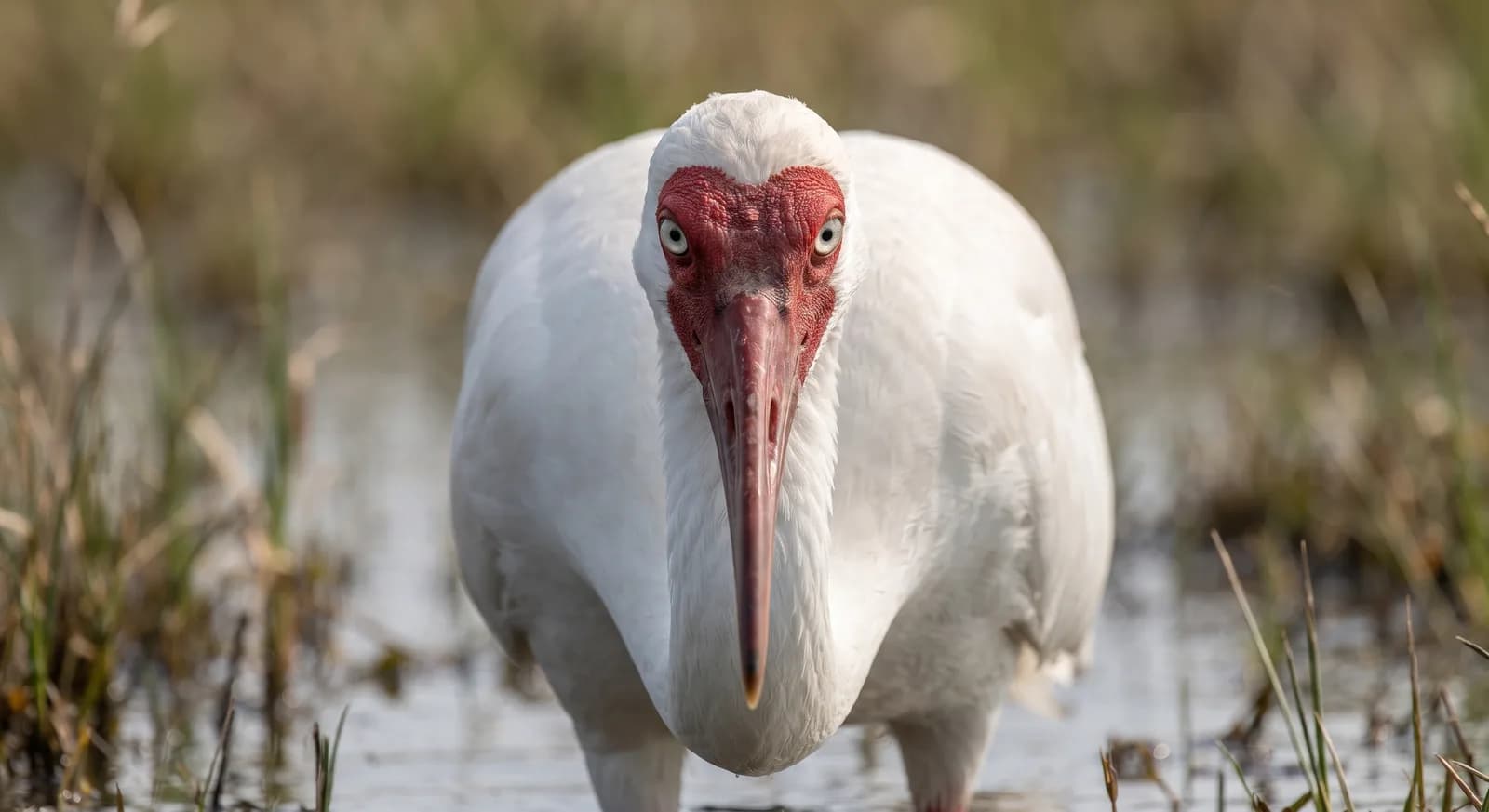
Its value lies in its biodiversity and its ecological function. More than 2,400 plant and animal species have been recorded, with a notable diversity of mud-dwelling invertebrates and 53 species endemic to the Yellow Sea. The property lies at the heart of the East Asian-Australasian Flyway and provides critical feeding, breeding and resting habitat for 216 bird species, among them 24 globally threatened, with important populations of spoon-billed sandpiper, Far Eastern curlew and black-faced spoonbill. The area is also protected as a Ramsar site, a geopark and a biosphere reserve, and the livelihood of many coastal inhabitants depends on shellfish gathering based on traditional knowledge.
1 dive site within 300 km is also shown.
Ecosystems found in South Korea, where Getbol (Korean tidal flats) lies.
Where can I dive near here?
217 km away
Which other parks are like this one?
Same country: South Korea
Same country: South Korea
Same country: South Korea
Same country: South Korea
Based on what we already know about this park.
Climate
Tropical, Arid / desert, Temperate
Threatened: