Skip to content
WAnimals
  • Map
  • Species
  • Parks
  • Diving
Log inCreate account
WAnimals

The guide for travellers and animal lovers: discover, plan and share your wild adventures around the world.

Discover wildlife

  • Species
  • Ecosystems
  • Glossary
  • Tags

Explore places

  • Map
  • Countries
  • Parks
  • Diving

Plan experiences

  • Guides

Learn

  • Blog

Resources

  • Help centre
  • Contact
  • Install the app

Follow us

Account

  • Log in
  • Create account

© 2026 WAnimals. All rights reserved.

About usHow we build our profilesTerms of servicePrivacyLegal notice
MapSpeciesParksDiving

Ecosystems

Natural worlds to discover

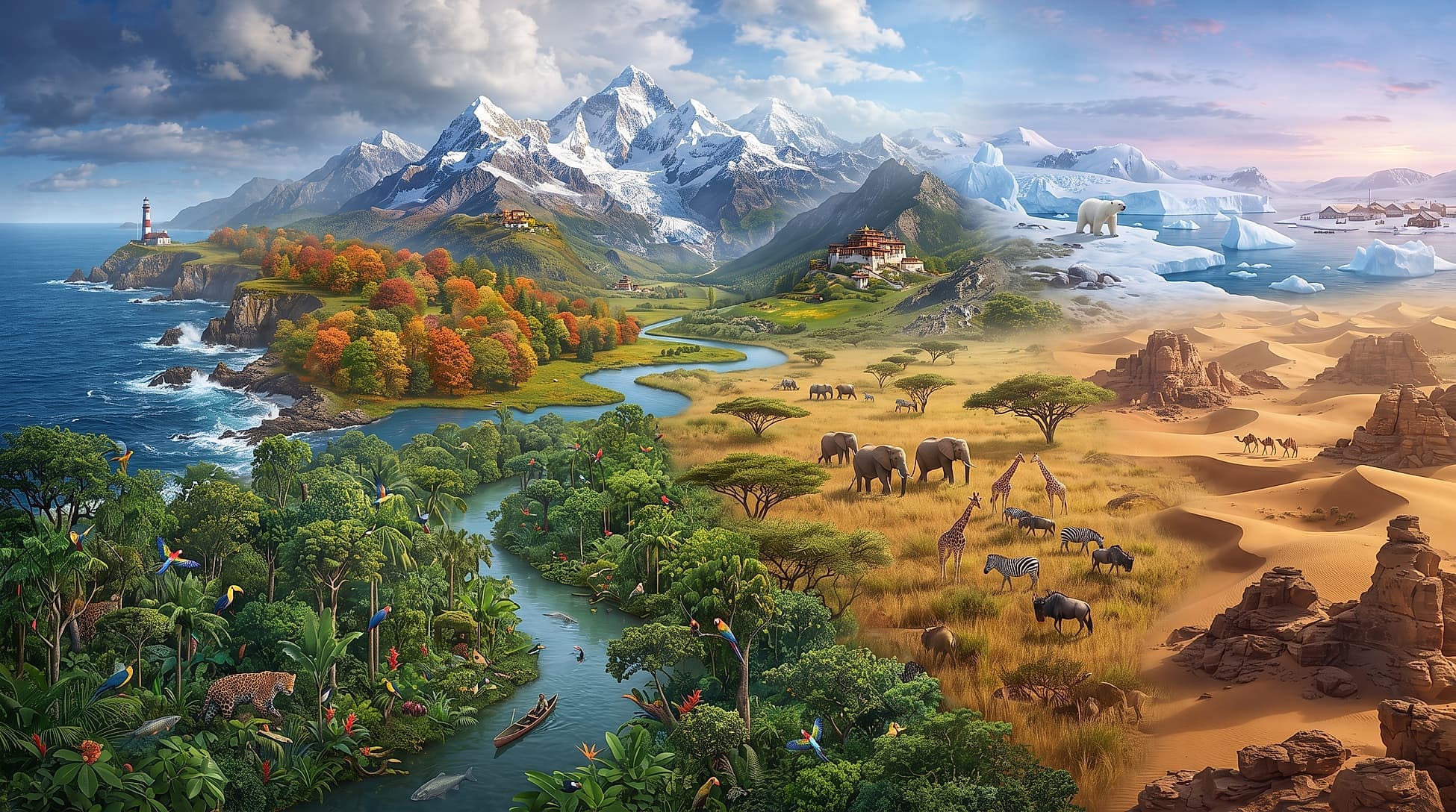
From the savannah to the ocean floor: every ecosystem is a living landscape that shapes which wildlife can live in it. Explore the planet's real biodiversity by the environment it lives in, not by country.

11documented ecosystems2,504species with a known habitat508at risk of extinction

The world's biomes

Where each major kind of ecosystem sits on the planet. The eleven profiles below go into detail on the ones WAnimals documents with associated species, parks and dive sites.
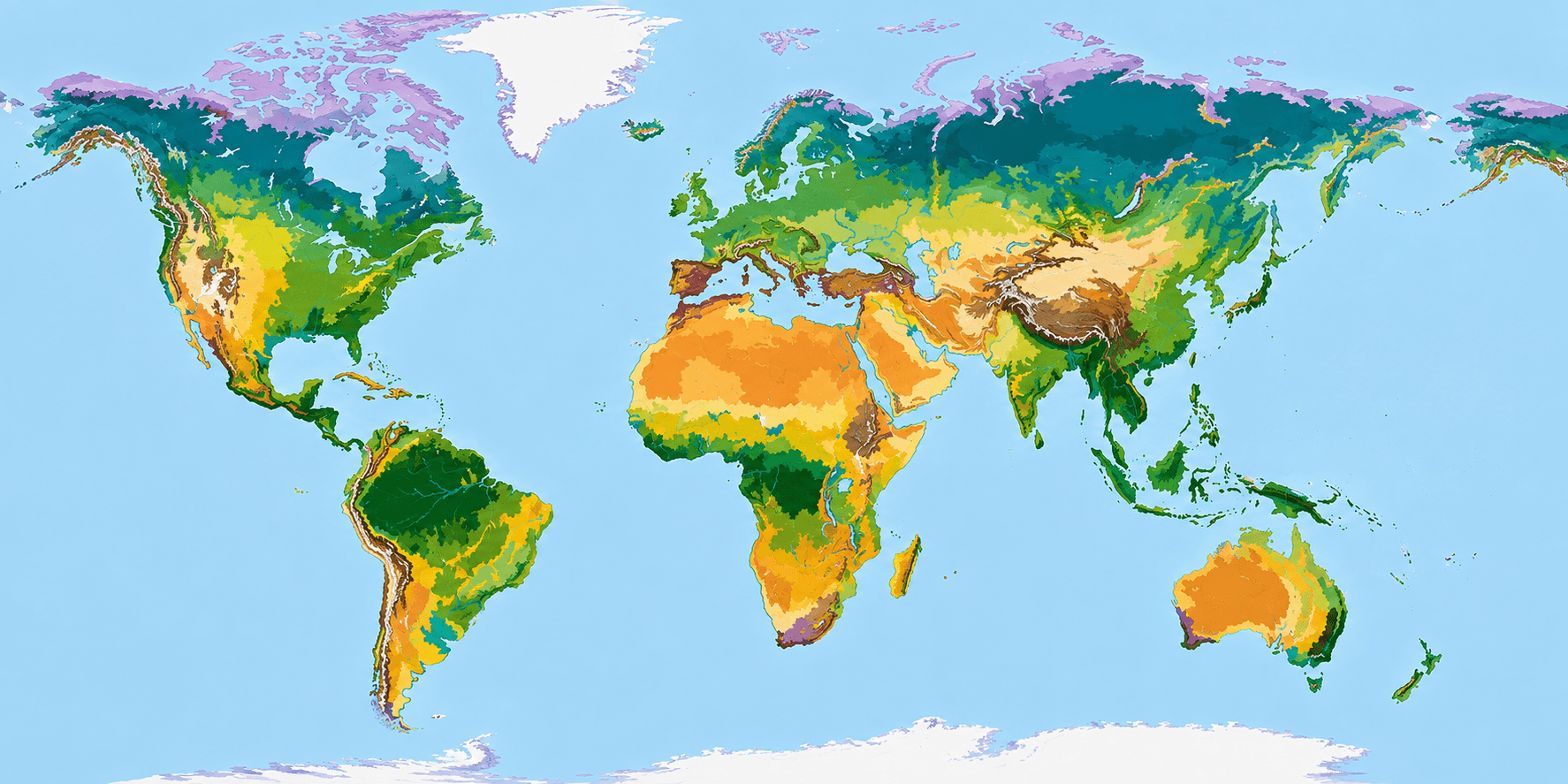
World map coloured by biome: tropical rainforests in dark green, taiga in blue-green, savannahs in yellow, deserts in orange, tundra in purple and permanent ice in white

Legend

Illustrative map: the colours give a guide to where each biome is, but they are not an official classification.

  • Tropical rainforest · Amazonia, Congo, Borneo, Papua
  • Tropical and subtropical forests
  • Temperate forests · Western Europe
  • Mixed forests and transition zones
  • Taiga or boreal forest · Canada and Siberia
  • Temperate grasslands and steppes · Great Plains, Patagonia
  • Tropical savannahs · East Africa
Filter
Environment

11 ecosystems found
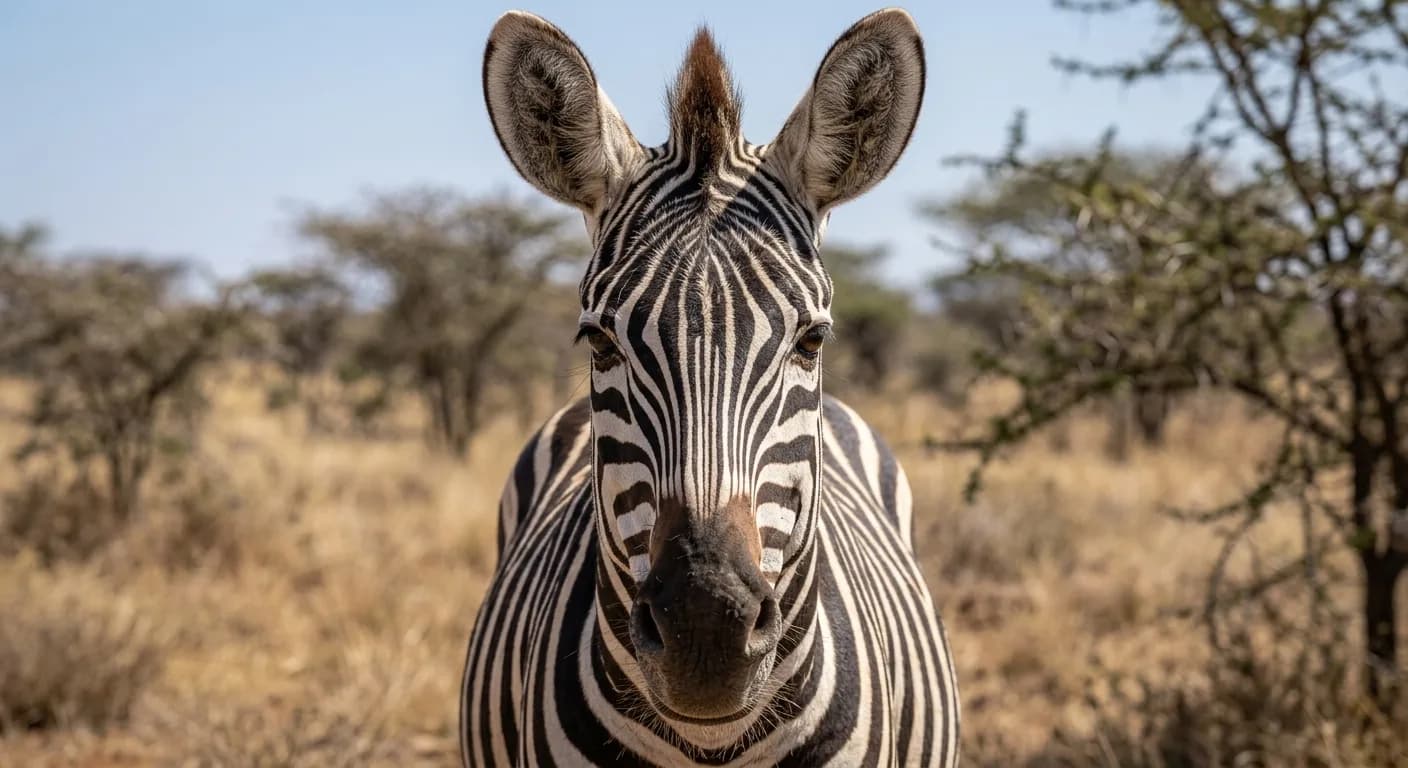
Semi-arid zones
  • Hot deserts · Sahara, Arabia, central Australia
  • Cold deserts and arid plateaux
  • Mountain ecosystems
  • High mountains and rocky terrain · Himalaya, Andes
  • Tundra · Northern Canada and Siberia
  • Permanent ice and glaciers · Greenland, Antarctica
  • Wetlands and major river systems
  • Oceans
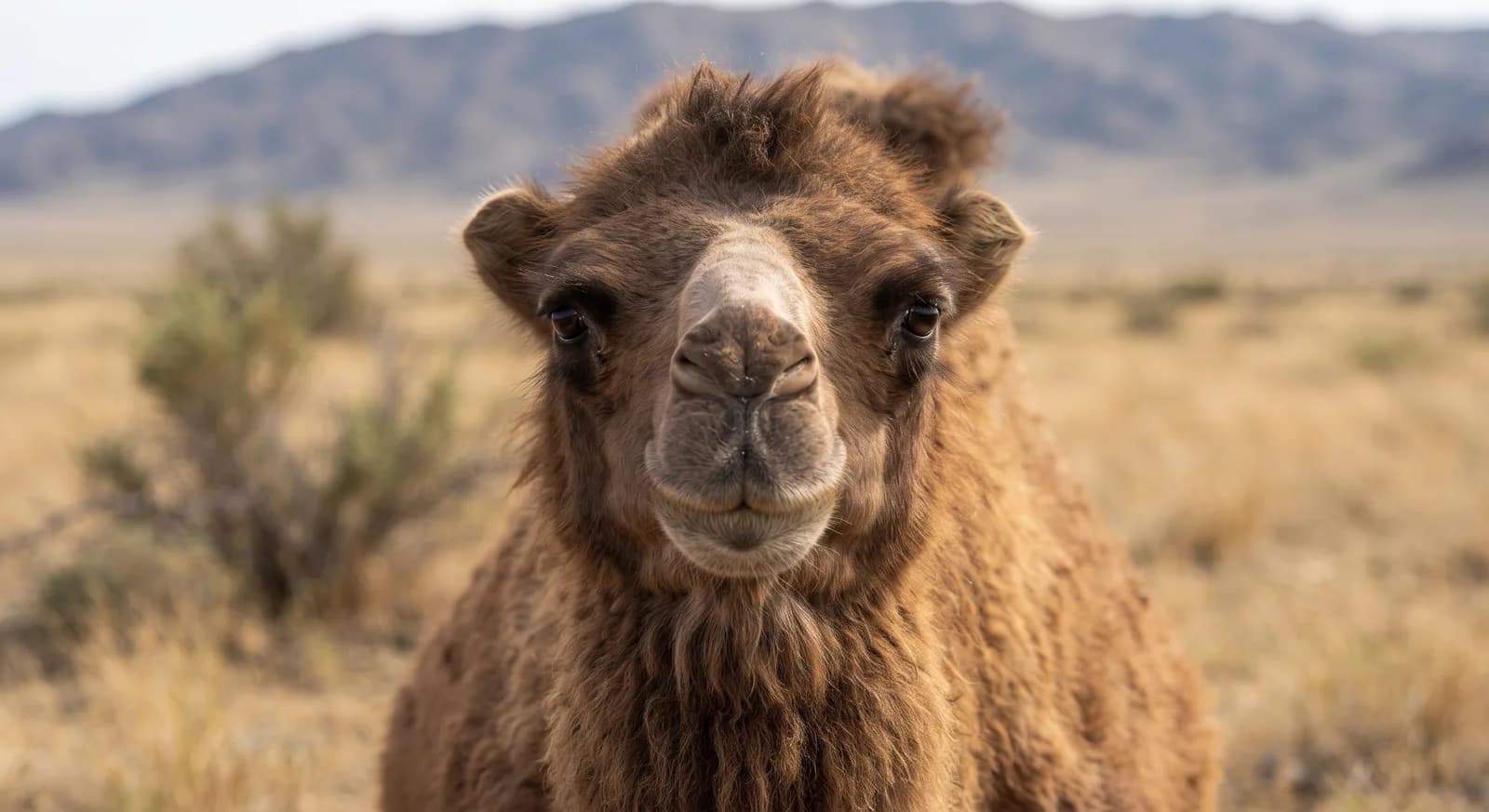
  • Grevy's ZebraBactrian CamelSomali Ostrich
    Land53 threatened
    Ecosystem 01

    Desert

    Regions where the factor defining life is scarcity of water, not temperature: there are hot deserts and cold ones too. Their wildlife is shaped by thrift — nocturnal or crepuscular activity, drawing water from food itself, and tolerance of sharp swings between day and night temperatures. Vegetation is sparse and widely spaced, which leaves little shelter and turns shade into a contested resource.

    273 speciesExplore
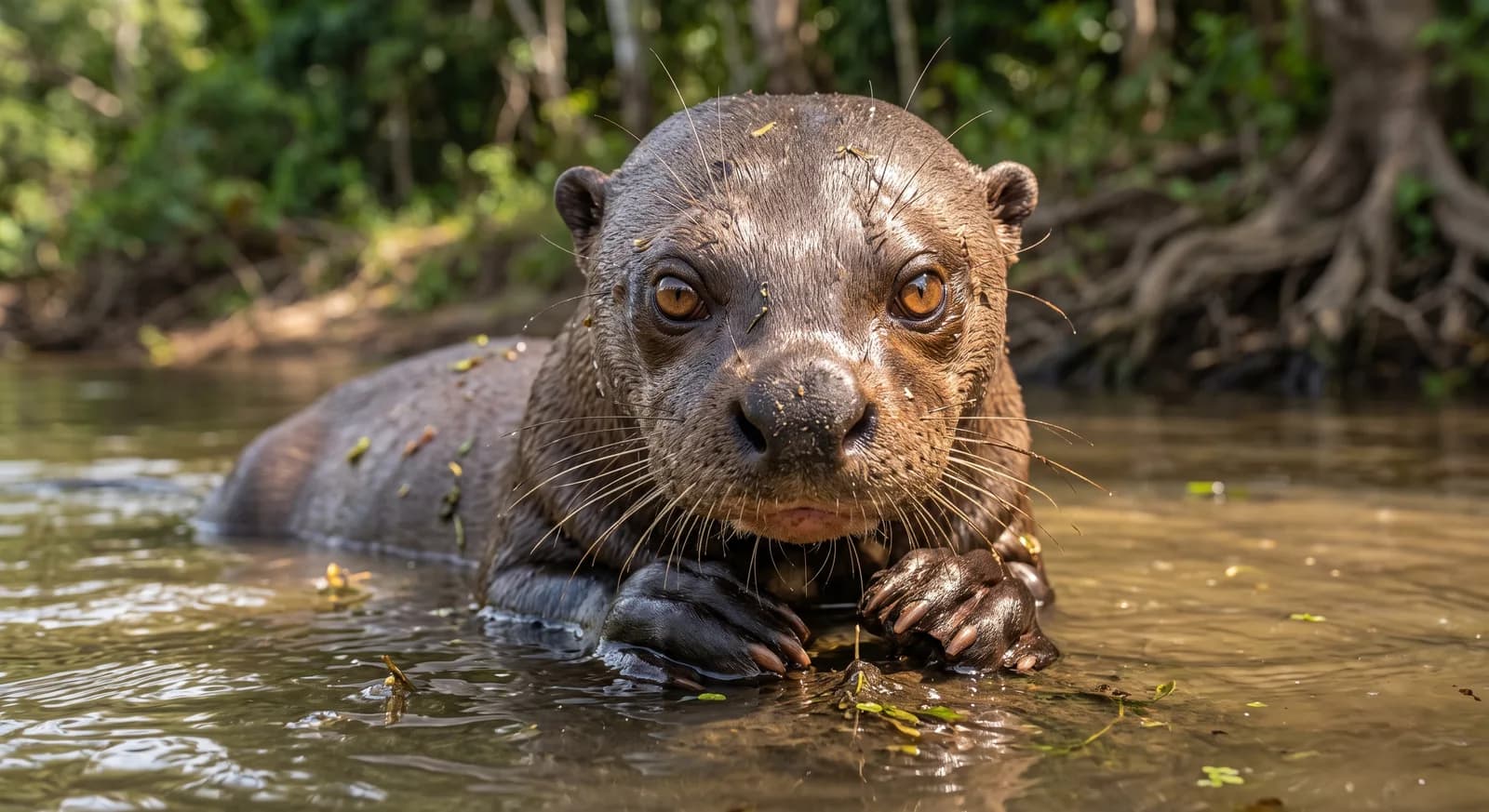
    Giant OtterWest Indian ManateeAmazonian Manatee
    Land110 threatened
    Ecosystem 02

    Freshwater

    Rivers, streams, lakes, wetlands and marshes. Although they cover a tiny fraction of the planet's surface, freshwater ecosystems hold a share of biodiversity far out of proportion to their size. Current, temperature and dissolved oxygen change sharply from one stretch to the next, and that variety explains how specialised their fish, amphibians and invertebrates are. They are also especially vulnerable, because everything that happens across the catchment ends up in the water.

    540 speciesExplore
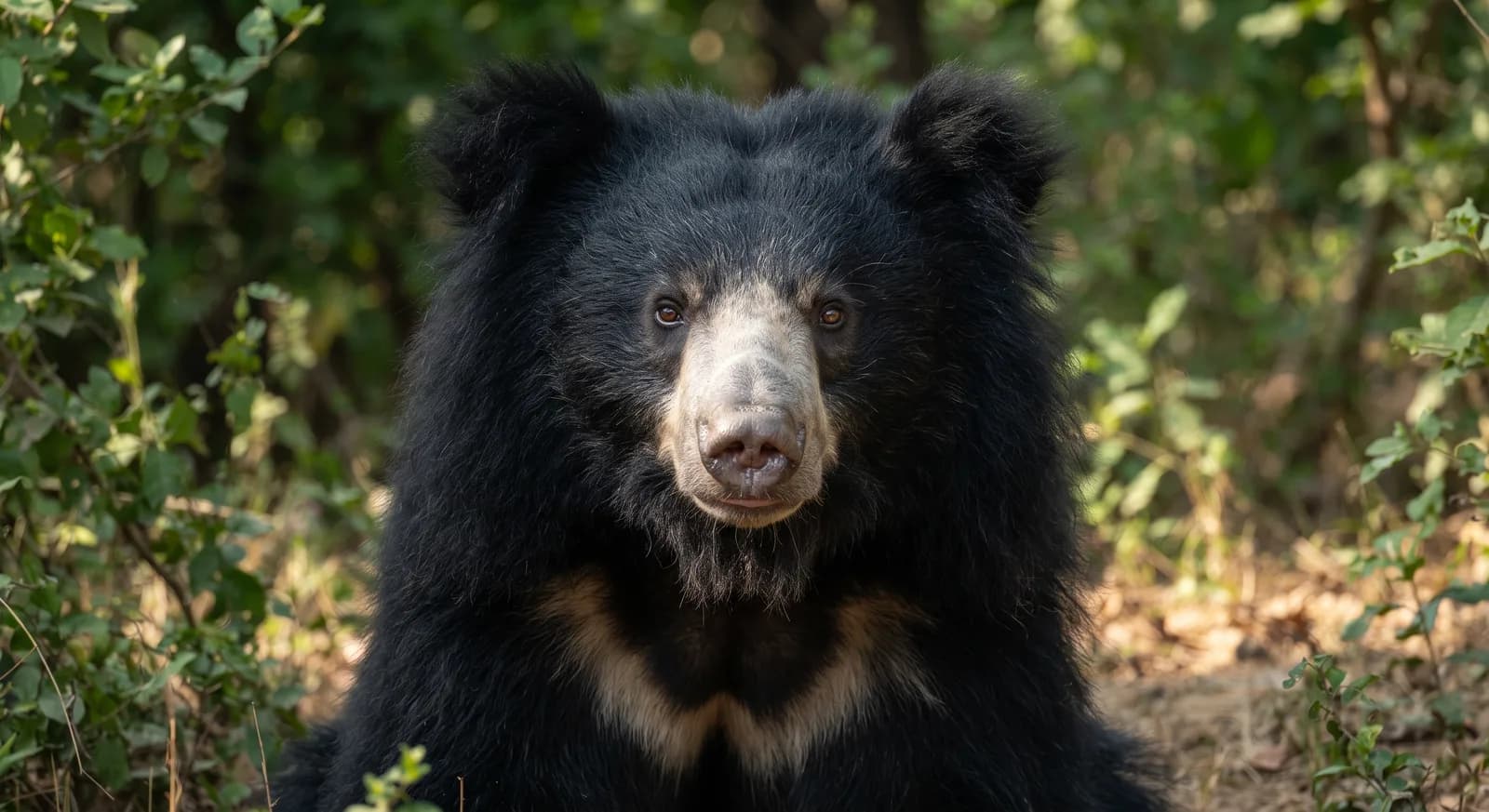
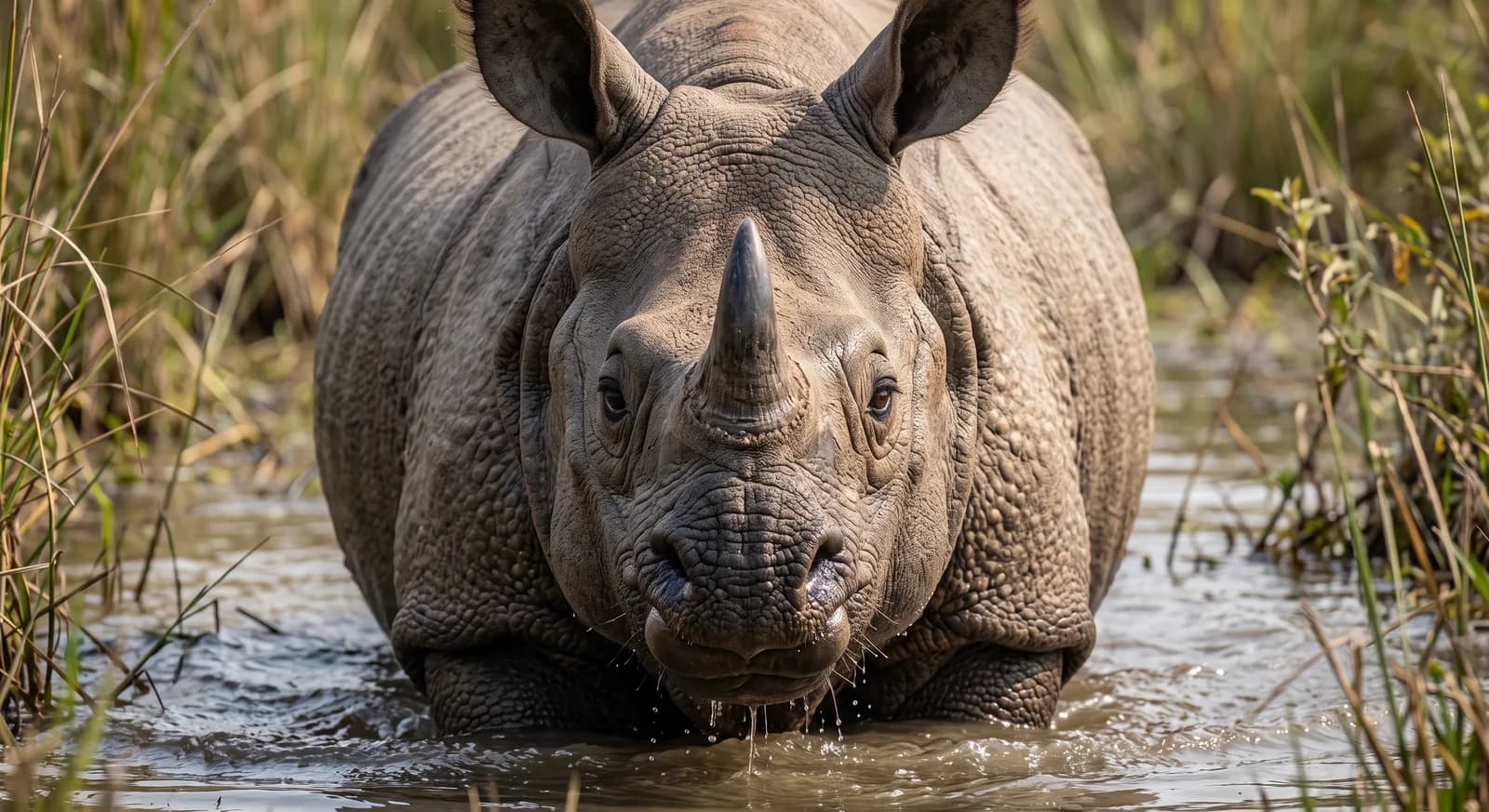
    Sloth BearGreater One-horned RhinoSomali Ostrich
    Land68 threatened
    Ecosystem 03

    Grassland

    Plains dominated by grasses, with few trees or none, in climates too dry for forest and too wet for desert. Grass, which regrows after being grazed or burnt, supports large herbivores and, behind them, their predators. The lack of cover favours group living, collective vigilance and speed as the main defence.

    625 speciesExplore
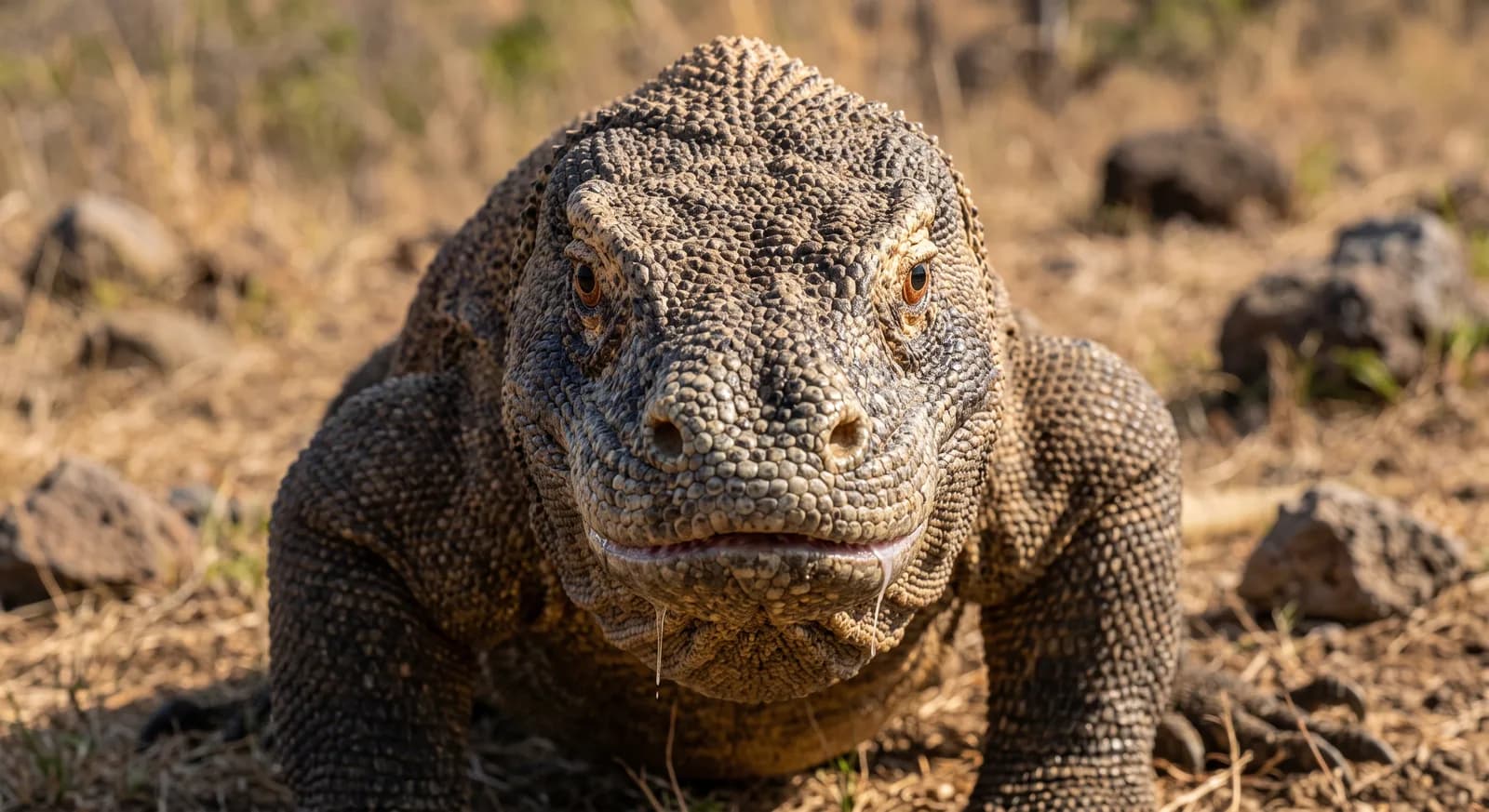
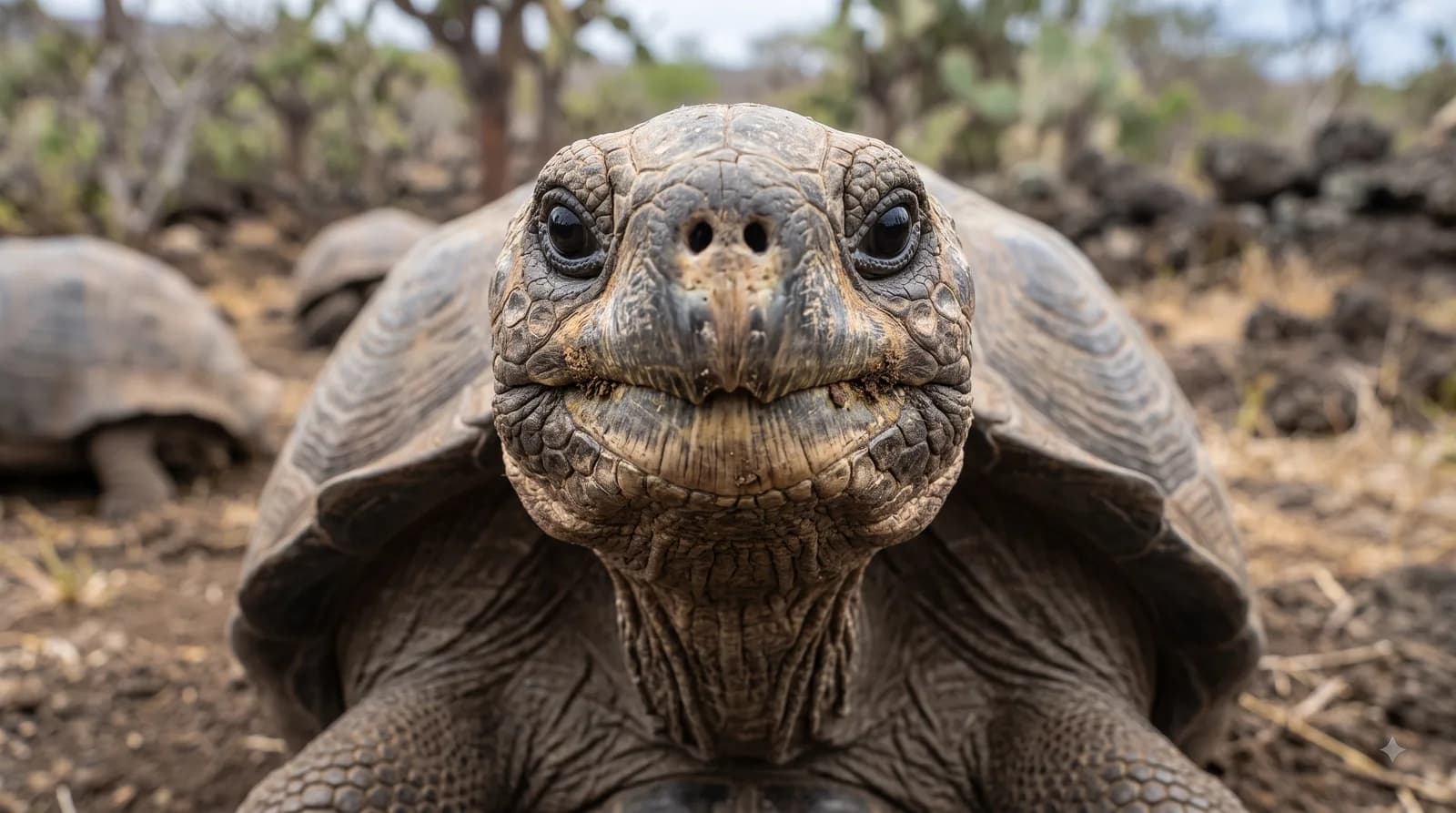
    Komodo DragonFloreana Giant TortoiseHispaniolan Solenodon
    Land80 threatened
    Ecosystem 04

    Islands

    Territories cut off from the mainland, where evolution follows its own paths. Isolation favours endemism — species found nowhere else — and often striking traits such as gigantism, dwarfism or the loss of flight in birds with no ground predators. That same singularity makes them fragile: a single introduced species can upset the balance of an entire island in very little time.

    200 speciesExplore
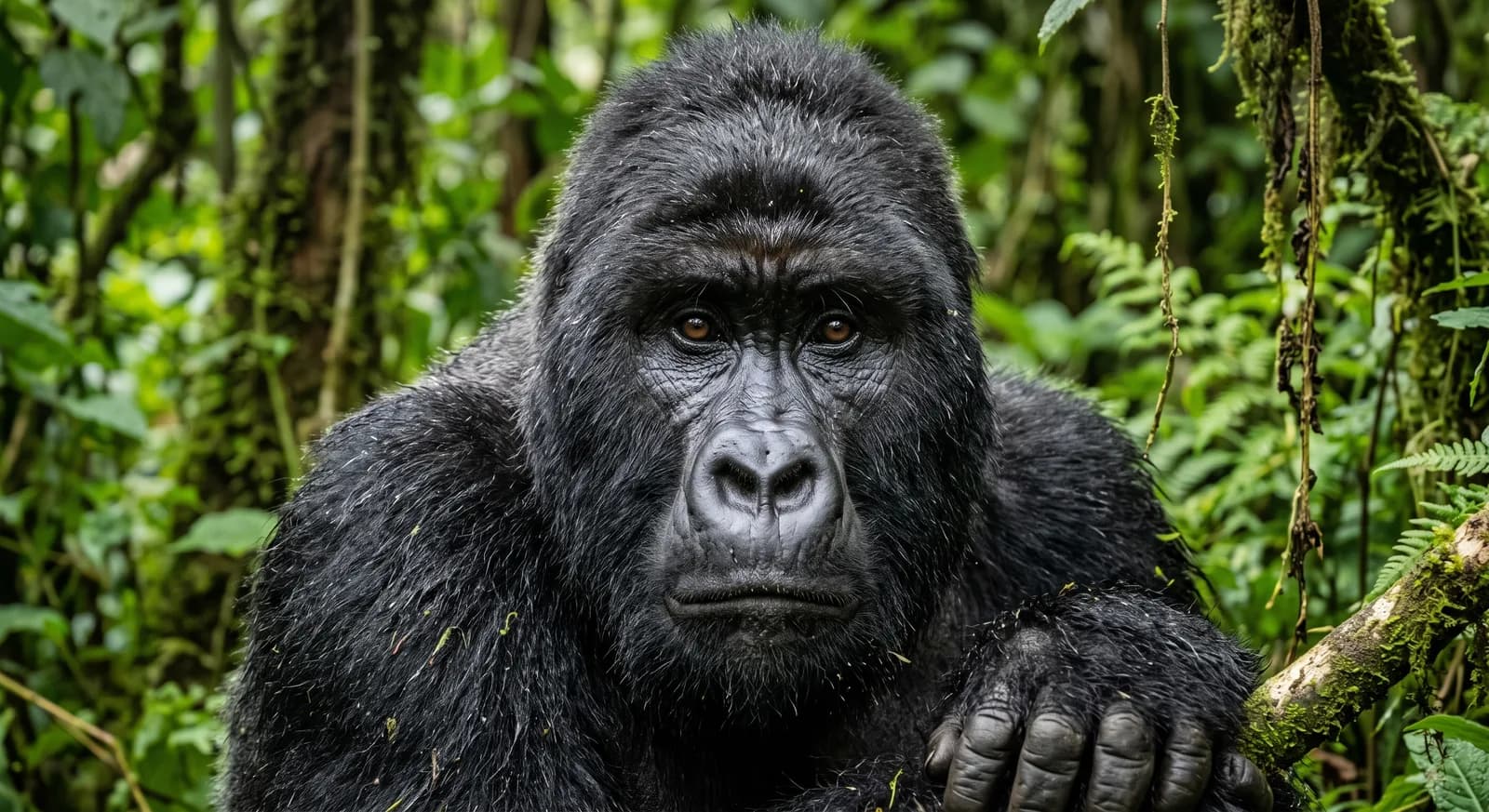
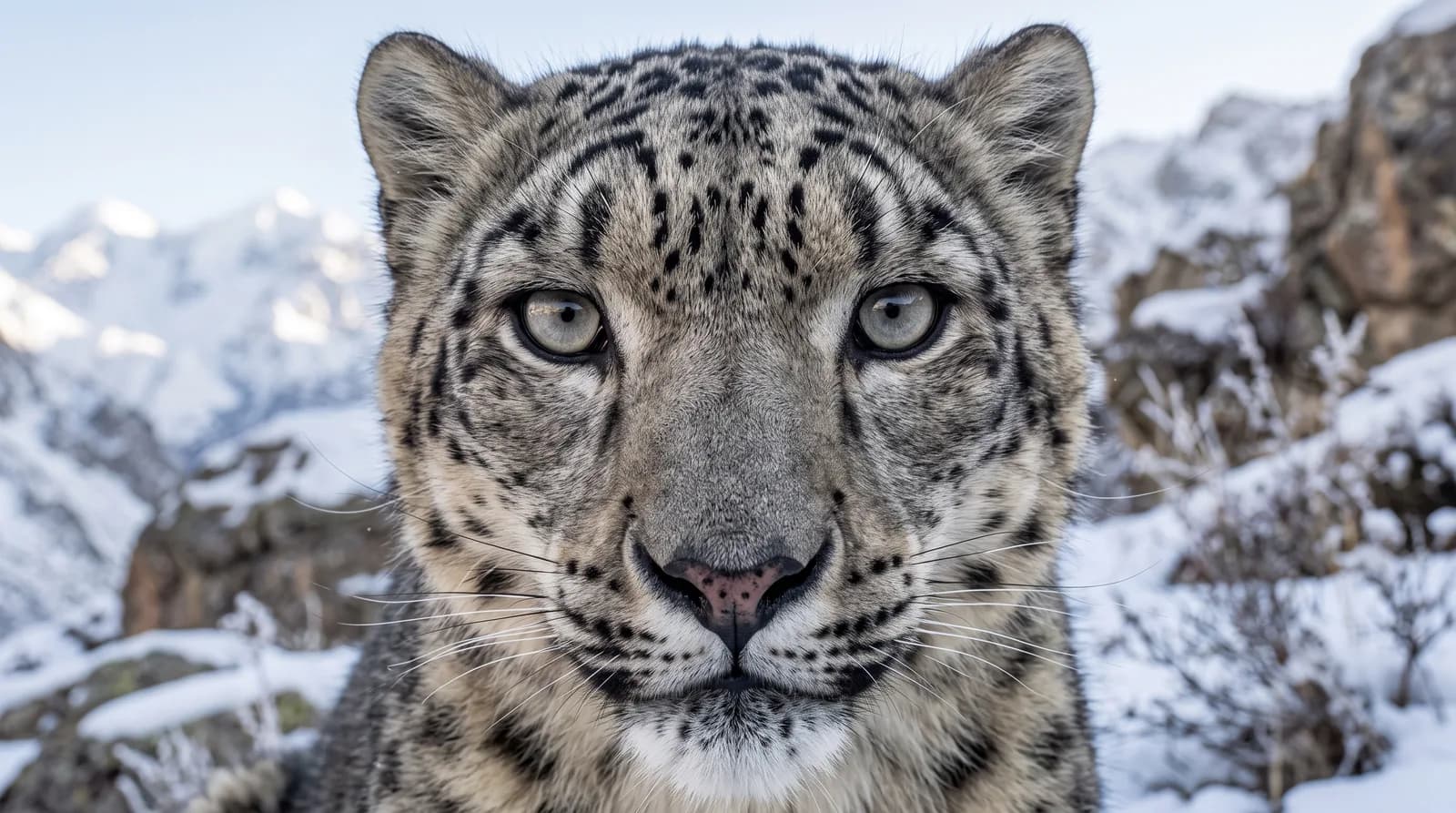
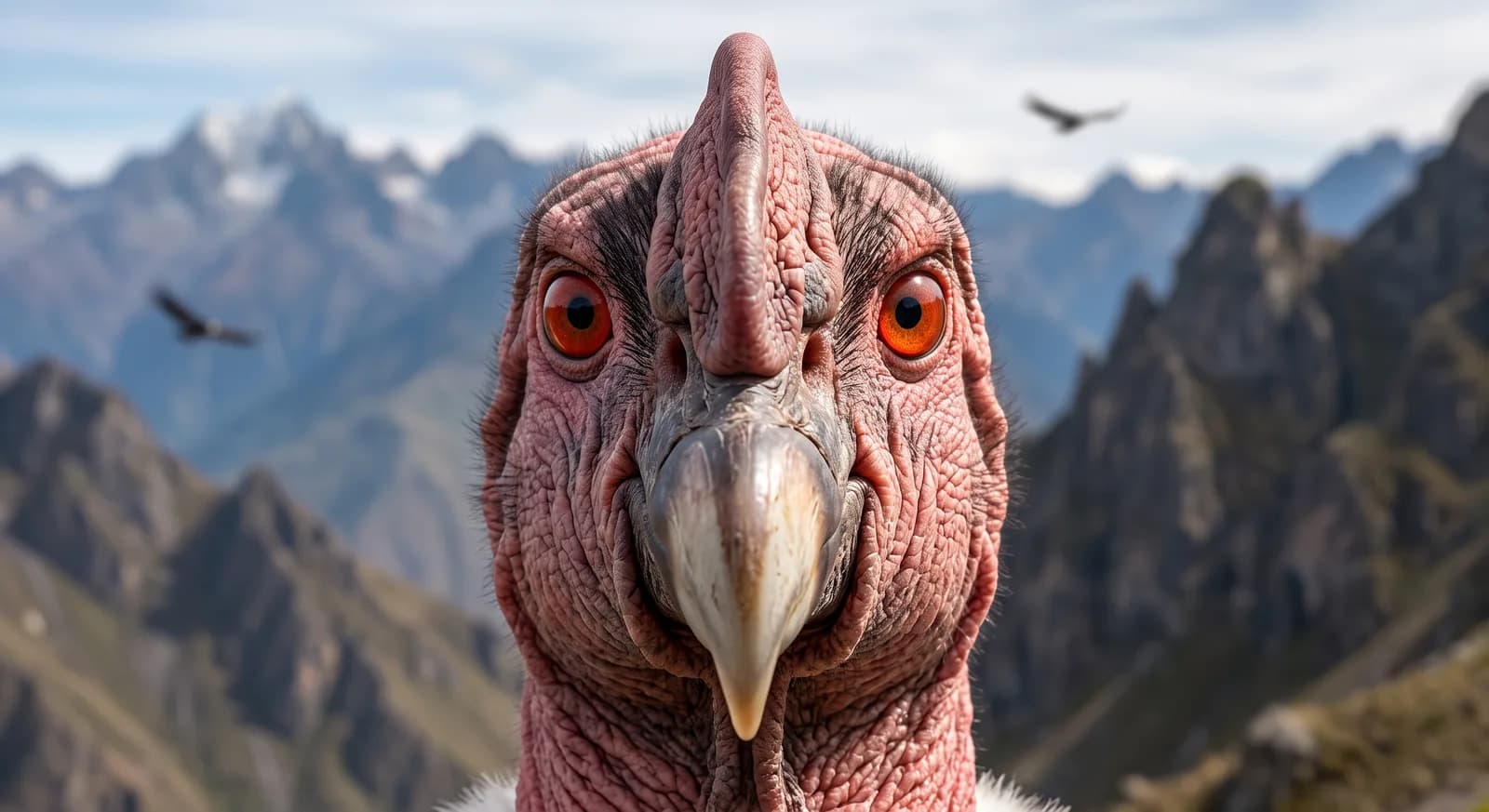
    Eastern GorillaSnow LeopardAndean Condor
    Land108 threatened
    Ecosystem 05

    Mountain

    Terrain where conditions change abruptly with altitude. Within a few vertical kilometres, environments as different as a forest and a zone of rock and snow follow one another, so a mountain works as several stacked habitats. High-altitude wildlife faces less oxygen, more radiation and low temperatures, and many species move between elevations with the season, following the food.

    360 speciesExplore
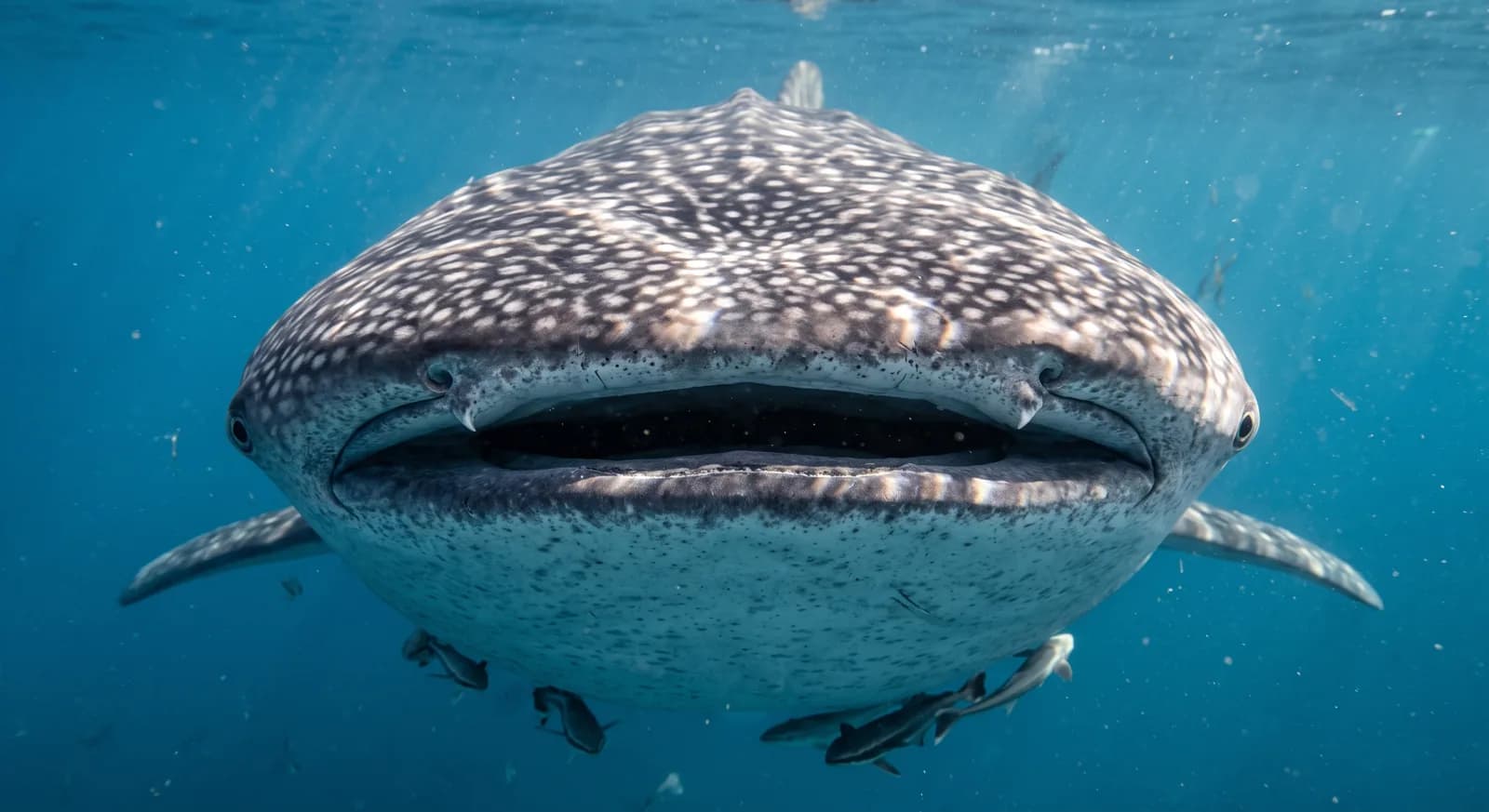
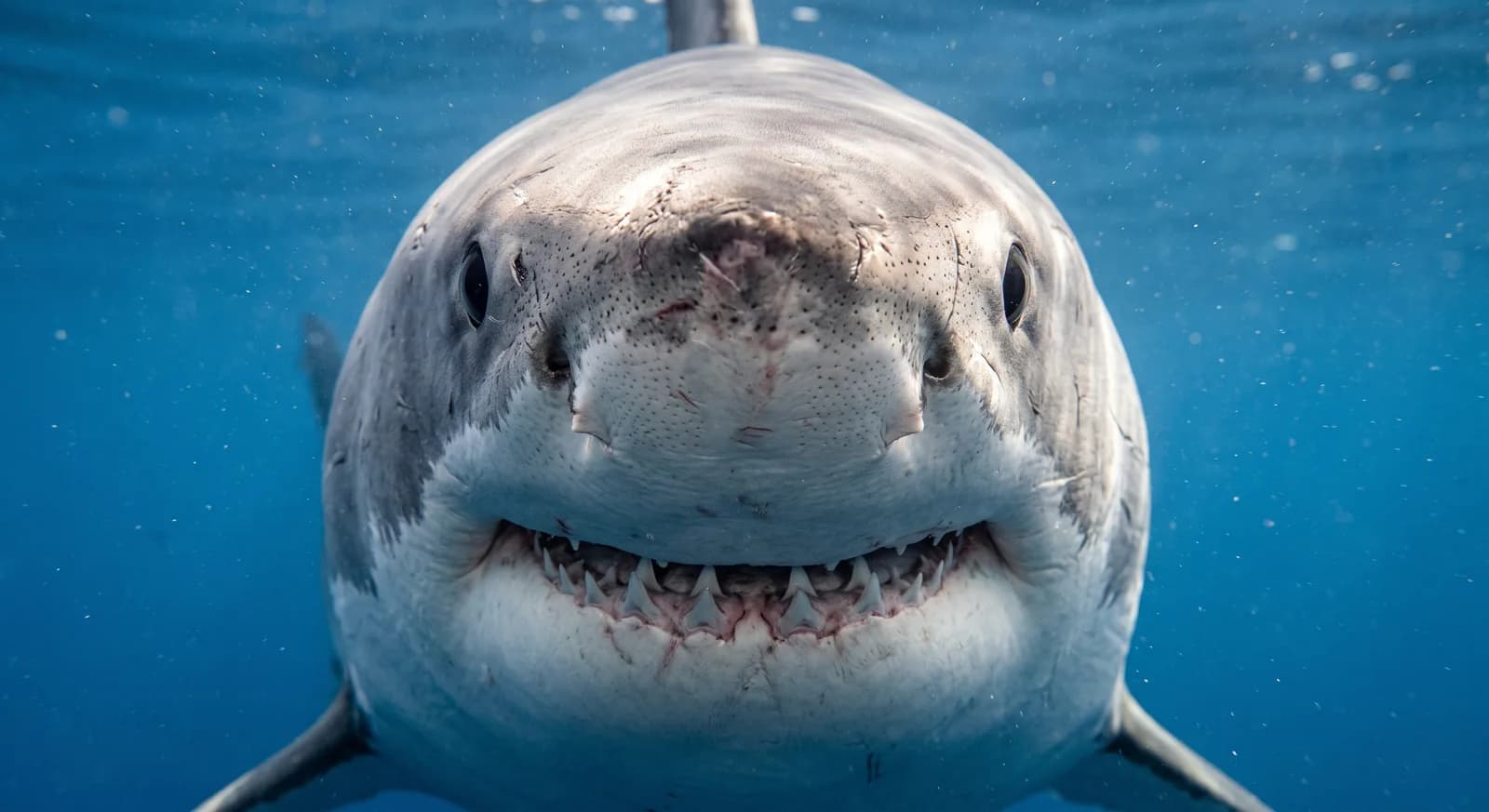
    Whale SharkGreat White SharkWest Indian Manatee
    Land130 threatened
    Ecosystem 06

    Ocean

    The planet's largest habitat and also its least explored. It is organised in layers: a lit zone where photosynthesis is possible and, below it, a vast dark cold expanse with life adapted to pressure and to scarce food. Currents distribute nutrients and temperature, and both the great migrations and the location of the most productive zones depend on them.

    602 speciesExplore
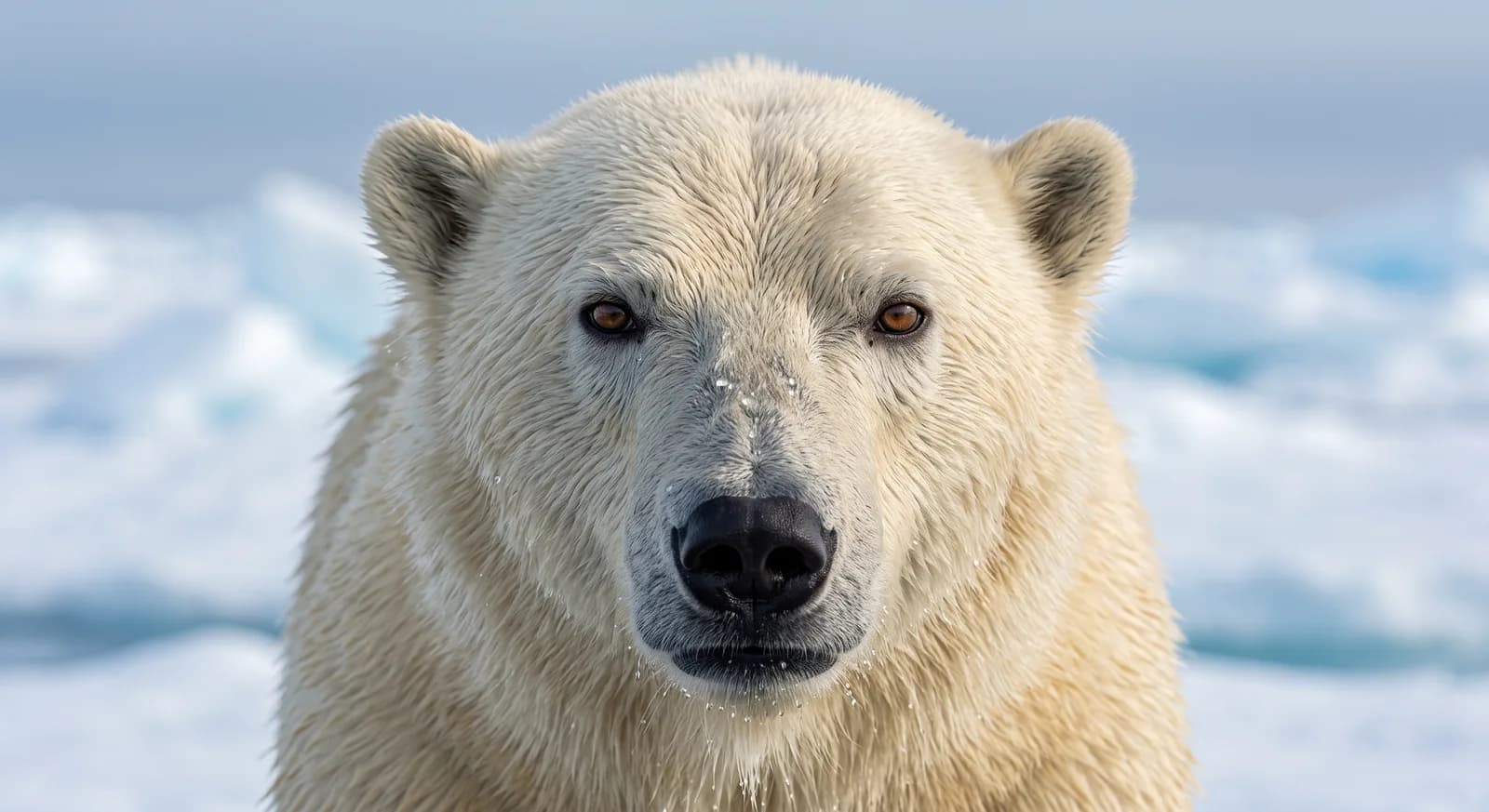
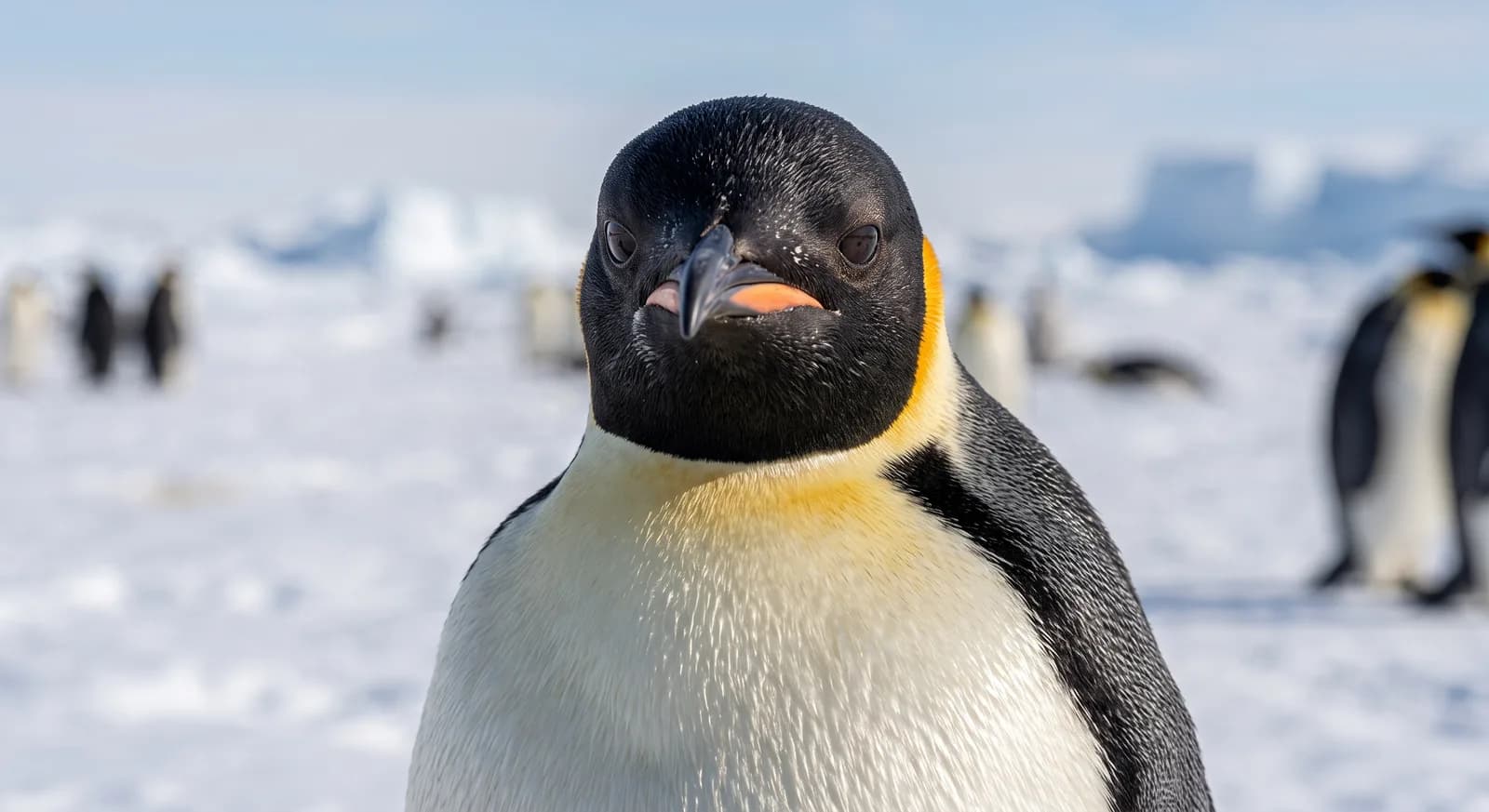
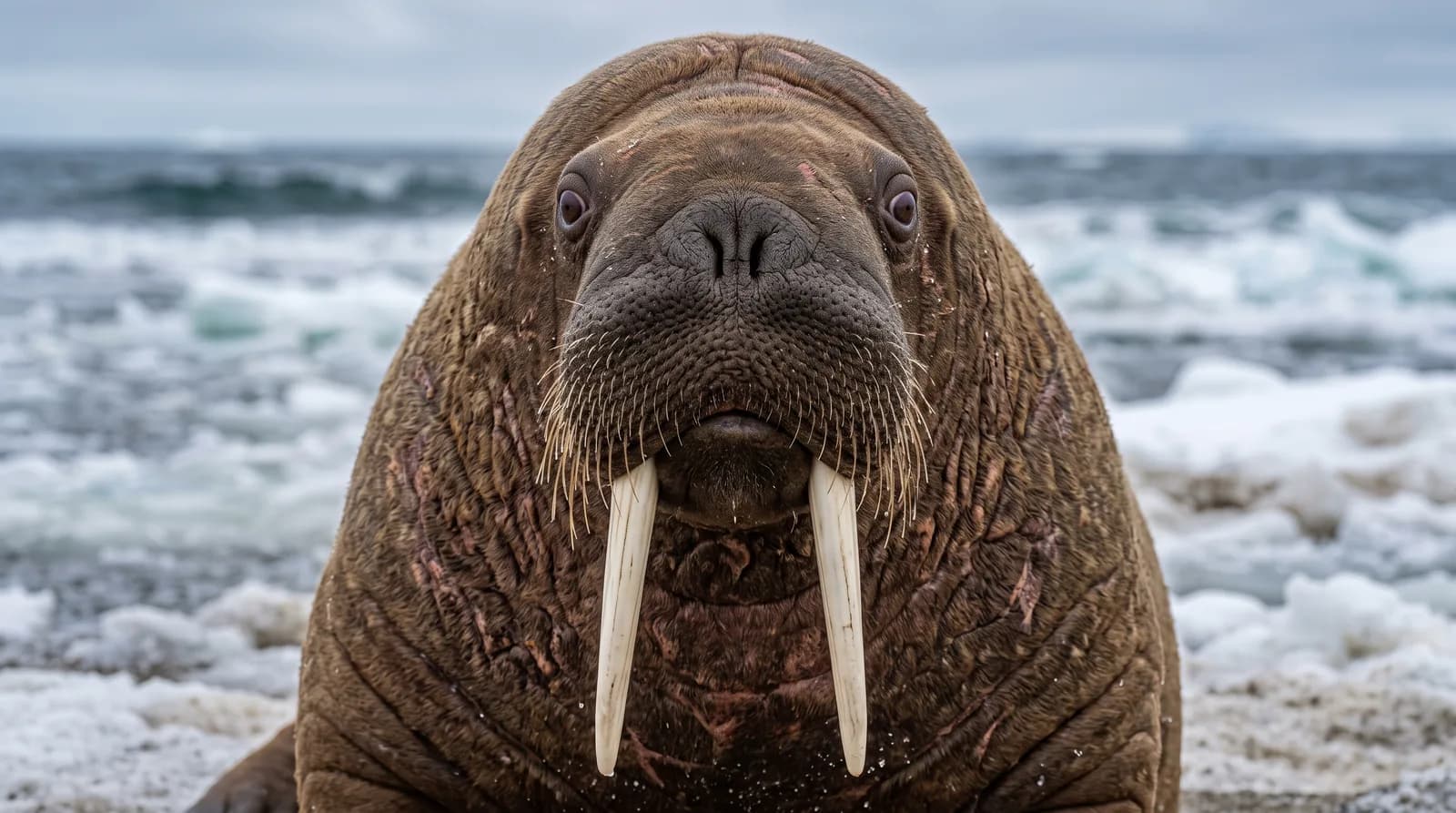
    Polar BearEmperor PenguinWalrus
    Marine15 threatened
    Ecosystem 07

    Polar

    The extreme regions of the Arctic and Antarctic, with permanent or seasonal ice and whole months of light or darkness. Much of life depends on the sea rather than the land: the water's productivity supports birds and marine mammals that breed on solid ground or on the ice. Thermal insulation — blubber, dense plumage, fur — and making the most of a very short summer are the keys to survival.

    74 speciesExplore
    Eastern GorillaBengal TigerAsian Elephant
    Land178 threatened
    Ecosystem 08

    Rainforest

    Forests warm and humid all year round, with the highest concentration of species of any terrestrial ecosystem. Their structure is vertical: the upper canopy captures almost all the light and beneath it come layers with very different conditions, so that many species spend their whole lives at one particular height without ever coming down to the ground. Nutrients are concentrated in the living vegetation and recycled very fast, which makes the soil considerably poorer than its lushness suggests.

    534 speciesExplore
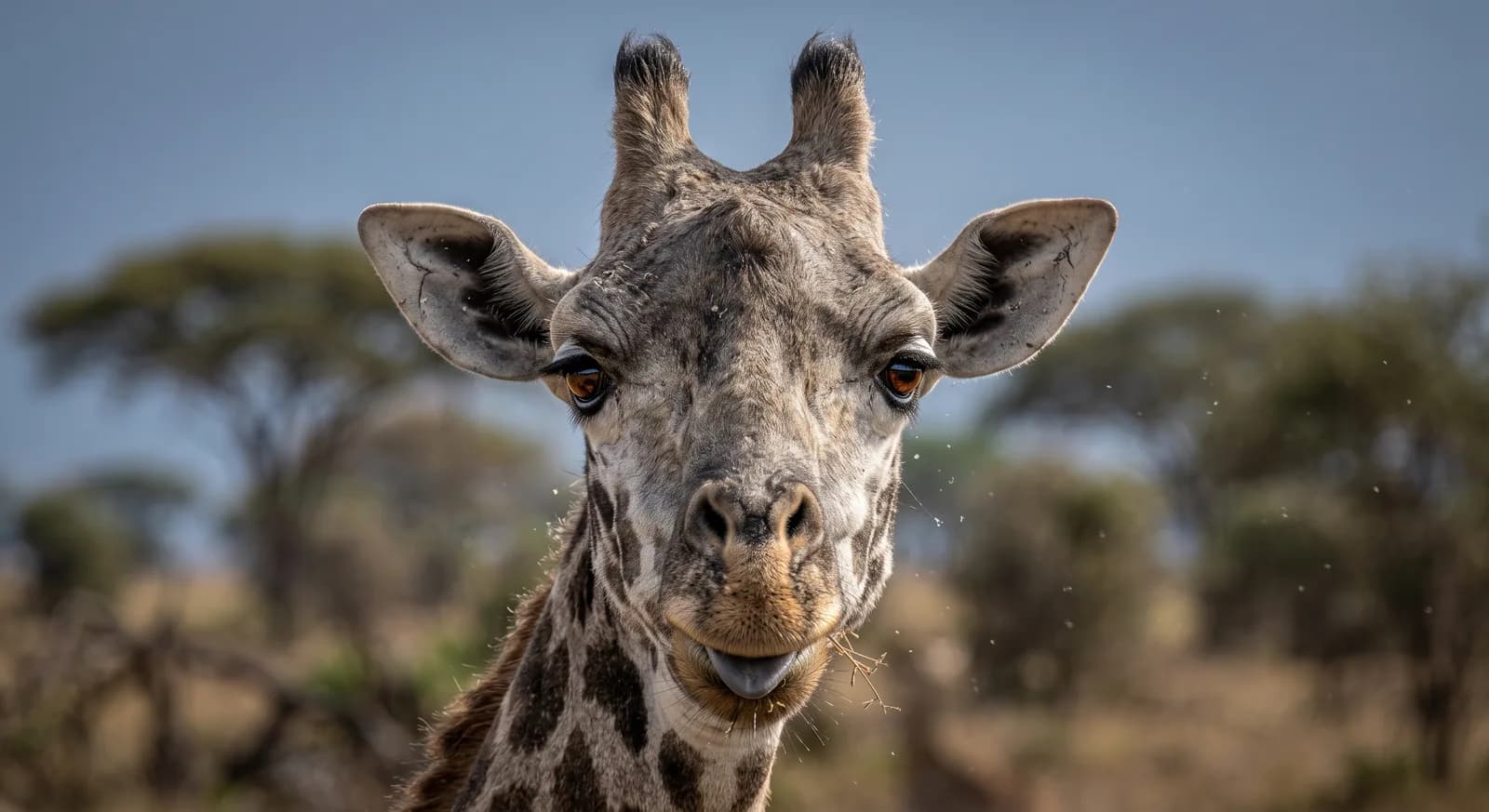
    LionAfrican Savanna ElephantGiraffe
    Land43 threatened
    Ecosystem 09

    Savanna

    Tropical grasslands dotted with scattered trees, with sharply marked dry and rainy seasons. That cycle governs life: the rains concentrate green growth and breeding, while the drought forces wildlife to gather around waterholes or to move in great migrations. This is the habitat of the large herbivore herds and of the predators that follow them.

    230 speciesExplore
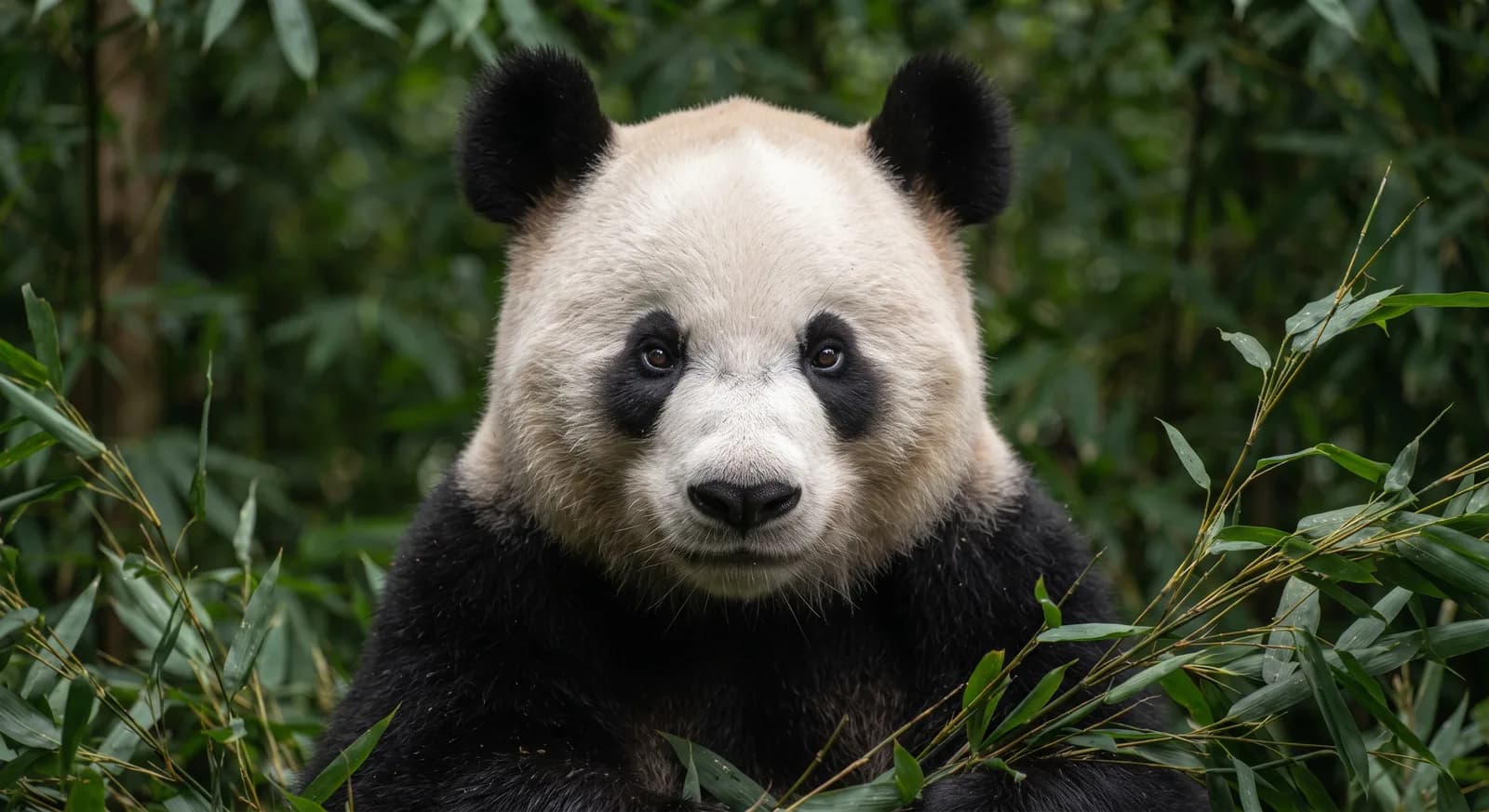
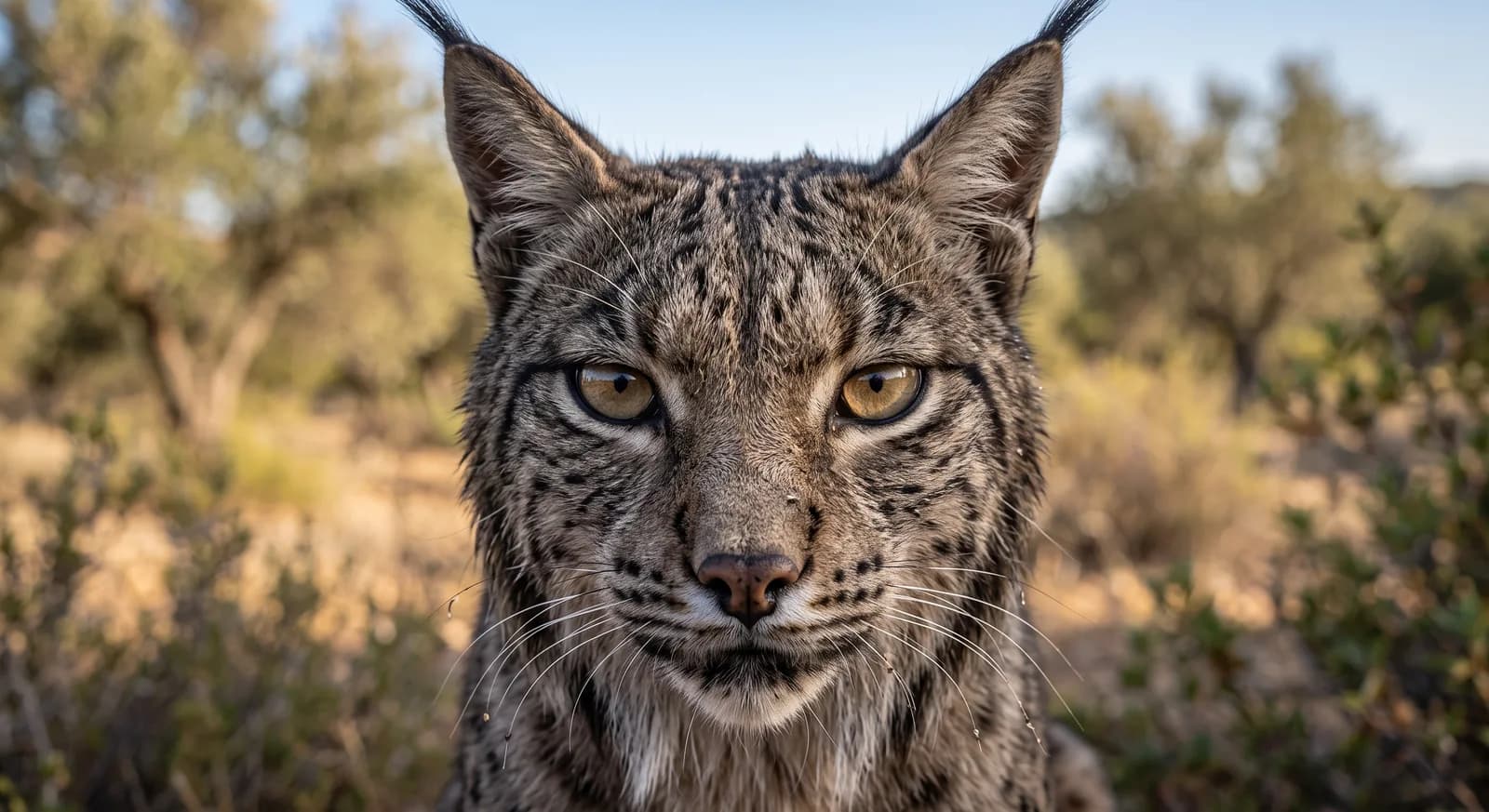
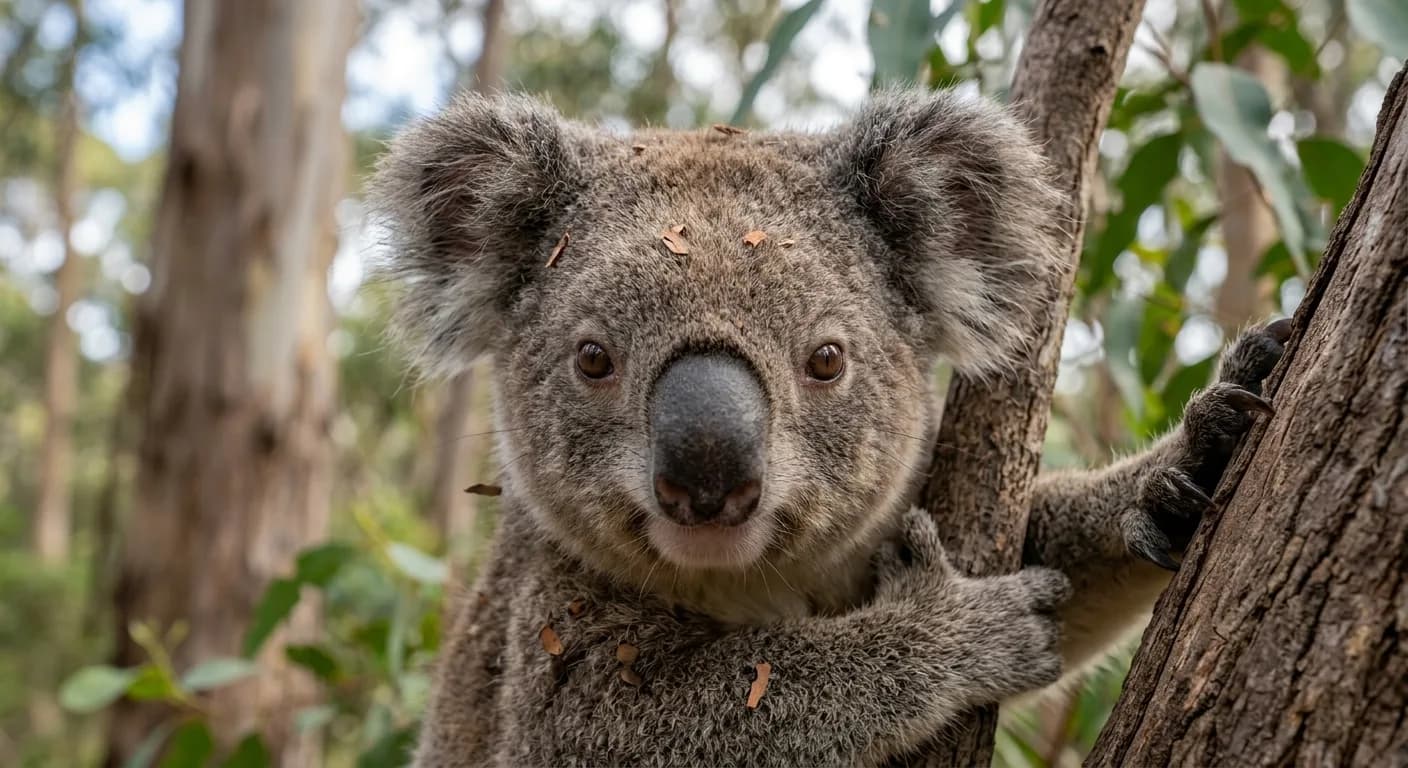
    Giant PandaIberian LynxKoala
    Land80 threatened
    Ecosystem 10

    Temperate forest

    Mid-latitude forests, with four distinct seasons and trees that in many cases drop their leaves in autumn. Seasonality organises everything: food availability varies so much across the year that wildlife responds by migrating, hibernating or building up reserves. The soil, blanketed in leaf litter, supports intense decomposer activity that feeds the rest of the chain.

    598 speciesExplore
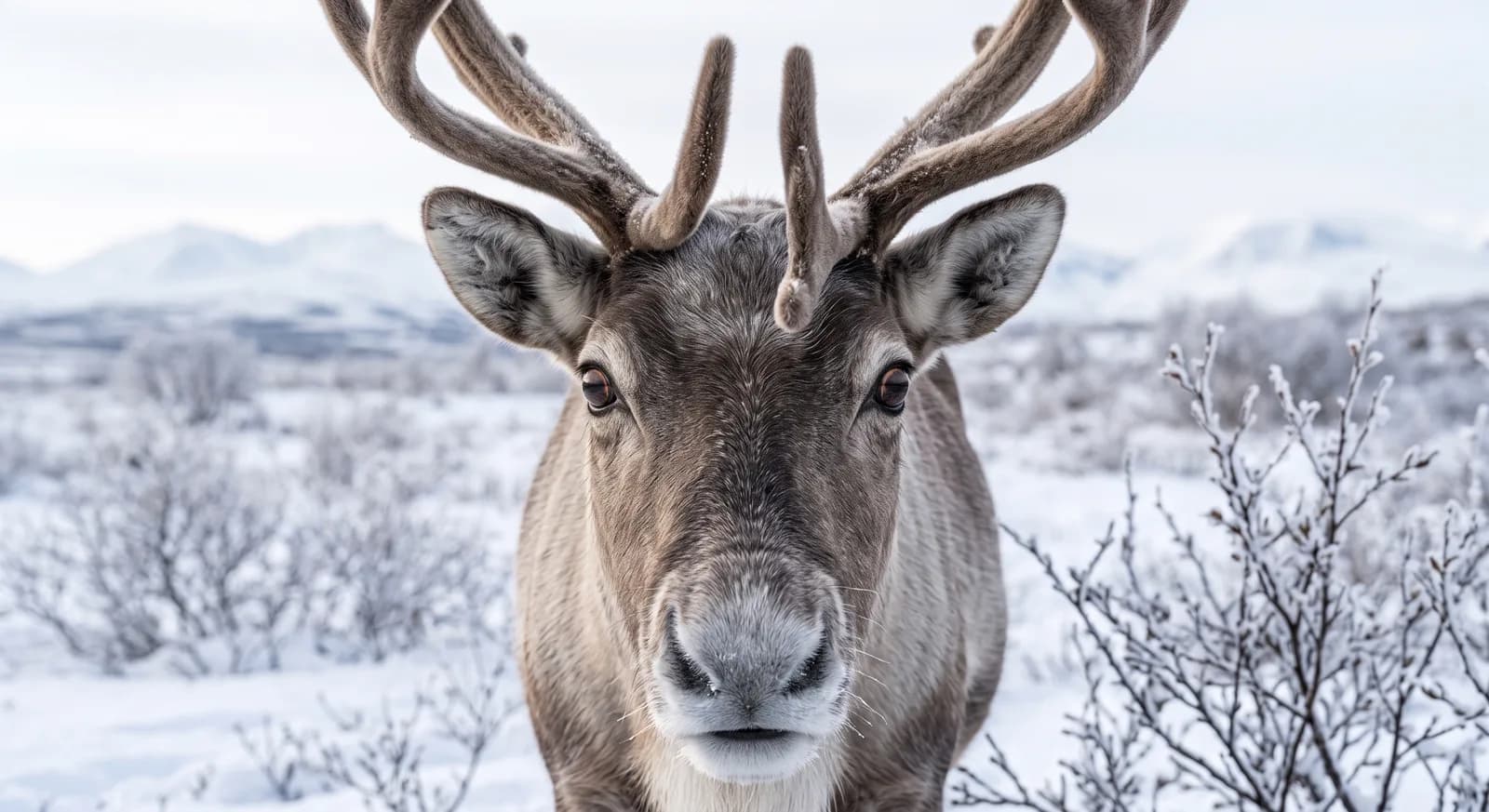
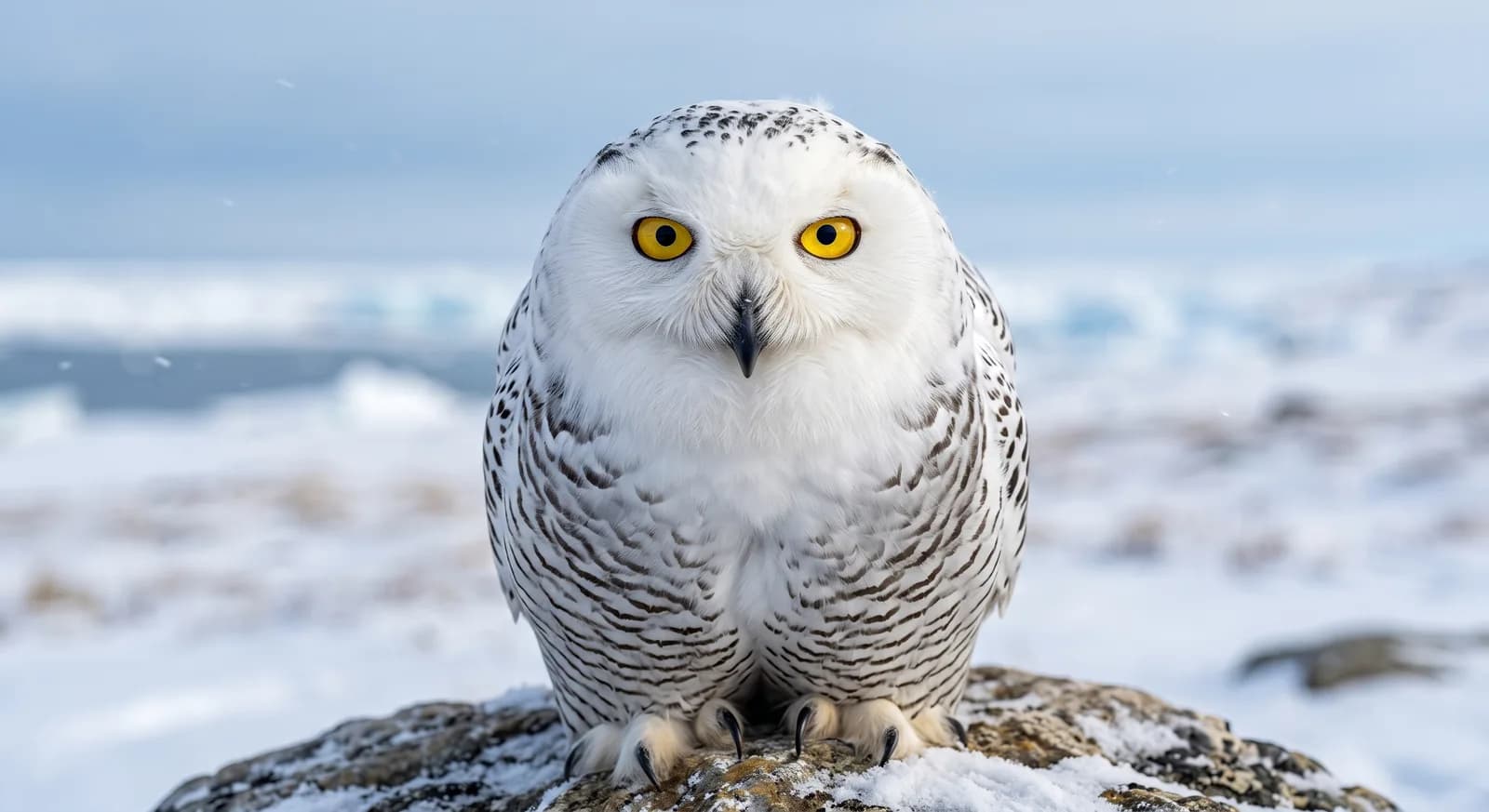
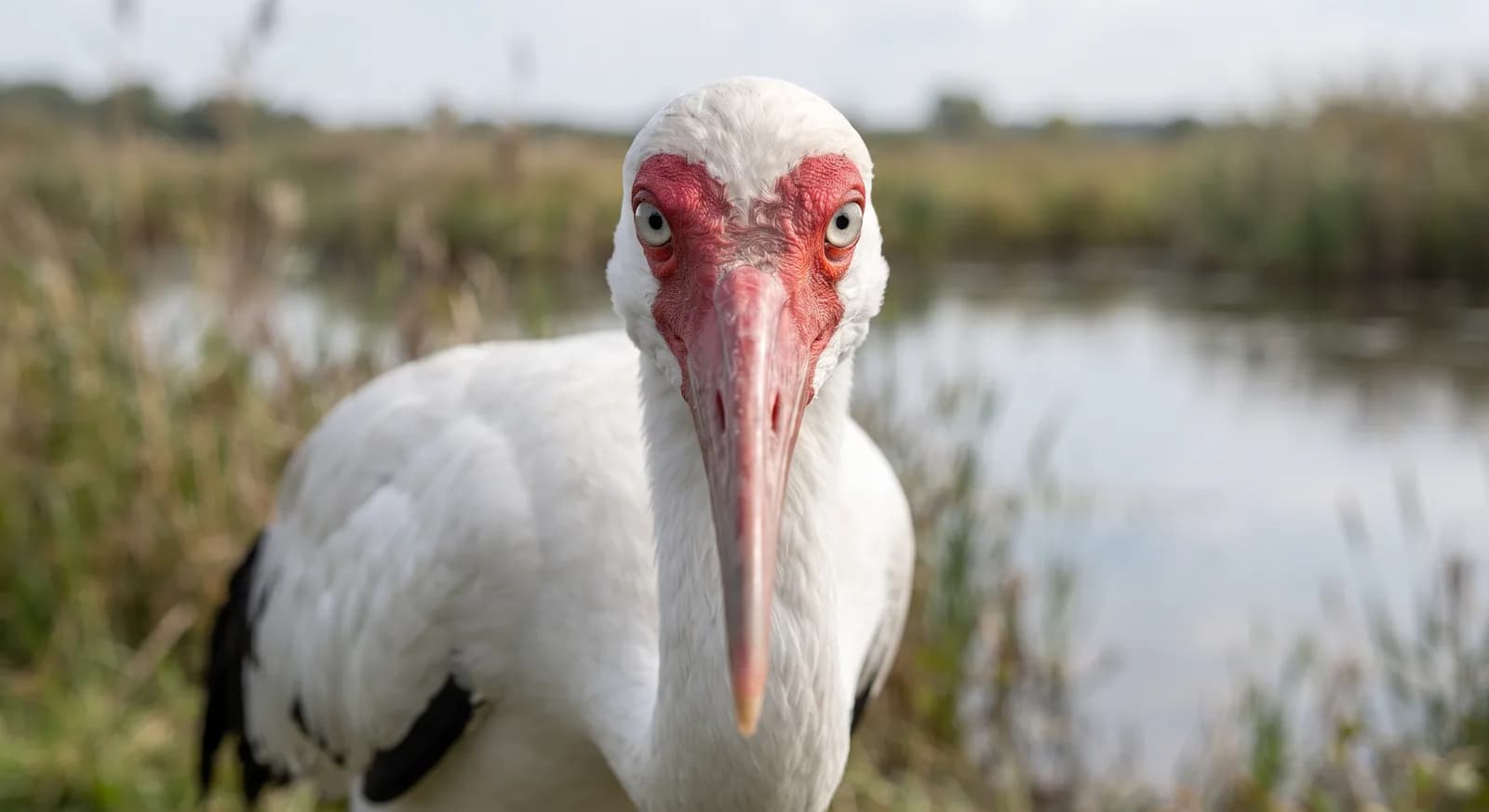
    ReindeerSnowy OwlSiberian Crane
    Land7 threatened
    Ecosystem 11

    Tundra

    Cold treeless plains beyond the tree line, with the subsoil frozen for much of the year. Growth is slow and the vegetation low — mosses, lichens and dwarf shrubs — because the growing season lasts barely a few weeks. Wildlife alternates between a burst of summer activity, with abundant insects and breeding birds, and a winter in which most species migrate or cut their activity to a minimum.

    86 speciesExplore