Skip to content
WAnimals
  • Map
  • Species
  • Parks
  • Diving
Log inCreate account
WAnimals

The guide for travellers and animal lovers: discover, plan and share your wild adventures around the world.

Discover wildlife

  • Species
  • Ecosystems
  • Glossary
  • Tags

Explore places

  • Map
  • Countries
  • Parks
  • Diving

Plan experiences

  • Guides

Learn

  • Blog

Resources

  • Help centre
  • Contact
  • Install the app

Follow us

Account

  • Log in
  • Create account

© 2026 WAnimals. All rights reserved.

About usHow we build our profilesTerms of servicePrivacyLegal notice
MapSpeciesParksDiving
  1. Home
  2. countries
  3. South Korea

South Korea

Asia

145

Documented species

20

Parks and reserves

1

Dive sites

South Korea is a largely mountainous and heavily urbanised country that nonetheless keeps ecosystems of international importance. Its tidal flats on the west and south coasts, the getbol, form one of the largest marsh systems in the world and are an essential stopover on the East Asian-Australasian flyway, along which millions of waders travel between Siberia and Oceania. The volcanic island of Jeju, with Mount Halla, its lava tubes and its cinder cones, is a World Heritage Site and keeps temperate laurel forests. Inland, the Seoraksan and Jirisan parks protect conifer and deciduous forests where the Asiatic black bear has been reintroduced. Suncheon bay, with its reedbeds, hosts hooded cranes each winter.

Nature in South Korea

National animal: The Korean tiger is the national animal; the Korean magpie is the national bird

Did you know?

The South Korean marshes are the filling station for birds such as the spoon-billed sandpiper, a tiny wader with a spatula-shaped bill of which fewer than five hundred pairs are left in the world. During its stopover on the Yellow Sea it can double its body weight in a few weeks feeding on the mud, a fat reserve essential to completing a journey of thousands of kilometres to South-East Asia.

Biodiversity profile

Conservation

The getbol were declared a World Heritage Site in 2021 after decades of land reclamation destroyed much of the marshland. The Asiatic black bear has been reintroduced in Jirisan since 2004 and is breeding in the wild again.

Where and when to watch wildlife

The western marshes in April and May and again in September for migrating waders. Suncheon between November and February for hooded cranes. Jeju in spring for island flora.

Natural phenomena in South Korea

  • Crane wintering on the Cheorwon Plain — November to mid-March

Parks and reserves

World Heritage Site (Natural)

Getbol (Korean tidal flats)

Yellow Sea tidal flats, a decisive stopover on the East Asian-Australasian Flyway.

See park
National Park

Gyeongju

The mountains and valleys around the ancient Silla capital, a national park that protects archaeological heritage above all.

See park
National Park

Hallasan

It protects South Korea's highest peak, an extinct shield volcano with a crater lake at its summit

See park
National Park

Seoraksan National Park

A massif of granite peaks, reckoned the most spectacular in South Korea.

See park
National Park

Bukhansan

A granite massif inside Seoul, reckoned the most visited national park per unit area in the world.

See park
National Park

Byeonsanbando

The only Korean national park that combines inland mountains and coastline on a single peninsula.

See park
National Park

Chiaksan

A forested massif in Gangwon whose name recalls the legend of the pheasant that returned a favour.

See park
National Park

Dadohaehaesang

South Korea's largest national park, an archipelago of more than seventeen hundred islands in the South Sea.

See park
National Park

Deogyusan

A massif in the Sobaek mountains with the Gucheondong valley and the largest inland ski resort in Korea.

See park
National Park

Gayasan

The mountain shaped like a cow's head, home to Haeinsa temple and the 81,000 woodblocks of the Tripitaka Koreana.

See park
National Park

Gyeryongsan

The "dragon and rooster mountain", one of Korea's first national parks and a historic centre of shamanism.

See park
National Park

Hallyeohaesang

Korea's first marine national park, a corridor of islands and bays between Geoje and Yeosu.

See park
National Park

Jirisan

The first national park declared in South Korea, and the country's largest unbroken mountain massif

See park
National Park

Juwangsan

Korea's third-rockiest mountain, with vertical walls, four waterfalls and the reflecting pool of Jusanji.

See park
National Park

Mudeungsan

Gwangju's mountain, a UNESCO Global Geopark crowned by volcanic basalt columns.

See park
National Park

Naejangsan

Korea's autumn destination par excellence, an amphitheatre of mountains closing around a tunnel of maples.

See park
National Park

Odaesan

It holds Woljeongsa temple, founded in the 7th century and one of the most important historic seats of Korean Buddhism

See park
National Park

Songnisan

The "mountain remote from the world" in central Korea, with Beopjusa temple and its thirty-metre Maitreya Buddha.

See park
National Park

Taebaeksan

Korea's "mother mountain", a millennia-old shamanic altar and home to a forest of ancient yews.

See park
National Park

Woraksan

Rocky summits above Lake Chungju, in central Korea, with shrines linked to the Silla kingdom.

See park

Diving and snorkelling

Cold rocky reef

Jeju Island

A volcanic island famous for its traditional haenyeo divers; cool temperate water with unique corals.

See dive site

Similar countries

Where else might I want to travel?

North Korea

Same region: East Asia

Japan

Same region: East Asia

Taiwan

Same region: East Asia

China

Same region: East Asia

Species documented in South Korea

Filter
Class
Family
Habitat
Diet
Conservation

145 species found

Related guides

  • Carnivorous mammals in South Korea4 species

Keep exploring

Based on what we already know about South Korea.

ParkGetbol (Korean tidal flats)DivingJeju Island

Explore on the map

Interactive map

This page in other languages: Español · Deutsch · Français · Português · Italiano
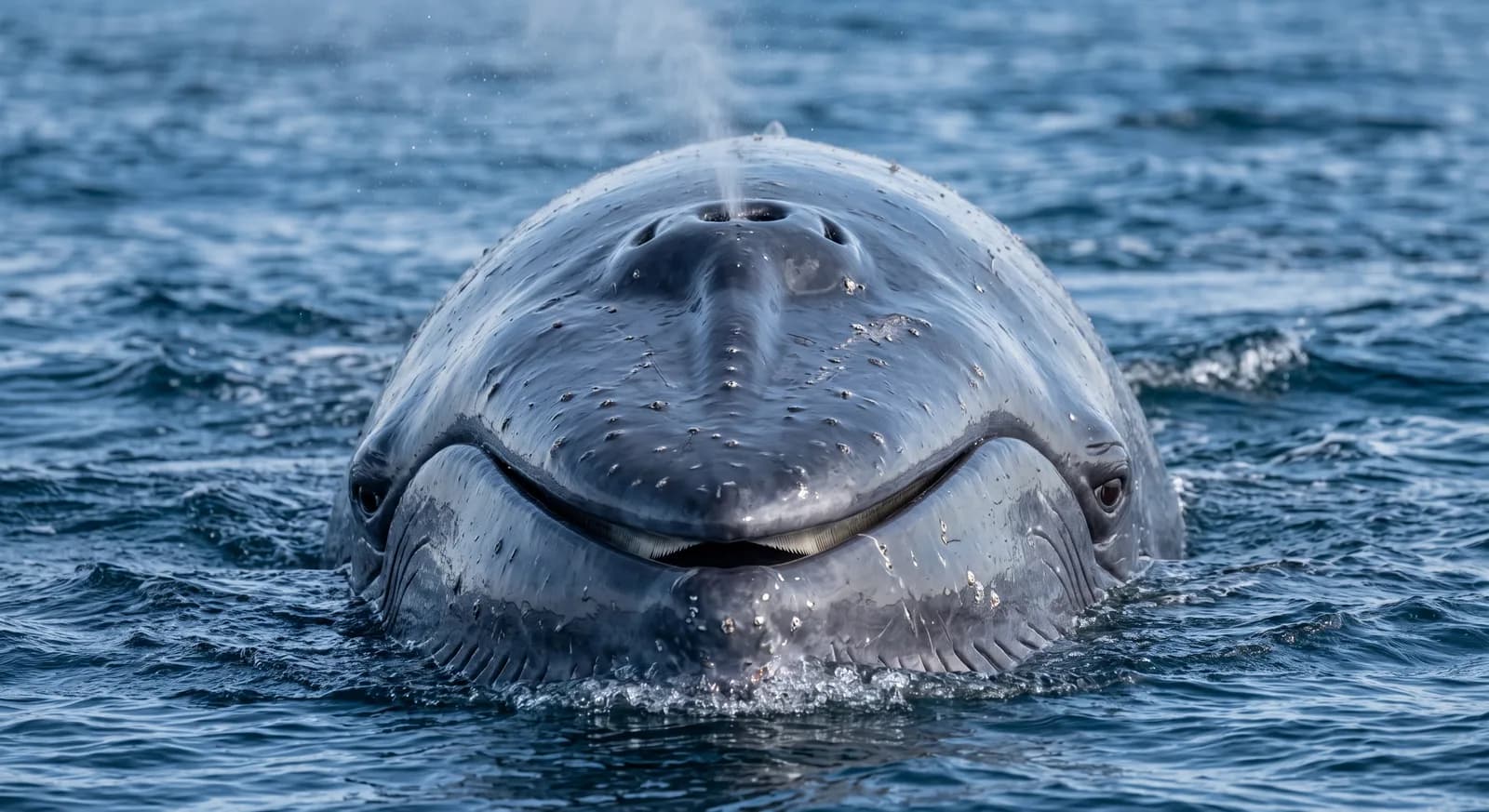
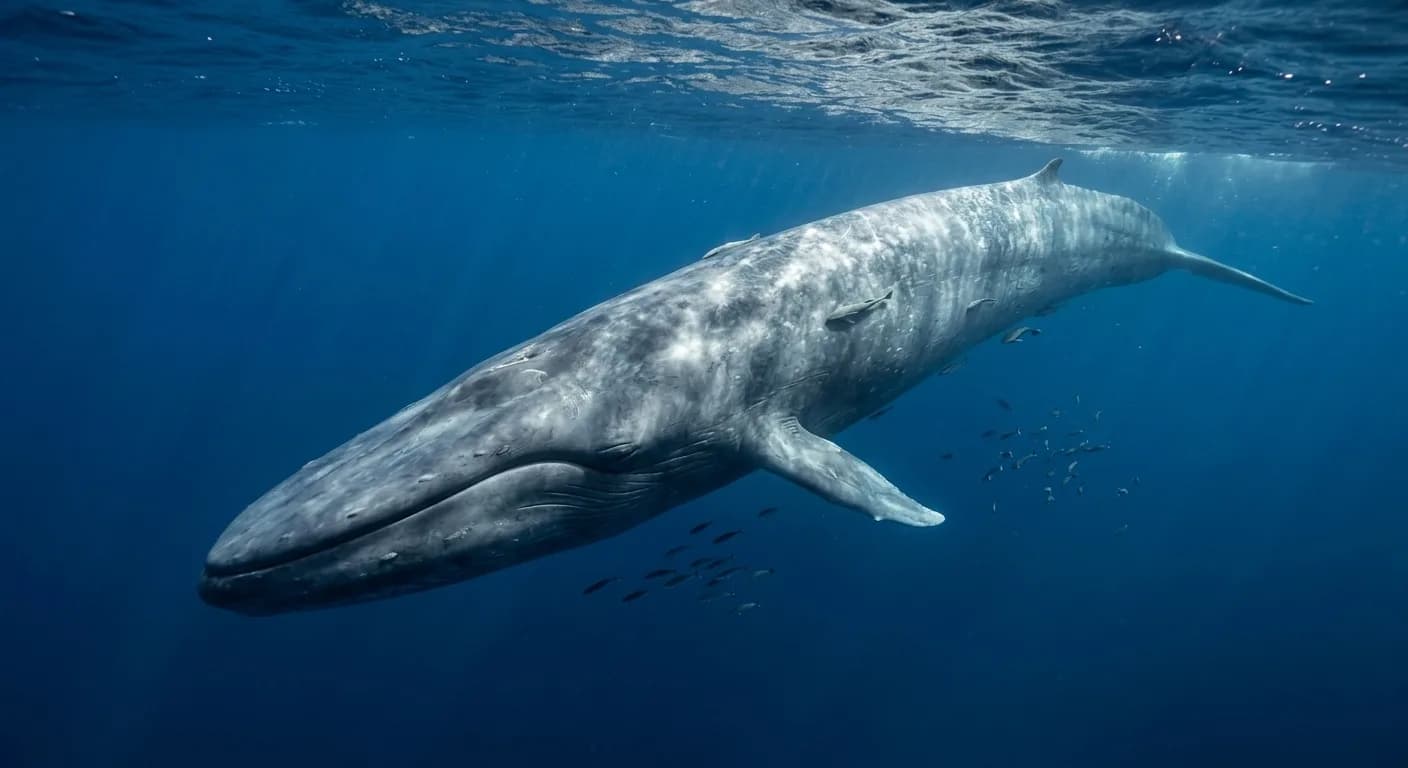
Blue WhaleEndangered

Blue Whale

Balaenoptera musculus

Blakiston's Eagle-owlEndangered

Blakiston's Eagle-owl

Bubo blakistoni

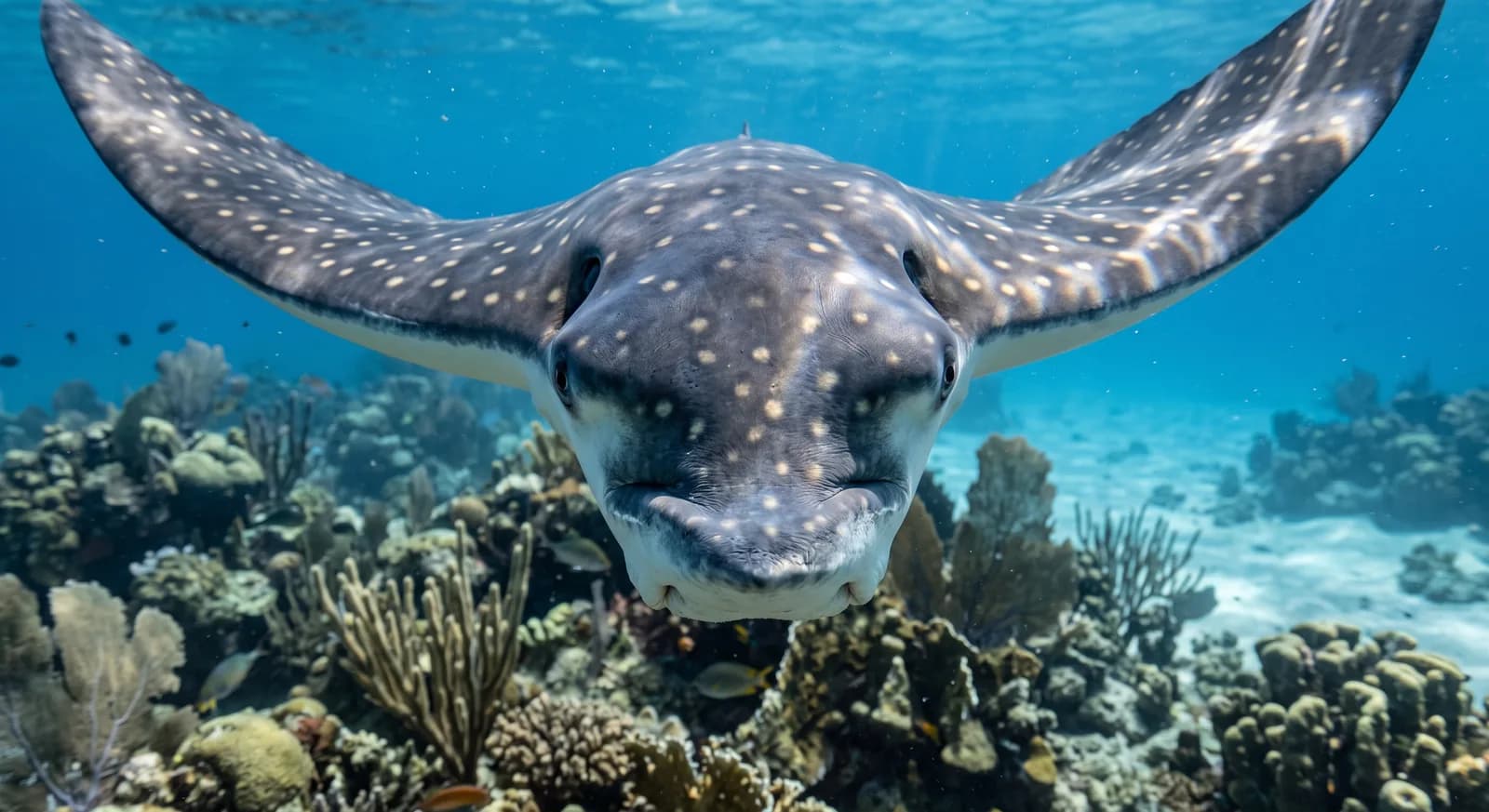
Spotted Eagle RayEndangered

Spotted Eagle Ray

Aetobatus narinari

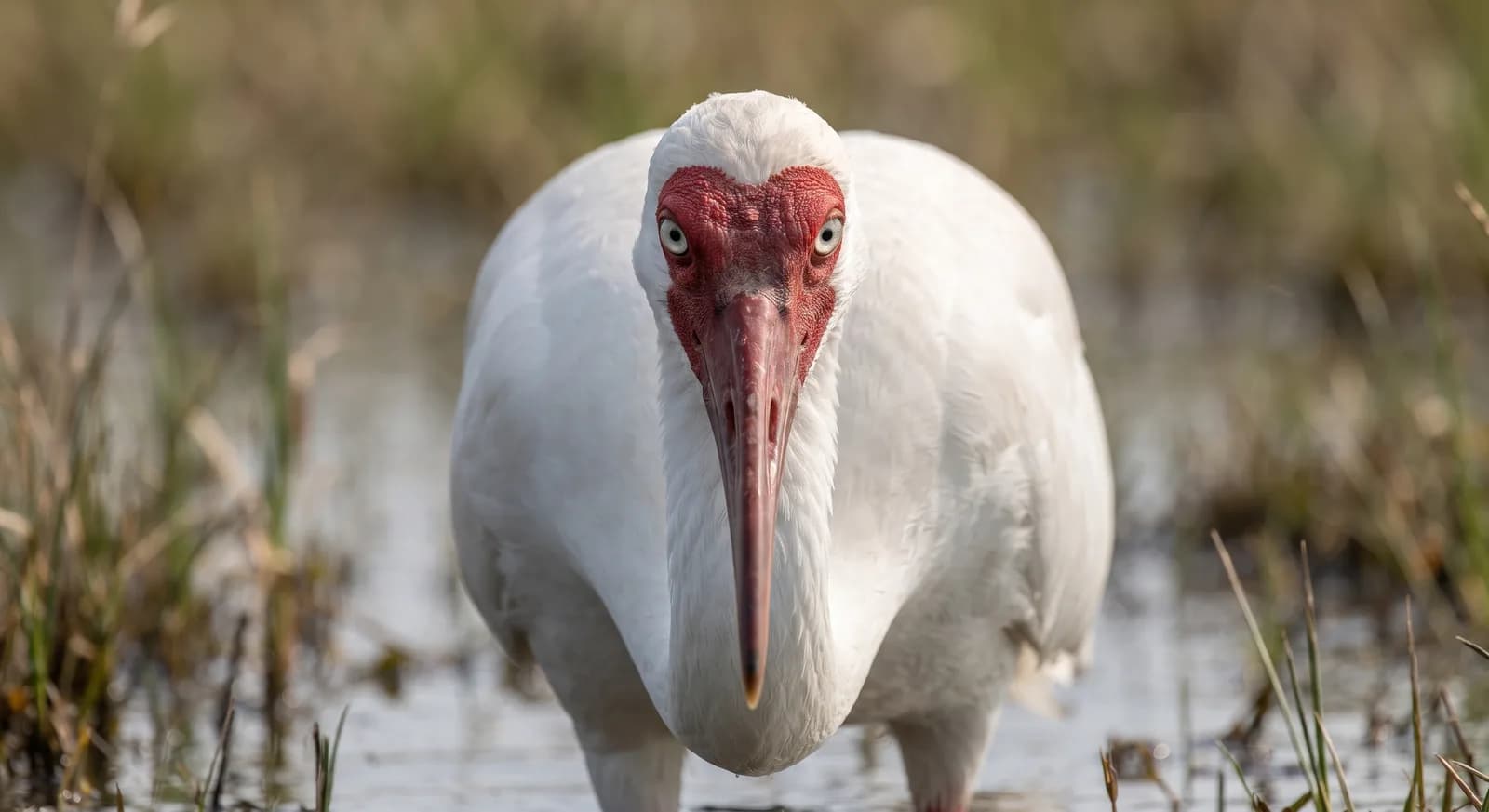
Oriental StorkEndangered

Oriental Stork

Ciconia boyciana

Sei WhaleEndangered

Sei Whale

Balaenoptera borealis

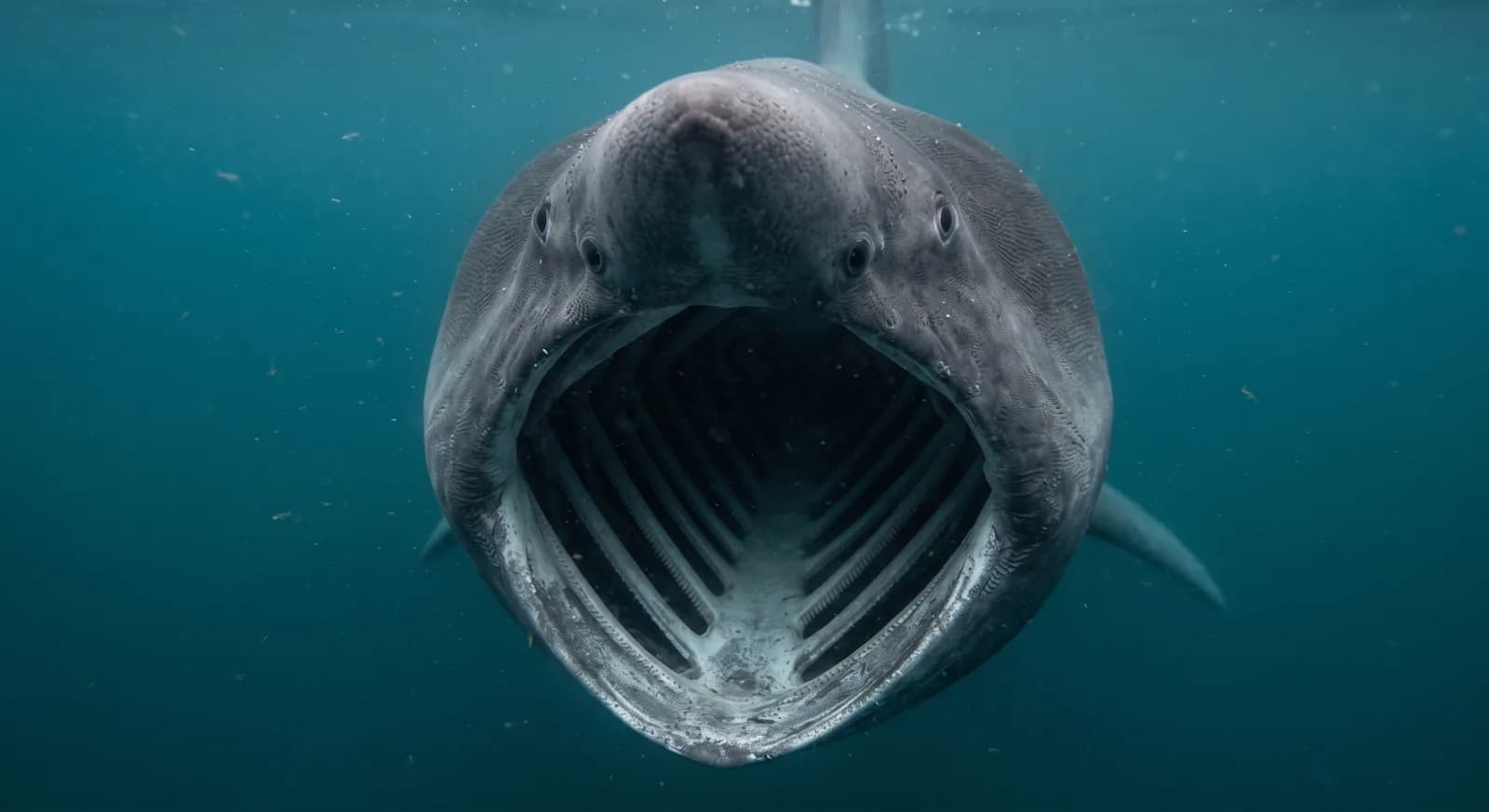
Basking SharkEndangered

Basking Shark

Cetorhinus maximus

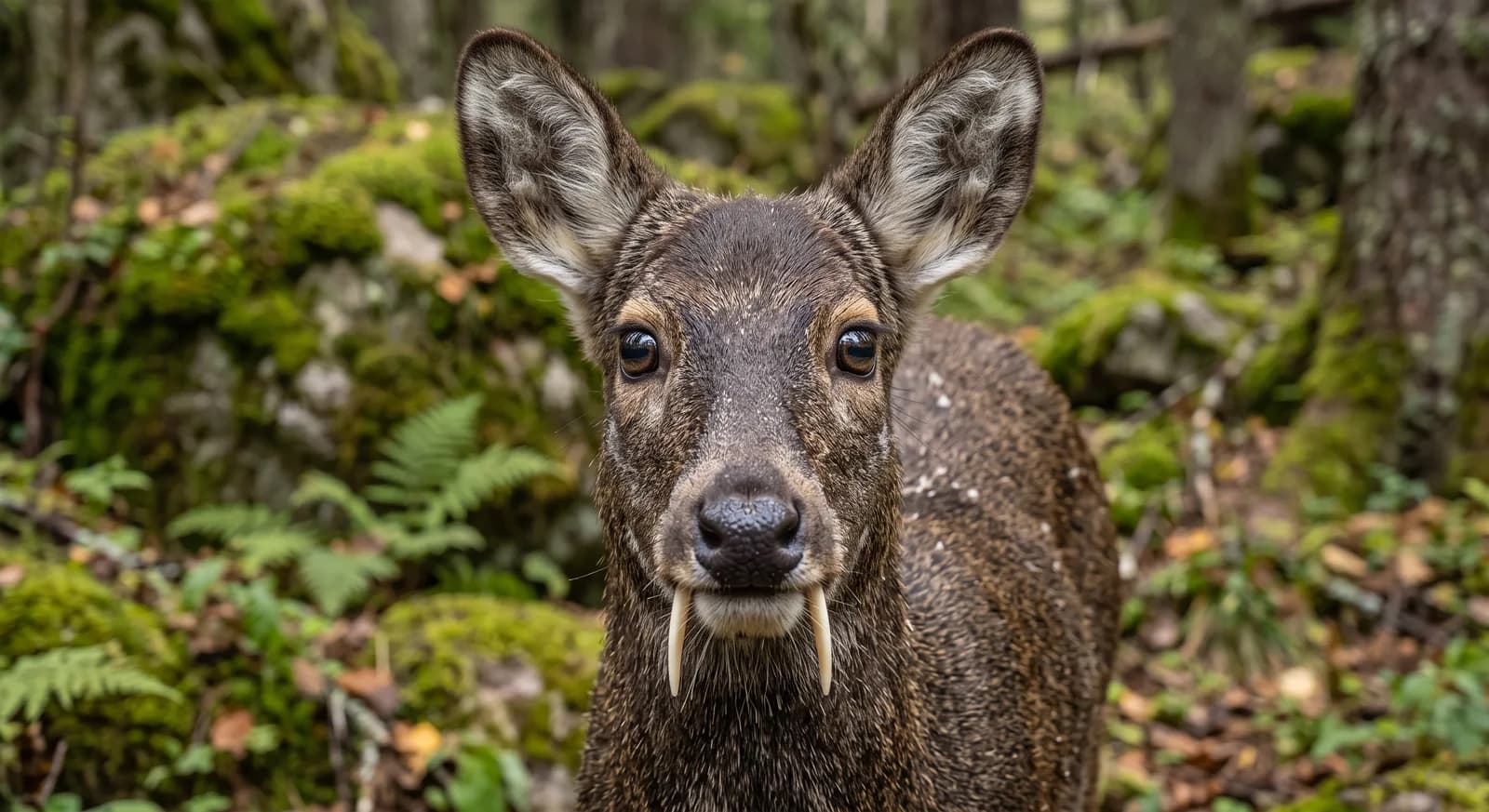
Siberian Musk DeerVulnerable

Siberian Musk Deer

Moschus moschiferus

Long-tailed GoralVulnerable

Long-tailed Goral

Naemorhedus caudatus

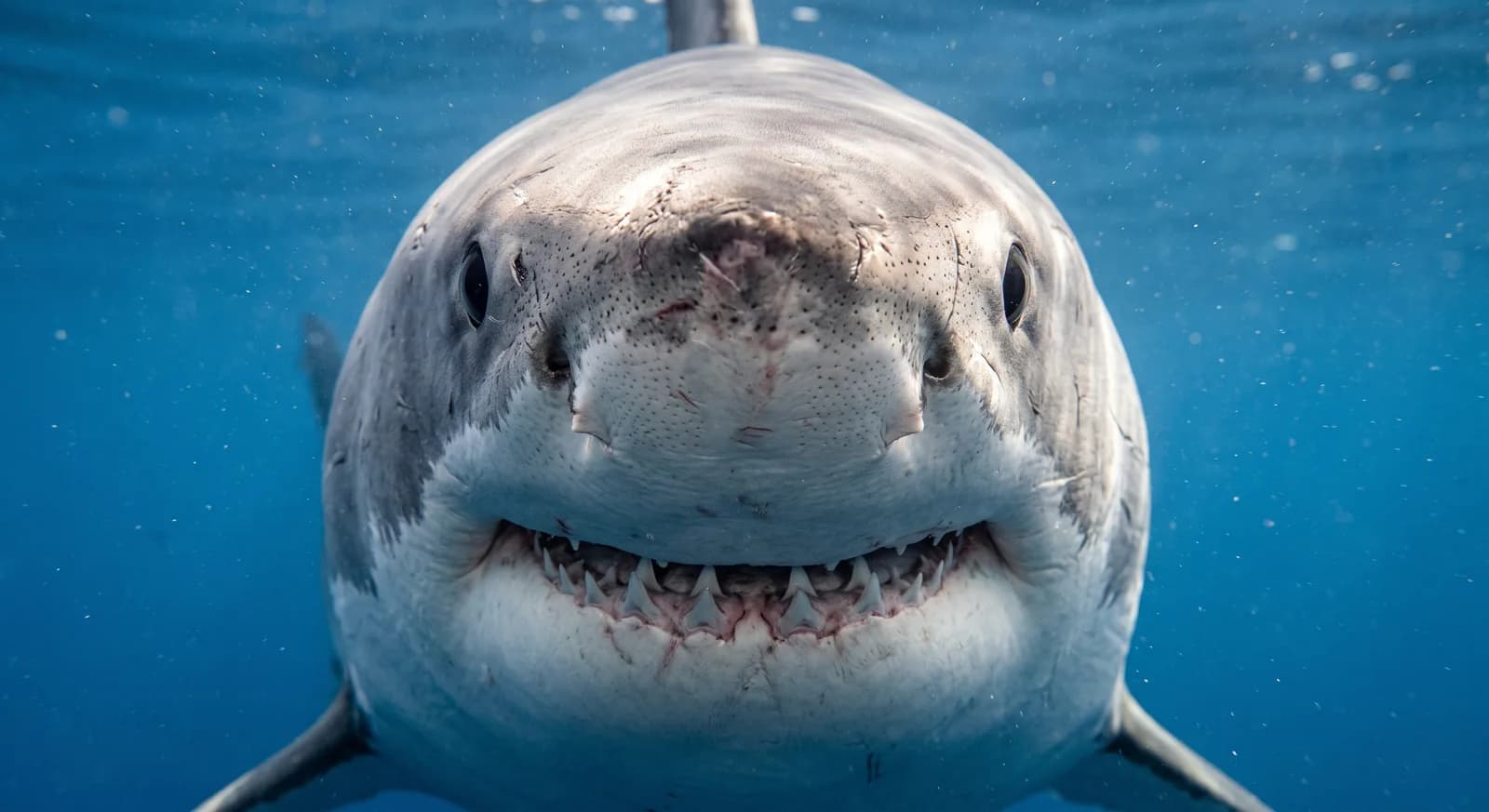
Great White SharkVulnerable

Great White Shark

Carcharodon carcharias

Red-crowned CraneVulnerable

Red-crowned Crane

Grus japonensis

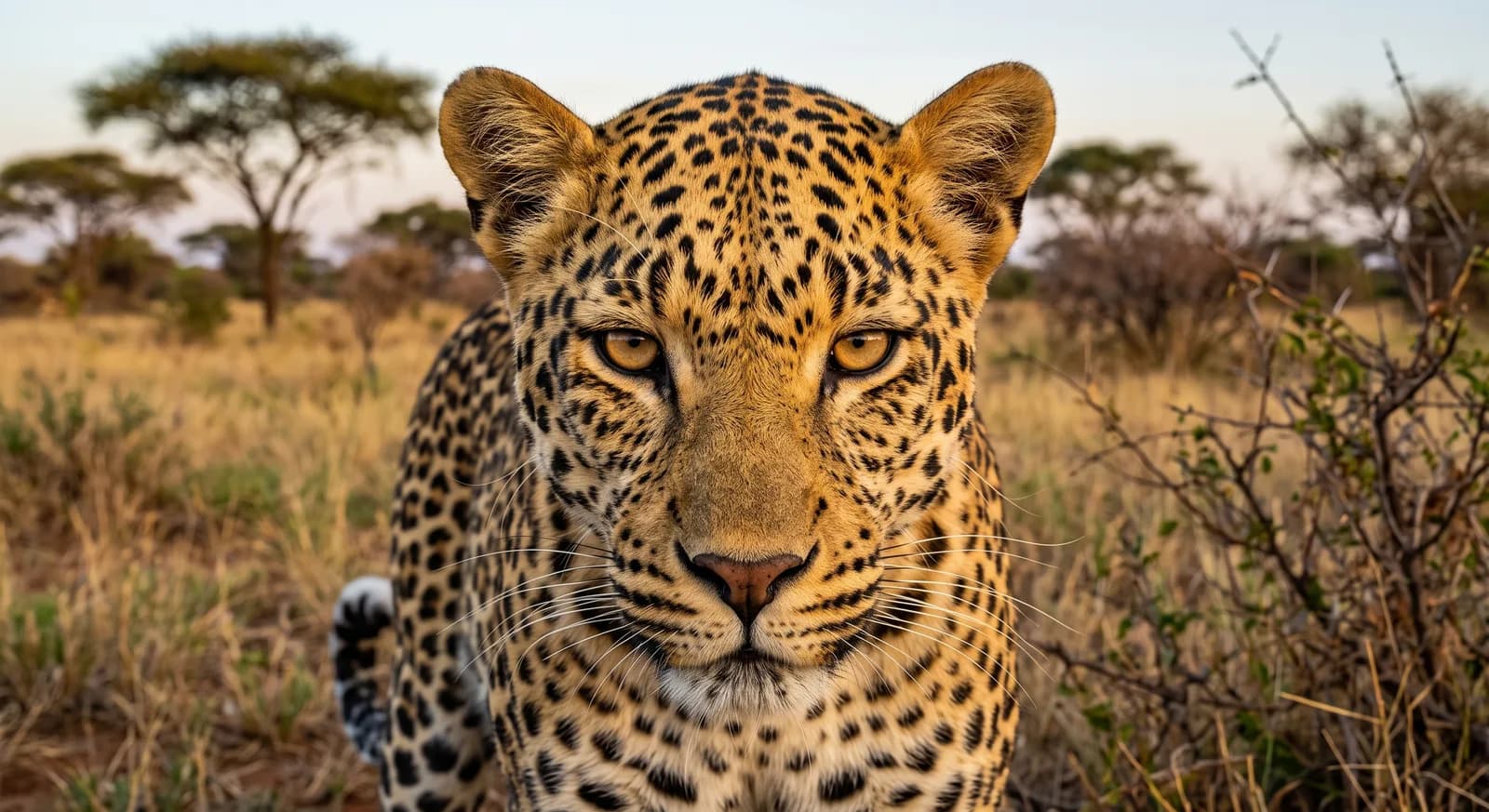
LeopardVulnerable

Leopard

Panthera pardus

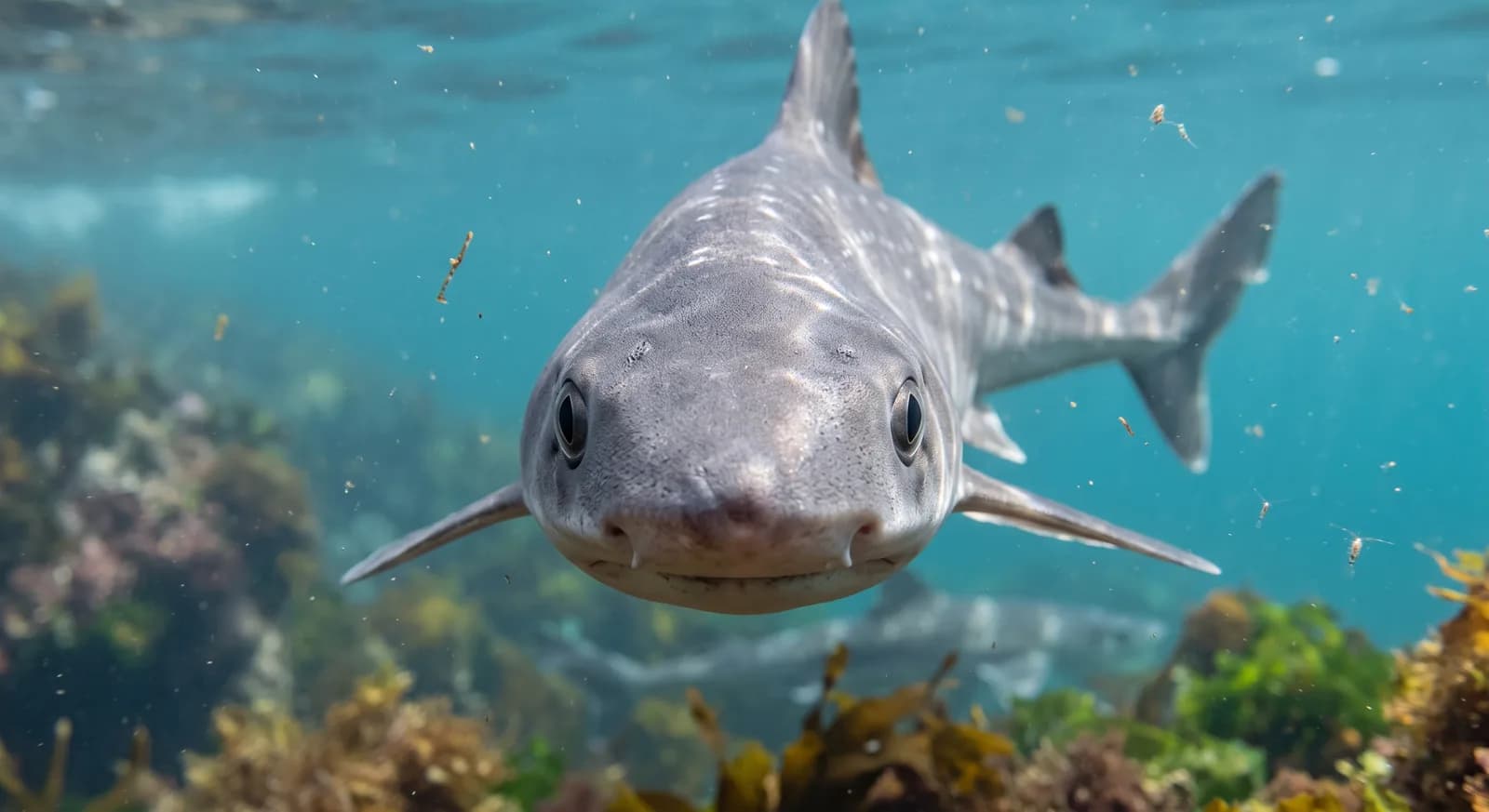
SpurdogVulnerable

Spurdog

Squalus acanthias

Page 1 of 13
Temperate forest
Mountain
Freshwater