Endangered
Blue Whale
Balaenoptera musculus
Asia
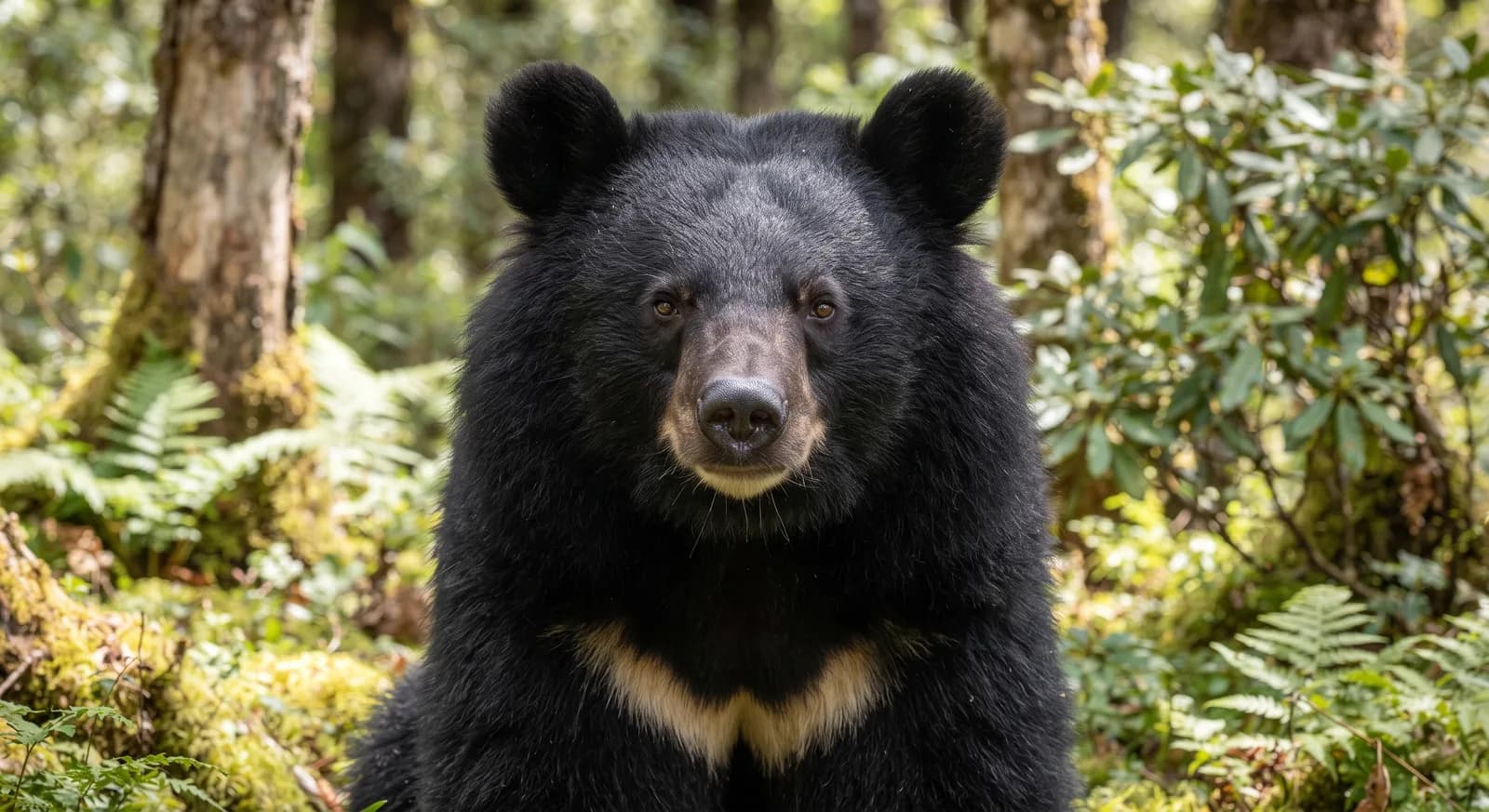
North Korea is mountainous across close to eighty per cent of its surface, with wooded ranges descending towards narrow coastal plains. On the border with China rises Mount Paektu, a volcano with an enormous crater lake of freezing water, ringed by boreal forest where Asiatic black bears, gorals and lynx survive. The east coast is steep and deep, while the western one, on the Yellow Sea, has tidal flats that form part of the most important wader migration corridor on the planet. The wetlands of Rason, in the far northeast, host spotted seals and wintering waterbirds. Deforestation for firewood and hillside cultivation has caused severe erosion across much of the country.
National animal: The northern goshawk is the national bird; the Siberian tiger is the emblematic animal of Korean tradition
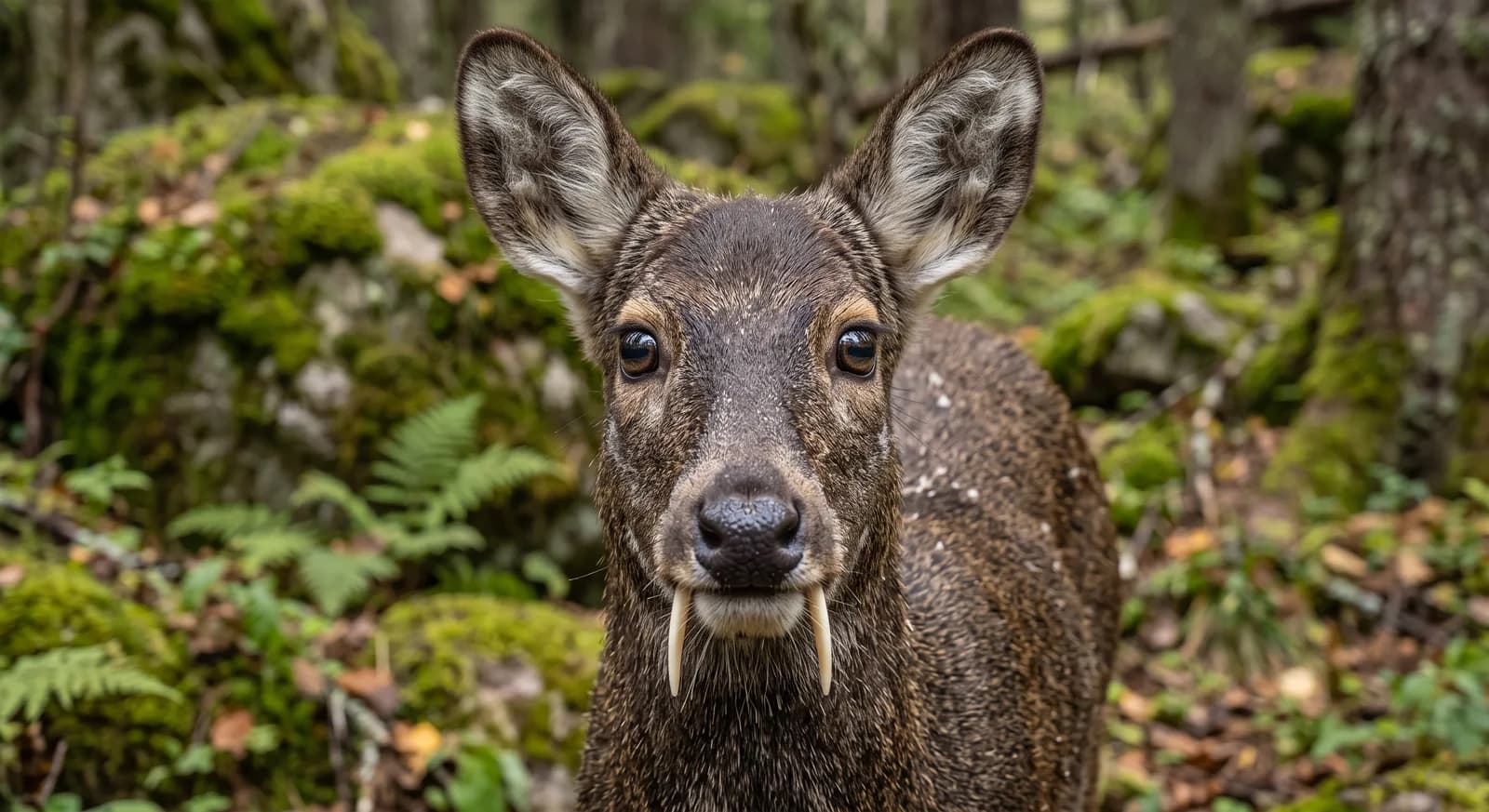
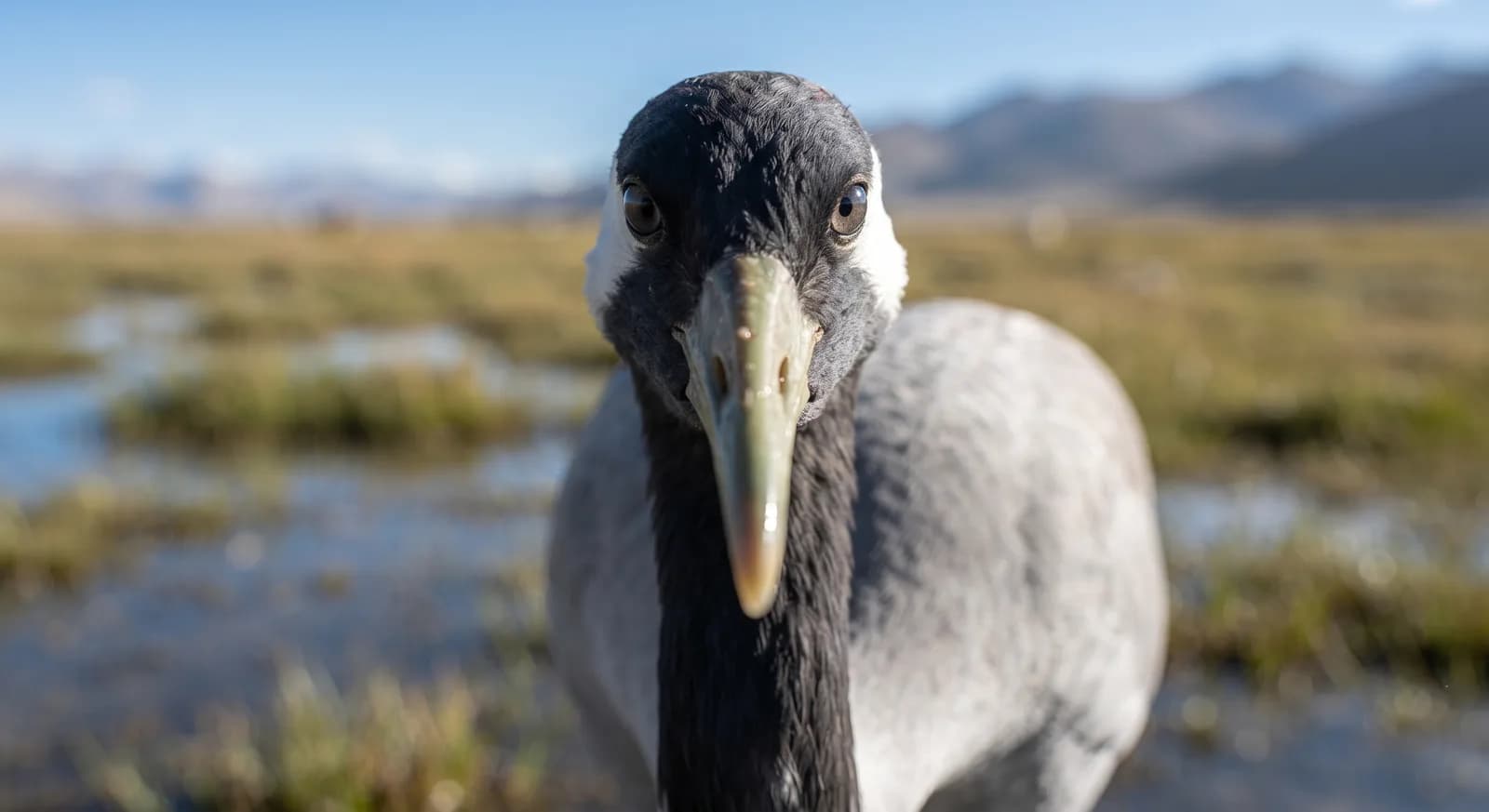
The demilitarised zone that separates the two Koreas is a strip some two hundred and fifty kilometres long, mined, fenced and closed to human beings since 1953. Seven decades with no farming, hunting or building have turned it into an unintended nature reserve: red-crowned cranes and white-naped cranes winter there, gorals and musk deer live there, and signs have been gathered of the presence of large carnivores gone from the rest of the peninsula.
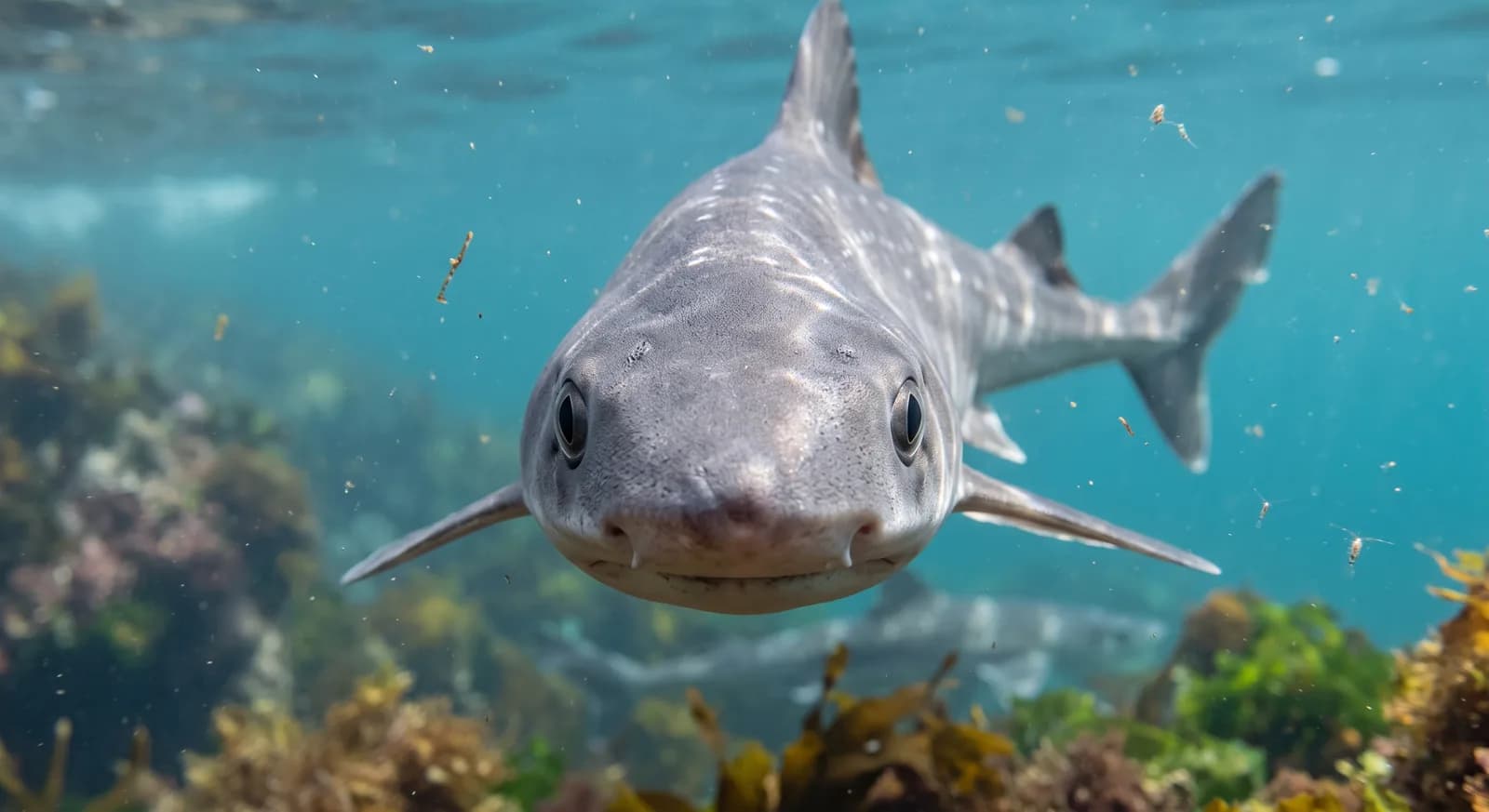
The Yellow Sea tidal flats are a critical stopover for waders travelling between Siberia and Australia, and their loss to land reclamation on both sides of the sea is one of the greatest threats to migratory birds in the world.
Rason in winter for spotted seals and waterbirds. Mount Paektu in summer for boreal flora and fauna. The western tidal flats in spring and autumn for the wader passage.
Where else might I want to travel?
Same region: East Asia
Same region: East Asia
Same region: East Asia
Same region: East Asia
105 species found
Based on what we already know about North Korea.