Skip to content
WAnimals
  • Map
  • Species
  • Parks
  • Diving
Log inCreate account
WAnimals

The guide for travellers and animal lovers: discover, plan and share your wild adventures around the world.

Discover wildlife

  • Species
  • Ecosystems
  • Glossary
  • Tags

Explore places

  • Map
  • Countries
  • Parks
  • Diving

Plan experiences

  • Guides

Learn

  • Blog

Resources

  • Help centre
  • Contact
  • Install the app

Follow us

Account

  • Log in
  • Create account

© 2026 WAnimals. All rights reserved.

About usHow we build our profilesTerms of servicePrivacyLegal notice
MapSpeciesParksDiving
  1. Home
  2. countries
  3. Japan

Japan

Asia

Capital: TokyoMarch to May

323

Documented species

27

Parks and reserves

7

Dive sites

Japan extends over three thousand kilometres of latitude, from the drift ice that reaches the coasts of Hokkaido every winter to the subtropical coral reefs of Okinawa, which gives it a diversity of climates and species far greater than its area would suggest. It is a mountainous, volcanic country, two thirds covered by forest, with an island fauna full of unique forms. The Shiretoko peninsula, in the northeast, is a World Heritage Site thanks to the food chain that begins with sea ice and culminates in brown bears, Steller's sea eagles and salmon. In the south, the island of Yakushima keeps thousand-year-old cedars in a temperate rainforest, and the Ryukyu Islands hold relict mammals such as the Amami rabbit and the Iriomote cat.

Nature in Japan

National animal: The green pheasant, the country's national bird

Did you know?

The Japanese macaque is the non-human primate that lives furthest north on the planet and endures winters with metres of snow. In the Jigokudani valley, one group learned to get into the hot springs to fight the cold: the habit began in the 1960s when a female copied human bathers, and it spread from one individual to another until it became a cultural tradition of the group that has been kept up generation after generation.

Biodiversity profile

Conservation

The Japanese red-crowned crane was down to twenty or so birds at Kushiro in 1924 and recovered thanks to winter feeding by local farmers. The crested ibis became extinct in Japan and has been reintroduced with birds brought from China.

Where and when to watch wildlife

Jigokudani in winter for macaques in the hot springs. Kushiro between December and February for the cranes' dance. Shiretoko in February for drift ice and Steller's sea eagles.

Natural phenomena in Japan

  • Red-crowned crane courtship dance in Hokkaido — December to March (dance most visible in late winter)
  • Cherry blossom (sakura) in Japan — Late March to early April (varies by region)
  • Snow monkeys in the Jigokudani hot springs — December to March

Parks and reserves

National Park

Yakushima

Forests of Japanese cedar (yakusugi) up to 7,000 years old, among the oldest living trees on the planet

See park
National Park

Amami Gunto

Subtropical islands between Kyushu and Okinawa, a refuge for the Amami rabbit and for a unique island laurel forest.

See park
National Park

Fuji-Hakone-Izu

Japan's most visited national park; it takes in Mount Fuji, the country's spiritual symbol

See park
National Park / World Heritage Site

Ogasawara Islands

Nicknamed the Galápagos of the Orient; reachable only after 24 hours by ferry, with no airport, which has preserved an exceptional endemism

See park
National Park

Nikko

It holds the mausoleum of Tokugawa Ieyasu, founder of the shogunate that would rule Japan for over 250 years

See park
National Park

Ogasawara

The "Galápagos of the East": oceanic islands a thousand kilometres from Tokyo, where more than 90% of the land snails are endemic.

See park
World Heritage Site (Natural)

Shirakami-Sanchi

The largest virgin beech forest left in East Asia, a roadless territory in the mountains of northern Honshu.

See park
National Park

Shiretoko

One of the highest densities of Hokkaido brown bear in the world; its Ainu name means "the end of the earth"

See park
National Park

Yambaru

Subtropical forest in northern Okinawa, the sole home of the Okinawa rail and the Okinawa woodpecker.

See park
National Park

Yoshino-Kumano

Mountains and coast of the Kii peninsula, crossed by the Kumano Kodo pilgrimage routes.

See park
National Park

Hakusan

One of Japan's three sacred mountains, a volcano of 2,702 m and a biosphere reserve since 1980.

See park
National Park

Joshinetsu Kogen

Volcanic uplands between Nagano and Gunma, with the hot spring macaques and the most acidic lake in the world.

See park
National Park

Kushiro Wetland

Japan's largest wetland; it saved the Japanese red-crowned crane from an extinction believed complete in 1924

See park
National Park

Akan-Mashu

Three caldera lakes in eastern Hokkaido, with marimo algal balls and the heartland of Ainu culture.

See park
National Park

Aso-Kuju

The Aso caldera, one of the largest in the world, with an active crater and grasslands maintained by centuries of burning.

See park
National Park

Bandai-Asahi

One of Japan's largest national parks, with Mount Bandai, the Goshiki-numa ponds and the sacred Dewa mountains.

See park
National Park

Chichibu-Tama-Kai

Forested mountains and gorges on the doorstep of Tokyo, at the headwaters of the Tama and Arakawa rivers.

See park
National Park

Chubu-Sangaku

The Northern Japanese Alps: the Hida massif, with Kamikochi, Mount Yari and the Tateyama-Kurobe alpine route.

See park
National Park

Daisetsuzan

Japan's largest national park; its Ainu name means "the dwelling place of the gods"

See park
National Park

Ise-Shima

The ria coast of the Shima peninsula around the Ise shrine, with pearl farming and ama divers.

See park
National Park

Kirishima-Kinkowan

One of Japan's first three national parks, with the Kirishima volcanic field and the bay of Sakurajima.

See park
National Park

Kushiroshitsugen

Japan's largest marsh and its first Ramsar site, a refuge for the red-crowned crane once thought extinct.

See park
National Park

Oze

Japan's largest mountain bog, protected after a long battle against a hydroelectric scheme.

See park
National Park

Rishiri-Rebun-Sarobetsu

Two islands and a coastal bog at the northern tip of Hokkaido, with an alpine flora that comes down to sea level.

See park
National Park

Sanriku Fukko

A park created after the 2011 tsunami to accompany reconstruction, along 250 km of the Tōhoku coast.

See park
National Park

Setonaikai

The Seto Inland Sea, an archipelago of hundreds of islands between three of Japan's main islands.

See park
National Park

Towada-Hachimantai

The caldera lake of Towada and the Oirase gorge, beside the Hachimantai volcanic plateau in northern Honshu.

See park

Diving and snorkelling

Pelagic/Reef

Ogasawara Islands

Thirty islands covering some 8,000 hectares that were never joined to a continent. That isolation produced evolutionary processes of their own, which are the reason for the inscription. The water is exceptionally clear.

See dive site
Cleaning station

Ishigaki (Manta Scramble)

One of the most reliable manta ray cleaning stations in Asia, within the Yaeyama archipelago.

See dive site
Coral reef

Kerama Islands

A marine national park with some of the clearest water in Japan, known as "Kerama blue".

See dive site
Cave/Reef

Miyako Island

An island known for its underwater limestone caves and exceptional visibility even by Japanese standards.

See dive site
Muck diving/Cave

Osezaki

One of the finest macro photography diving destinations in Japan, reachable from Tokyo and famous among local divers.

See dive site
Temperate reef/Muck

Sagami Bay

A deep bay near Tokyo with a notable diversity of rare species thanks to its closeness to the Sagami Trough.

See dive site
Rock formation/Pelagic

Yonaguni Monument

A rock formation of some 100 by 60 m and about 25 m high, with terraces, vertical walls and right angles unusual on the seabed. It was discovered in 1986 by Kihachiro Aratake, of the Yonaguni tourism association, while he was looking for a good spot to watch hammerhead sharks.

See dive site

Similar countries

Where else might I want to travel?

China

Same region: East Asia

North Korea

Same region: East Asia

South Korea

Same region: East Asia

Taiwan

Same region: East Asia

Species documented in Japan

Filter
Class
Family
Habitat
Diet
Conservation

323 species found

Related guides

  • Threatened mammals of Japan11 species
  • Fish in Japan5 species
  • Birds in Japan4 species
  • Carnivorous mammals in Japan4 species

Keep exploring

Based on what we already know about Japan.
ParkYakushimaDivingOgasawara Islands

Explore on the map

Interactive map

This page in other languages: Español · Deutsch · Français · Português · Italiano
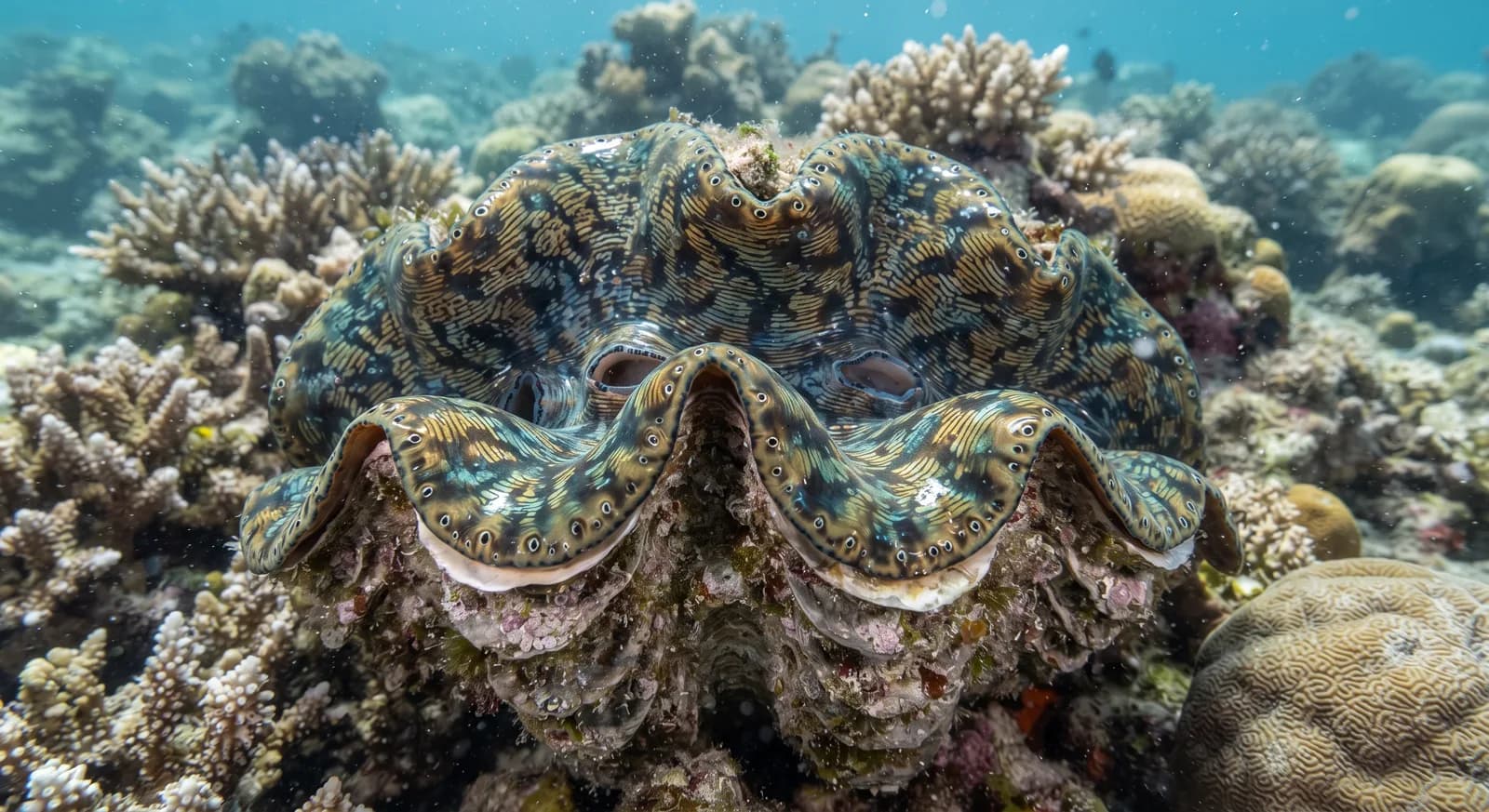
Giant ClamCritically Endangered

Giant Clam

Tridacna gigas

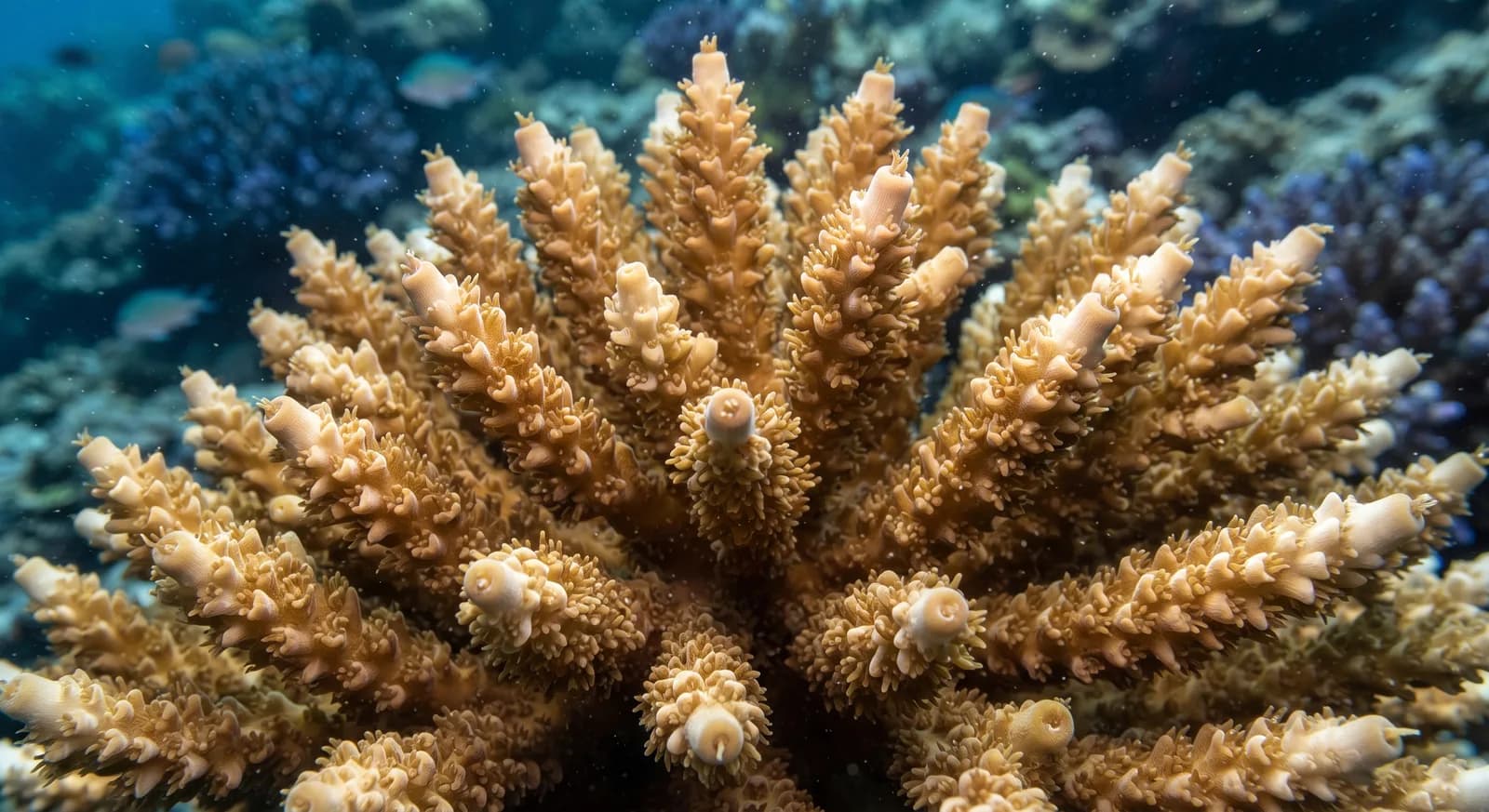
Staghorn CoralCritically Endangered

Staghorn Coral

Acropora cervicornis

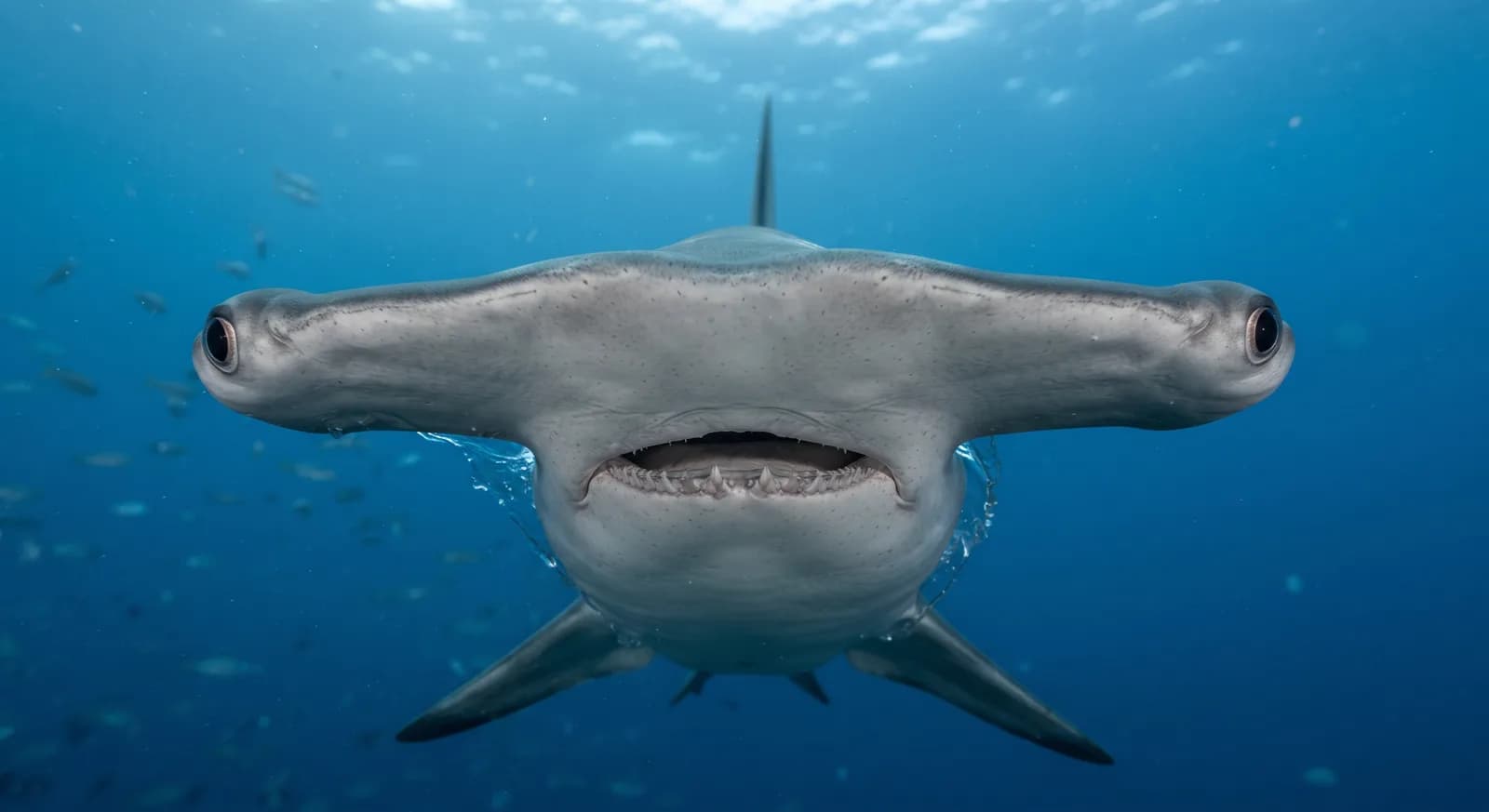
Great HammerheadCritically Endangered

Great Hammerhead

Sphyrna mokarran

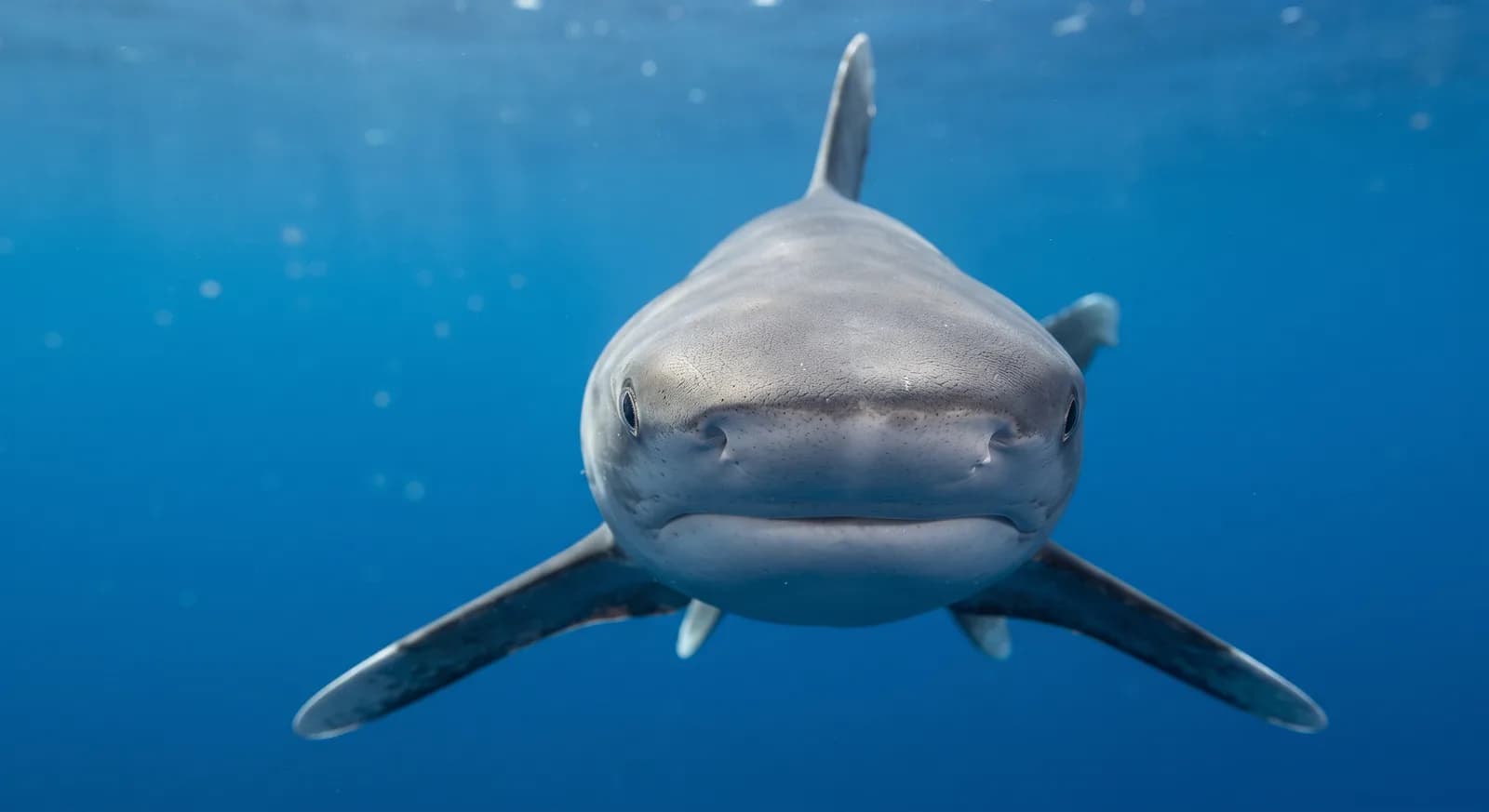
Oceanic Whitetip SharkCritically Endangered

Oceanic Whitetip Shark

Carcharhinus longimanus

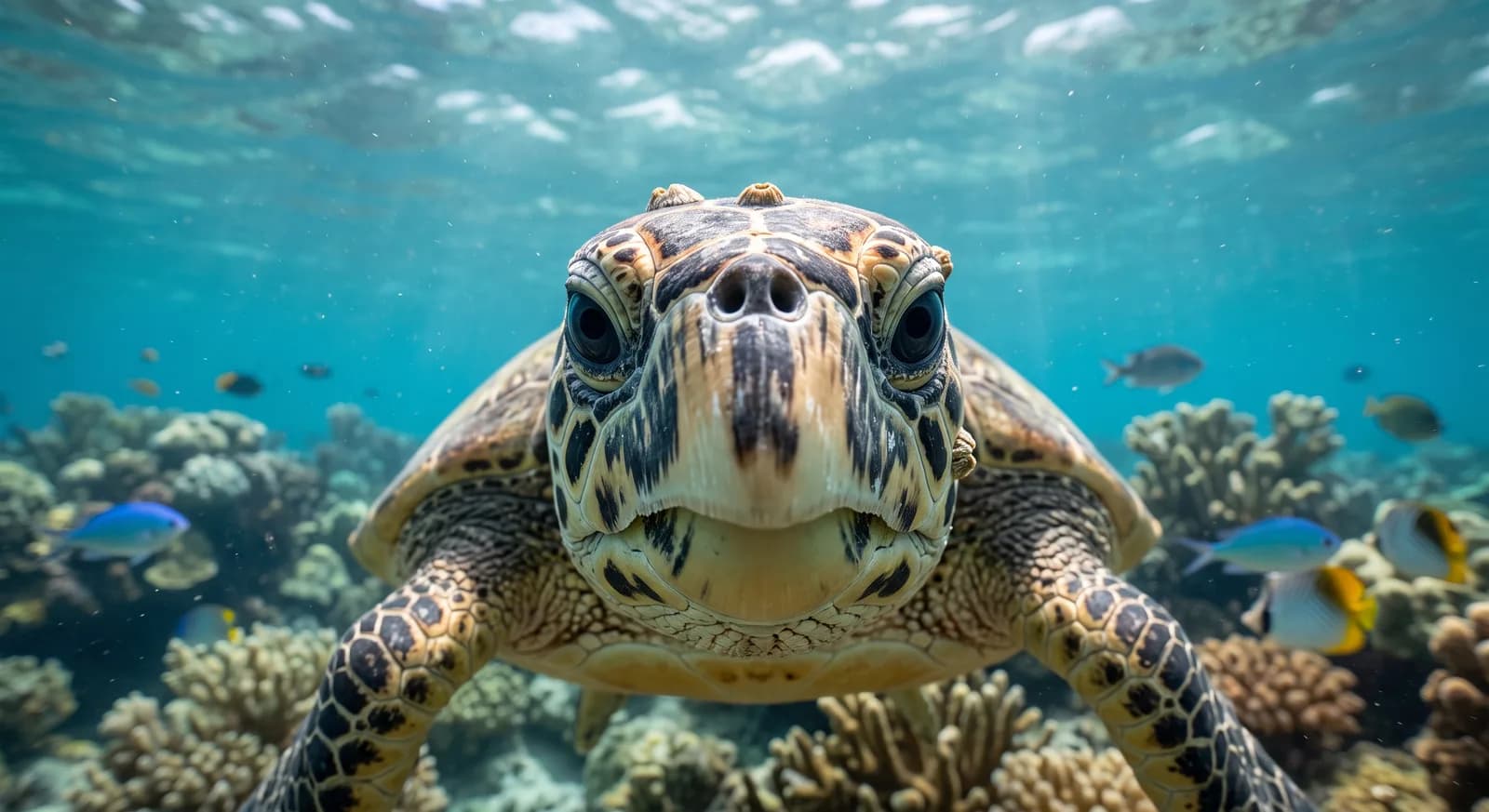
Hawksbill TurtleCritically Endangered

Hawksbill Turtle

Eretmochelys imbricata

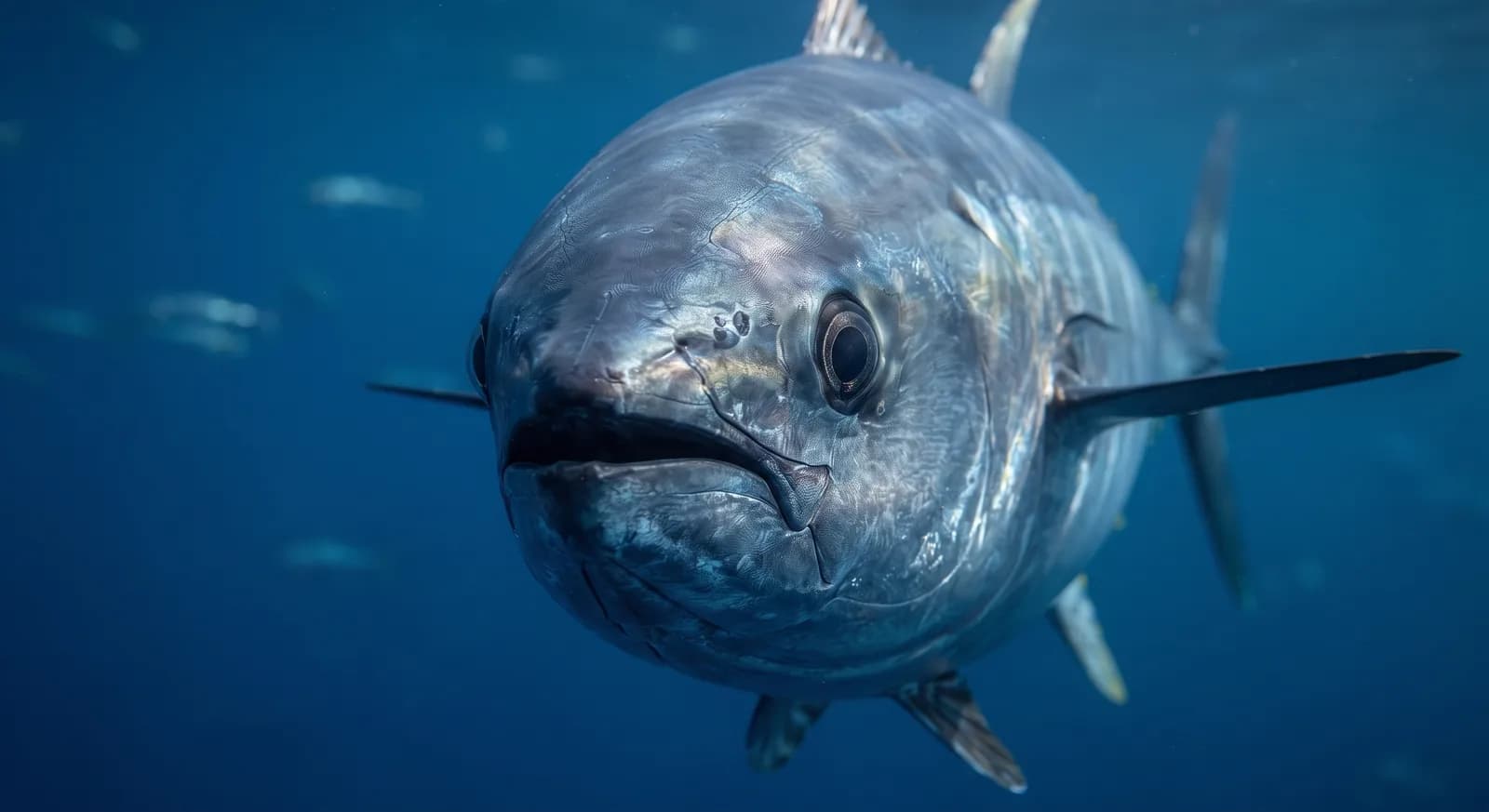
Atlantic Bluefin TunaEndangered

Atlantic Bluefin Tuna

Thunnus thynnus

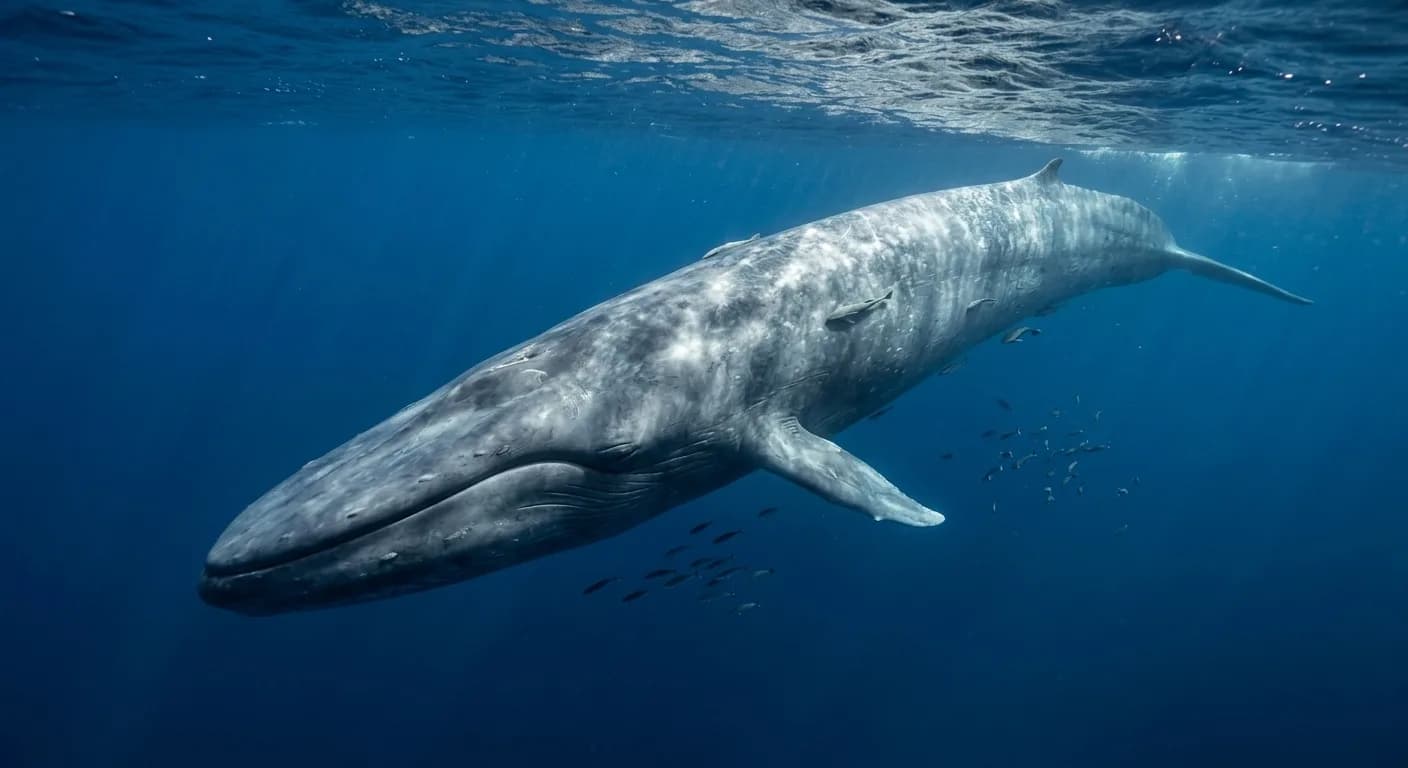
Blue WhaleEndangered

Blue Whale

Balaenoptera musculus

Blakiston's Eagle-owlEndangered

Blakiston's Eagle-owl

Bubo blakistoni

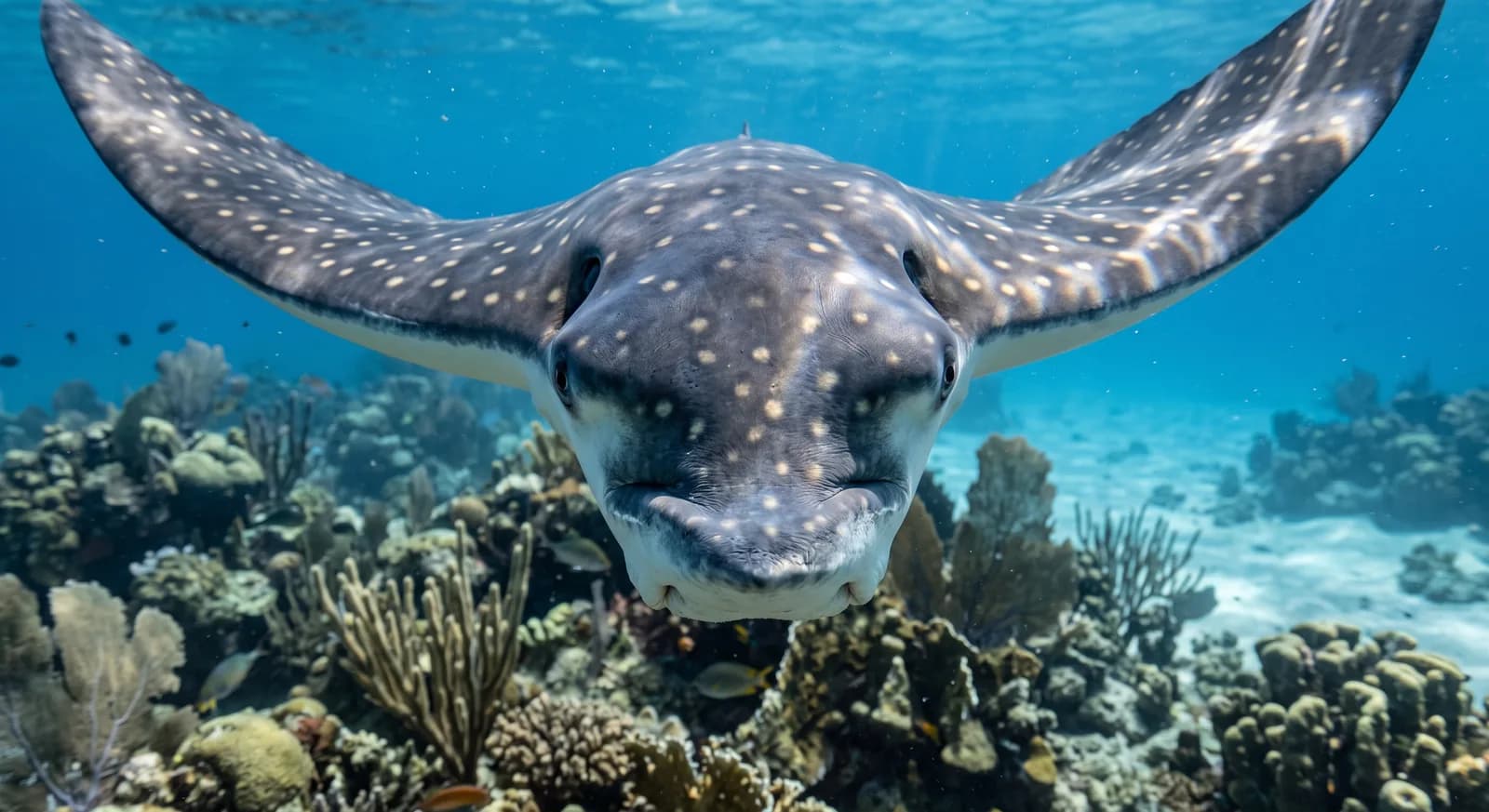
Spotted Eagle RayEndangered

Spotted Eagle Ray

Aetobatus narinari

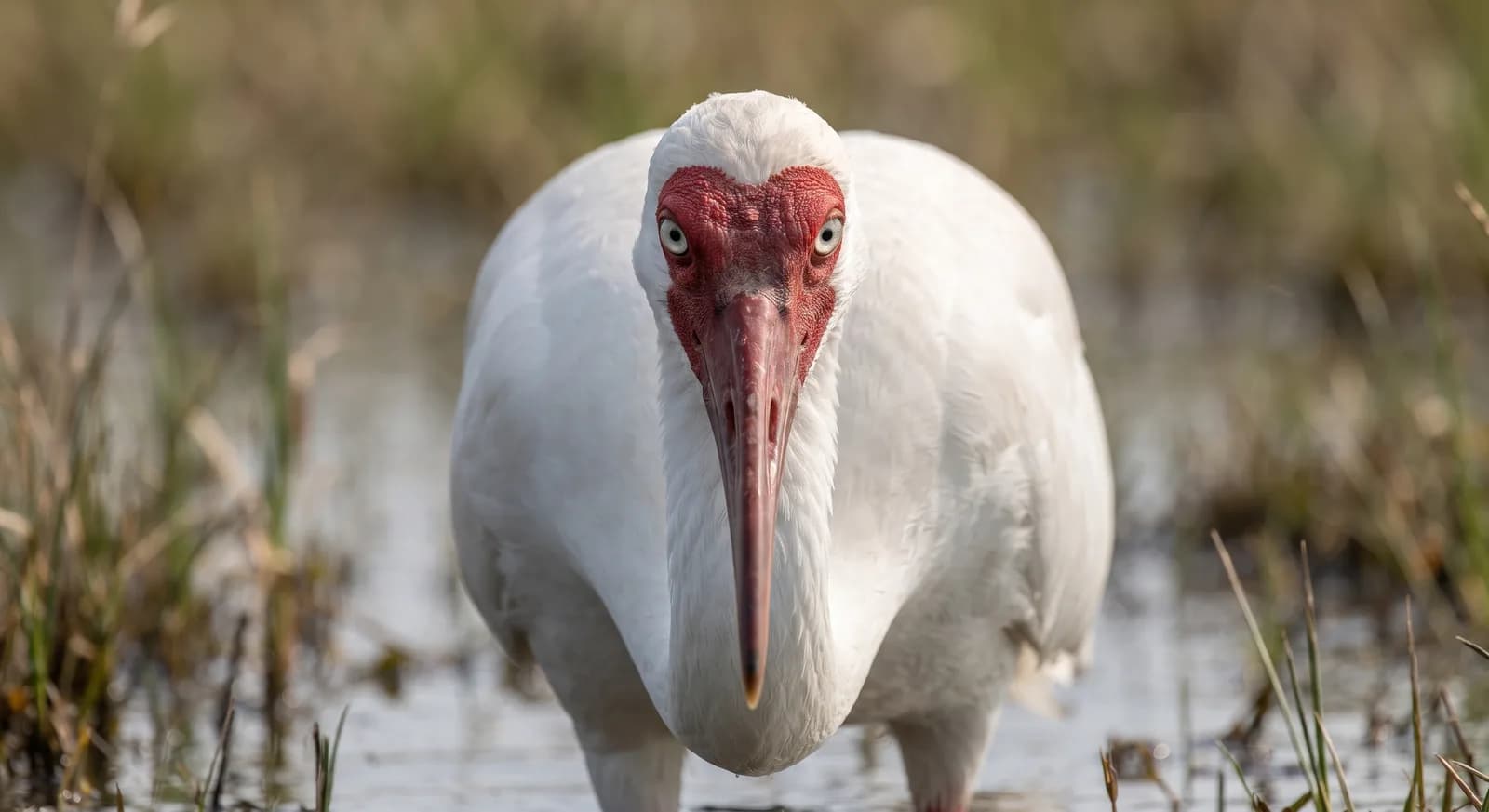
Oriental StorkEndangered

Oriental Stork

Ciconia boyciana

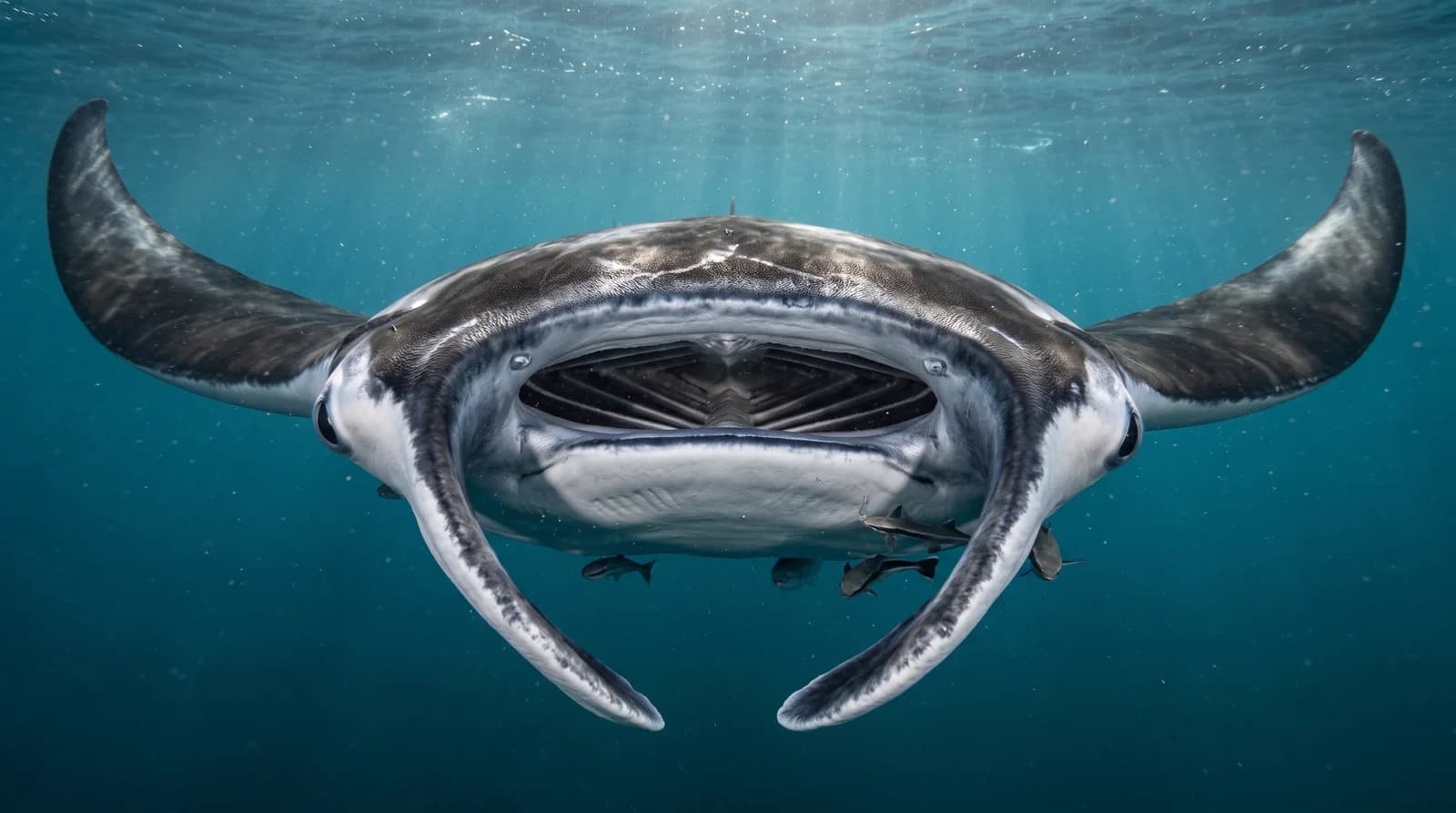
Giant MantaEndangered

Giant Manta

Mobula birostris

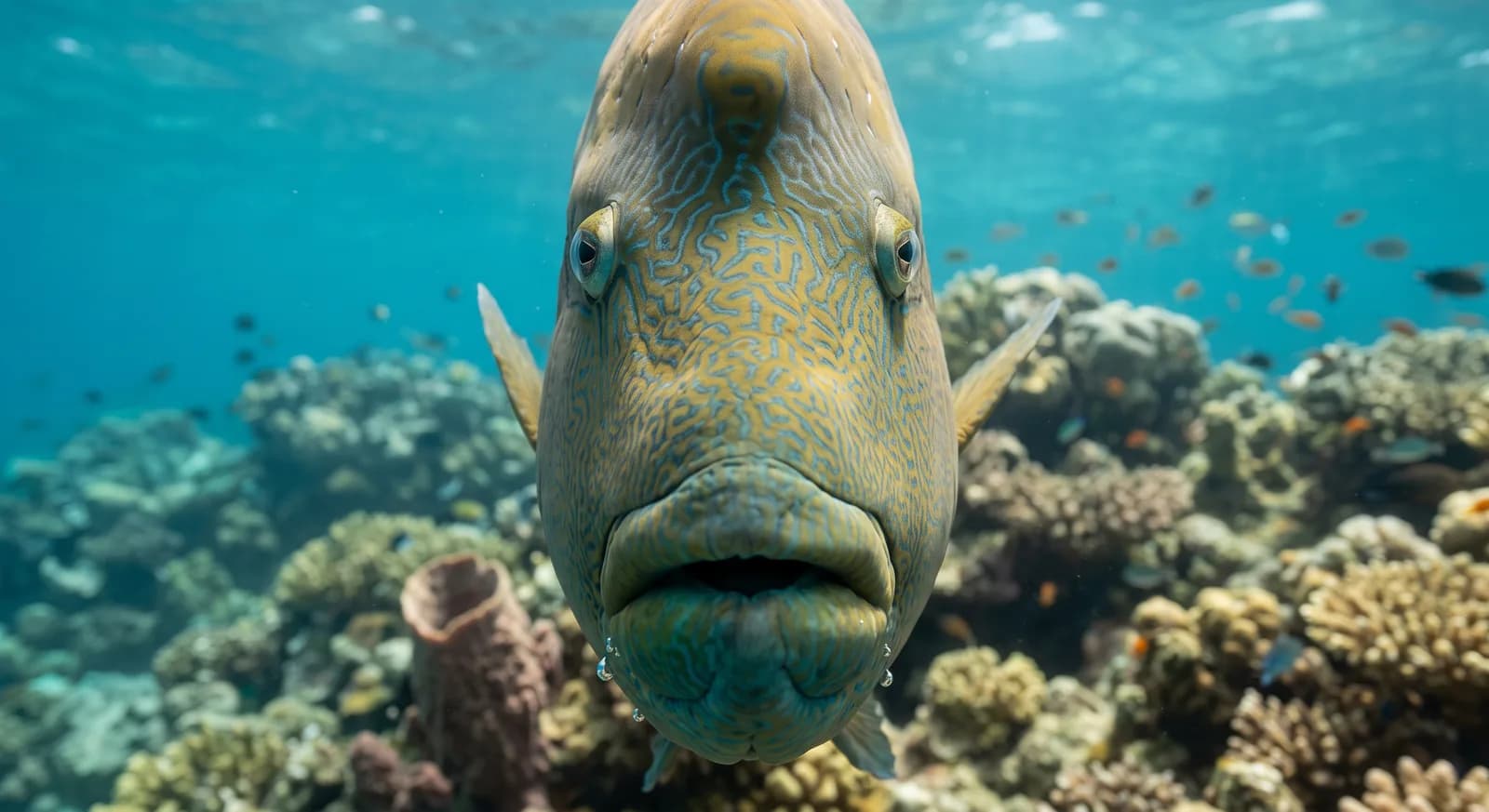
Humphead WrasseEndangered

Humphead Wrasse

Cheilinus undulatus

Page 1 of 27
Temperate forest
Ocean