Bandai-Asahi was declared in 1950 and at almost 1,900 km² it is one of the most extensive national parks in Japan. It is shared between the prefectures of Fukushima, Yamagata and Niigata, in the Tohoku region, and brings together three massifs of very different character.
The first is the Bandai-Azuma area, dominated by Mount Bandai, a volcano whose 1888 eruption destroyed its entire northern flank in a catastrophic collapse that buried villages and dammed the watercourses. Out of that catastrophe came one of the park's most photographed landscapes: the Goshiki-numa, or "five-coloured ponds", a series of pools whose waters show different shades — turquoise, green, cobalt blue — according to the dissolved minerals and the algae in each. Lake Inawashiro, one of the largest in Japan, was also formed.
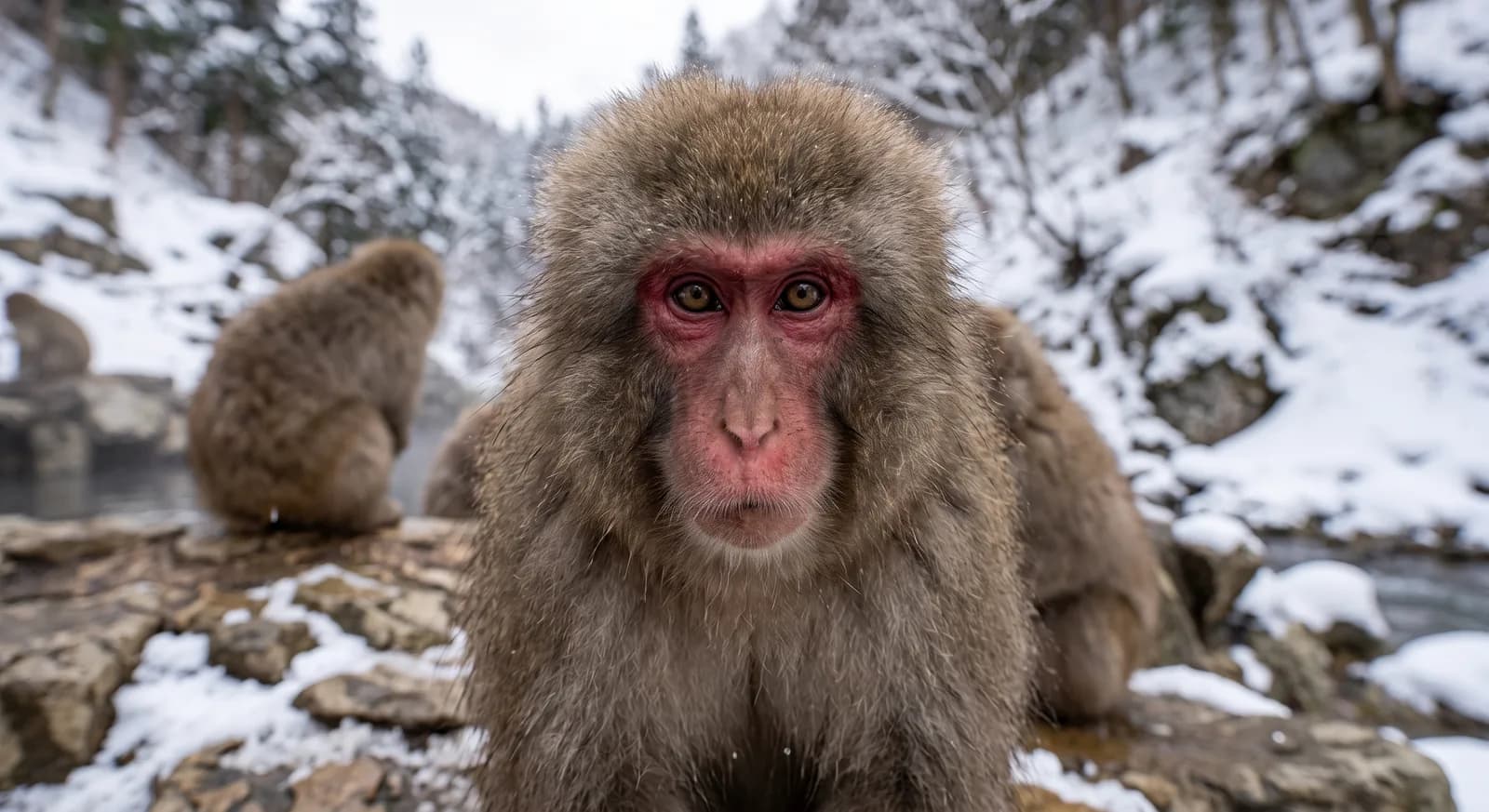
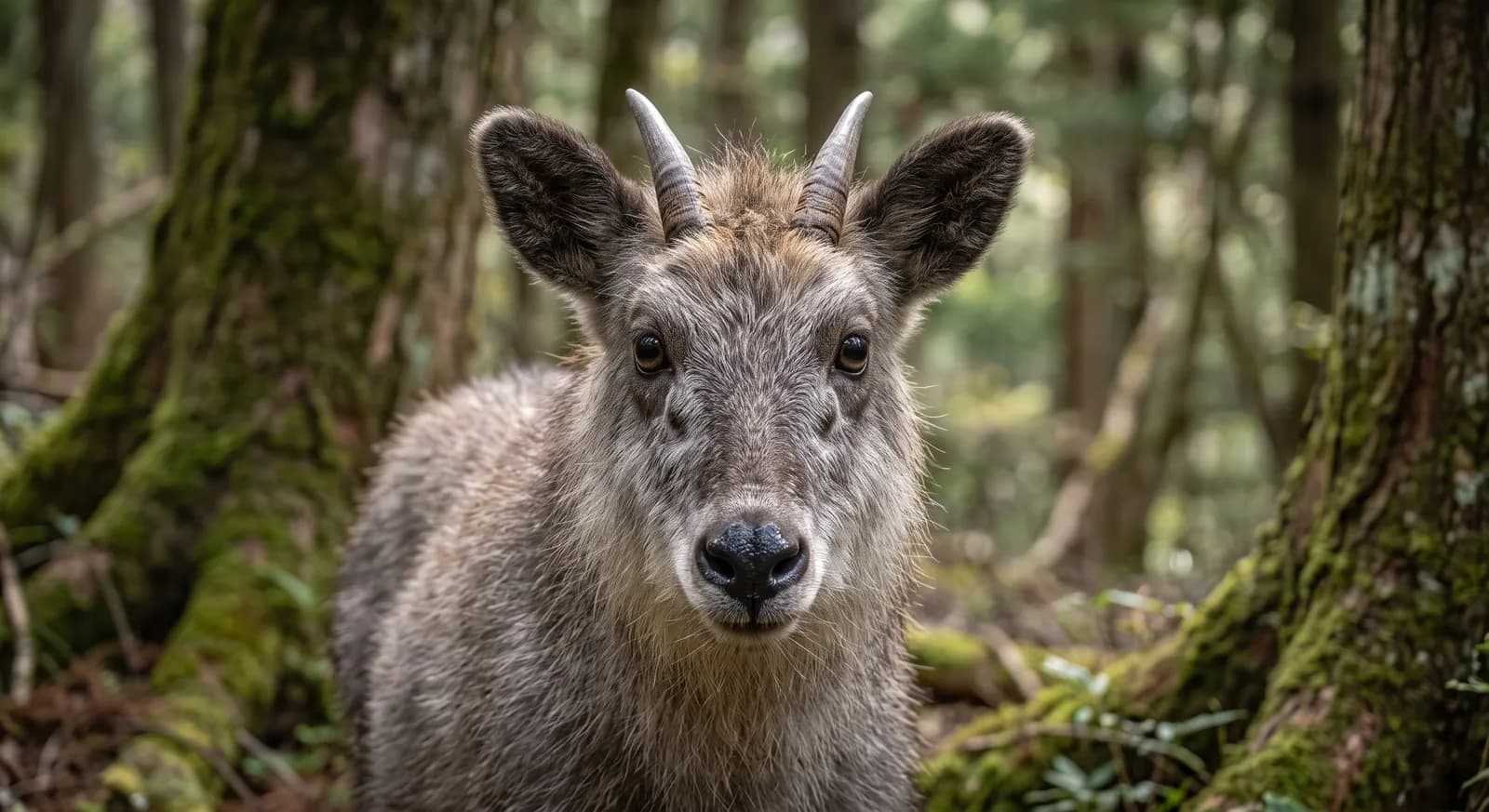
The other two massifs are the Iide mountains and the Asahi mountains, areas of steep high country covered in extensive beech forest and snowbound for much of the year, little frequented and prized by long-distance mountaineers. To these is added Dewa Sanzan, the three sacred mountains of Dewa — Haguro, Gassan and Yudono — a thousand-year-old centre of shugendo and a pilgrimage destination, with its cobbled paths between ancient cryptomerias. The wildlife is that of the wooded mountains of Tohoku: Japanese black bear, serow, macaque and a forest bird community tied to the beech woods.
 Least Concern
 Least Concern
 Least Concern
 Least Concern
 Least Concern
 Japan