Skip to content
WAnimals
  • Map
  • Species
  • Parks
  • Diving
Log inCreate account
WAnimals

The guide for travellers and animal lovers: discover, plan and share your wild adventures around the world.

Discover wildlife

  • Species
  • Ecosystems
  • Glossary
  • Tags

Explore places

  • Map
  • Countries
  • Parks
  • Diving

Plan experiences

  • Guides

Learn

  • Blog

Resources

  • About us
  • How we build our profiles
  • Help centre
  • Contact
  • Install the app

Follow us

Account

  • Log in
  • Create account

© 2026 WAnimals. All rights reserved.

Terms of servicePrivacyCookiesLegal notice
MapSpeciesParksDiving
  1. Home
  2. Species
  3. Japanese Robin

One of the 3 nightingales on WAnimals
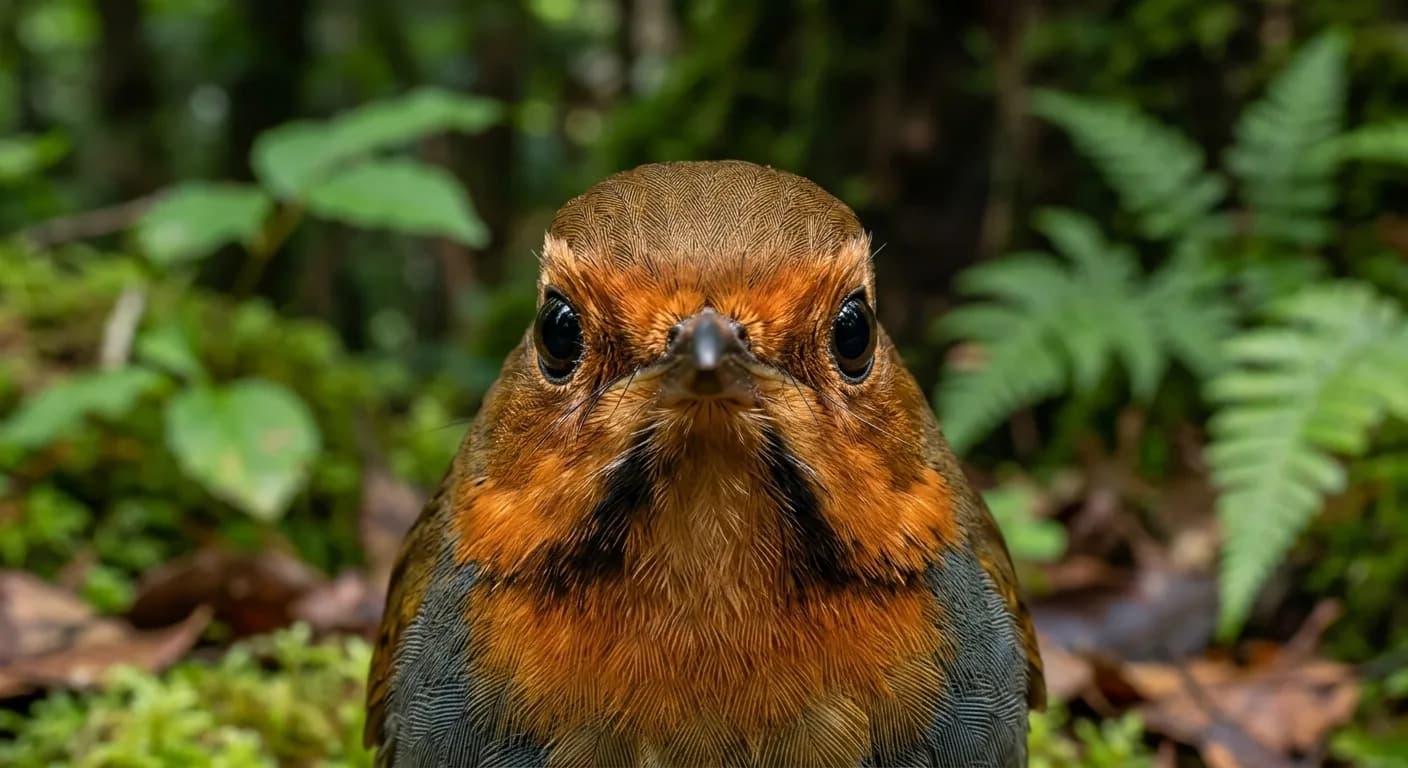
Japanese Robin (Larvivora akahige)

Birds · Passeriformes · Muscicapidae

Japanese Robin

Larvivora akahige

Least Concern

The species is abundant and widely distributed; it faces no significant short-term risk.

Spotted something wrong?

The Japanese robin is a bird of the understorey with an intensely orange face and breast, an olive back and a dark band across the breast. It lives in the humid mountain forests of Japan and Korea. It is one of the three birds that Japanese tradition regards as having the most beautiful song, together with the Japanese bush warbler and the blue-and-white flycatcher.

Weight

14 g – 20 g

Size

14 cm – 15 cm

Life expectancy

8 years
Diet

Insectivore

Feeds mainly on insects and other invertebrates.

Activity

Diurnal

Active mainly during the day.

Social structure

Solitary

Lives and hunts alone, joining others only to breed.

Temperate forestMountain
6countries21parks14same family

AI-generated images: illustrations, not photographs.

Fun facts

  • It is one of the three songsters of the Japanese forest, a traditional trio of songbirds that the country's culture regards as having the most beautiful song, together with the Japanese bush warbler and the blue-and-white flycatcher.
  • Its song begins with a high, drawn-out trill followed by a descending series, and the males sing from inside the understorey, hardly ever showing themselves.
  • The subspecies of the Izu Islands, south of Tokyo, is considered a threatened taxon in its own right, with a very small population isolated from the rest.

Life cycle and biology

Skeleton type
Vertebrate - internal bony skeleton (bird)
Habitat and environment
Humid understorey of mountain forests of Japan, Korea and the Kuril Islands; winters in southern China
Sexual maturity
12 months
Gestation / incubation
14 days of incubation
Litter / clutch size
4 eggs

Sources consulted: IUCN Red List · Animal Diversity Web · Wikipedia (es)

Where to find it

Loading map…

The pins mark the parks where its presence is documented.

Where to see it

Parks and dive sites where this species has been documented — showing 10 of 21.

Related species

Other species in the catalogue with the most in common with Japanese Robin — same habitat, park, country, tags or family.

Same taxonomic family

Keep exploring

Based on what we already know about japanese robin.

Share an experience, a fun fact or a tip for seeing the japanese robin.
See full glossary
This page in other languages: Español · Deutsch · Français · Português · Italiano
See its range on the interactive map→
Fuji-Hakone-IzuJapan
YakushimaJapan
Seoraksan National ParkSouth Korea
HallasanSouth Korea
DaisetsuzanJapan
NikkoJapan
JirisanSouth Korea
BukhansanSouth Korea
Aso-KujuJapan
Bandai-AsahiJapan
See all 21 parks
Least Concern

Common Nightingale

Luscinia megarhynchos

Least Concern

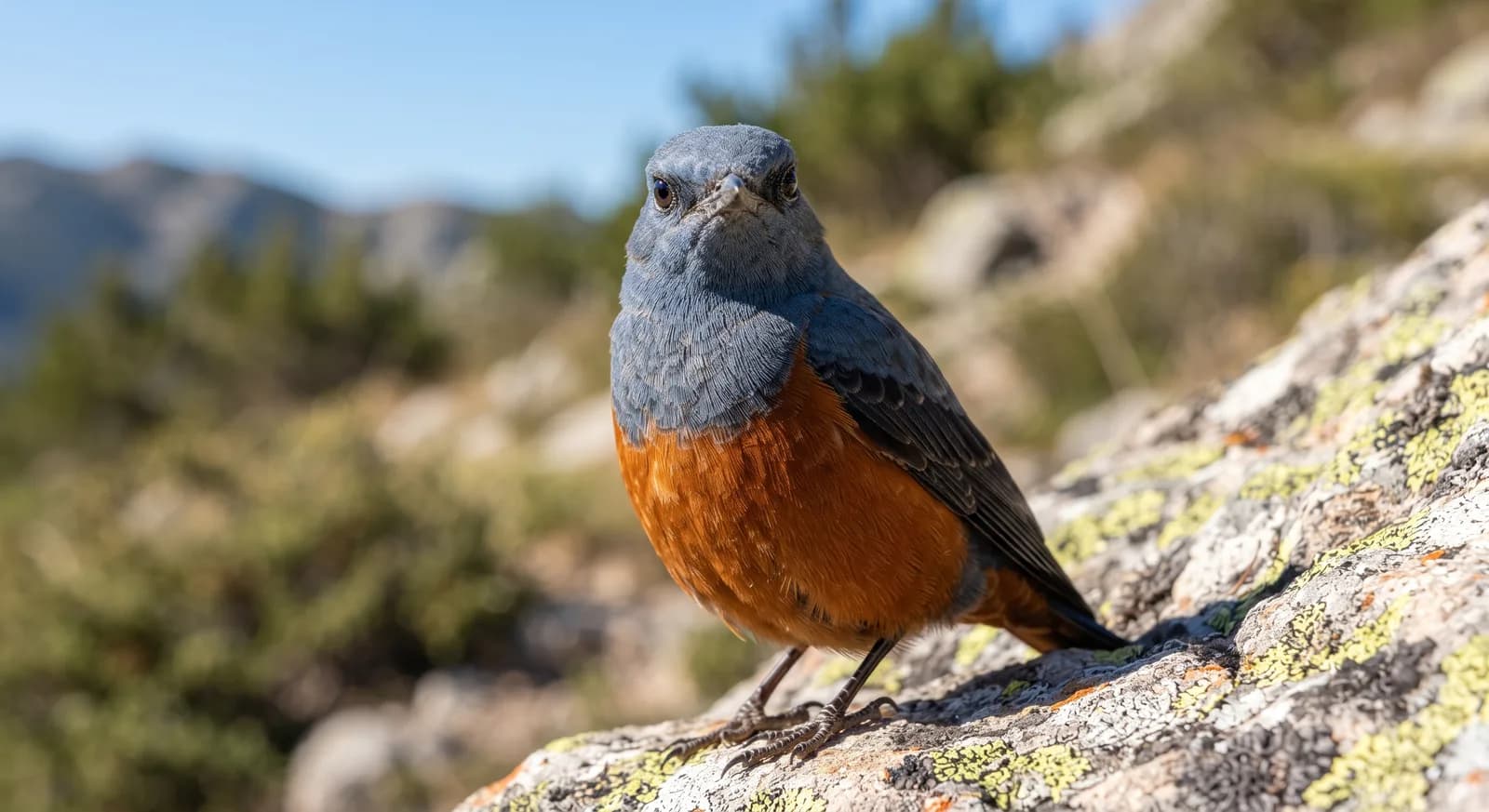
Blue Rock Thrush

Monticola solitarius

Spotted FlycatcherLeast Concern

Spotted Flycatcher

Muscicapa striata

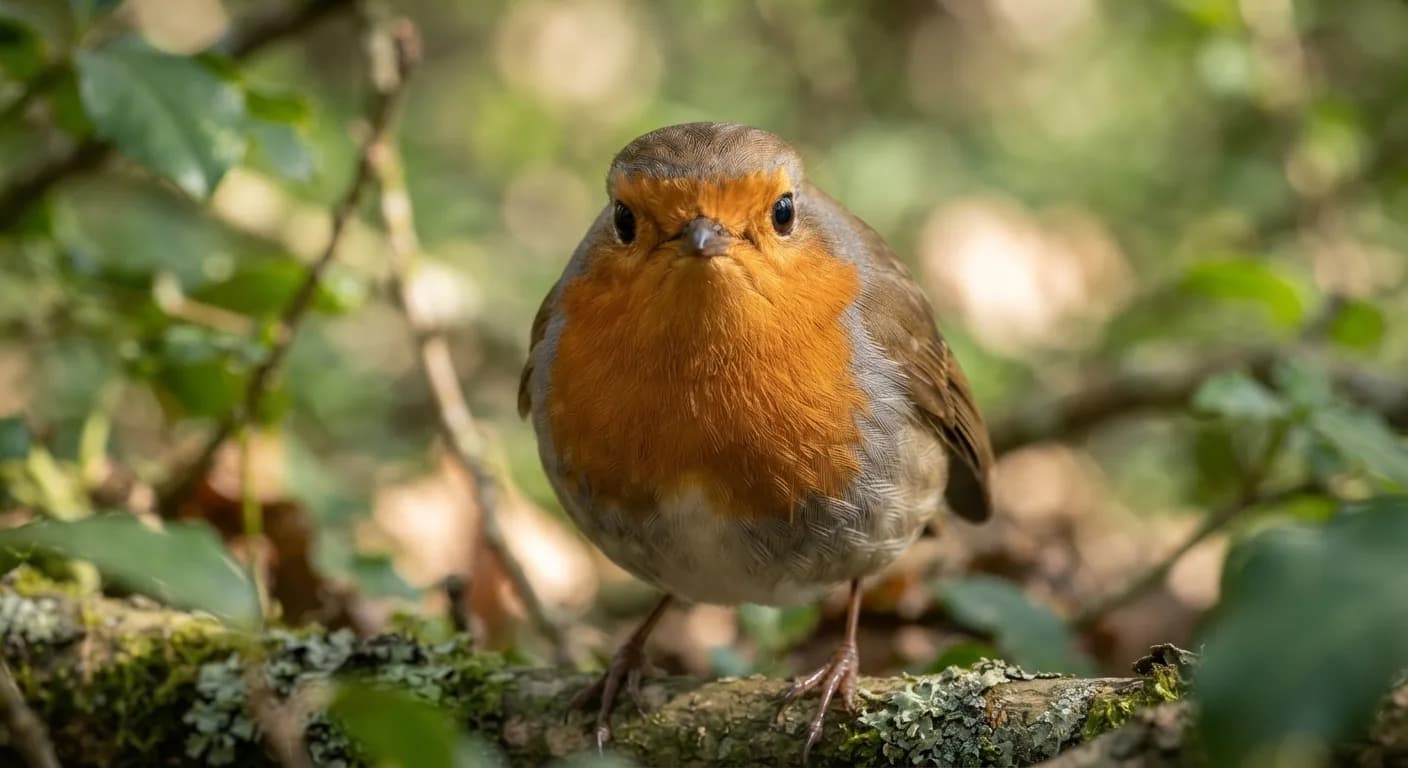
European RobinLeast Concern

European Robin

Erithacus rubecula

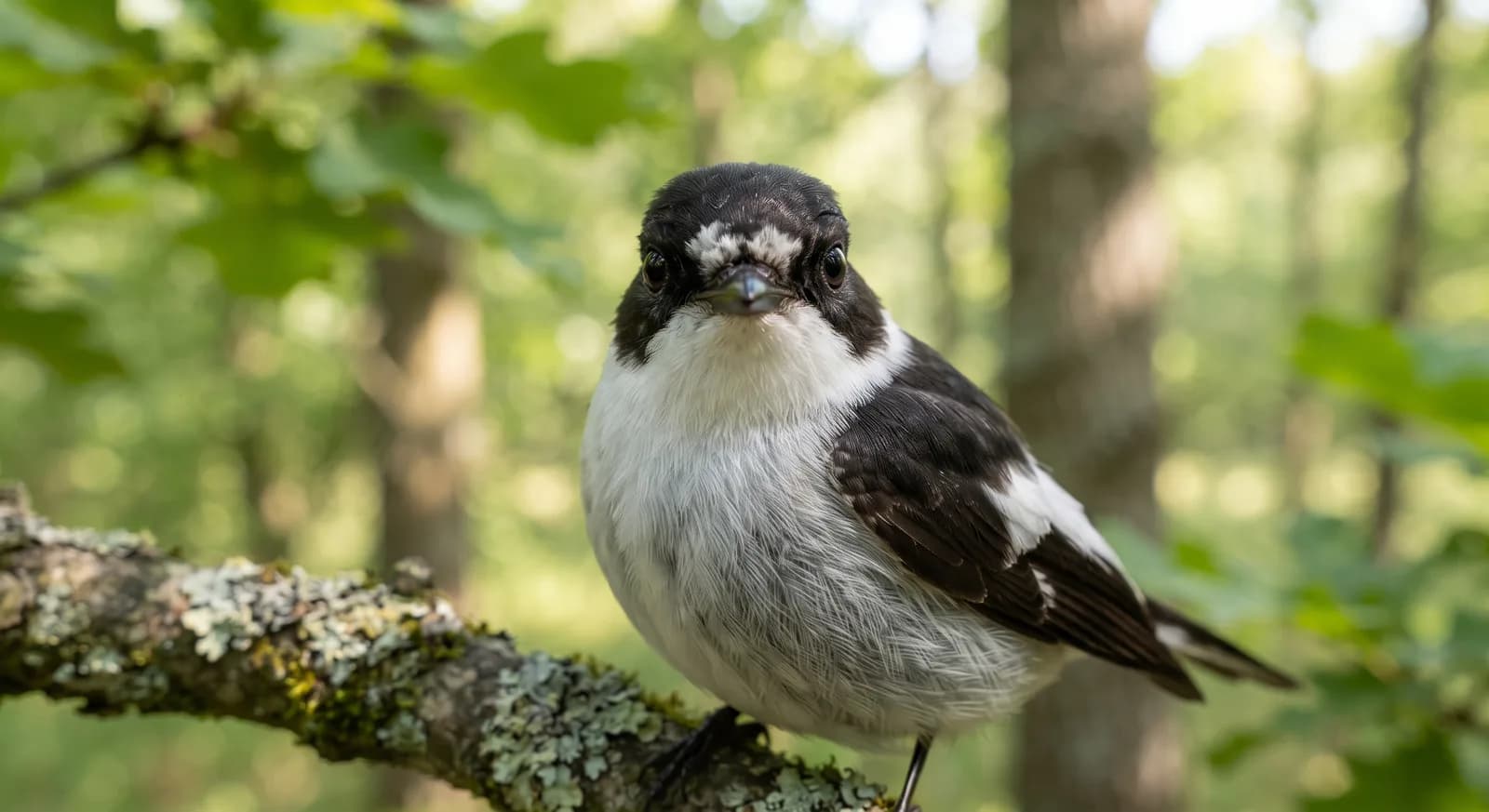
Collared FlycatcherLeast Concern

Collared Flycatcher

Ficedula albicollis

Rufous-tailed Rock ThrushLeast Concern

Rufous-tailed Rock Thrush

Monticola saxatilis

CountriesJapan
ParksFuji-Hakone-IzuJapan
TagsInsectivore
Insectivore
Diurnal
Solitary
Bird
Temperate forest
Mountain
Japan
South Korea
China
North Korea
Russia
Taiwan