 Least Concern
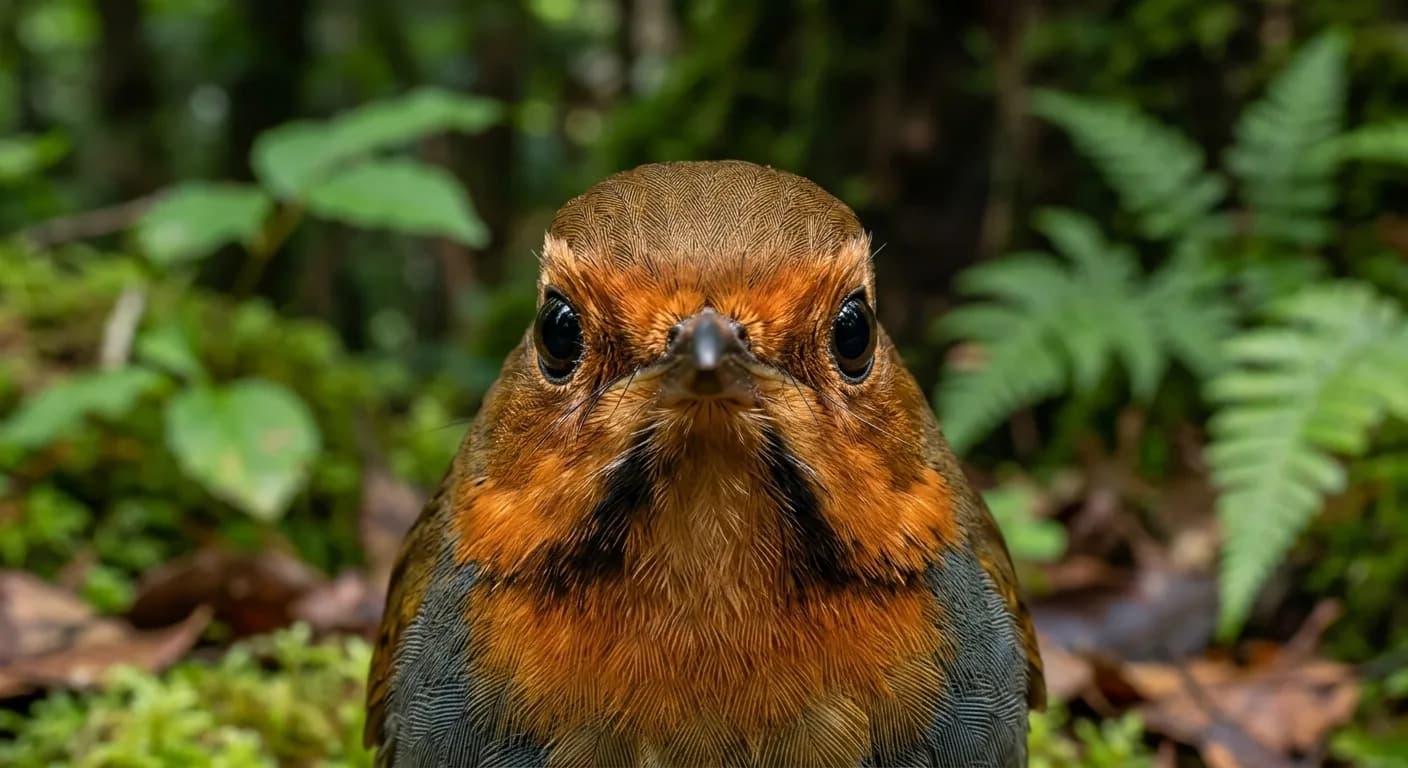
Japanese Robin
Larvivora akahige
6 countries21 parks
Species group · Birds
WAnimals has 3 species of nightingale, spread across 2 families (Cettiidae, Muscicapidae).
Ranges calculated from the profiles that record the figure, not from all 3.
Each one has its own full profile. This group does not replace them: it brings them together.
No species documented in this group is genuinely at risk according to the IUCN, with the data available today.
Recorded in 62 countries. The ones with the most species in the group:
It is one of the three songsters of the Japanese forest, a traditional trio of songbirds that the country's culture regards as having the most beautiful song, together with the Japanese bush warbler and the blue-and-white flycatcher.
From
Its song begins with a high, drawn-out trill followed by a descending series, and the males sing from inside the understorey, hardly ever showing themselves.
From
The subspecies of the Izu Islands, south of Tokyo, is considered a threatened taxon in its own right, with a very small population isolated from the rest.
From
It is heard far more than seen: it sings in explosive bursts from deep cover.
From
Its eggs are an intense brick red, a colour that is very unusual among European birds.
From
The nest is built by the male, but the female incubates and raises the chicks practically alone.
From
Its decline in the United Kingdom has been linked to browsing by introduced deer, which thins the understorey it depends on for nesting.
From
·
It eats insects and their larvae and spiders, with berries in autumn.
From