 Critically Endangered
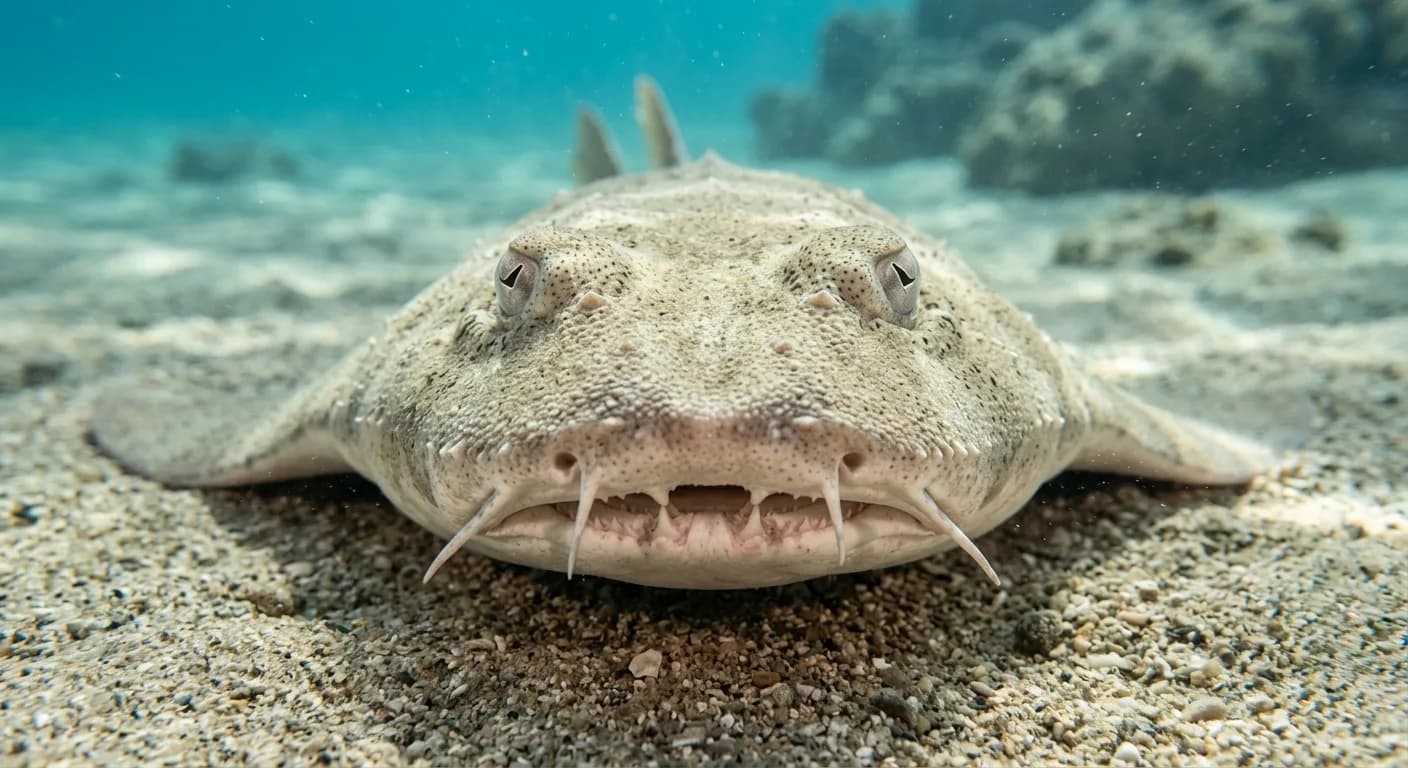
Angelshark
Squatina squatina
Europe
Croatia is organised into two worlds: the continental one, of Pannonian plains and slow rivers, and the Adriatic one, of karst mountains dropping into a sea dotted with more than a thousand islands. The Plitvice lakes, sixteen natural terraced basins joined by waterfalls, form because the water deposits travertine over mosses and algae and the barriers grow a few centimetres each year, a living process still under way. The Velebit range keeps dense forests with brown bear, wolf and lynx, and its slopes fall straight into the Adriatic. Inland, the Kopački rit park, at the confluence of the Drava and the Danube, is one of the largest floodplain wetlands in Europe, with colonies of herons and white-tailed eagles. The Dalmatian coast adds Posidonia meadows, uninhabited islands and a marine fauna that includes resident bottlenose dolphins and loggerhead turtles.
National animal: The pine marten, to the point that the old national currency, the kuna, took its name from the animal's pelt
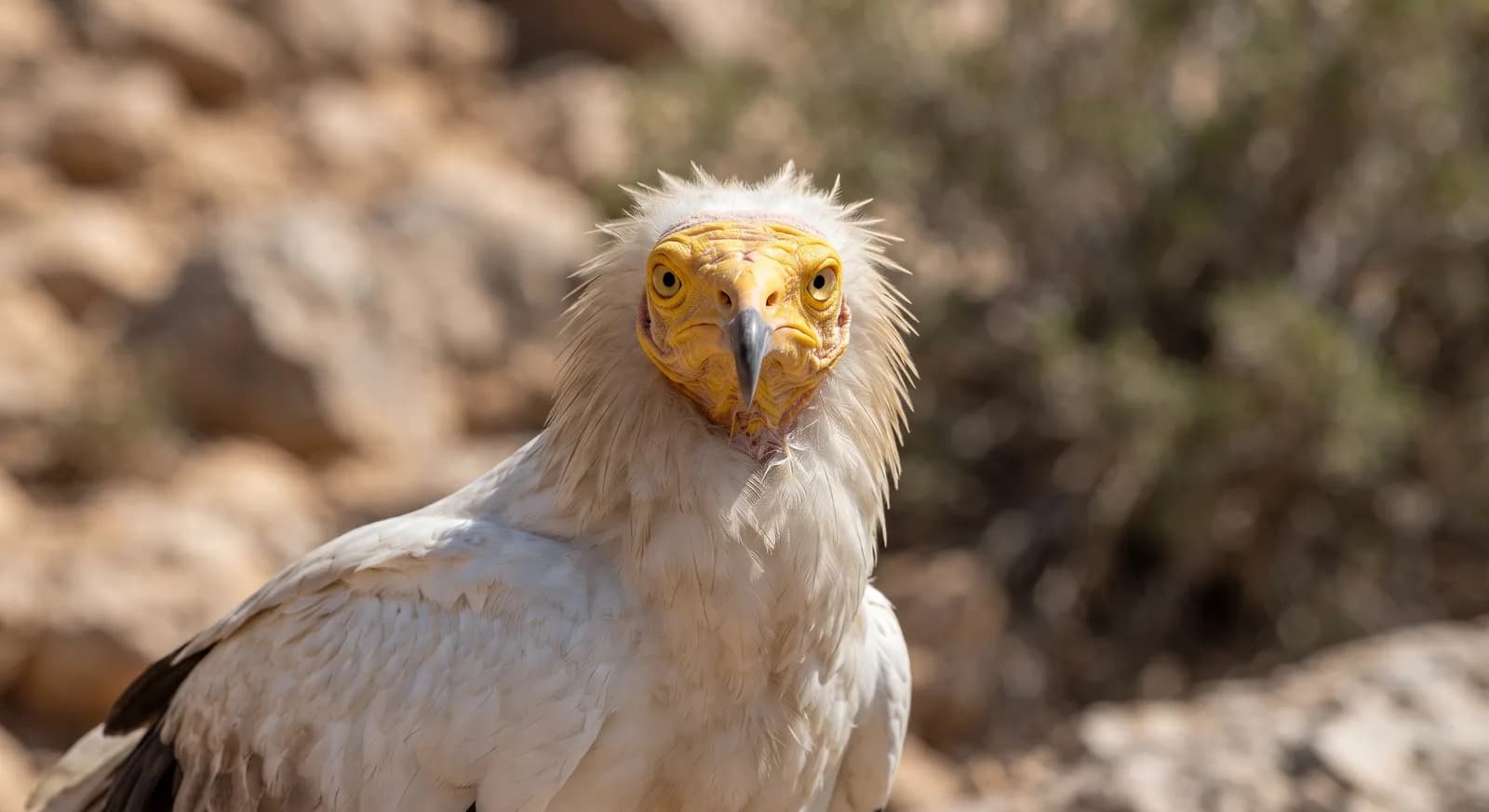
The griffon vultures of the island of Cres are the only ones in the world that breed on sea cliffs, a few metres above the water, and that routinely cross open sea on their movements. Because the chicks make their first flight from those ledges and have yet to master gliding, many fall into the sea and drown unless they are rescued, so there are boats on hand and specific rules against startling them in the area.
Velebit is part of rewilding projects on a European scale and aims to reconnect populations of Dinaric large carnivores. Tourist pressure on Plitvice has forced a daily cap on visitors to protect the travertine barriers.
Cres between March and August for griffon vultures from the Beli viewpoints. Kopački rit in spring for herons and white-tailed eagles. The waters of Vis and Lošinj in summer for bottlenose dolphins.
Where else might I want to travel?
Same region: The Balkans
Same region: The Balkans
Same region: The Balkans
Same region: The Balkans
581 species found
Based on what we already know about Croatia.