National Park
Kornati
Croatia
 Croatia
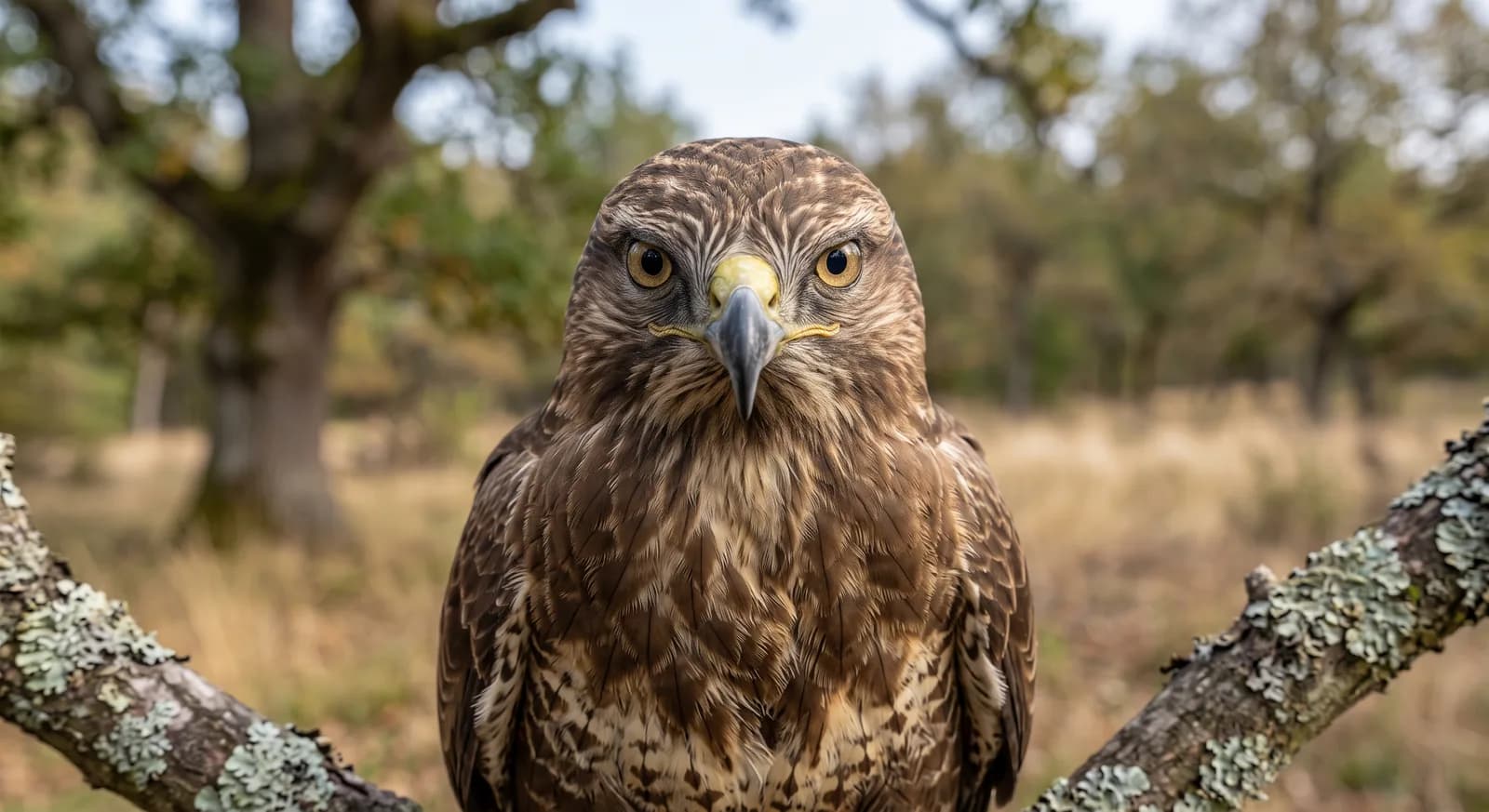
Peregrine Falcon · Bottlenose Dolphin
See parkFourteen islands off Istria, with dinosaur footprints, a Roman villa and a past as Tito's presidential residence.
Area
34 km²
Designated in
1983
Region
The Balkans
An Istrian archipelago with trackway sites and Roman heritage
Brijuni National Park was established in 1983 off the western coast of Istria, in the northern Adriatic, and protects some 34 km² around an archipelago of fourteen islands and islets.
Its history is inseparable from human intervention. In the late nineteenth century the Austrian industrialist Paul Kupelwieser bought the islands, eradicated malaria with the help of Robert Koch and turned them into a luxury spa resort for the European aristocracy, planting parks, avenues and exotic species. After the Second World War, Josip Broz Tito chose them as his summer residence and the centre of Yugoslav diplomacy: he received more than a hundred heads of state there, and the declaration that gave rise to the Non-Aligned Movement was signed there in 1956. The animals given to him by visiting leaders gave rise to a safari park that still operates, with axis deer, zebras and antelope.
The natural and archaeological value is equally notable. On the shore of the main island hundreds of Cretaceous dinosaur footprints are preserved, one of the most important trace fossil sites in the Adriatic, along with the remains of a Roman villa in Verige bay, a Byzantine basilica and a thousand-year-old olive tree still bearing fruit. The Posidonia meadows in its waters are among the best preserved in the northern Adriatic.
4 dive sites within 300 km are also shown.
Ecosystems found in Croatia, where Brijuni lies.
Where can I dive near here?
70 km away
173 km away
277 km away
Which other parks are like this one?
Same country: Croatia
Same country: Croatia
Same country: Croatia
Same country: Croatia
Based on what we already know about this park.
Climate
Temperate, Mediterranean, Mountain
Threatened:,,,,,,,,,,,
282 km away