National Park
Brijuni
Croatia
 Croatia
Chital · Mouflon
See parkSeven barriers of living tufa along the Krka River, with the stepped waterfall of Skradinski buk.
Area
109 km²
Designated in
1985
Region
The Balkans
Living tufa barriers of the Krka River
Krka National Park was established in 1985 in Dalmatia, between Knin and Šibenik, and protects some 109 km² along the lower course of the river of the same name, set in a karst canyon.
Its value lies in an active geological process: the water of the Krka, heavily charged with calcium carbonate, precipitates on contact with mosses, algae and bacteria, forming barriers of tufa, or travertine, that grow continuously and over which the river tumbles. There are seven such barriers along its course, and the largest is Skradinski buk, a stepped waterfall of seventeen drops and almost fifty metres of total height. Roški slap is the other main formation. That travertine is a living thing in the strict sense: it depends on the quality of the water and on the biological communities that generate it, and any alteration halts it.
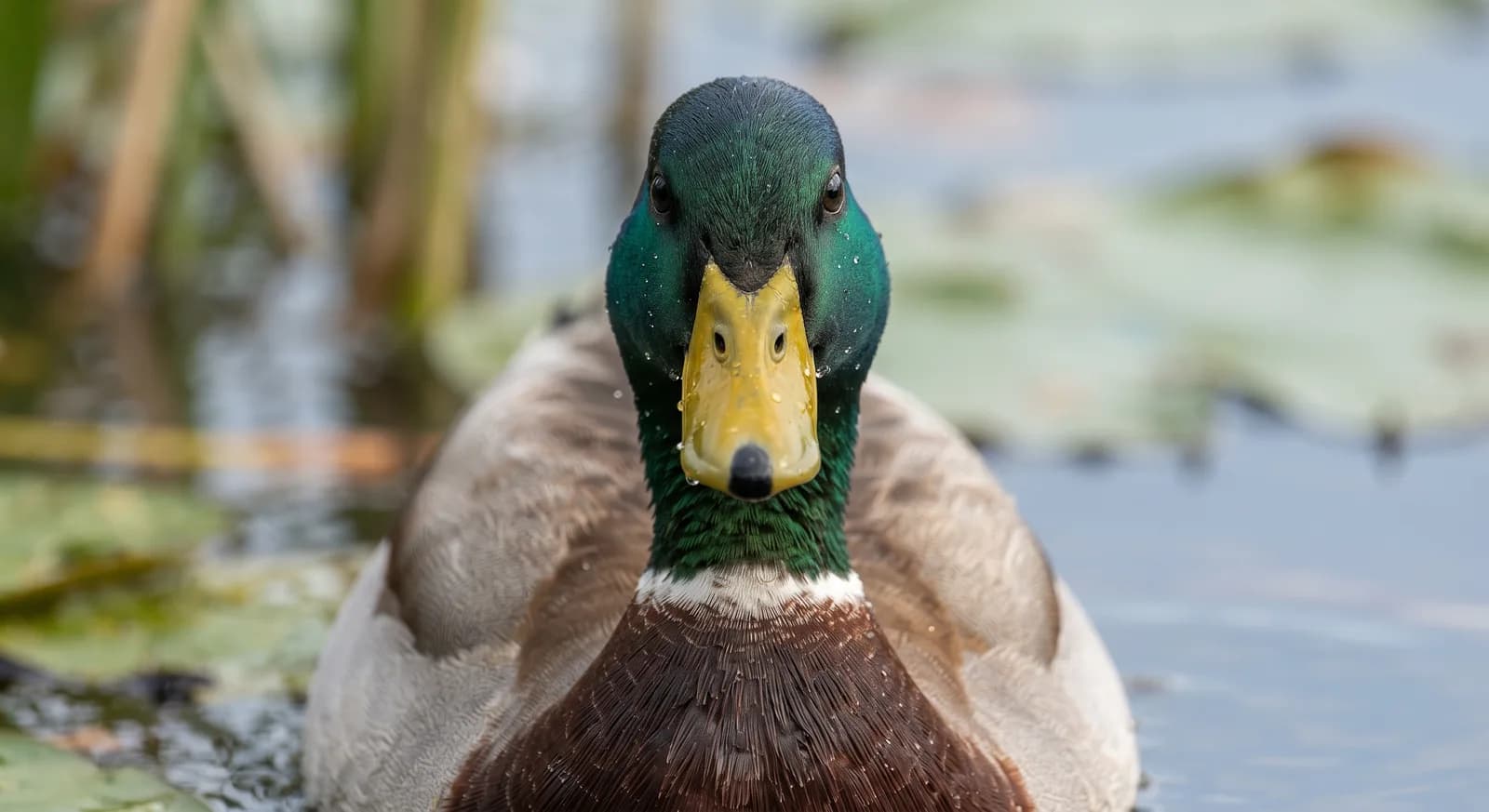
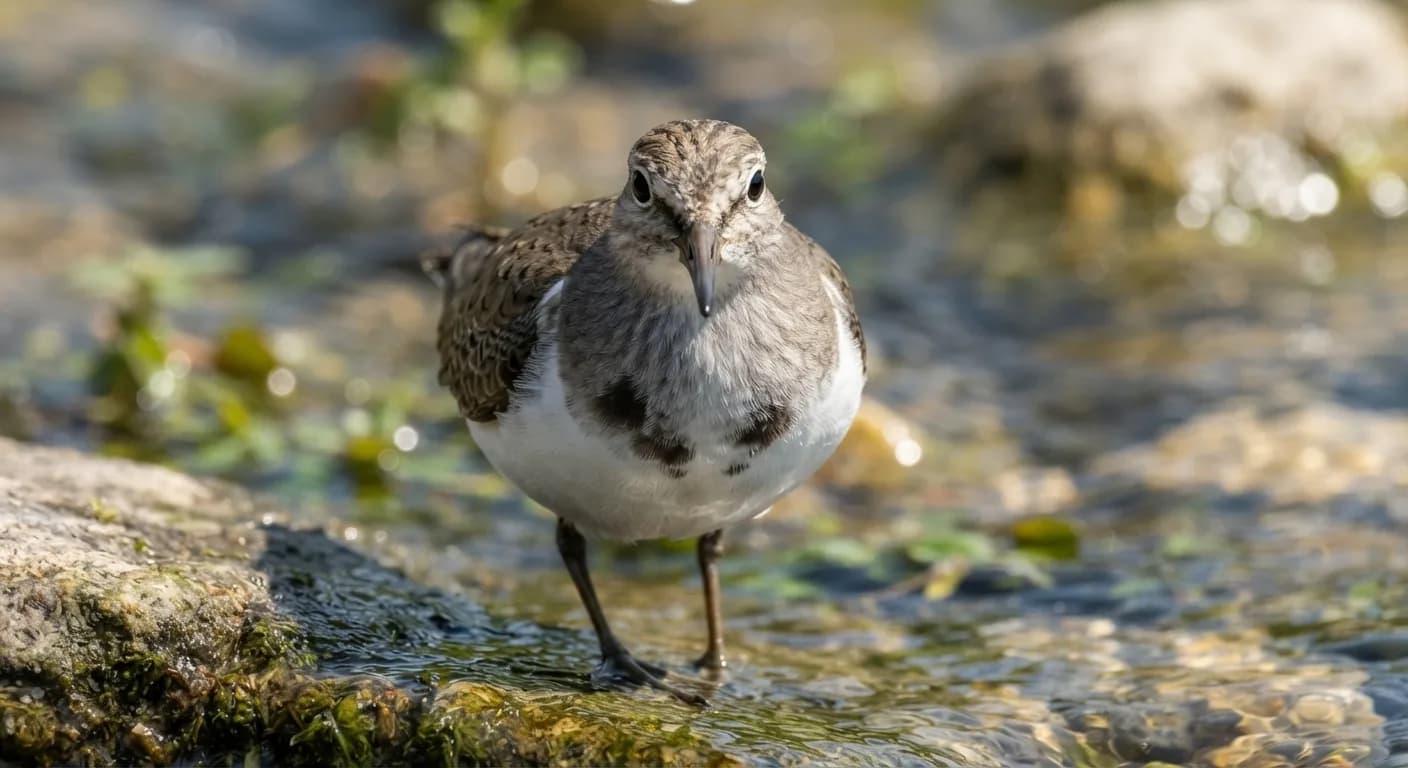
In the middle of Lake Visovac rises the islet of the same name, with a Franciscan monastery founded in the fifteenth century, and upstream stands the Orthodox monastery of Krka. The park is home to an abundant birdlife in the wetlands of the lower course and an important bat community in the cavities of the canyon. Tourist numbers, heavily concentrated at Skradinski buk, forced swimming to be banned in 2021 to protect the tufa formations.
4 dive sites within 300 km are also shown.
Ecosystems found in Croatia, where Krka lies.
Where can I dive near here?
54 km away
85 km away
93 km away
123 km away
Which other parks are like this one?
Same country: Croatia
Same country: Croatia
Same country: Croatia
Same country: Croatia
Based on what we already know about this park.
Climate
Temperate, Mediterranean, Mountain
Threatened: