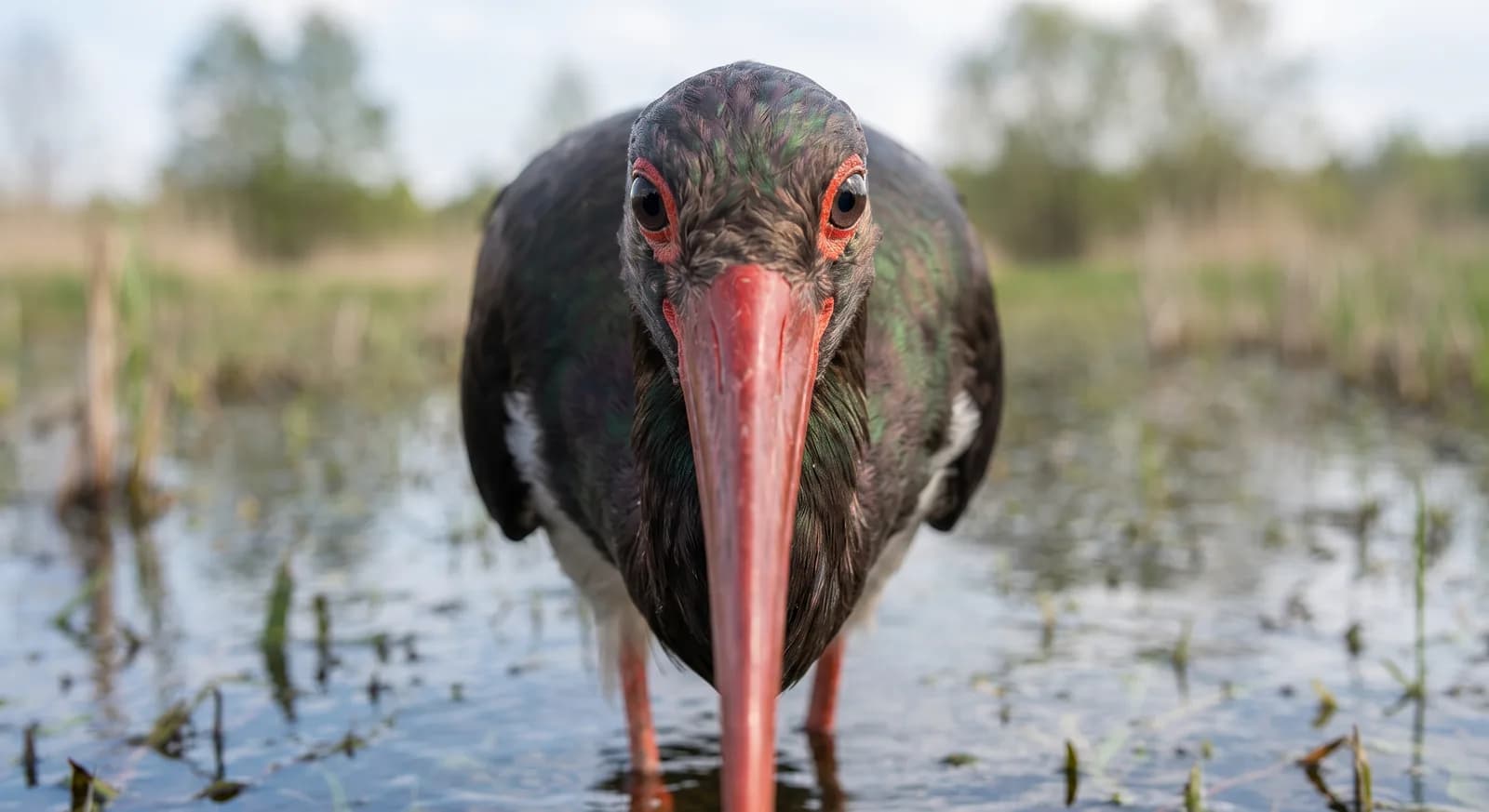
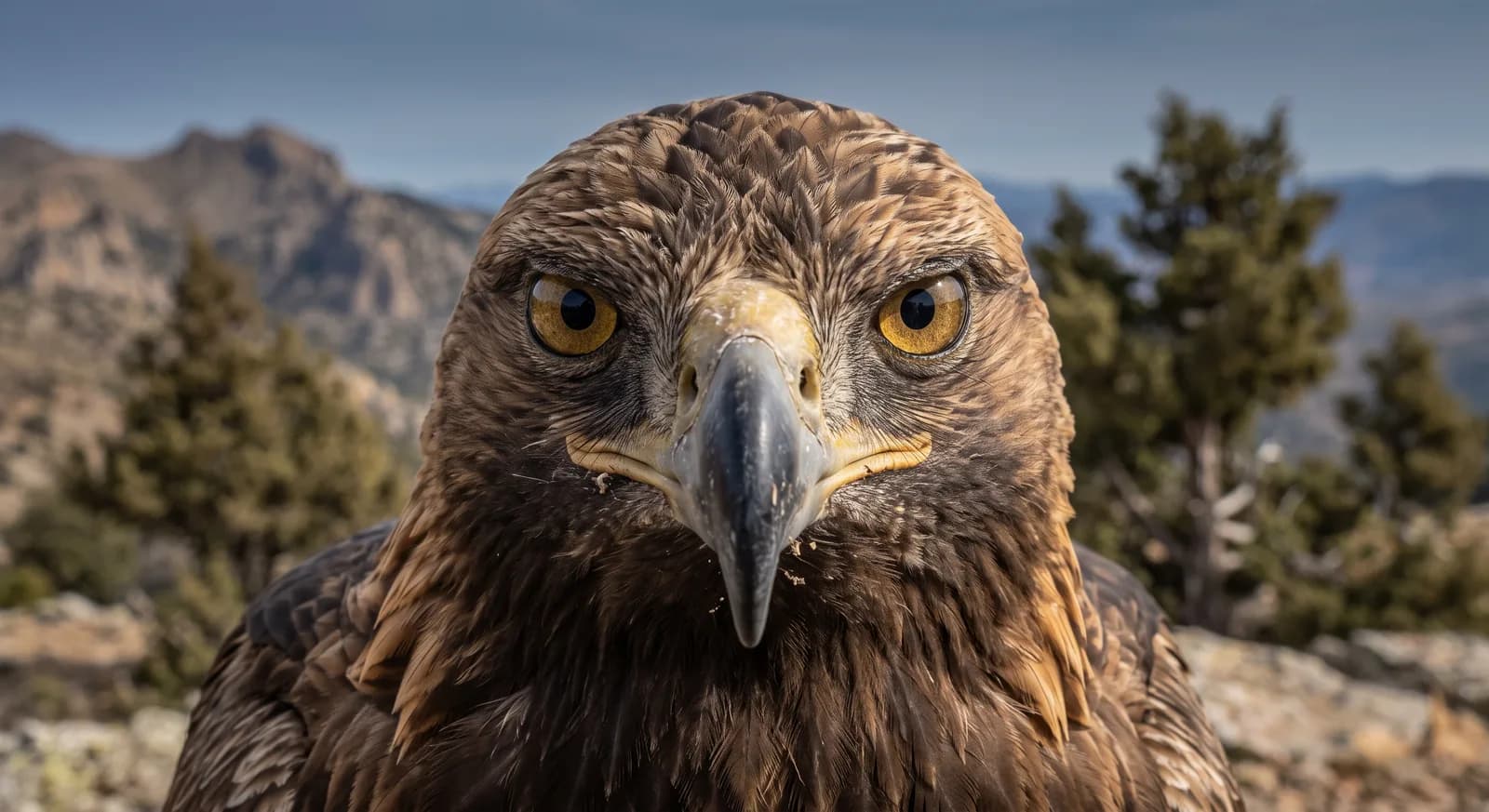
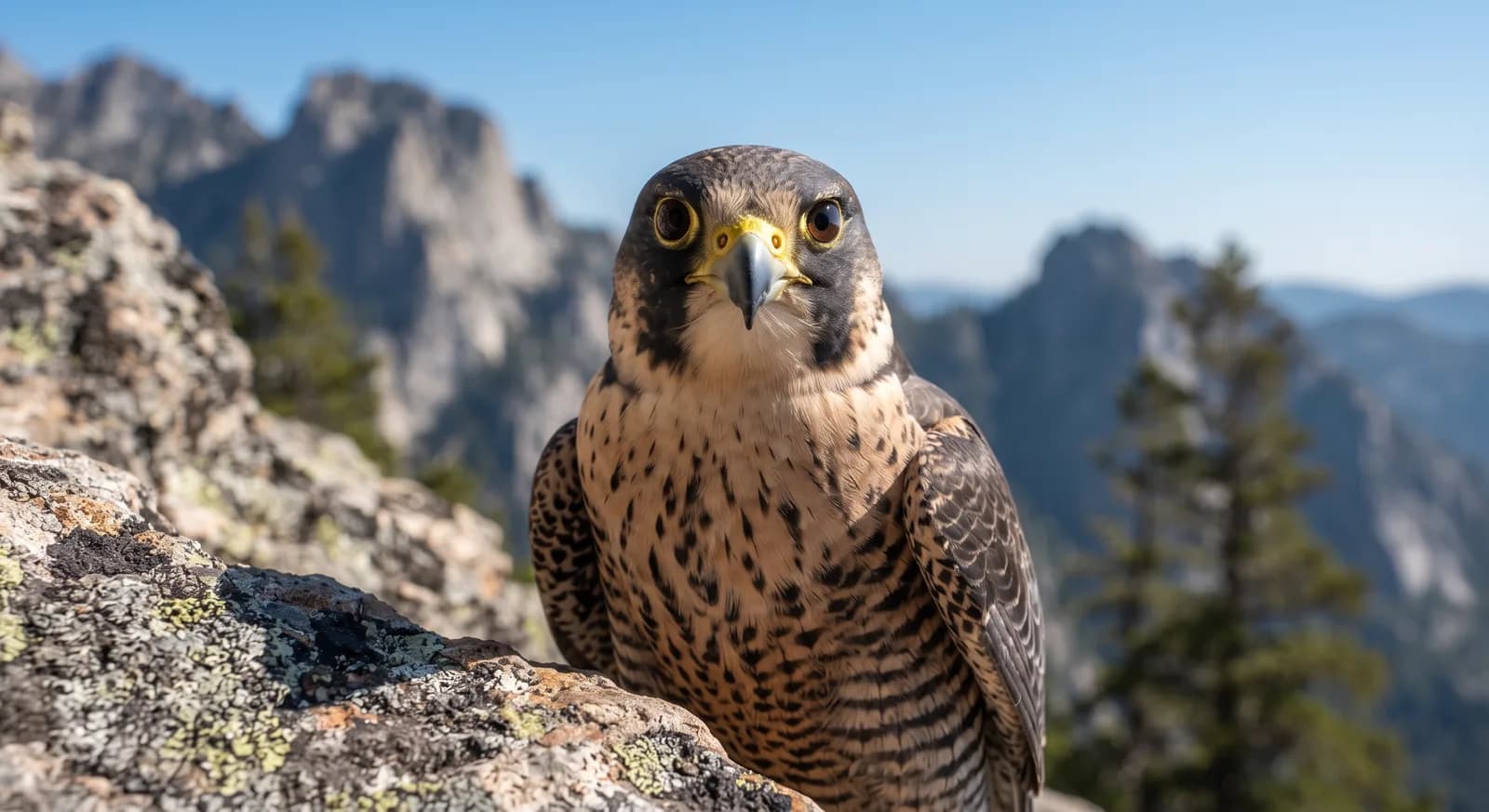
One of the 3 shrikes on WAnimals
Birds · Passeriformes · Laniidae
Lanius collurio
The species is abundant and widely distributed; it faces no significant short-term risk.
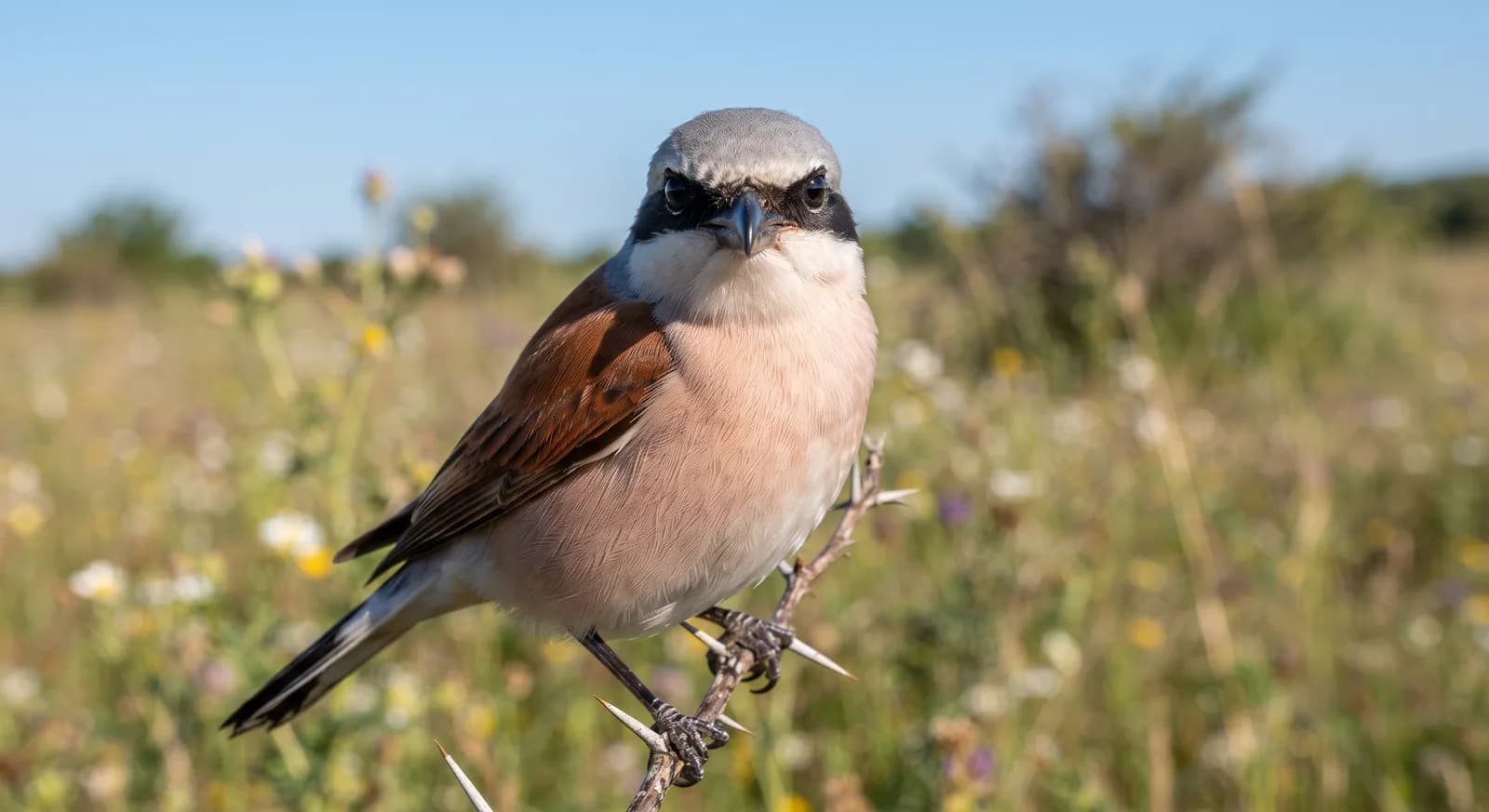
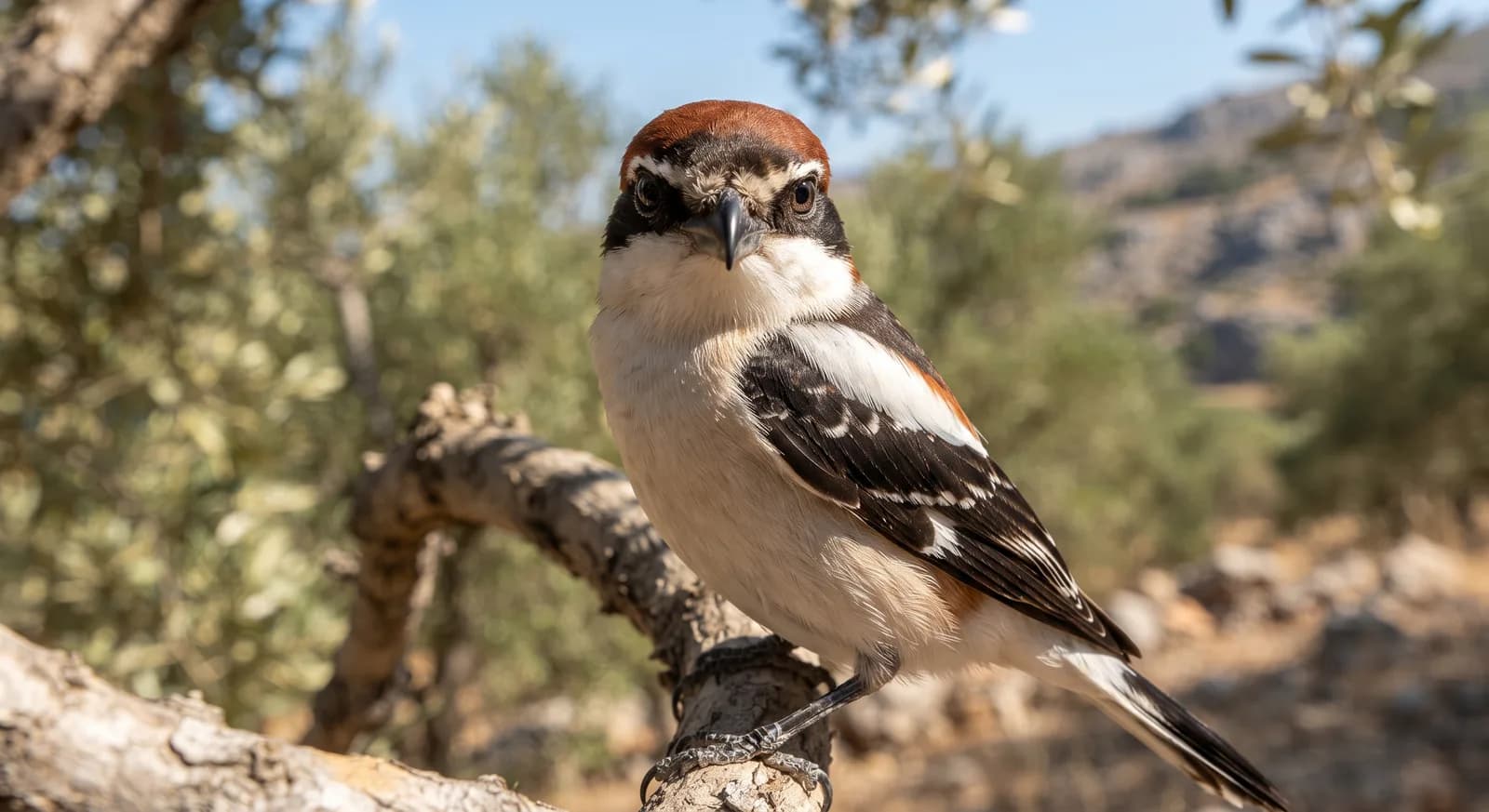
The smallest of the shrikes of the Eurasian Palaearctic. The male has an ash-grey head, a black mask and the reddish-brown mantle that gives it its name; the female is brown and vermiculated. Like all shrikes it has a bulky head and a bill hooked at the tip.
Weight
25 g – 36 g
Size
16 cm – 18 cm
Diet
Carnivore
Feeds mainly on other animals.
Activity
Diurnal
Active mainly during the day.
Social structure
In pairs
Usually lives in pairs, sometimes for life.
Sighting difficulty
Easy
AI-generated images: illustrations, not photographs.
Sources consulted: SEO/BirdLife (ficha y III Atlas de las aves en época de reproducción en España); IUCN Red List; Asturnatura; Metzmacher y Van Nieuwenhuyse 2012, Terre et Vie 67; Santander Capital Natural; Monaco Nature Encyclopedia
Best time: From May to August in the north of the peninsula, where it is a summer visitor
Parks and dive sites where this species has been documented — showing 10 of 185.
Other species in the catalogue with the most in common with Red-backed Shrike — same habitat, park, country, tags or family.
Based on what we already know about red-backed shrike.
Share an experience, a fun fact or a tip for seeing the red-backed shrike.
Be the first to comment.
The pins mark the parks where its presence is documented.