 Critically Endangered
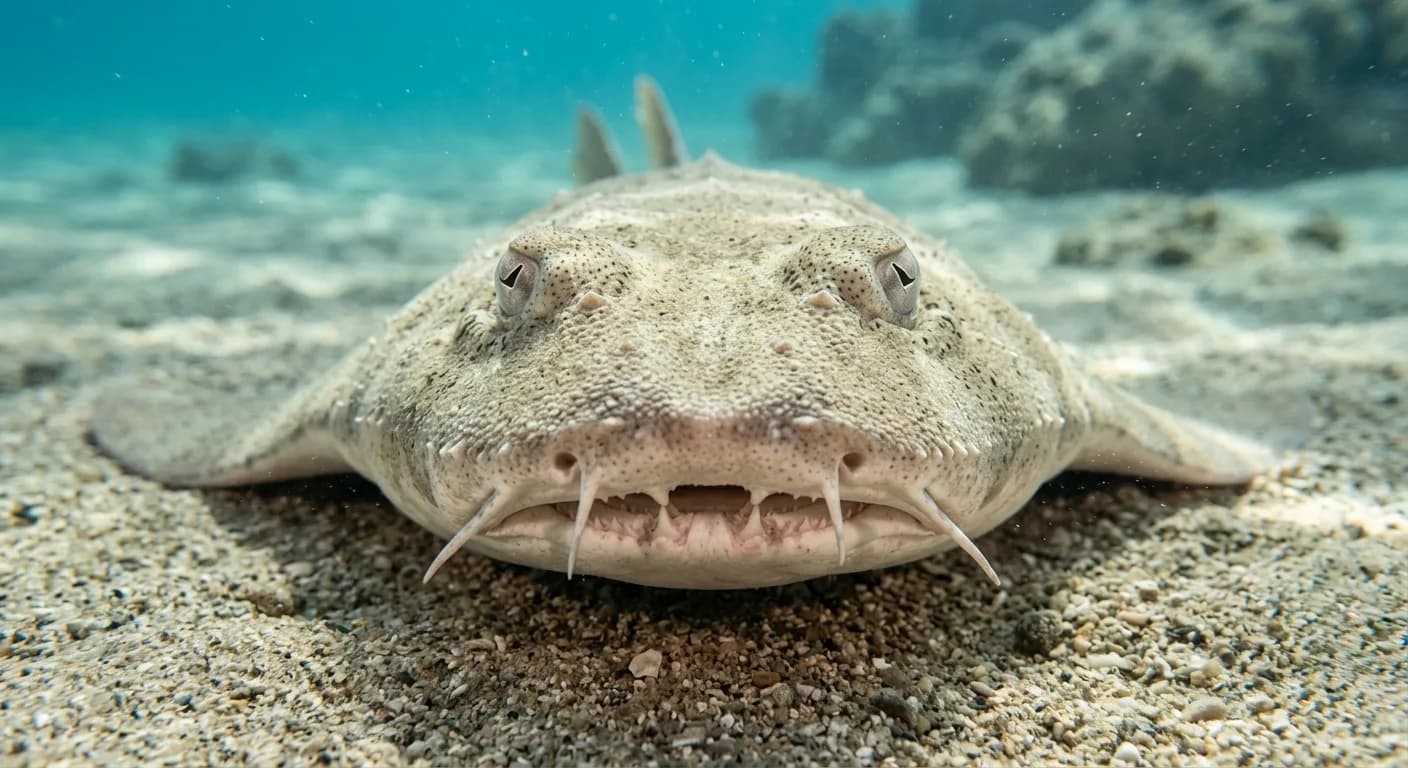
Angelshark
Squatina squatina
Europe
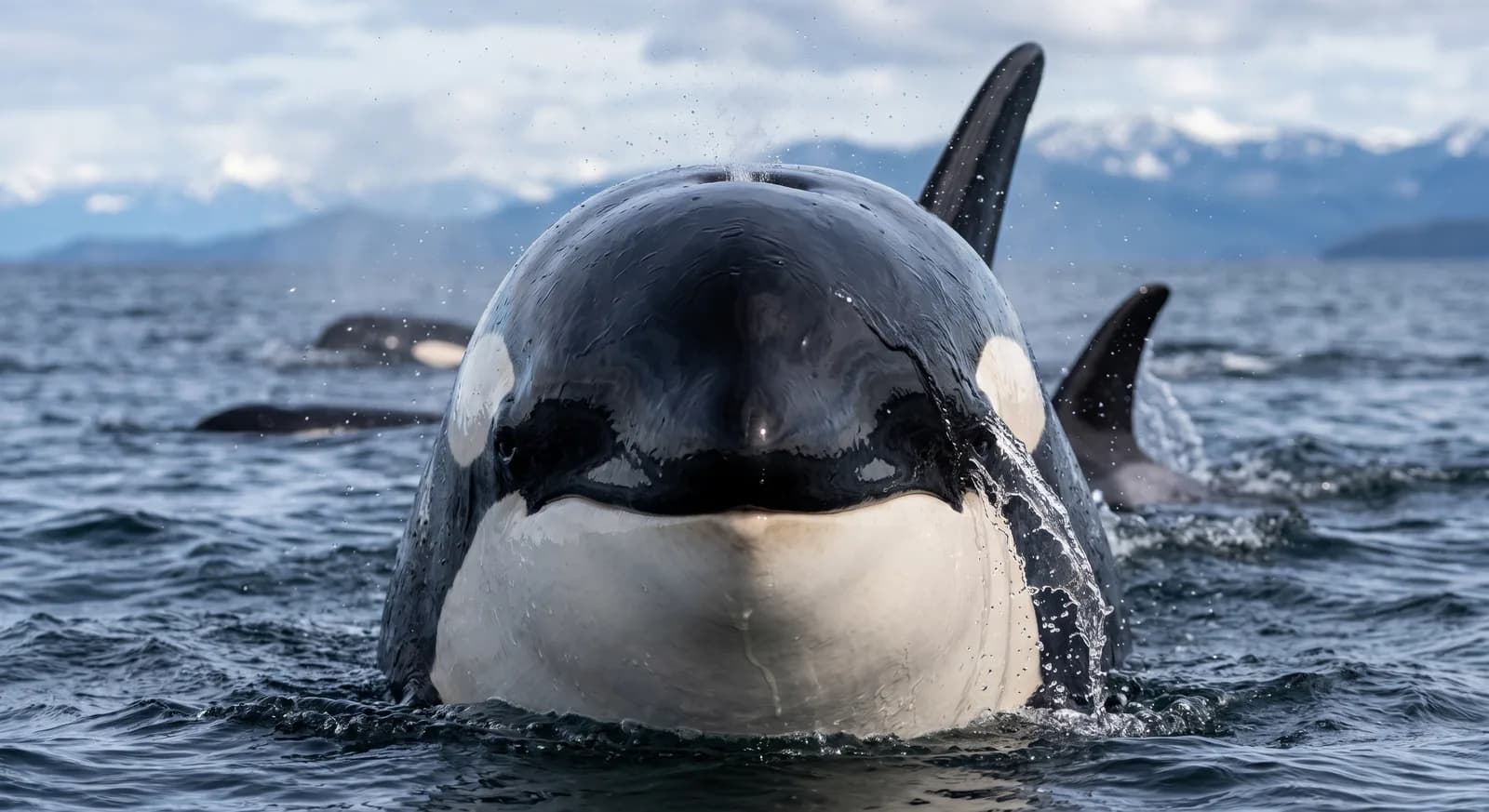
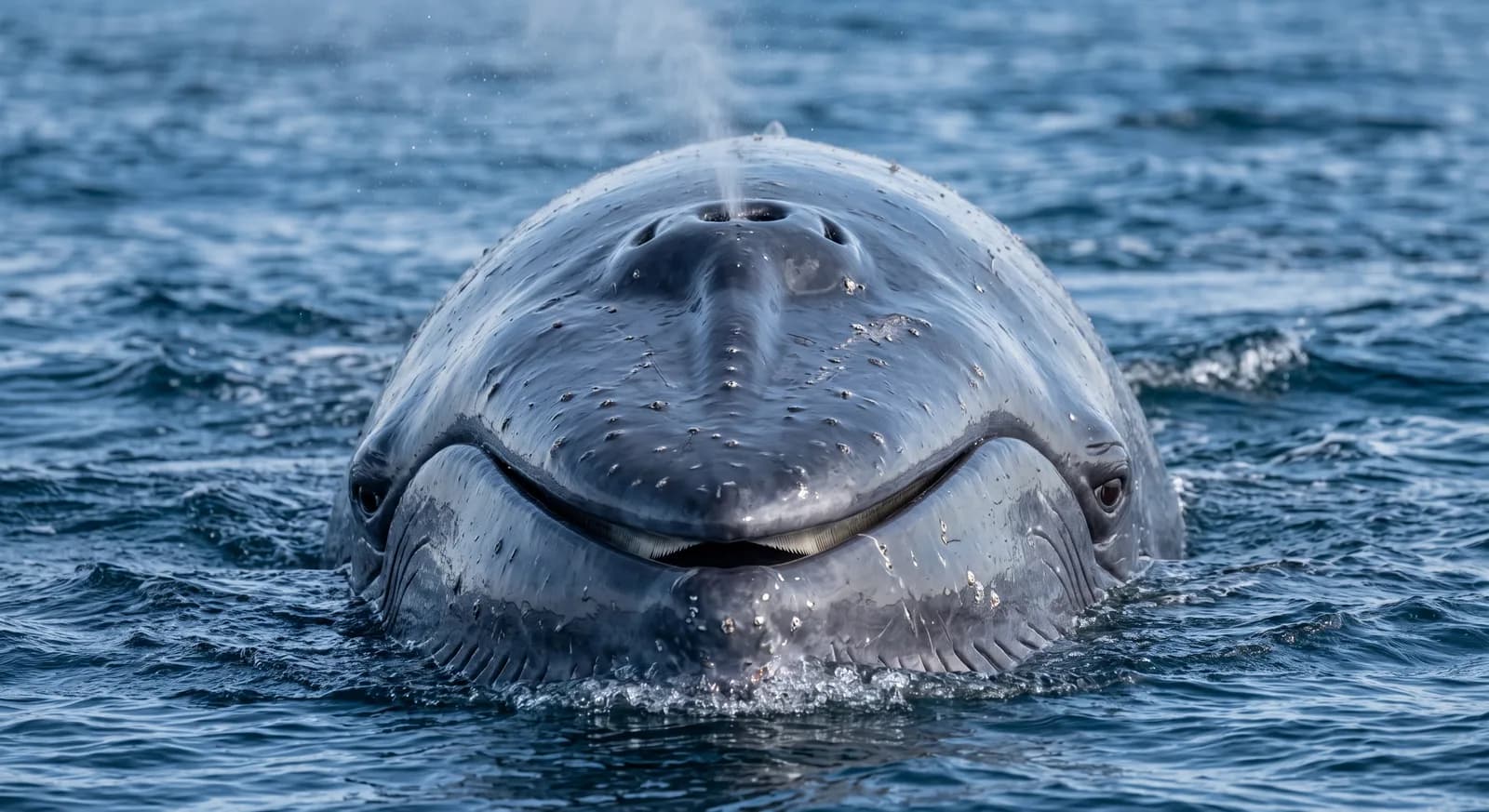
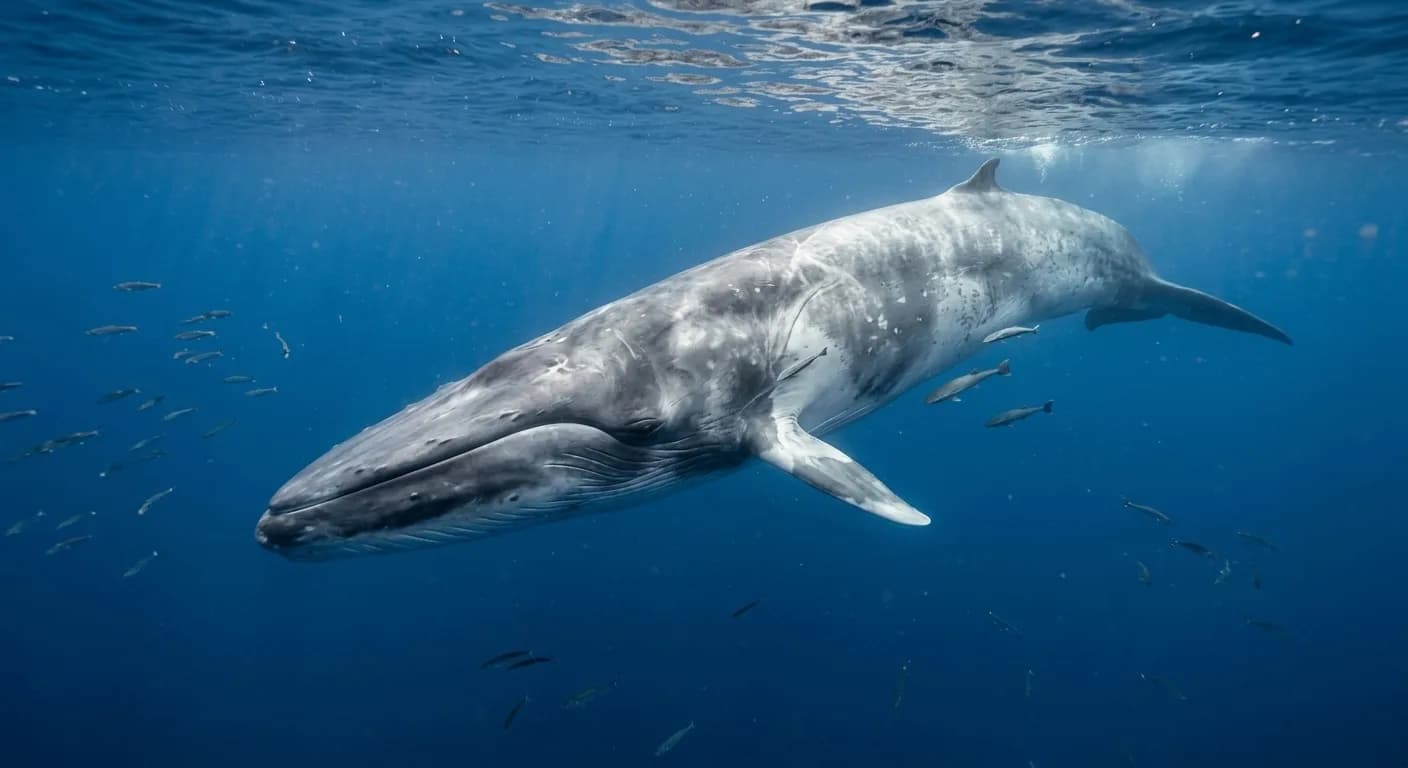
Norway extends over more than 1,700 kilometres of latitude, from temperate forests in the south to the High Arctic of Svalbard, and its coast, cut by fjords and dotted with tens of thousands of islands, generates exceptional marine productivity. Warm Atlantic currents let marine life thrive at latitudes where other continents have only ice: blue whiting, herring and capelin sustain immense seabird colonies on Lofoten, Runde and Vardø, and draw orcas and humpbacks that follow the herring shoals into the fjords in winter. The mountainous interior holds the last truly wild reindeer population in Europe, on Hardangervidda, alongside wolverines, lynx, Arctic foxes and a small brown bear population. On Svalbard the fauna narrows to a purely Arctic cast: polar bear, Svalbard reindeer, Arctic fox and walrus.
National animal: The white-throated dipper, national bird since 1963; the moose is the popular wildlife symbol
The muskox is not native to mainland Norway: it died out there millennia ago and was reintroduced from Greenland into the Dovrefjell massif during the 1930s and 1940s. That small herd of imported animals prospered, and the plateau now holds the only European population of the species, a couple of hundred animals grazing on alpine tundra.
Svalbard is warming several times faster than the global average and the loss of sea ice is compromising the polar bear's hunting. The wild reindeer of Hardangervidda are further affected by fragmentation from roads and reservoirs.
Dovrefjell between June and September for muskox. The northern fjords, at Skjervøy and Tromsø, between November and January for orcas and humpbacks following the herring. Runde and Lofoten in summer for seabird colonies.
597 species found
Based on what we already know about Norway.