 Critically Endangered
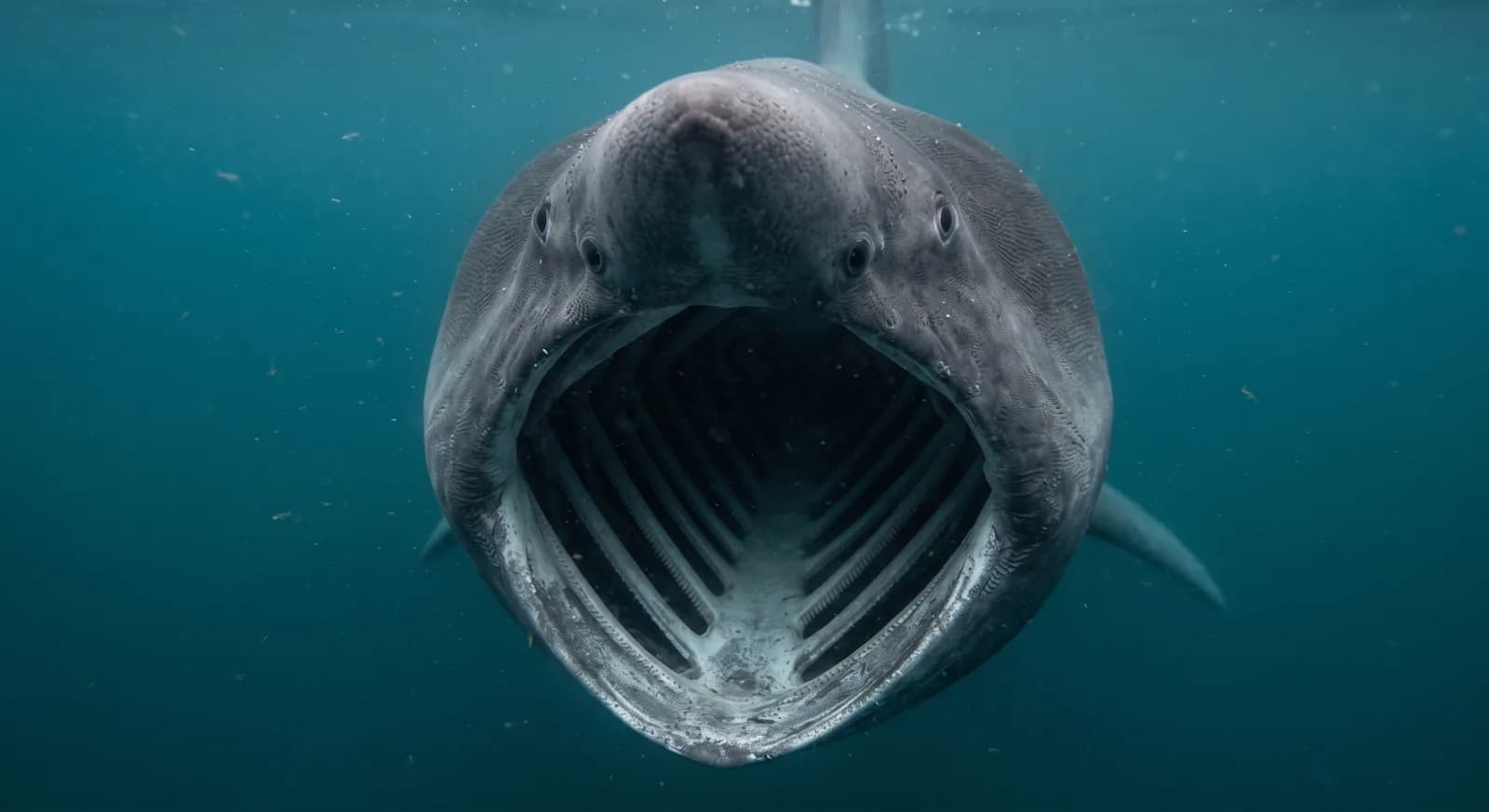
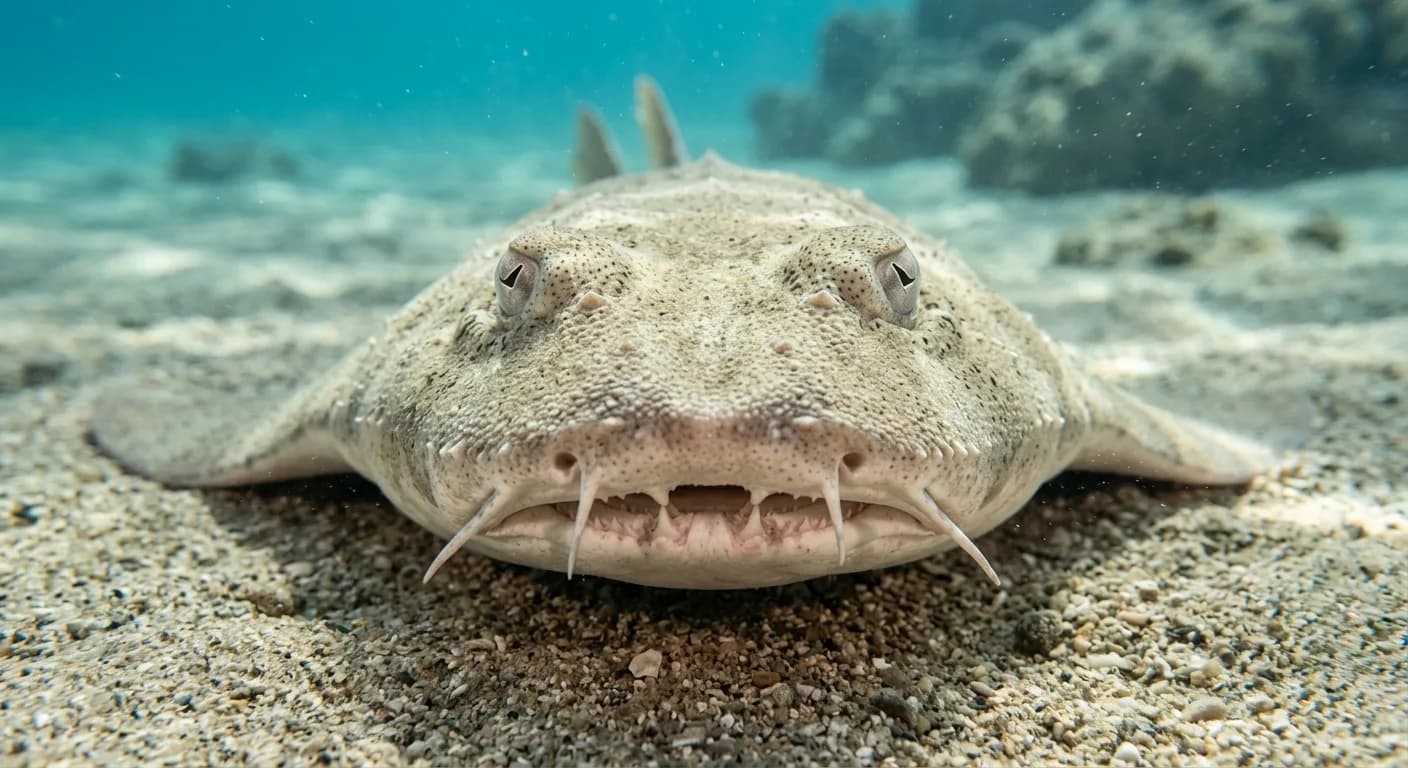
Angelshark
Squatina squatina
Europe
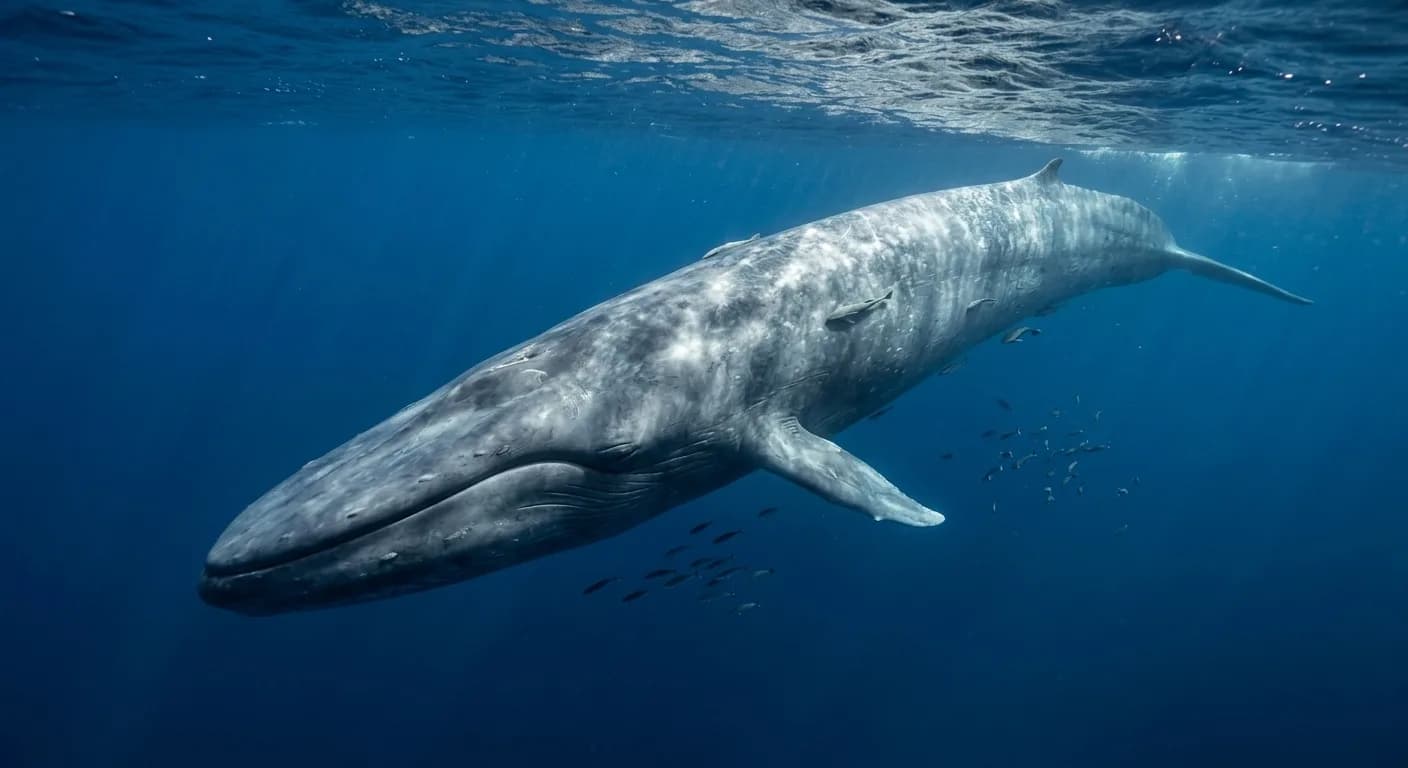
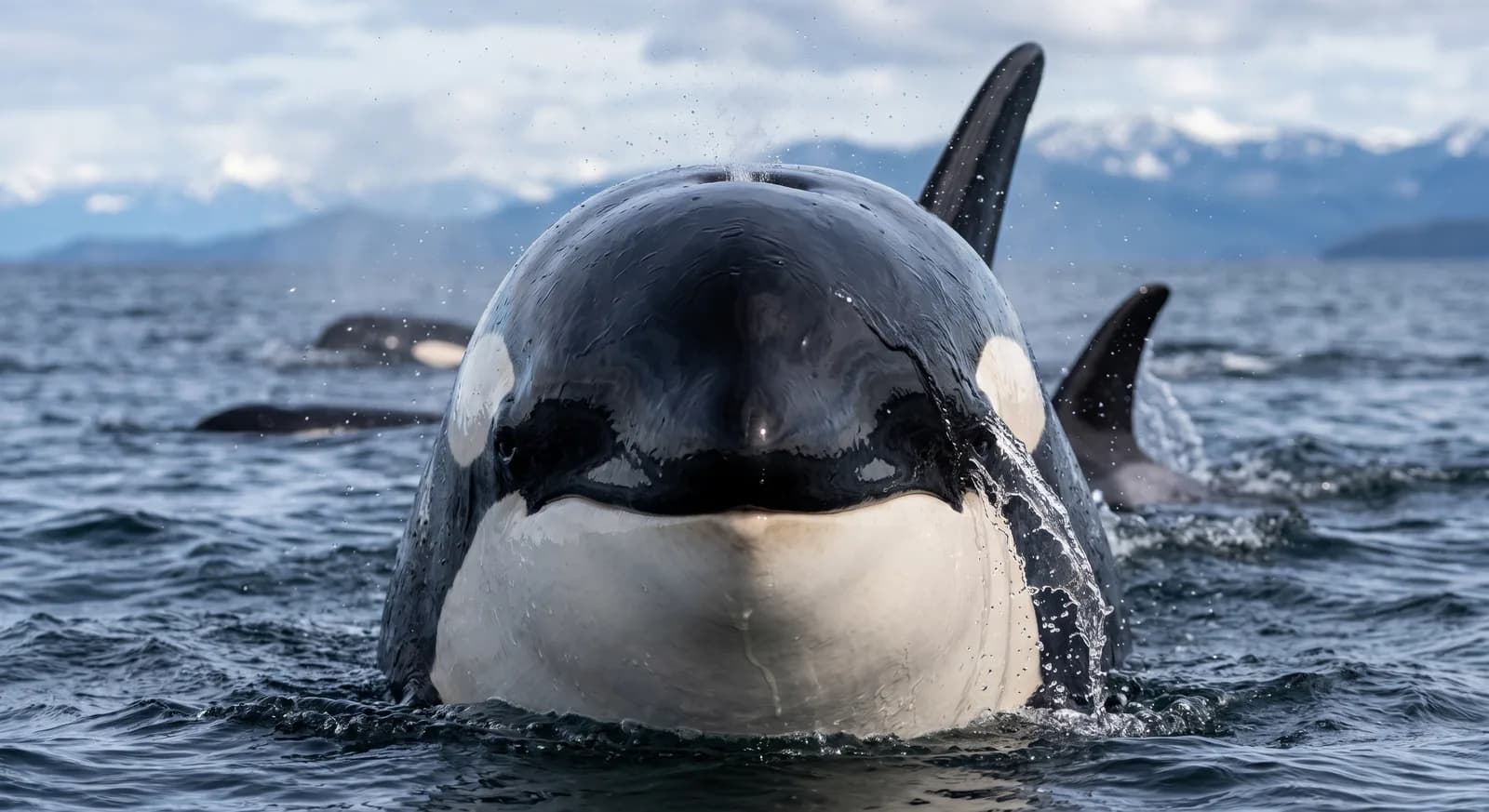
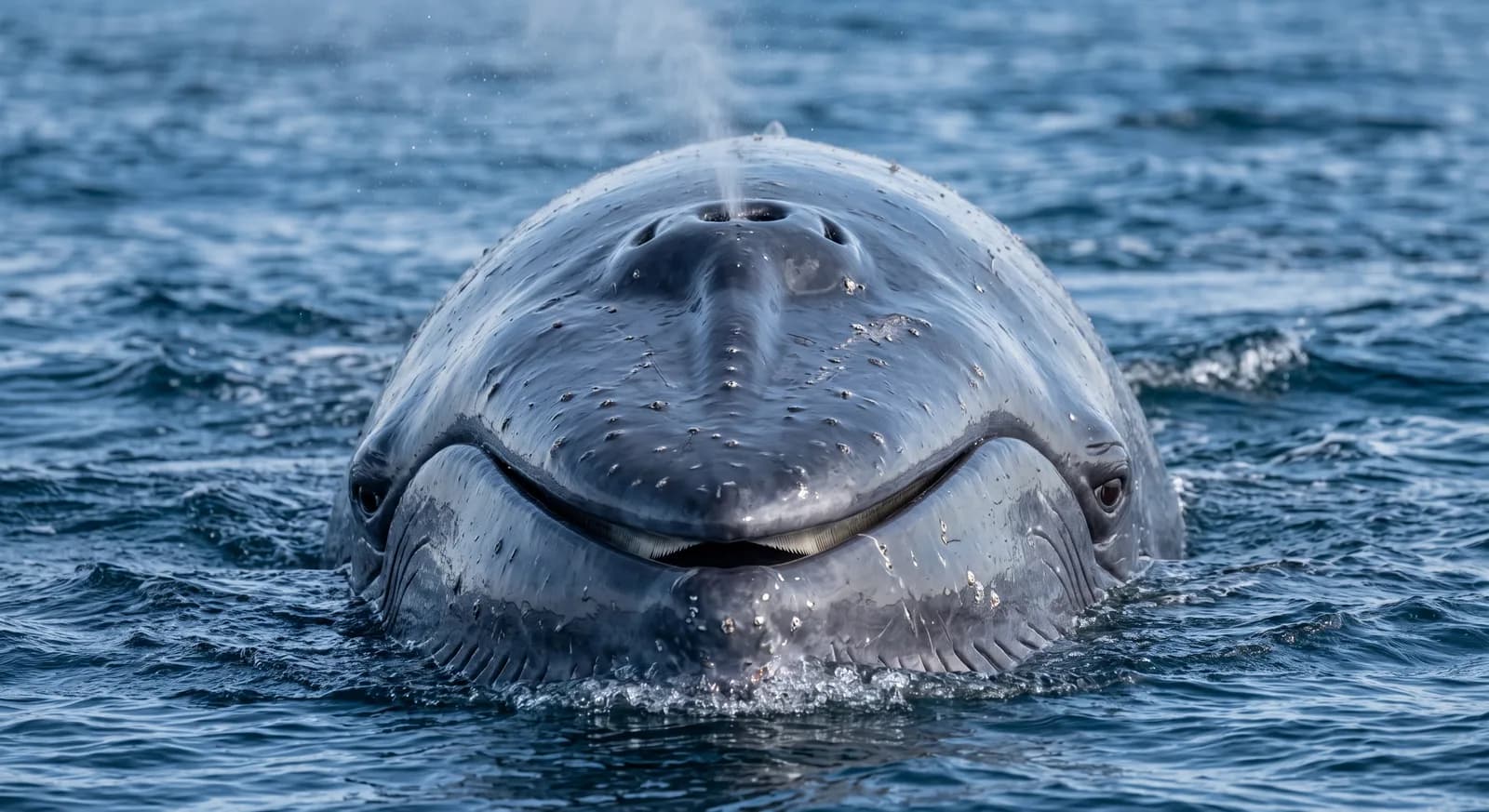
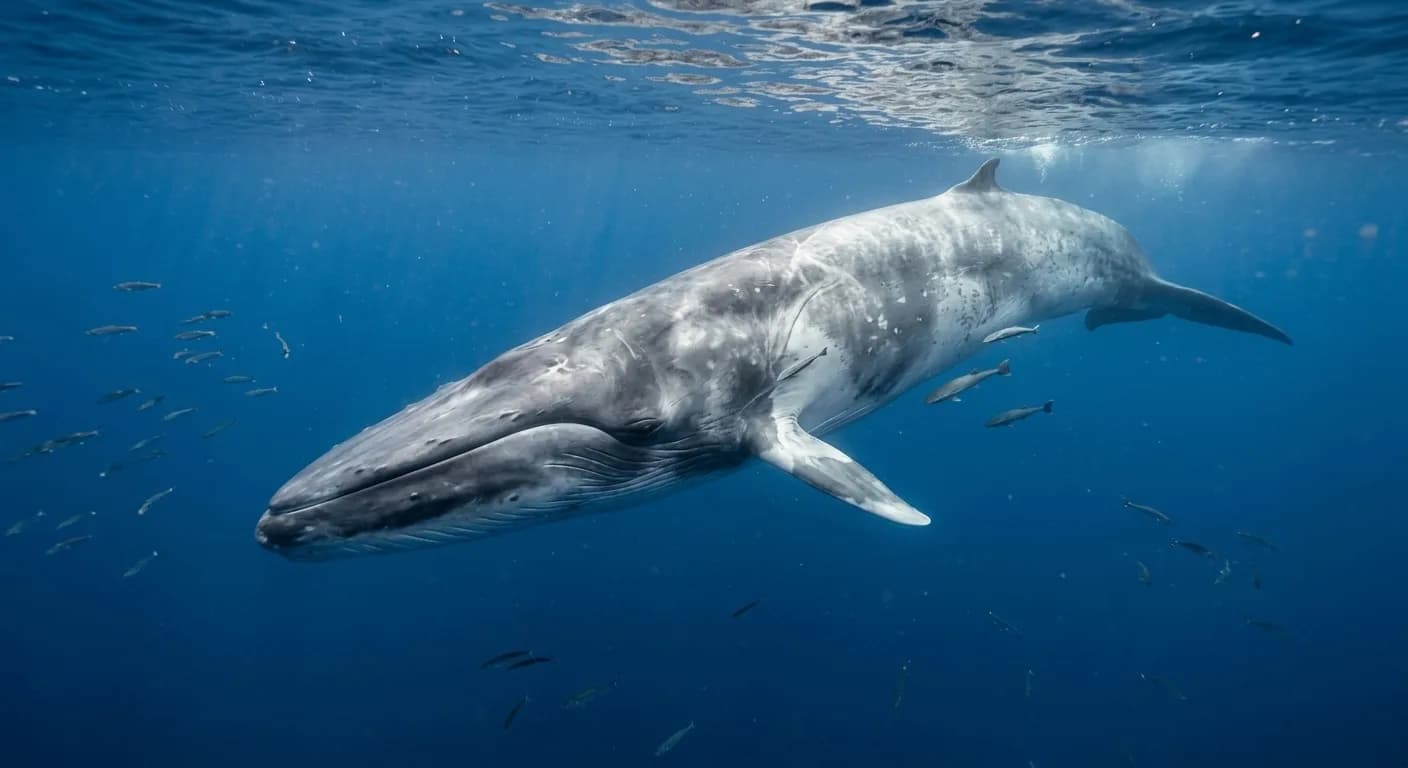
Iceland is a young volcanic island sitting on the Mid-Atlantic Ridge, and its geological youth explains a very poor land biodiversity accompanied by an enormous marine richness. There are no extensive forests and no native reptiles or amphibians, and the vegetation is limited to mosses, lichens, heaths and dwarf willows over lava fields. Its cliffs, on the other hand, sustain seabird colonies of continental scale: around half the world population of Atlantic puffin breeds on the island, alongside guillemots, fulmars and skuas. The wetlands of the north, around Lake Mývatn, bring together one of the greatest diversities of duck in the northern hemisphere, fuelled by the mass hatching of midges. At sea, the cold and productive waters of the north and west concentrate humpback whales, minke whales, sperm whales and the blue whale, and Skjálfandi bay, at Húsavík, is one of the most reliable whale-watching points in the North Atlantic.
National animal: The gyrfalcon, the national bird and a historic symbol of the country
The Arctic fox is the only native land mammal of Iceland: it arrived on its own at the end of the last glaciation, walking over the sea ice that joined the island to Greenland, thousands of years before the first humans. Every other land mammal on the island, from mice to reindeer, was introduced by people.
Hornstrandir, uninhabited and free of hunting for decades, makes it possible to watch Arctic foxes that barely fear people. Soil erosion, worsened by centuries of sheep grazing, is the island's great historic environmental problem.
Látrabjarg and Dyrhólaey between May and August for puffins. Húsavík between June and August for whales. Mývatn in June for breeding ducks.
239 species found
Based on what we already know about Iceland.