Skip to content
WAnimals
  • Map
  • Species
  • Parks
  • Diving
Log inCreate account
WAnimals

The guide for travellers and animal lovers: discover, plan and share your wild adventures around the world.

Discover wildlife

  • Species
  • Ecosystems
  • Glossary
  • Tags

Explore places

  • Map
  • Countries
  • Parks
  • Diving

Plan experiences

  • Guides

Learn

  • Blog

Resources

  • About us
  • How we build our profiles
  • Help centre
  • Contact
  • Install the app

Follow us

Account

  • Log in
  • Create account

© 2026 WAnimals. All rights reserved.

Terms of servicePrivacyCookiesLegal notice
MapSpeciesParksDiving
  1. Home
  2. Species
  3. Blue Marlin
Blue Marlin (Makaira nigricans)

Bony fish · Istiophoriformes · Istiophoridae

Blue Marlin

Makaira nigricans

Vulnerable

At high risk of extinction in the wild over the medium term.

Spotted something wrong?

The blue marlin, also known as the Atlantic blue marlin, is a marlin that lives in the tropical and subtropical waters of the Atlantic and adjoining seas. It occurs both in the north, off Canada, and in the south, off Argentina, as well as in the west and the east. Its migration routes follow the search for food and the demands of breeding, and can be transatlantic or transequatorial. Individuals of this species are solitary and are considered rather aggressive, which makes them sought-after trophies in sport fishing. They reach sexual maturity between two and four years of age.

Weight

93.5 kg on average

Size

up to 5 m

Life expectancy
27 years

Diet

Carnivore

Feeds mainly on other animals.

Activity

Diurnal

Active mainly during the day.

Social structure

Solitary

Lives and hunts alone, joining others only to breed.

Ocean
58countries40parks12dive sites1same family

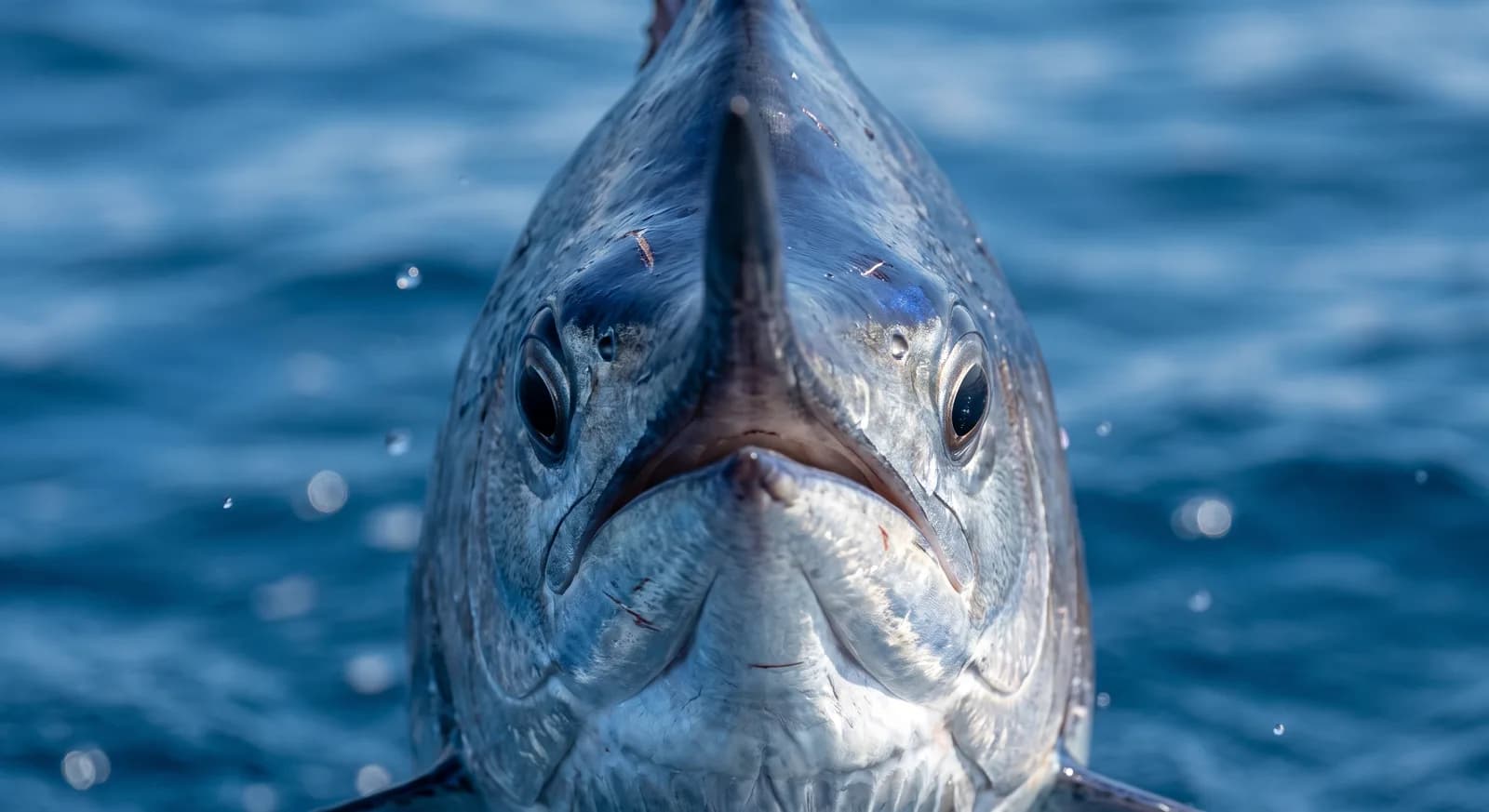
AI-generated images: illustrations, not photographs.

Fun facts

  • The size difference between the sexes is enormous: the largest females weigh more than four times as much as the largest males, which rarely exceed 160 kg. Every record specimen is a female.
  • The bill, measured from the eye to the tip, accounts for around 20% of the total length.
  • It hunts by charging into a school of fish at full speed and striking with its bill to stun them, then returns to eat the injured prey.
  • Its Vulnerable listing is based on a decline of between 33 and 37% over three generations, some 27 years. It is overexploited in the Atlantic and the Indian Ocean, though not in the Pacific.
  • Most catches are not targeted: it is taken as bycatch in the tuna and swordfish longline fisheries.

Life cycle and biology

Skeleton type
Vertebrate - internal bony skeleton (bony fish)
Habitat and environment
Tropical and subtropical pelagic waters; its range shifts seasonally, moving away from the equator in the warm months and contracting back towards it in the cold ones
Sexual maturity
Females at around 179 cm and males at around 130 (fork length, western Pacific)

Sources consulted: Wikipedia (es): Makaira nigricans

Where to find it

Loading map…

Where to see it

Parks and dive sites where this species has been documented — showing 20 of 52.

Related species

Other species in the catalogue with the most in common with Blue Marlin — same habitat, park, country, tags or family.

Shares a park
Shares a park
Shares a park
Shares a park
Shares a park
Shares a park

How to help

The blue marlin is classified as vulnerable. Organisations such as the IUCN, WWF and the Wildlife Conservation Society work specifically on its conservation and that of its habitat; looking into their programmes is a good starting point if you want to get involved.

It's documented in 12 protected areas — one reason why protecting these places matters for its conservation.

Keep exploring

Based on what we already know about blue marlin.

Share an experience, a fun fact or a tip for seeing the blue marlin.
See full glossary
This page in other languages: Español · Deutsch · Français · Português · Italiano

The pins mark the parks and dive sites where its presence is documented.

See its range on the interactive map→
Doñana National ParkSpain
TeideSpain
EvergladesUnited States
Sian Ka'anMexico
Bacalar ChicoBelize
GuánicaPuerto Rico
JaraguaDominican Republic
Tobago Main RidgeTrinidad and Tobago
Exuma Cays Land and Sea ParkBahamas
Fernando de NoronhaBrazil
Tiger BeachBahamas
Fernando de NoronhaBrazil
El Hierro / La RestingaSpain
Cape Verde (Sal Island)Cabo Verde
Azores (Princess Alice Bank)Portugal
Jupiter (shark drift diving)United States
Boa VistaCabo Verde
Ascension IslandUnited Kingdom
Sal Rei (Boa Vista)Cabo Verde
Bimini (great hammerhead)Bahamas
See all 40 parks
See all 12 dive sites
Leatherback Sea TurtleVulnerable

Leatherback Sea Turtle

Dermochelys coriacea

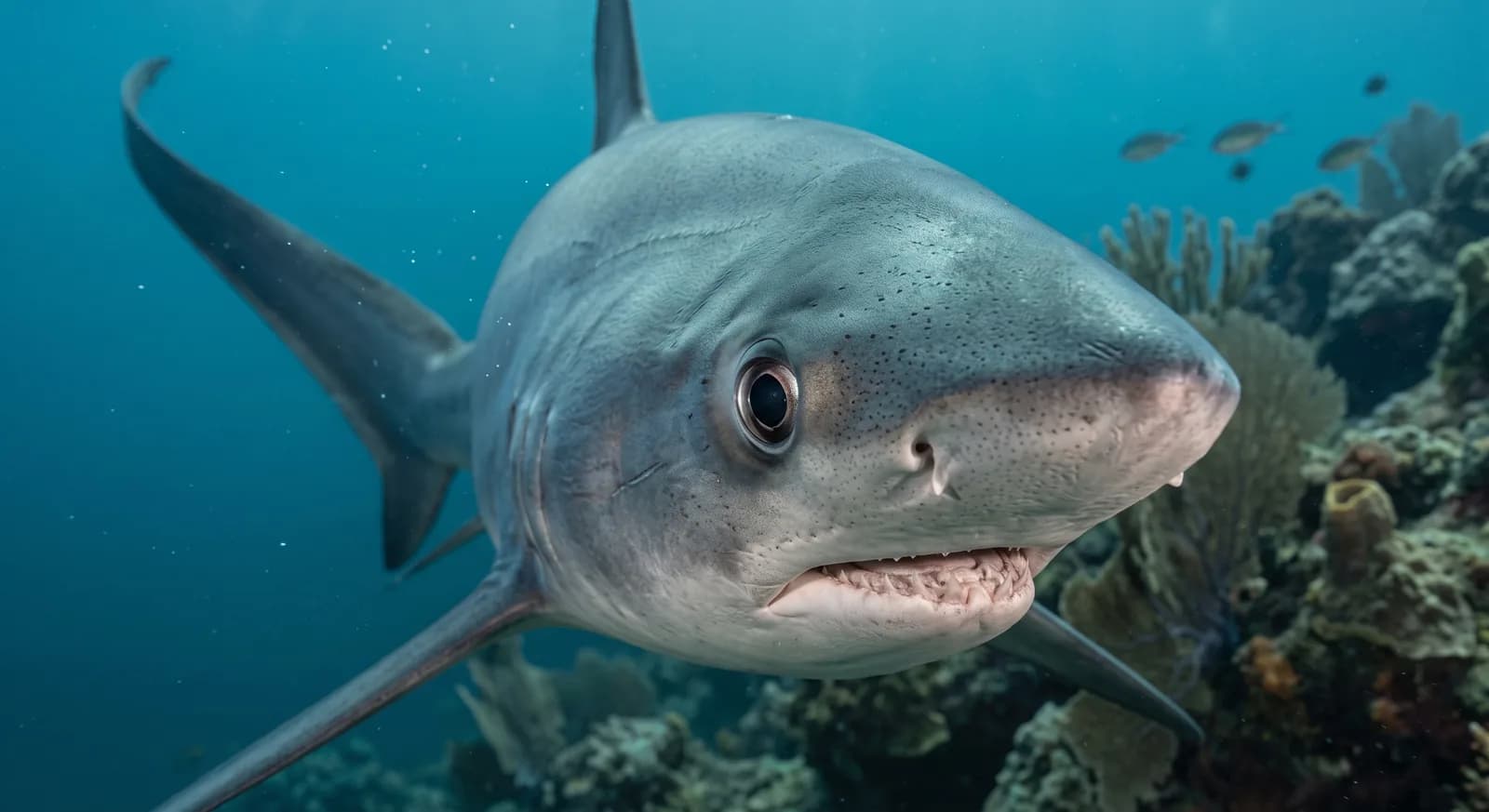
Common Thresher SharkVulnerable

Common Thresher Shark

Alopias vulpinus

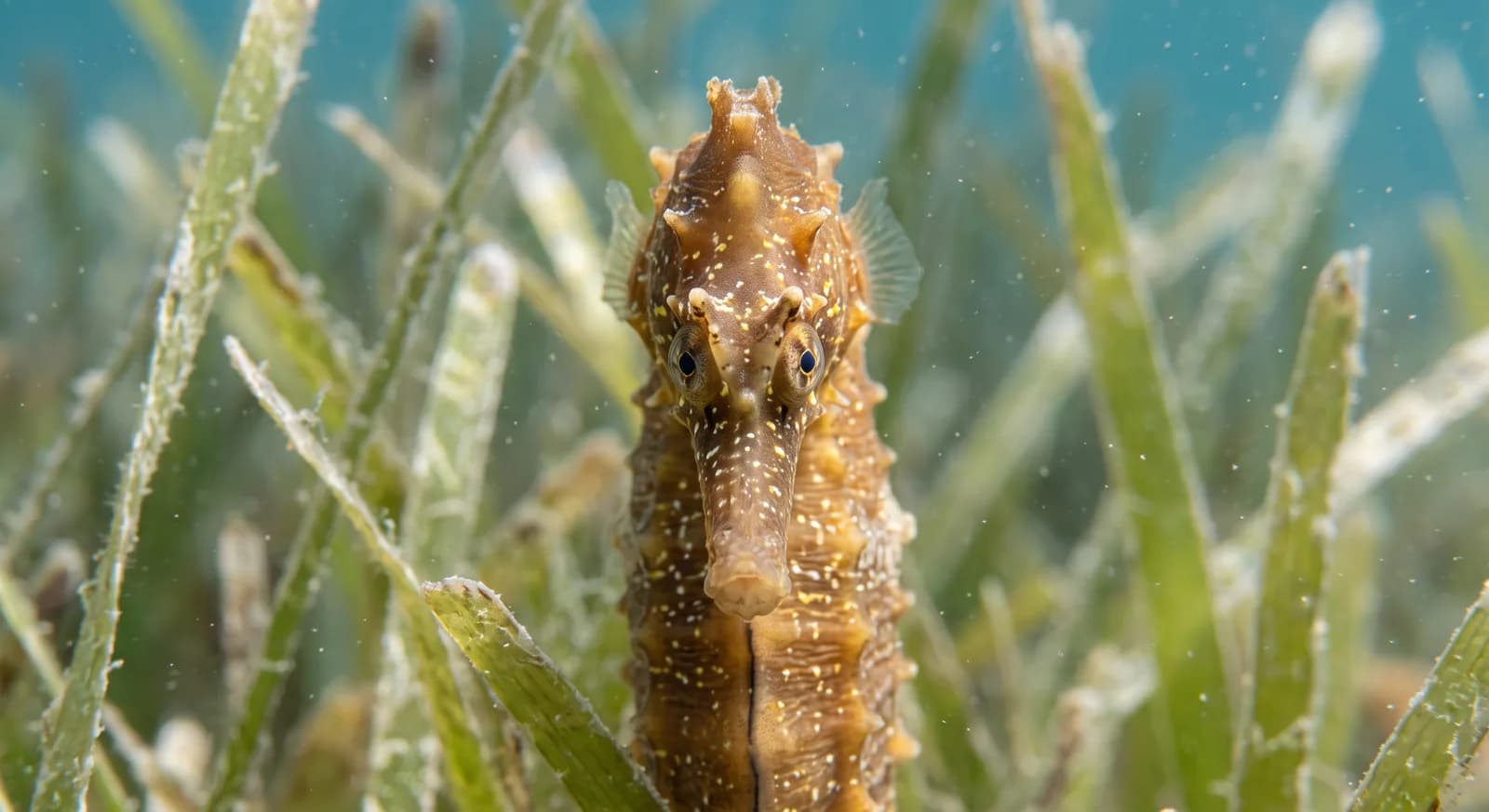
Short-snouted SeahorseVulnerable

Short-snouted Seahorse

Hippocampus hippocampus

Vulnerable

Atlantic Goliath Grouper

Epinephelus itajara

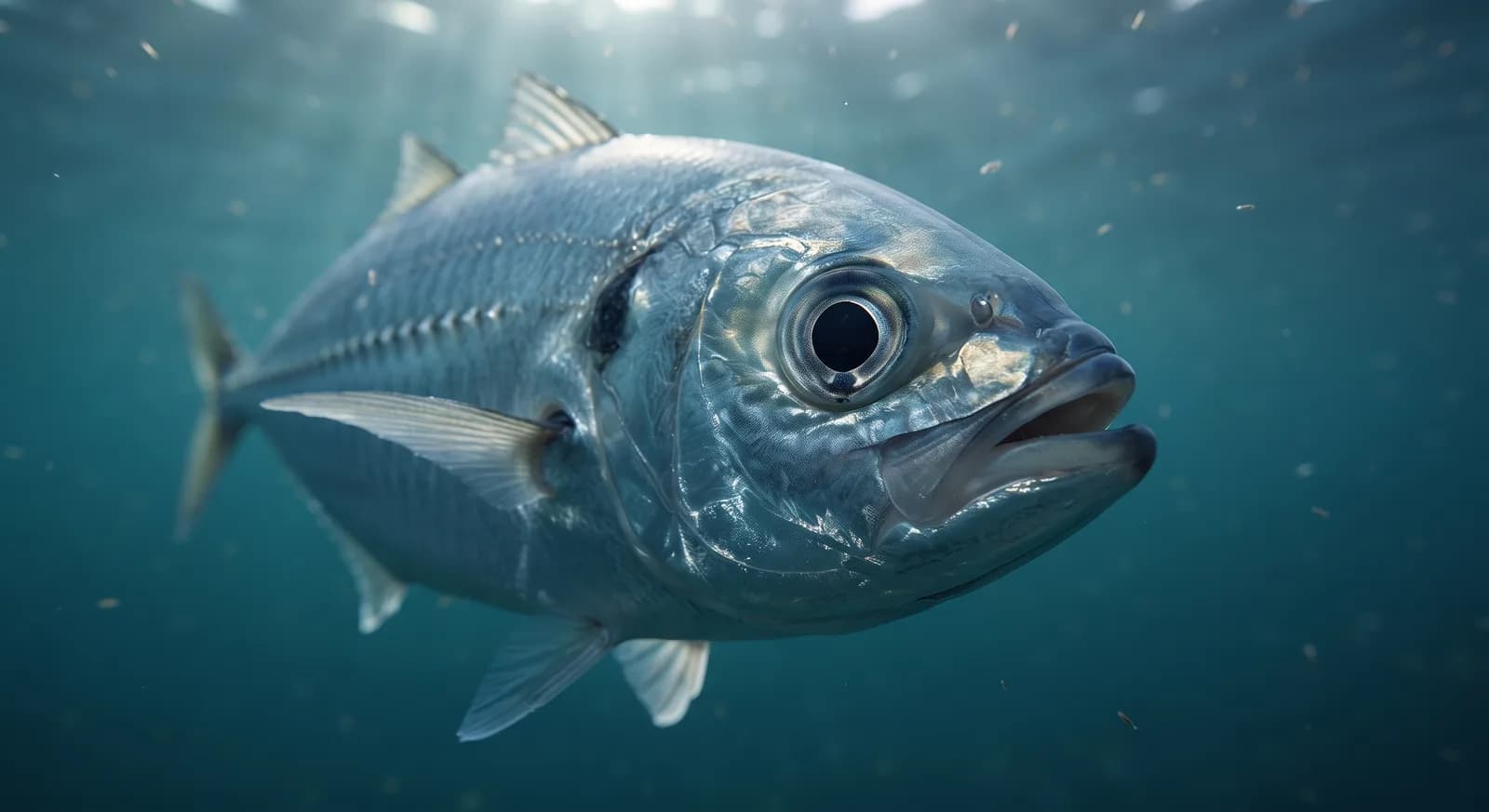
Horse MackerelVulnerable

Horse Mackerel

Trachurus trachurus

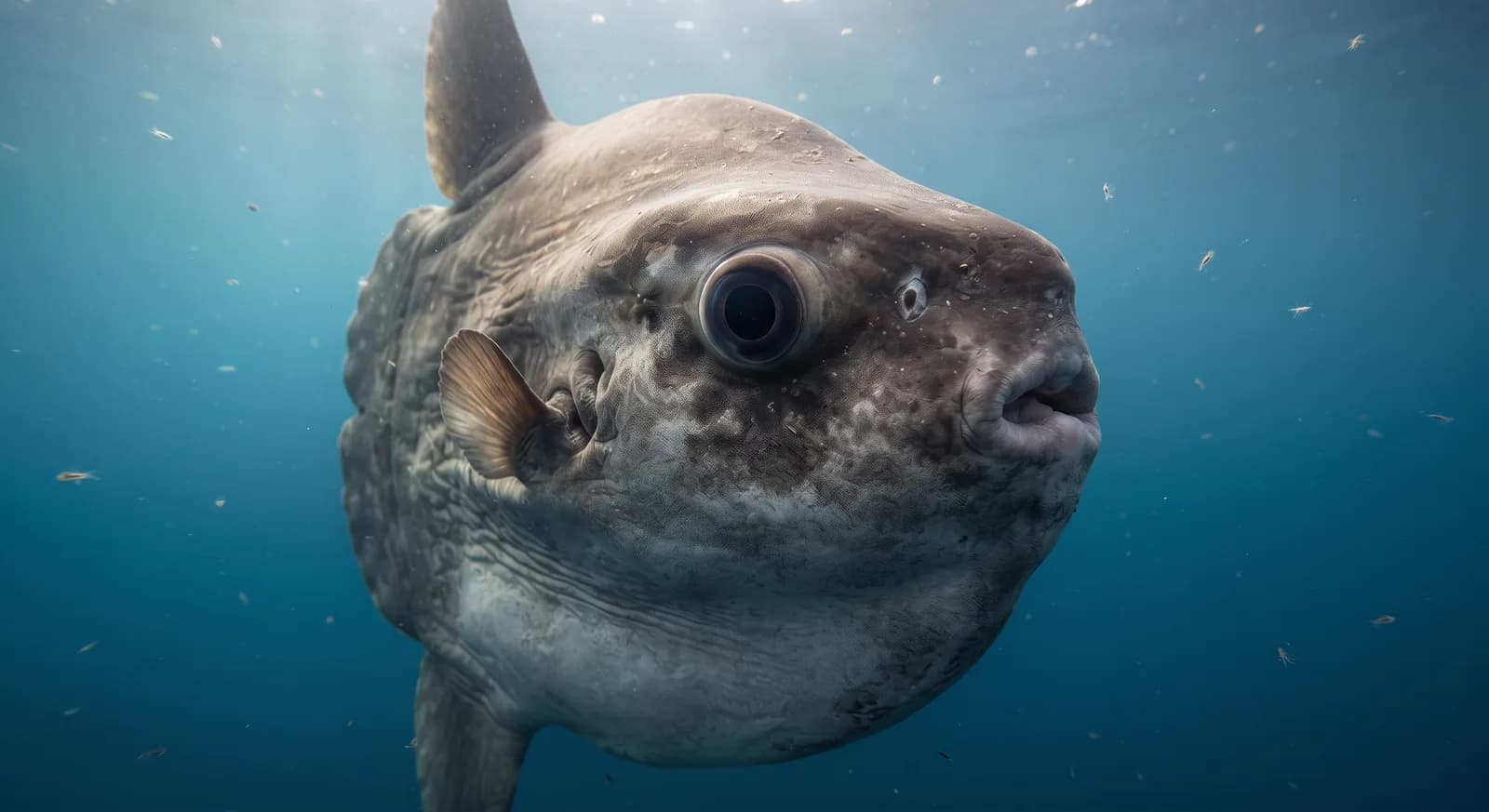
Ocean SunfishVulnerable

Ocean Sunfish

Mola mola

CountriesSpain
ParksDoñana National ParkSpain
TagsCarnivore
Carnivore
Diurnal
Solitary
Vulnerable
Fish
Ocean

North America24

Africa16

Europe9

South America8

Asia1

Spain
United States
Portugal
Brazil
Bahamas
Belize
Aruba
Bahamas
Barbados
Belize
Bermuda
Canada
Cayman Islands
Costa Rica
Cuba
Curaçao
Dominican Republic
Greenland
Guadeloupe
Haiti
Honduras
Jamaica
Martinique
Mexico
Nicaragua
Panama
Puerto Rico
Saint Lucia
Trinidad and Tobago
United States
Angola
Cabo Verde
Cameroon
Côte d’Ivoire
Gabon
Gambia
Ghana
Guinea
Liberia
Mauritania
Morocco
Namibia
Nigeria
Senegal
Sierra Leone
South Africa
France
Greece
Iceland
Ireland
Italy
Norway
Portugal
Spain
United Kingdom
Argentina
Brazil
Colombia
French Guiana
Guyana
Suriname
Uruguay
Venezuela
Türkiye