 Critically Endangered
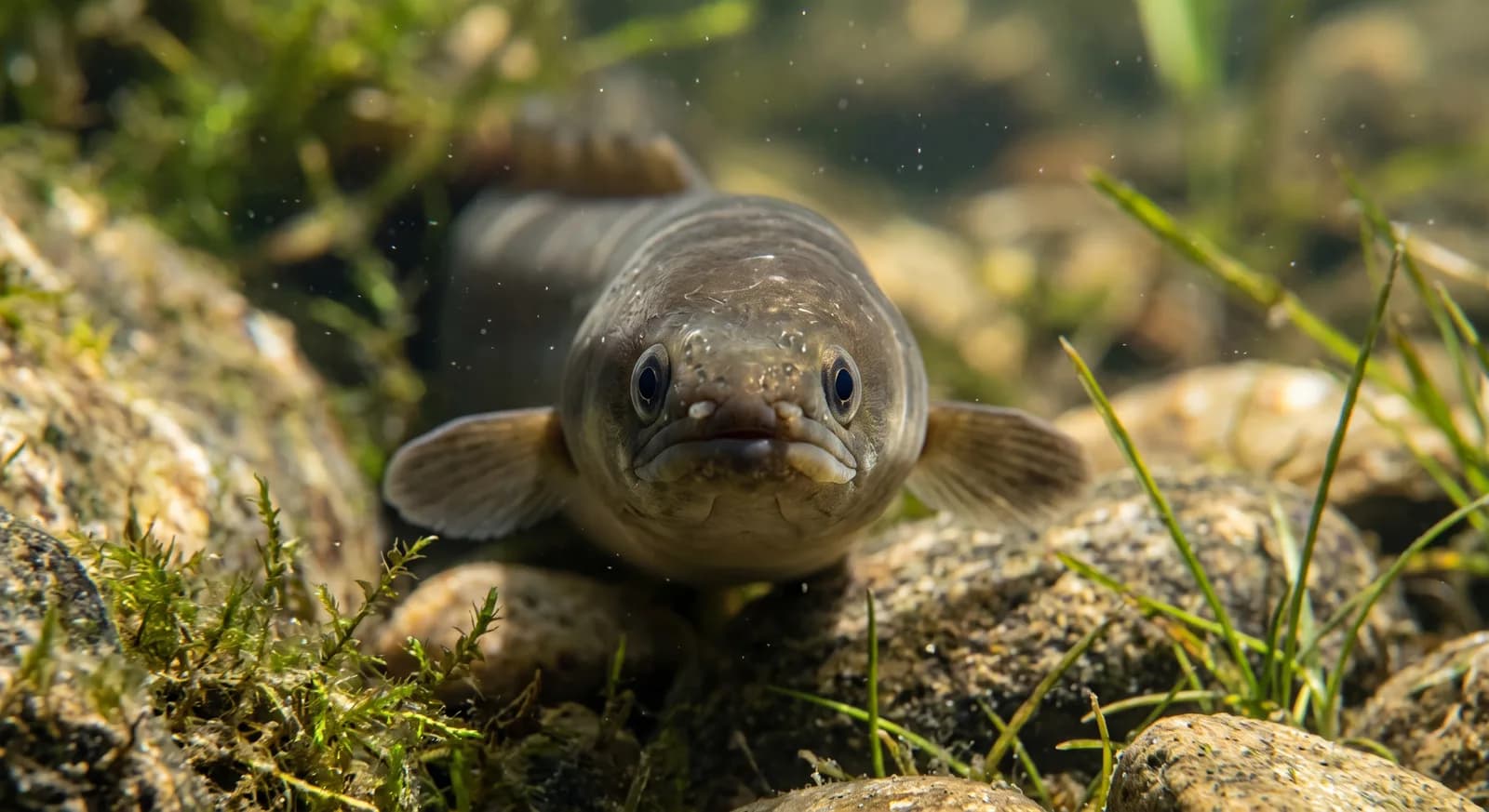
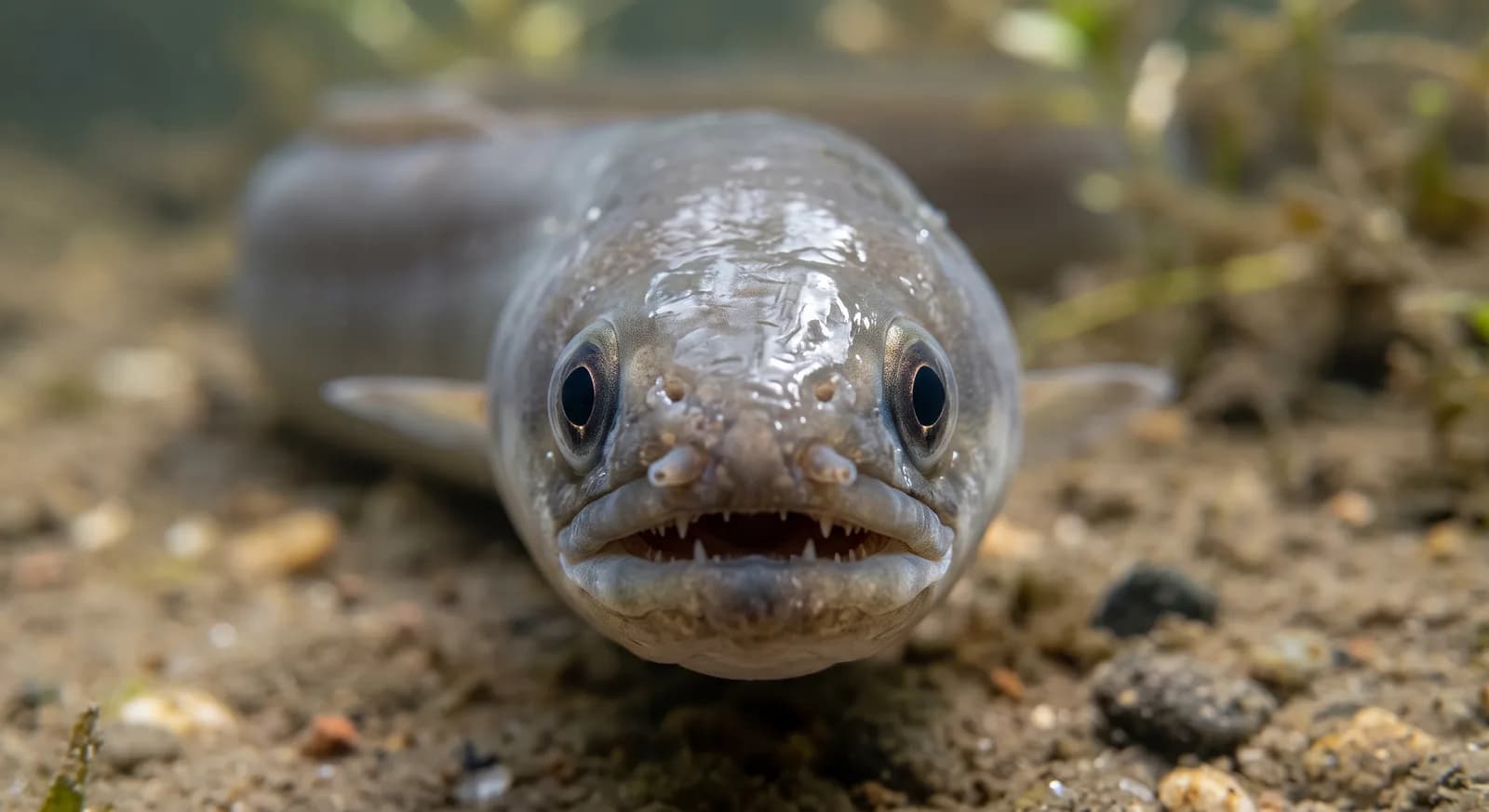
European Eel
Anguilla anguilla
North America
Greenland is the largest island in the world and around four fifths of its surface is covered by an ice sheet up to three kilometres thick, the second largest on the planet after the Antarctic one. Life is concentrated in the narrow ice-free coastal strip, a treeless tundra where dwarf willows and heaths grow and where musk oxen, reindeer, Arctic hares and Arctic foxes live. Northeast Greenland National Park is the largest protected area on the planet, bigger than most of the world's countries, and is virtually uninhabited. In the west, the Ilulissat Icefjord receives the ice of one of the fastest glaciers known, and its rich waters draw whales and seals.
National animal: The polar bear, present on Greenland's coat of arms
The narwhal's tusk is not a horn but a left canine tooth that pierces the upper lip and grows in a spiral up to three metres long. It is threaded with millions of nerve endings that turn it into a sensory organ able to detect changes in the water, and it is also used to stun fish. For centuries, those tusks were sold in Europe as genuine unicorn horns at astronomical prices.
The melting of the Greenland ice sheet is one of the main contributors to sea level rise and alters the salinity and the currents of the North Atlantic. Subsistence hunting of narwhals, belugas and seals is regulated by quotas agreed with the Inuit communities.
Disko Bay between June and September for whales and drifting ice. East Greenland in summer for musk oxen. The northern fjords in spring for narwhals among the cracks in the ice.
Where else might I want to travel?
Shared ecosystem: Desert, Tundra / polar, Wetland
Shared ecosystem: Desert, Wetland
Shared ecosystem: Tundra / polar, Wetland
Shared ecosystem: Desert, Tundra / polar, Wetland
134 species found
Based on what we already know about Greenland.