 Critically Endangered
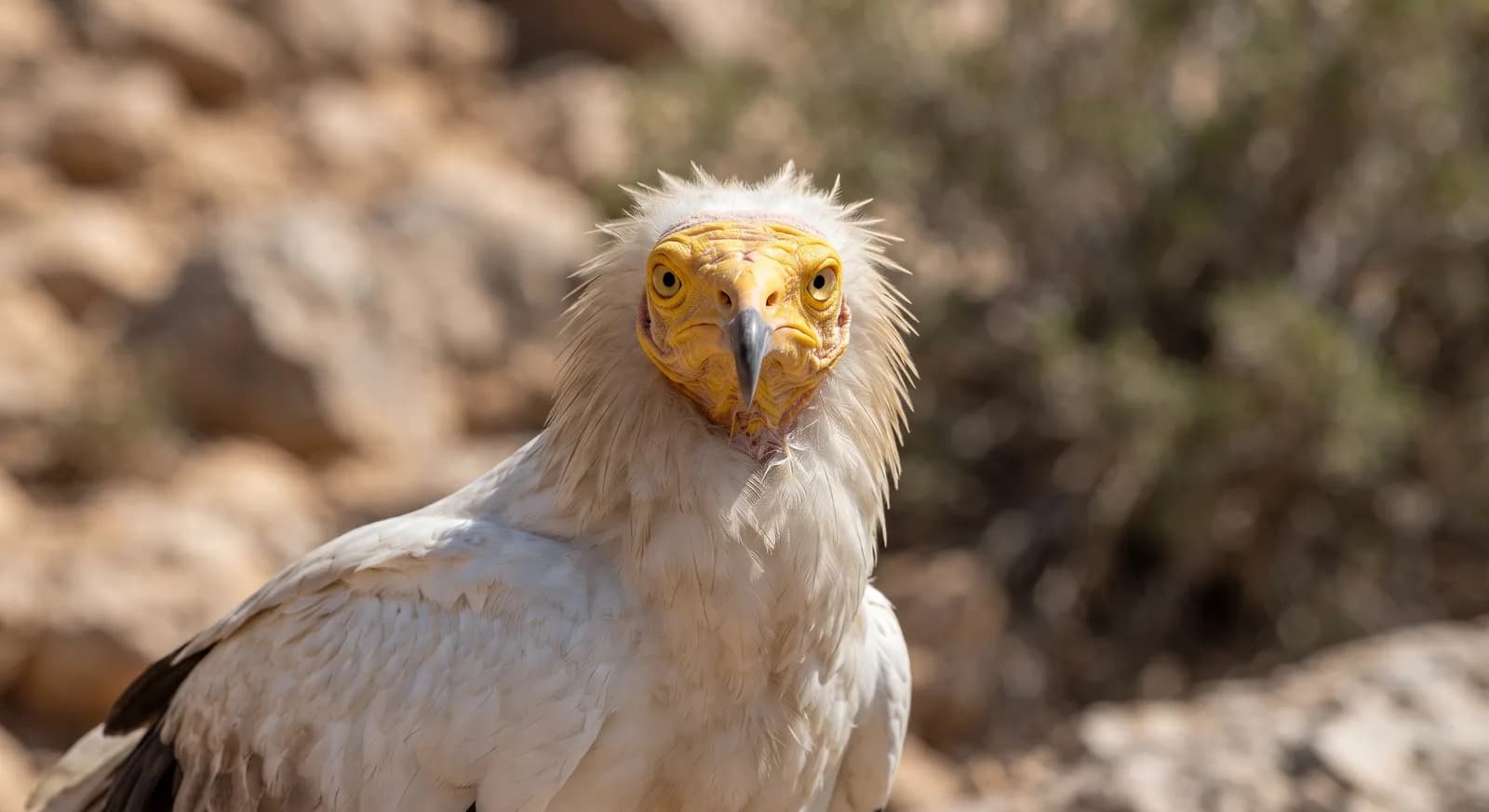
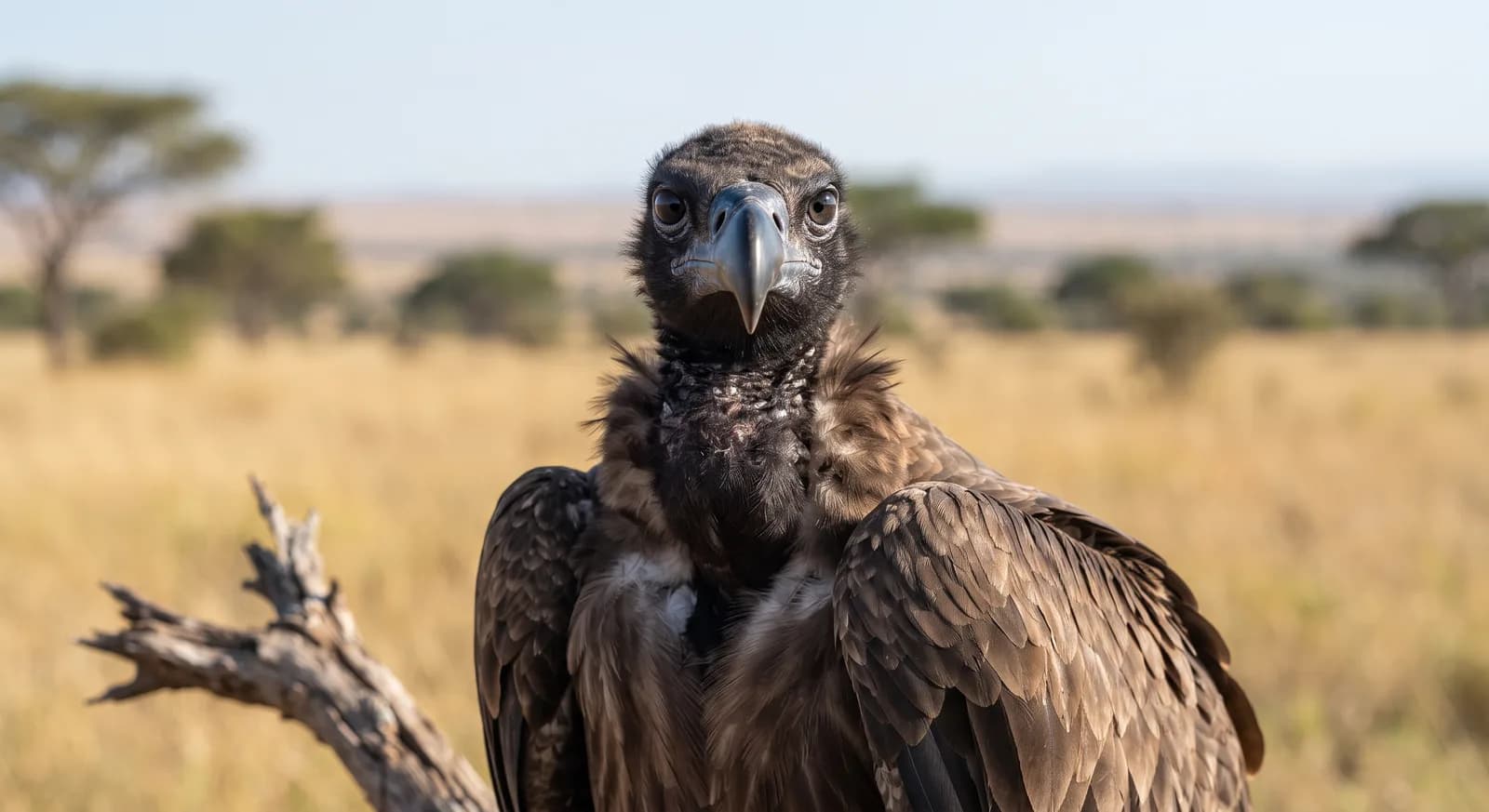
White-backed Vulture
Gyps africanus
Africa
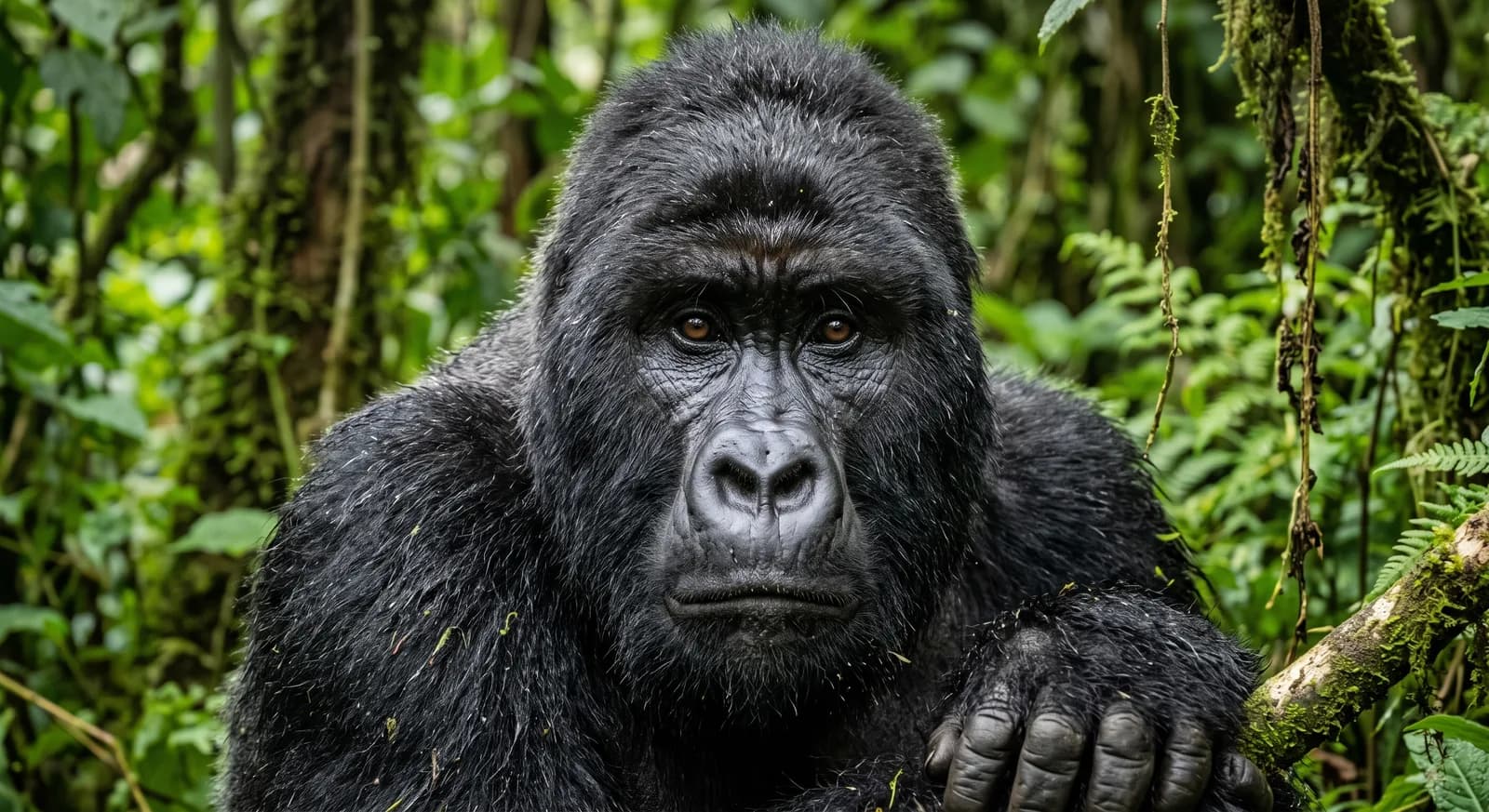
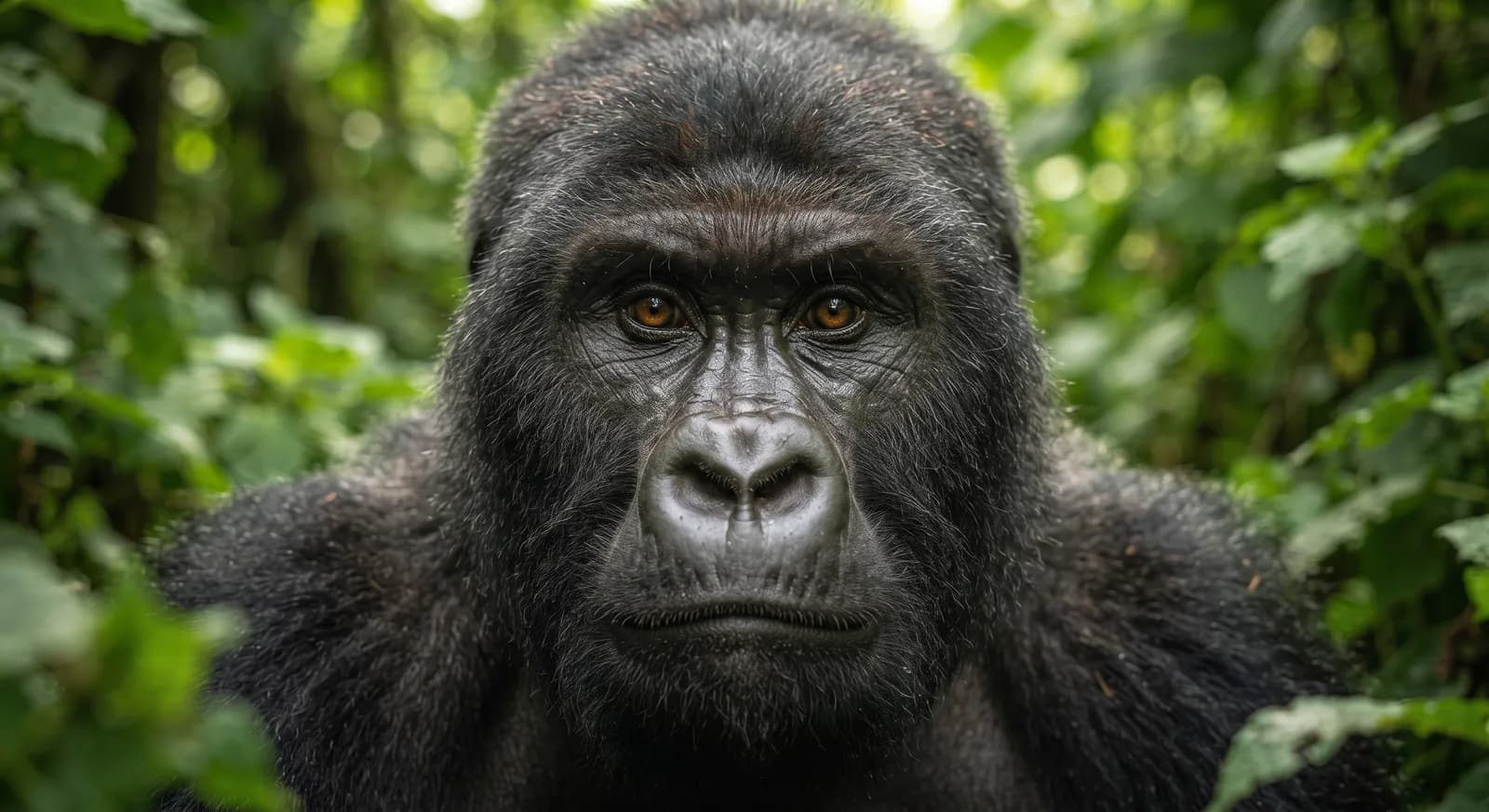
Uganda sits at the meeting point of the forests of central Africa and the savannahs of East Africa, which makes it one of the continent's richest countries in birds and primates relative to its size. To the west, the Rwenzori mountains, the legendary Mountains of the Moon, keep equatorial glaciers and an outsized afroalpine vegetation, with giant lobelias and groundsels. Bwindi, an impenetrable and very ancient montane forest, holds close to half the mountain gorillas left in the world. In Kibale the density of primates is among the highest on the planet, with thirteen species. The plains of Queen Elizabeth and Murchison Falls combine savannah, lakes and the Nile, which at Murchison is squeezed into a gorge barely seven metres wide.
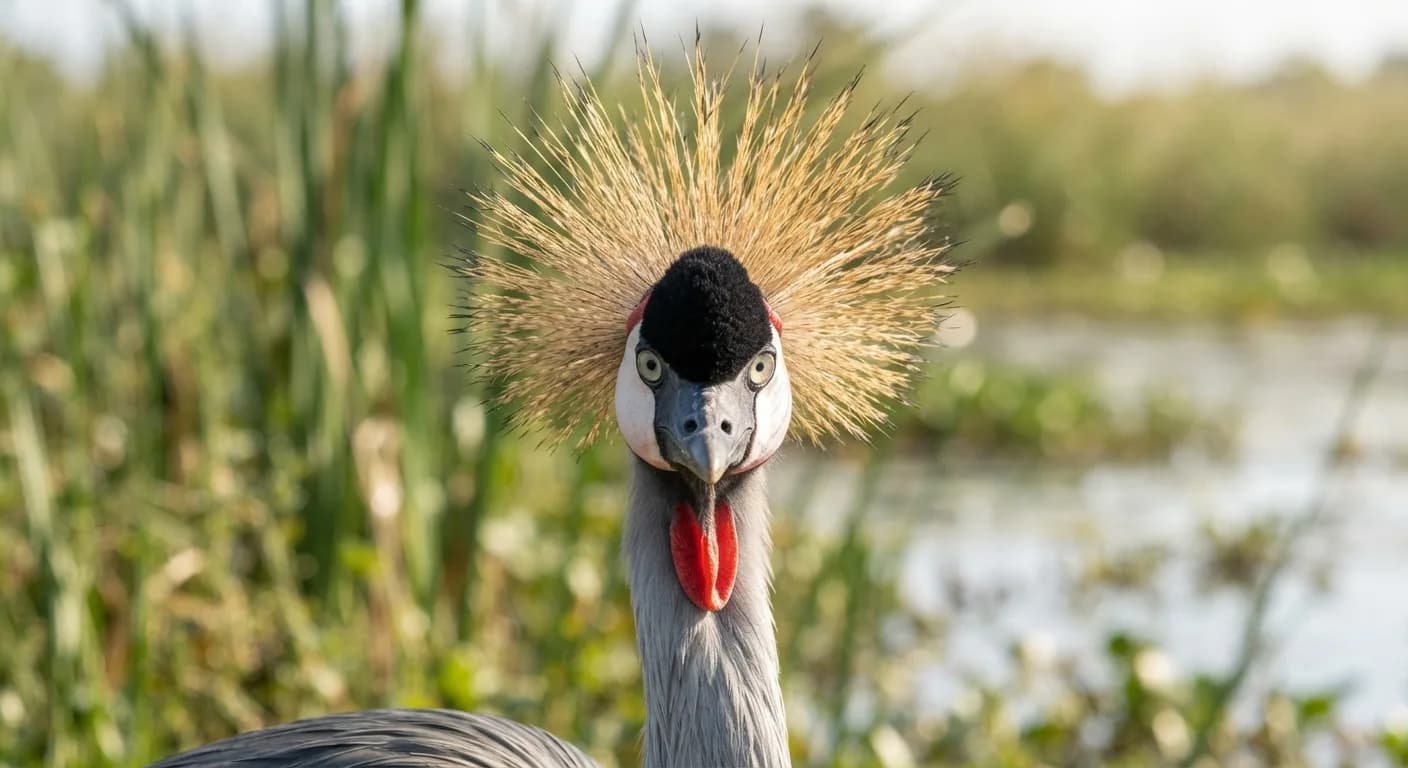
National animal: The grey crowned crane, the national bird, on the country's flag
The shoebill is one of the strangest birds in the world: it stands more than a metre tall, has an enormous clog-shaped bill with a hook at the tip, and hunts by standing completely motionless for half an hour or more until a lungfish comes up to breathe. Then it throws its whole body at the water. The papyrus swamps of Mabamba, beside Lake Victoria, are one of the most reliable places on the planet to see it.
Gorilla-watching tourism funds much of the country's conservation and of the communities neighbouring Bwindi. The tree-climbing lions of Ishasha, which rest in the fig trees, are a population in decline through poisoning and poaching.
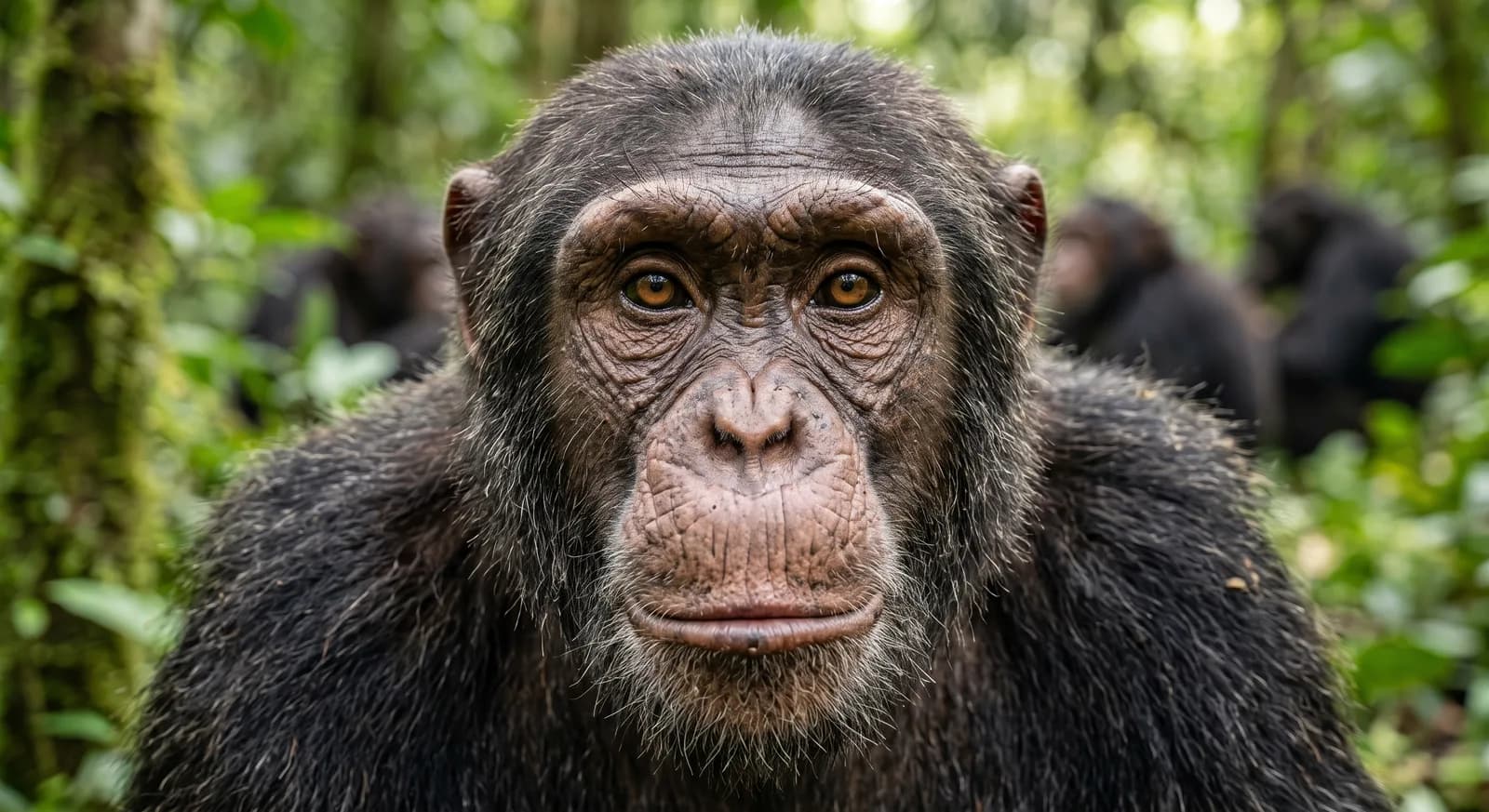
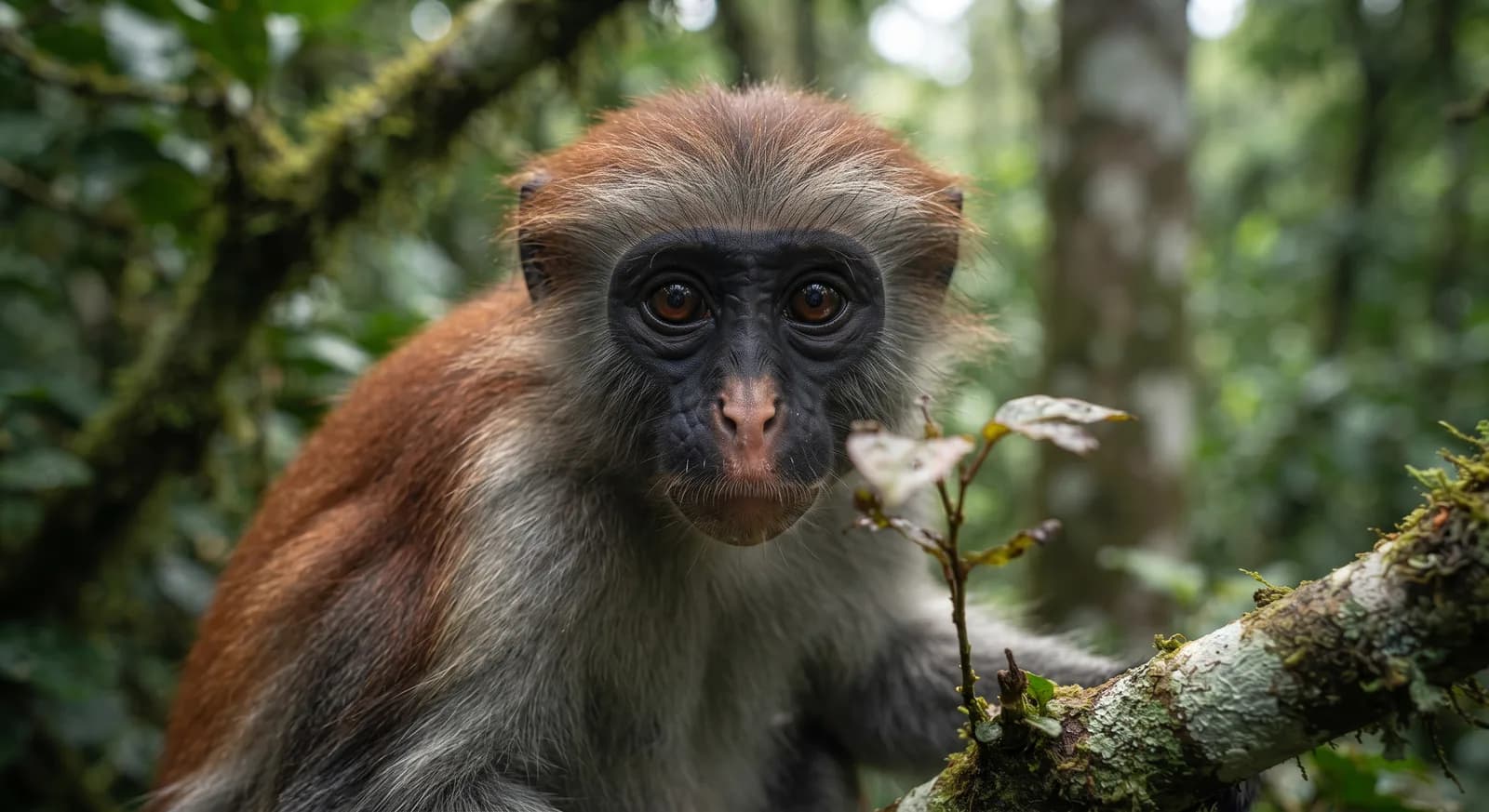
Bwindi year-round for mountain gorillas, with limited permits. Mabamba at dawn for the shoebill. Kibale in the dry season for chimpanzees and primates.
Where else might I want to travel?
Same region: East Africa and the Horn of Africa
Same region: East Africa and the Horn of Africa
Same region: East Africa and the Horn of Africa
Same region: East Africa and the Horn of Africa
213 species found
Based on what we already know about Uganda.