One of the 6 old world vultures on WAnimals
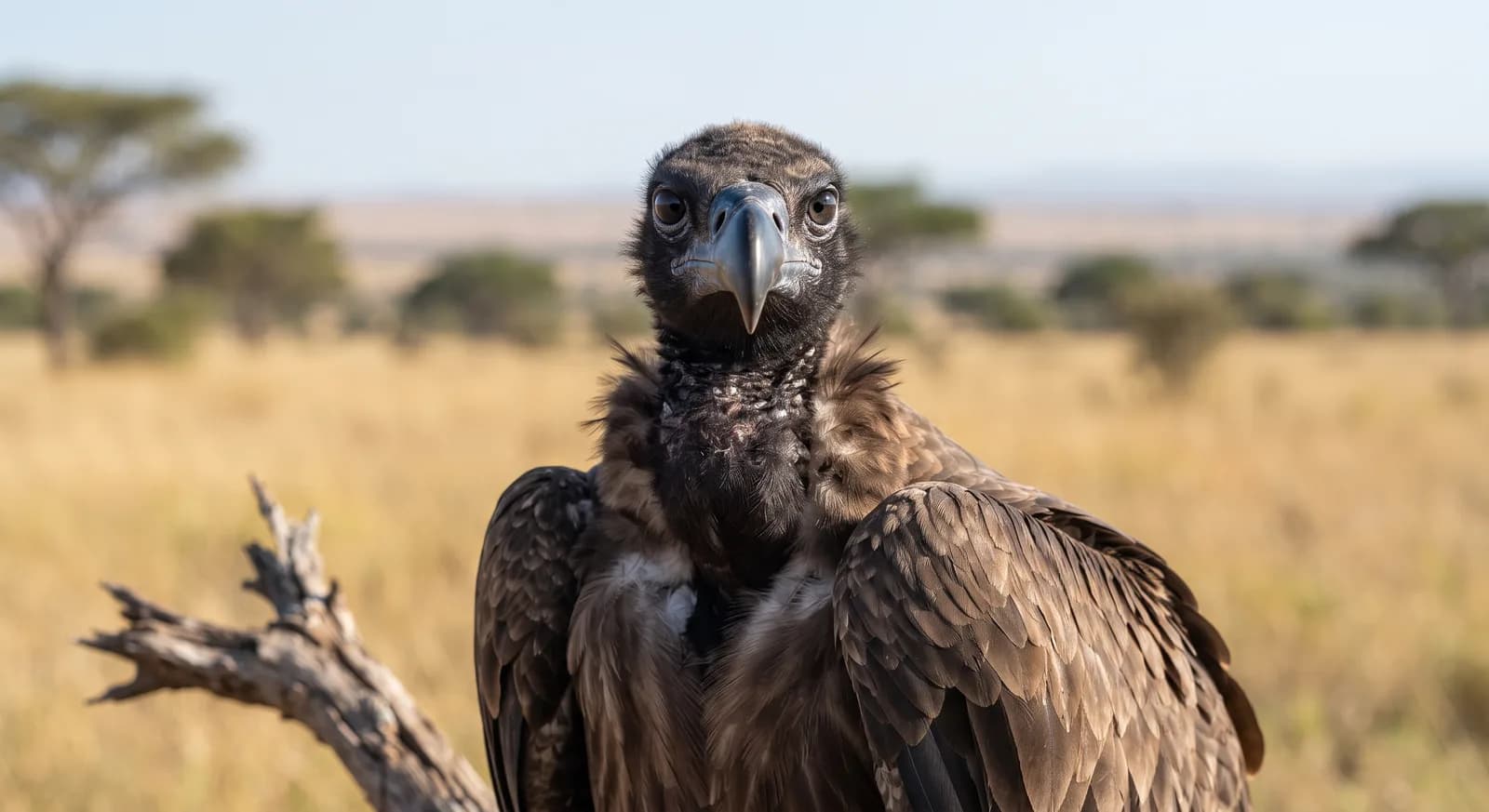
Birds · Accipitriformes · Accipitridae
Gyps africanus
At extremely high risk of imminent extinction in the wild.
The white-backed vulture was until recently the most abundant vulture in Africa and is now critically endangered: its population has fallen by more than 90% in three generations. The main cause is poisoning, both that aimed at carnivores by herders and that used deliberately by poachers to kill vultures. A single poisoned carcass can kill more than a hundred birds within hours.
Weight
4.2 kg – 7.2 kg
Size
78 cm – 98 cm
Life expectancy
30 years
Diet
Carnivore
Feeds mainly on other animals.
Activity
Diurnal
Active mainly during the day.
Social structure
Colony
Lives in large concentrations, often for breeding reasons.
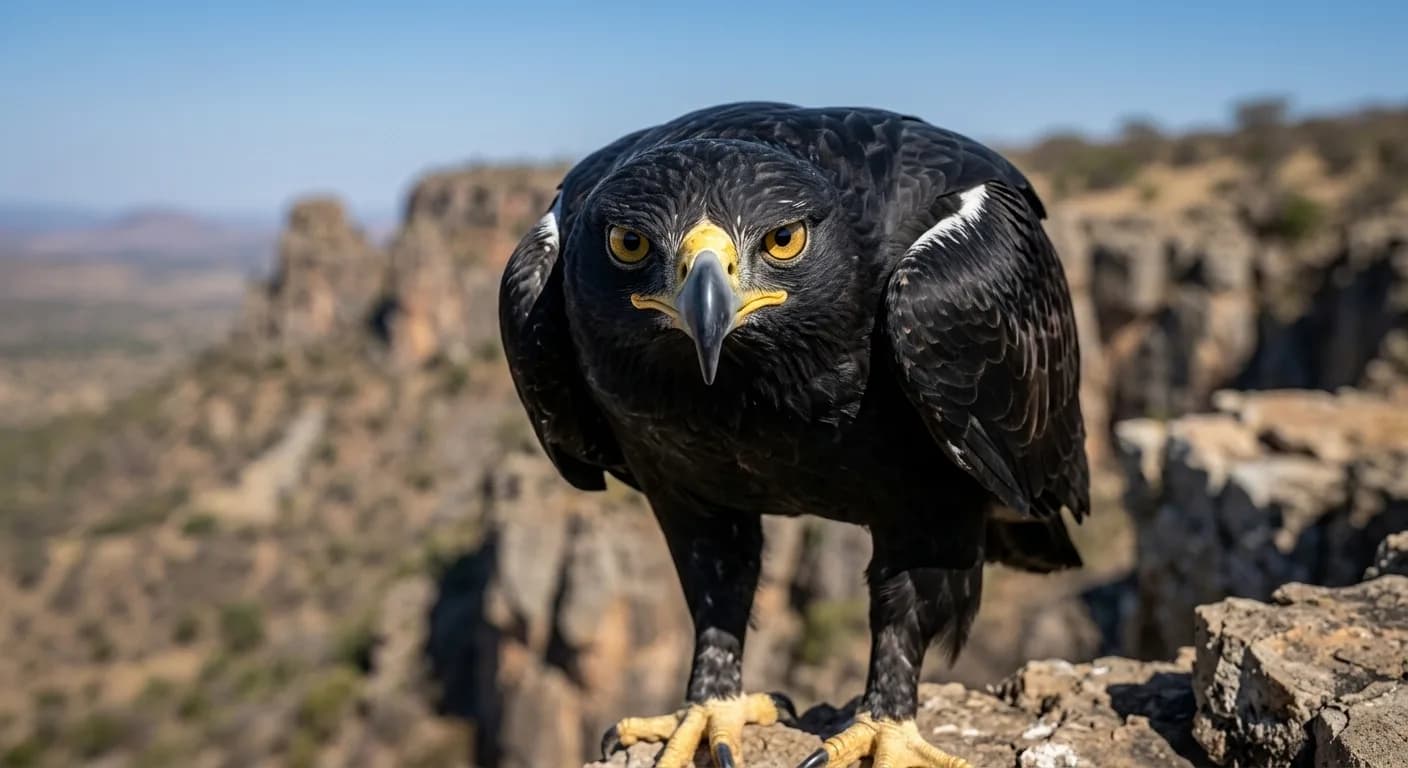
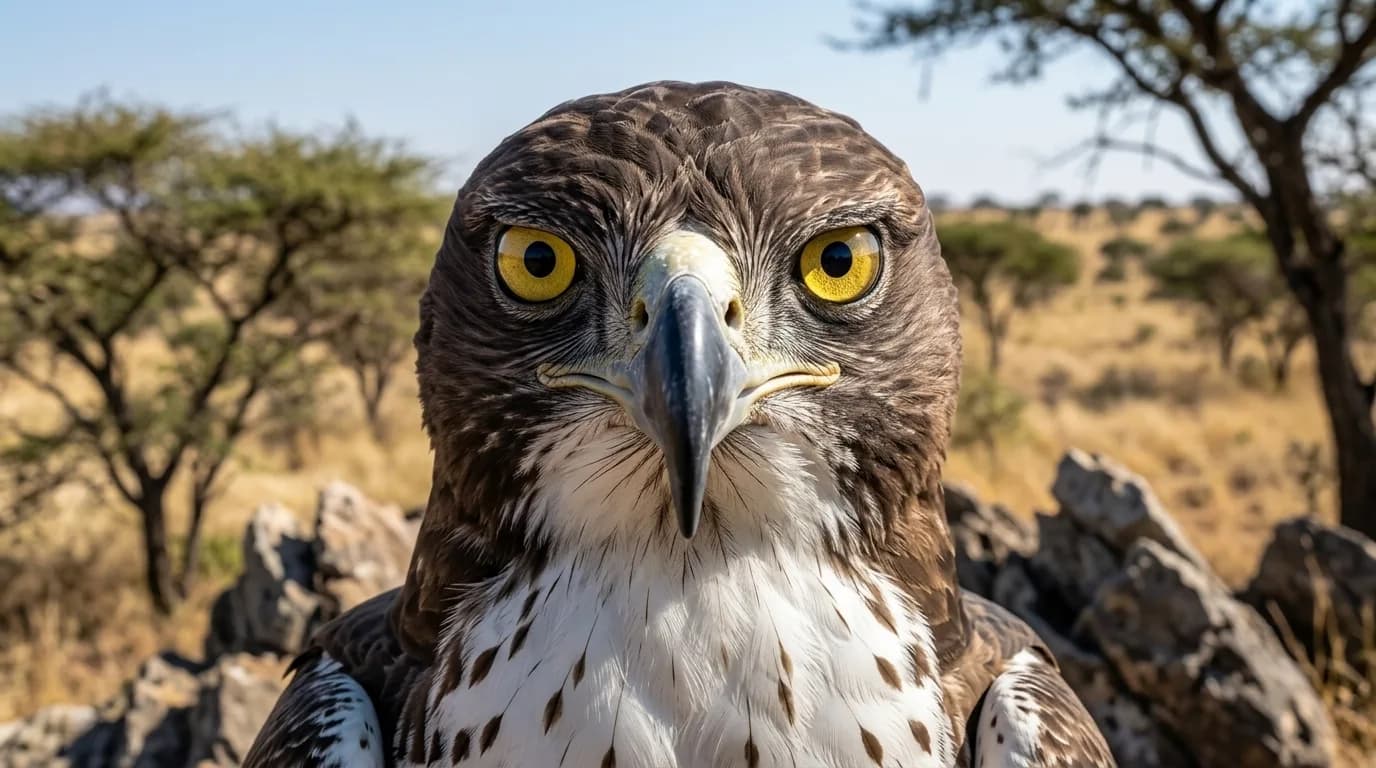
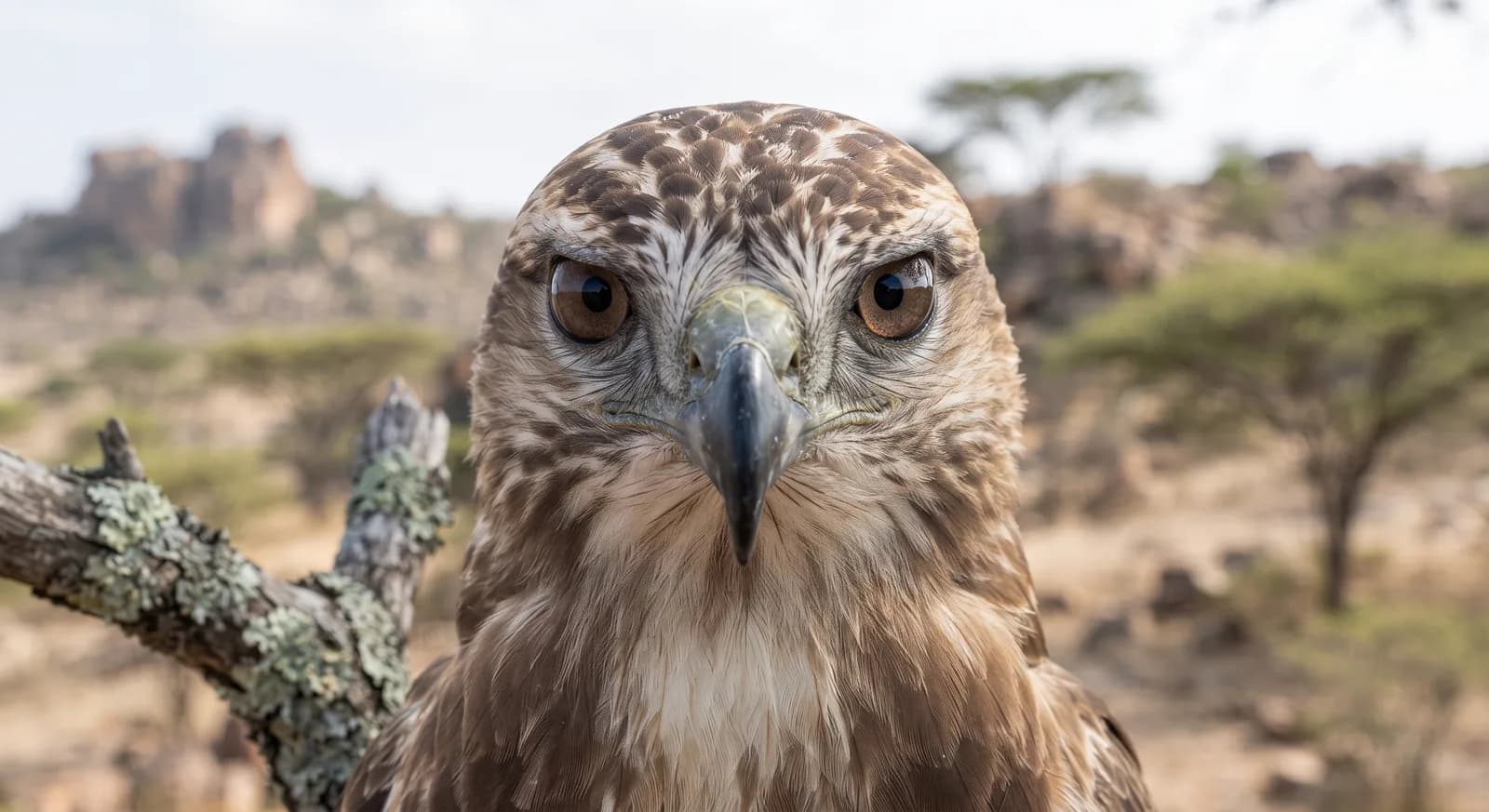
AI-generated images: illustrations, not photographs.
Sources consulted: Wikipedia (es): Gyps africanus
Parks and dive sites where this species has been documented.
Other species in the catalogue with the most in common with White-backed Vulture — same habitat, park, country, tags or family.
The white-backed vulture is classified as critically endangered. Organisations such as the IUCN, WWF and the Wildlife Conservation Society work specifically on its conservation and that of its habitat; looking into their programmes is a good starting point if you want to get involved.
It's documented in 8 protected areas — one reason why protecting these places matters for its conservation.
Based on what we already know about white-backed vulture.
The pins mark the parks where its presence is documented.