National ParkUNESCO World HeritageBiosphere Reserve
Serengeti National Park
East AfricaDesignated in 195114,763 km²
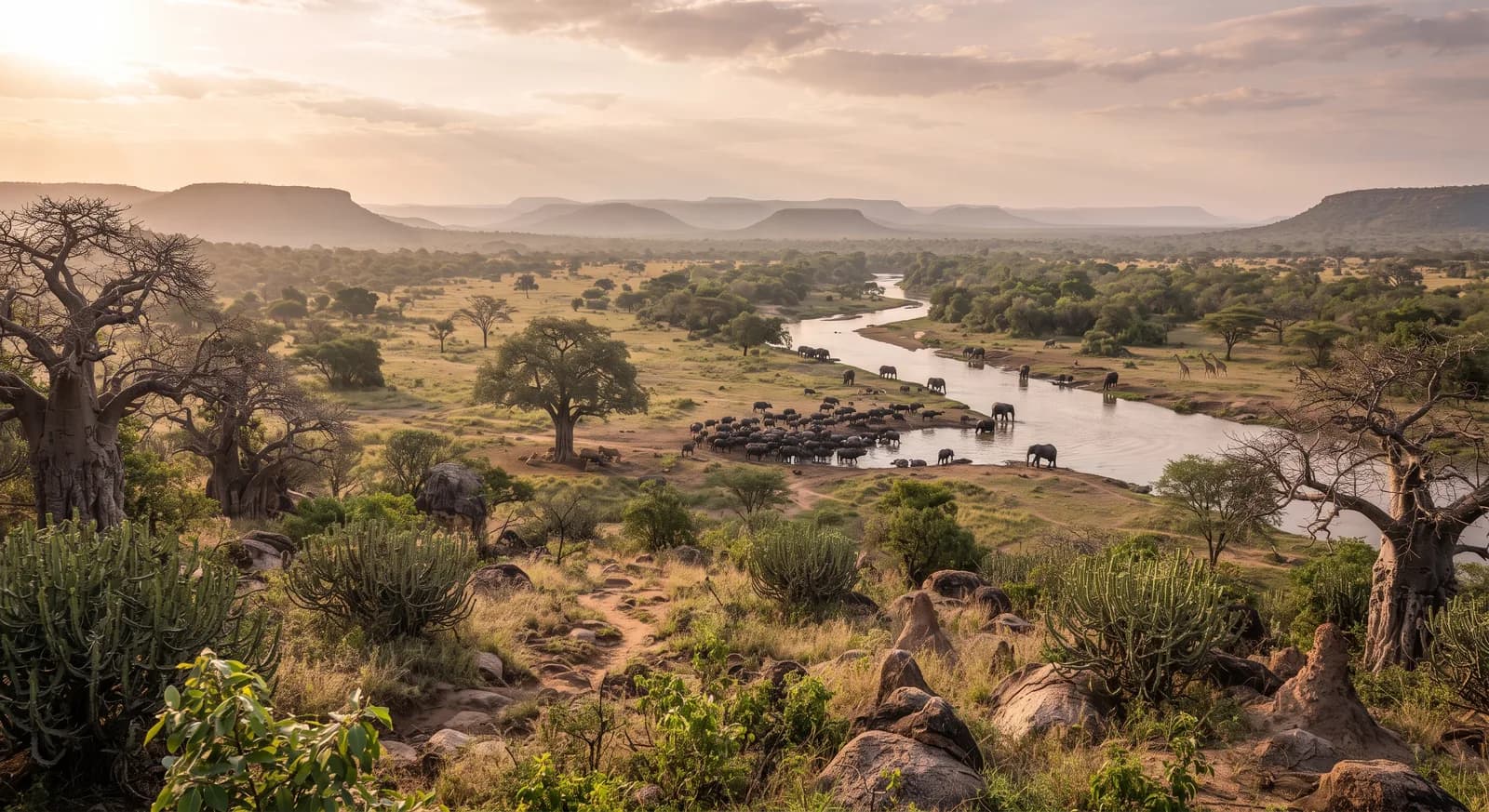
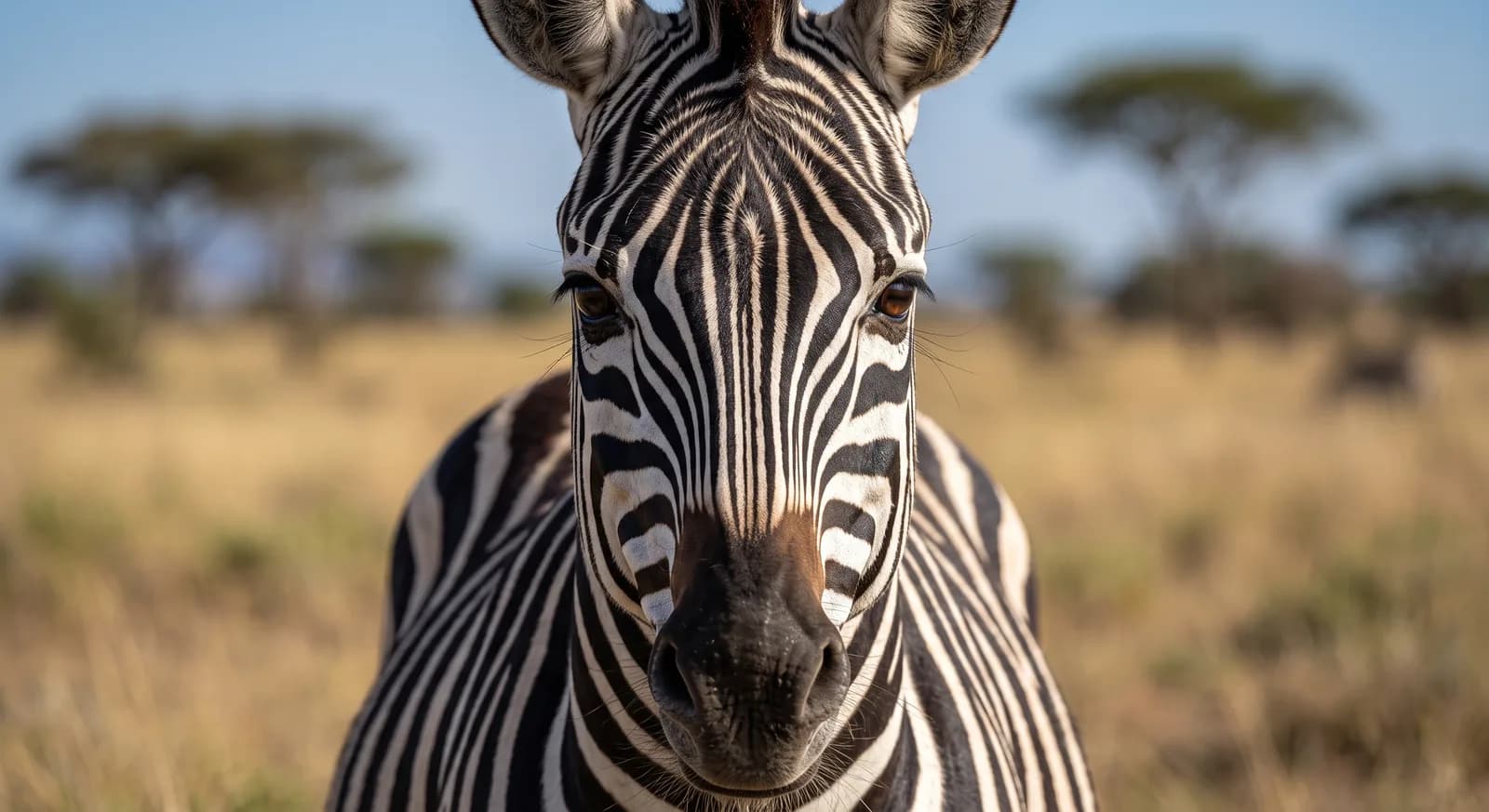
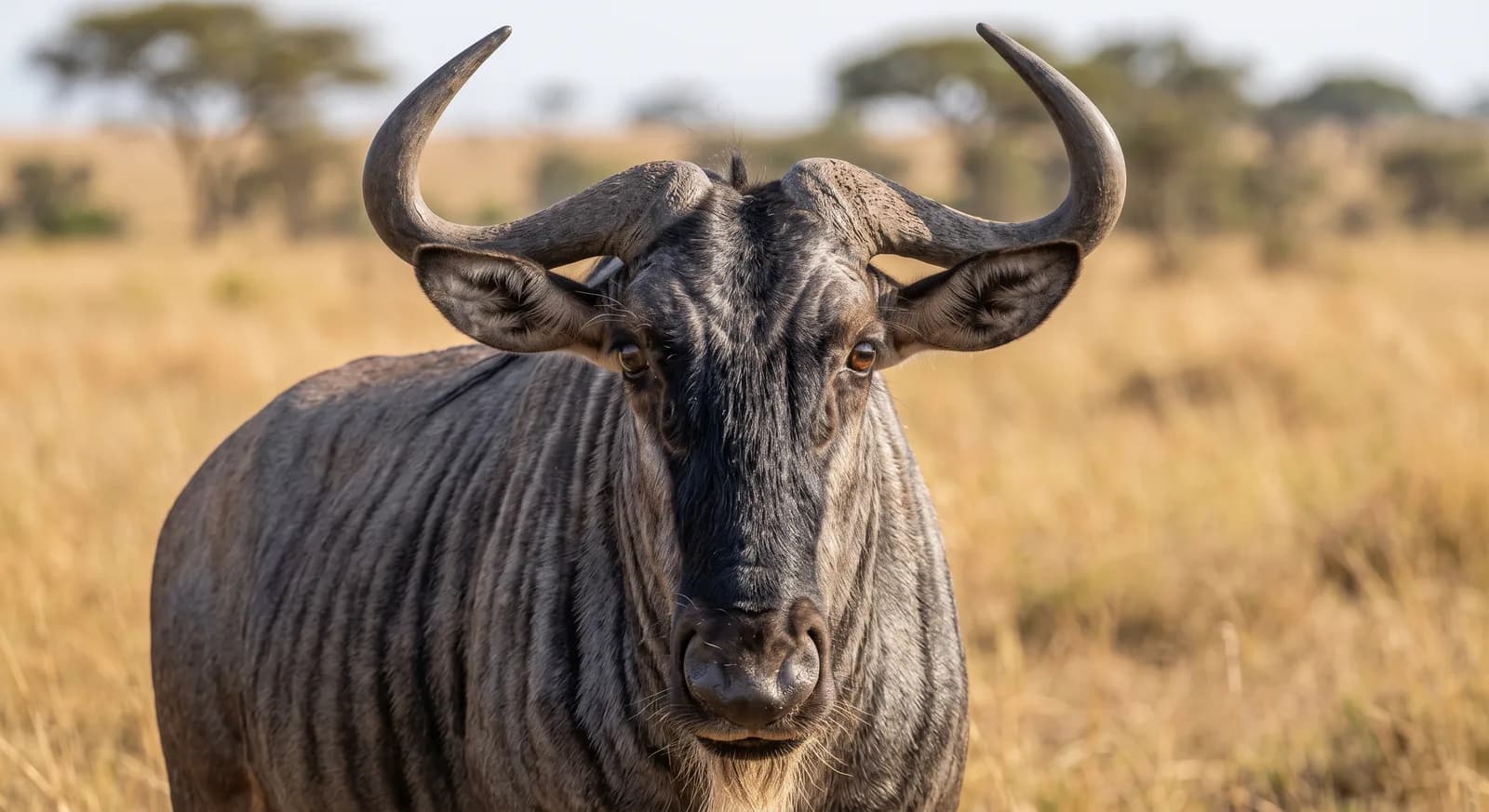
The setting of the great annual migration of wildebeest and zebra, and one of the best places in the world to see the complete Big Five.
Area
14,763 km²
Protection category
IUCN II
Parque nacional —
Designated in
1951
Highlight
The Great Migration of over 1.5 million wildebeest, the largest movement of land mammals on the planet
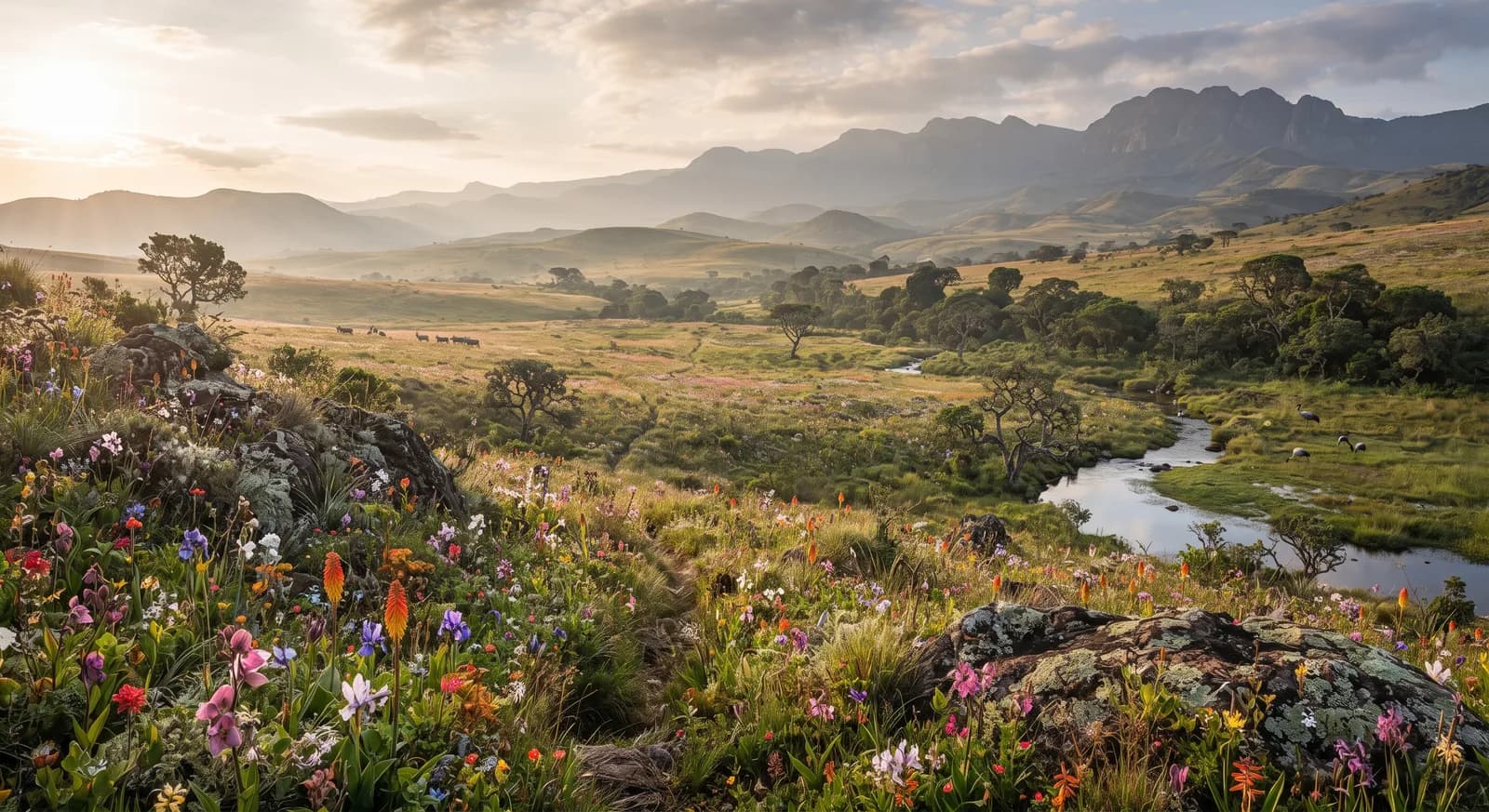
Its name comes from the Maasai word siringet, meaning the land that stretches on for ever. It was first protected as a game reserve in 1921 after a telling episode: an American hunter and his companion camped near Seronera and shot more than 50 lions in little over a month, alarming the British colonial authorities into seeing that real protection was needed. It became a national park in 1951, though the colonial administration then restricted access for the Maasai themselves, whose traditional grazing land was divided in 1959 between the park and the neighbouring Ngorongoro Conservation Area. It is the setting of the Great Migration, the largest movement of land mammals on the planet, in which over 1.5 million wildebeest, along with hundreds of thousands of zebra and gazelle, follow an annual circuit of more than 1,000 km between Tanzania and Kenya's Maasai Mara in search of fresh grazing.
Location
Loading map…
Serengeti National Park: 92 documented species
Mammals43Birds26Reptiles12Amphibians
Flora and ecosystems
Ecosystems found in Tanzania, where Serengeti National Park lies.
SavannahMarine / coastal
Experiences in this park
SafariBirdwatching
Wildlife you can see now
What is worth looking out for this month in Tanzania?
Now is a good time: Great Migration: the Mara River crossing (July to October)
Now is a good time: Great Migration: the Mara River crossing (July to October)
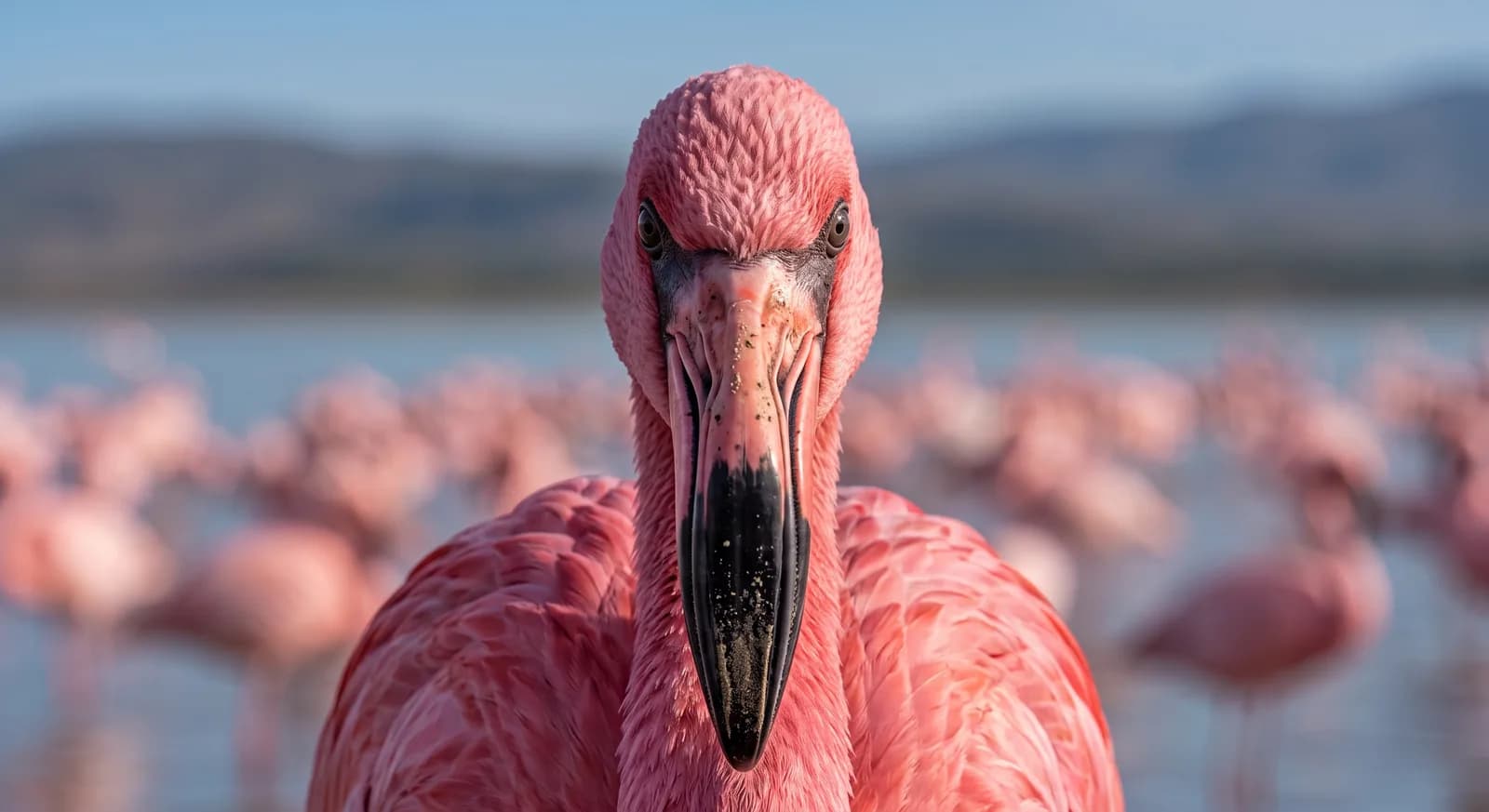
Now is a good time: Lesser flamingo breeding at Lake Natron (June to October (nesting Aug-Oct))
Similar parks
Which other parks are like this one?
Same country: Tanzania
Same country: Tanzania
Same country: Tanzania
Same country: Tanzania
Keep exploring
Based on what we already know about this park.
Comments
Share your experience visiting Serengeti National Park, or a tip for other travellers.
Be the first to comment.

 Tanzania