Skip to content
WAnimals
  • Map
  • Species
  • Parks
  • Diving
Log inCreate account
WAnimals

The guide for travellers and animal lovers: discover, plan and share your wild adventures around the world.

Discover wildlife

  • Species
  • Ecosystems
  • Glossary
  • Tags

Explore places

  • Map
  • Countries
  • Parks
  • Diving

Plan experiences

  • Guides

Learn

  • Blog

Resources

  • Help centre
  • Contact
  • Install the app

Follow us

Account

  • Log in
  • Create account

© 2026 WAnimals. All rights reserved.

About usHow we build our profilesTerms of servicePrivacyLegal notice
MapSpeciesParksDiving
  1. Home
  2. Species
  3. Common Hippopotamus

One of the 2 hippopotamuses on WAnimals
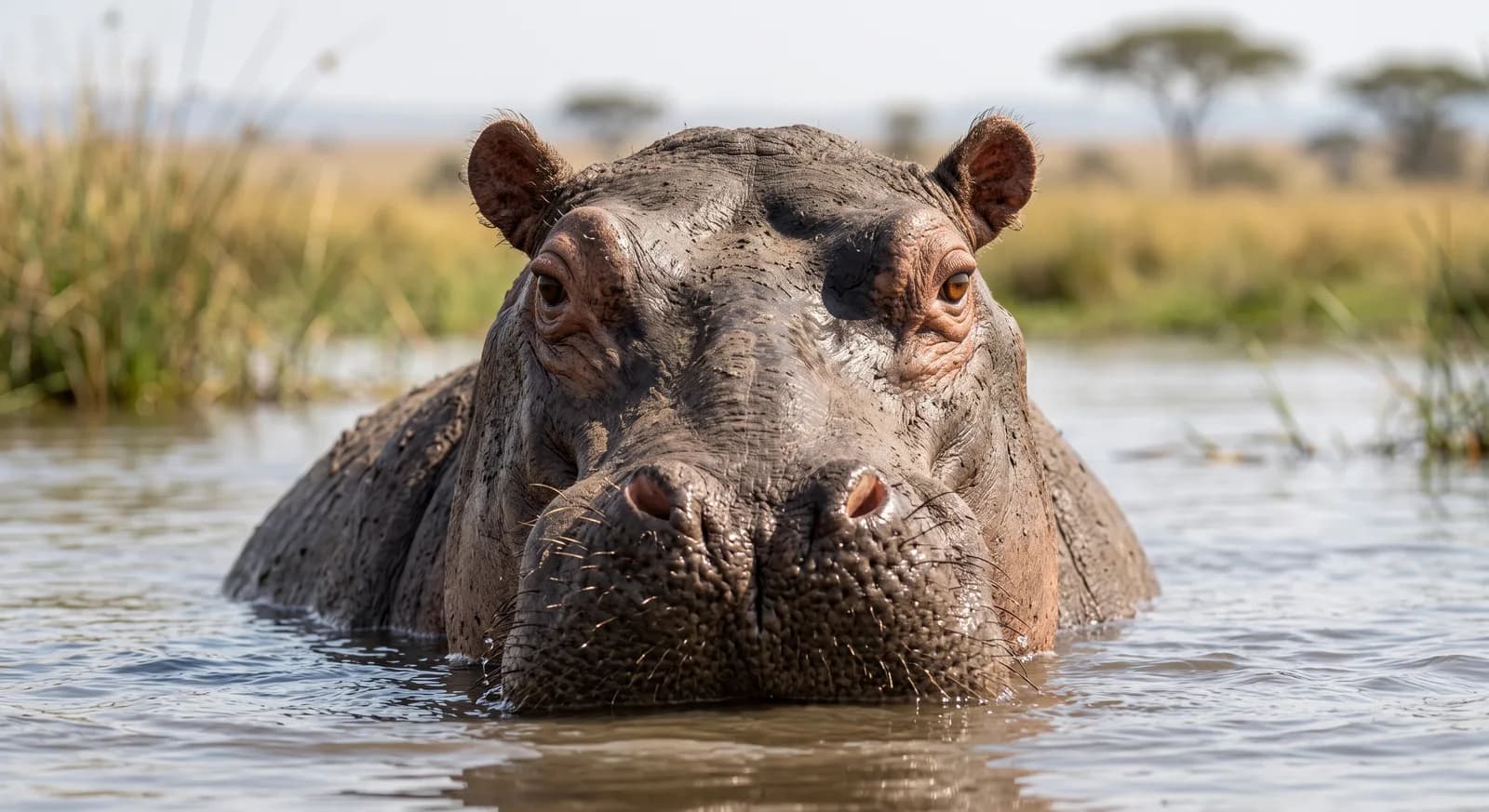
Common Hippopotamus (Hippopotamus amphibius)

Mammals · Artiodactyla · Hippopotamidae

Common Hippopotamus

Hippopotamus amphibius

Vulnerable

At high risk of extinction in the wild over the medium term.

Spotted something wrong?

It is responsible for more human deaths in Africa than almost any other large mammal, because of how fiercely territorial it is. Despite its semi-aquatic life, it cannot swim in the ordinary sense.

Weight

1.3 t – 1.5 t

Size

up to 3.5 m

Life expectancy

45 years
Diet

Herbivore

Feeds mainly on plants.

Activity

Nocturnal

Active mainly at night.

Social structure

Herd

Lives in large groups as a strategy against predators.

Sighting difficulty

Moderate

Estimated population

Between 115,000 and 130,000 animals in sub-Saharan Africa, declining because of hunting and habitat loss.

Freshwater
43countries30parks1dive sites1same family8featured routes

AI-generated images: illustrations, not photographs.

Fun facts

  • Despite its semi-aquatic life it can neither swim nor float in the ordinary sense; it gets about by walking along the bottom.
  • It can hold its breath for 90 seconds shortly after being born.
  • It eats up to 40 kg of grass a night on land.
  • fisiologíaIts skin secretes an oily reddish fluid that works as a natural sunscreen and antibiotic, popularly and wrongly called "blood sweat".
  • locomociónAlthough it spends much of its time in the water, it cannot properly swim or float: it moves by pushing off the riverbed or walking along it.

Life cycle and biology

Skeleton type
Vertebrate - internal bony skeleton (mammal)
Habitat and environment
Freshwater rivers, lakes and wetlands of sub-Saharan Africa; it spends the day in the water and feeds on land at night
Birth weight
22 - 55 kg (some sources give up to ~45 kg / 100 lb)
Size at birth
Can be born in water or on land; able to hold its breath for 90 seconds shortly after birth
Sexual maturity
Female: 5-10 years (some sources give up to 10 as the average age at first birth) | Male: 7.5 years
Gestation / incubation
8 months (~234 days)
Litter / clutch size
1 calf; ~2 years between births
Life expectancy in captivity
Documented record of 61.2 years in captivity

Sources consulted: AnAge (genomics.senescence.info); Animal Diversity Web; A-Z Animals; National Geographic; JungleDragon; IGB Berlin

Where to find it

Best time: All year round in African rivers and lakes; by day it stays submerged in groups and at dusk it comes out to graze on land.

Loading map…

Where to see it

Parks and dive sites where this species has been documented — showing 11 of 31.

Related species

Other species in the catalogue with the most in common with Common Hippopotamus — same habitat, park, country, tags or family.

Shares a park
Shares a park
Shares a park
Shares a park
Shares a park
Same taxonomic family

How to help

The common hippopotamus is classified as vulnerable. Organisations such as the IUCN, WWF and the Wildlife Conservation Society work specifically on its conservation and that of its habitat; looking into their programmes is a good starting point if you want to get involved.

It's documented in 11 protected areas — one reason why protecting these places matters for its conservation.

Keep exploring

Based on what we already know about common hippopotamus.

Comments

Share an experience, a fun fact or a tip for seeing the common hippopotamus.

Be the first to comment.

See full glossary
This page in other languages: Español · Deutsch · Français · Português · Italiano

The pins mark the parks and dive sites where its presence is documented.

See its range on the interactive map→
Serengeti National ParkTanzania
Maasai Mara National ReserveKenya
Kruger National ParkSouth Africa
Okavango DeltaBotswana
NgorongoroTanzania
VirungaDemocratic Republic of the Congo
Moremi (Okavango Delta)Botswana
ChobeBotswana
South LuangwaZambia
GorongosaMozambique
Lake Malawi (cichlids)Malawi
See all 30 parks
Least Concern

African Catfish

Clarias gariepinus

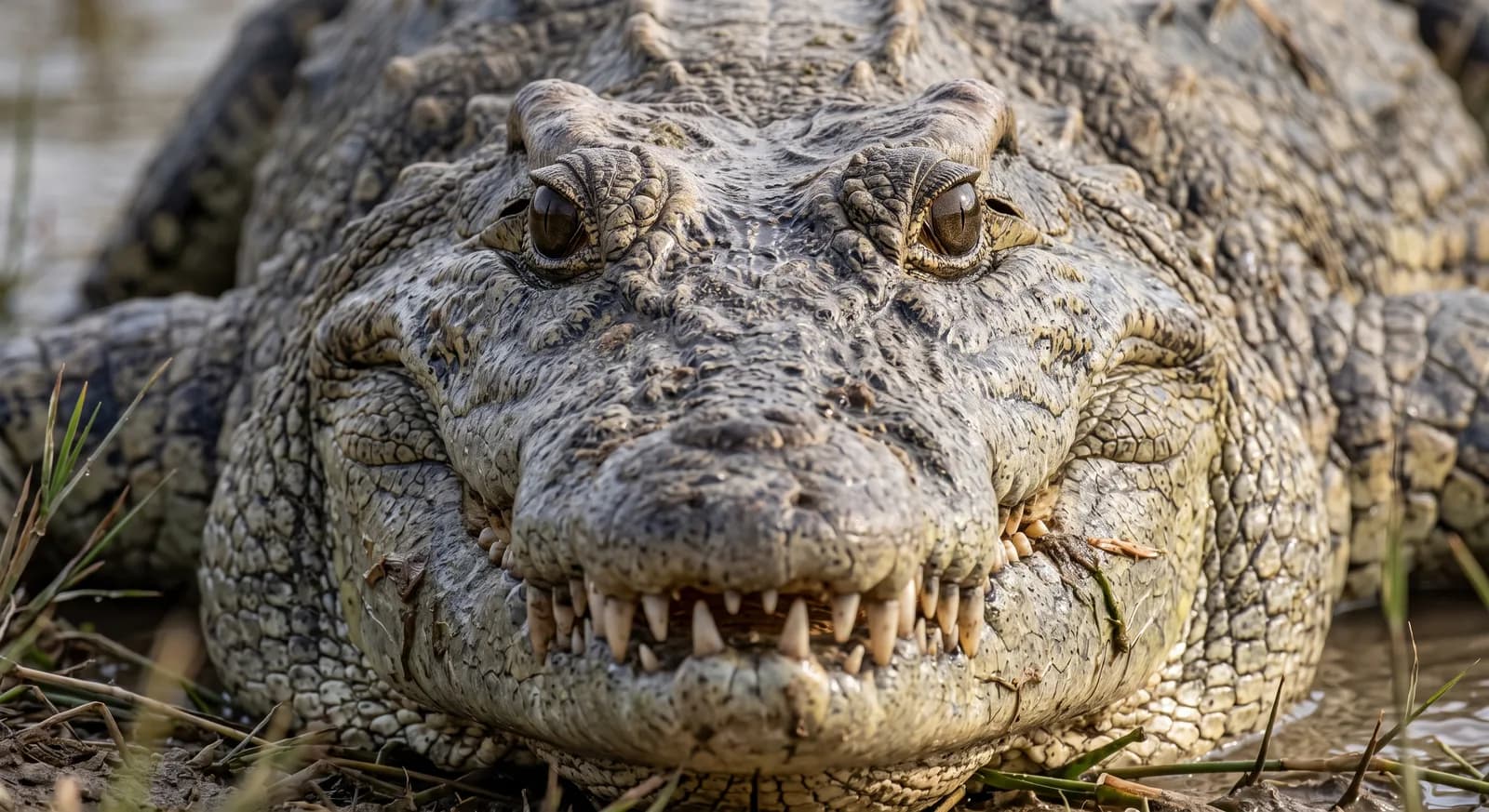
Nile CrocodileLeast Concern

Nile Crocodile

Crocodylus niloticus

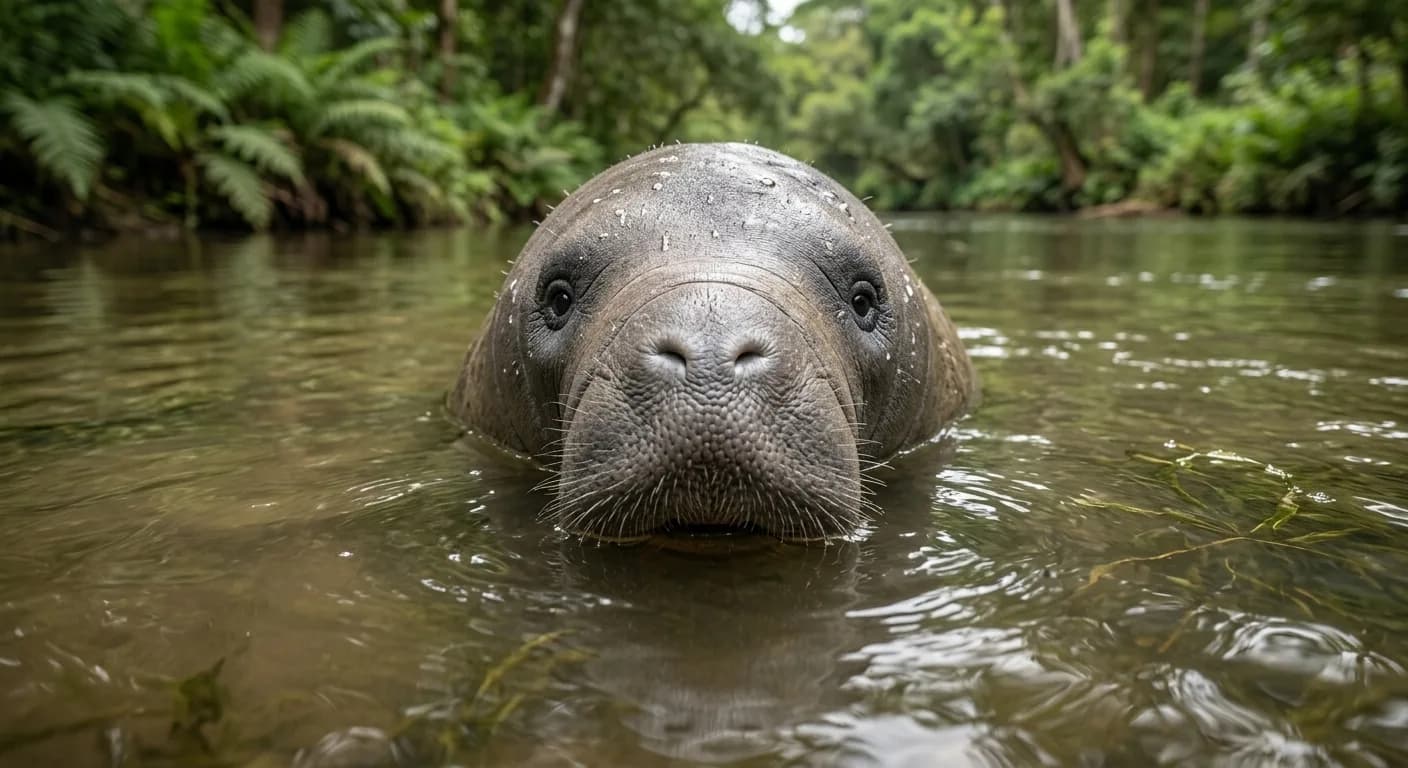
African ManateeVulnerable

African Manatee

Trichechus senegalensis

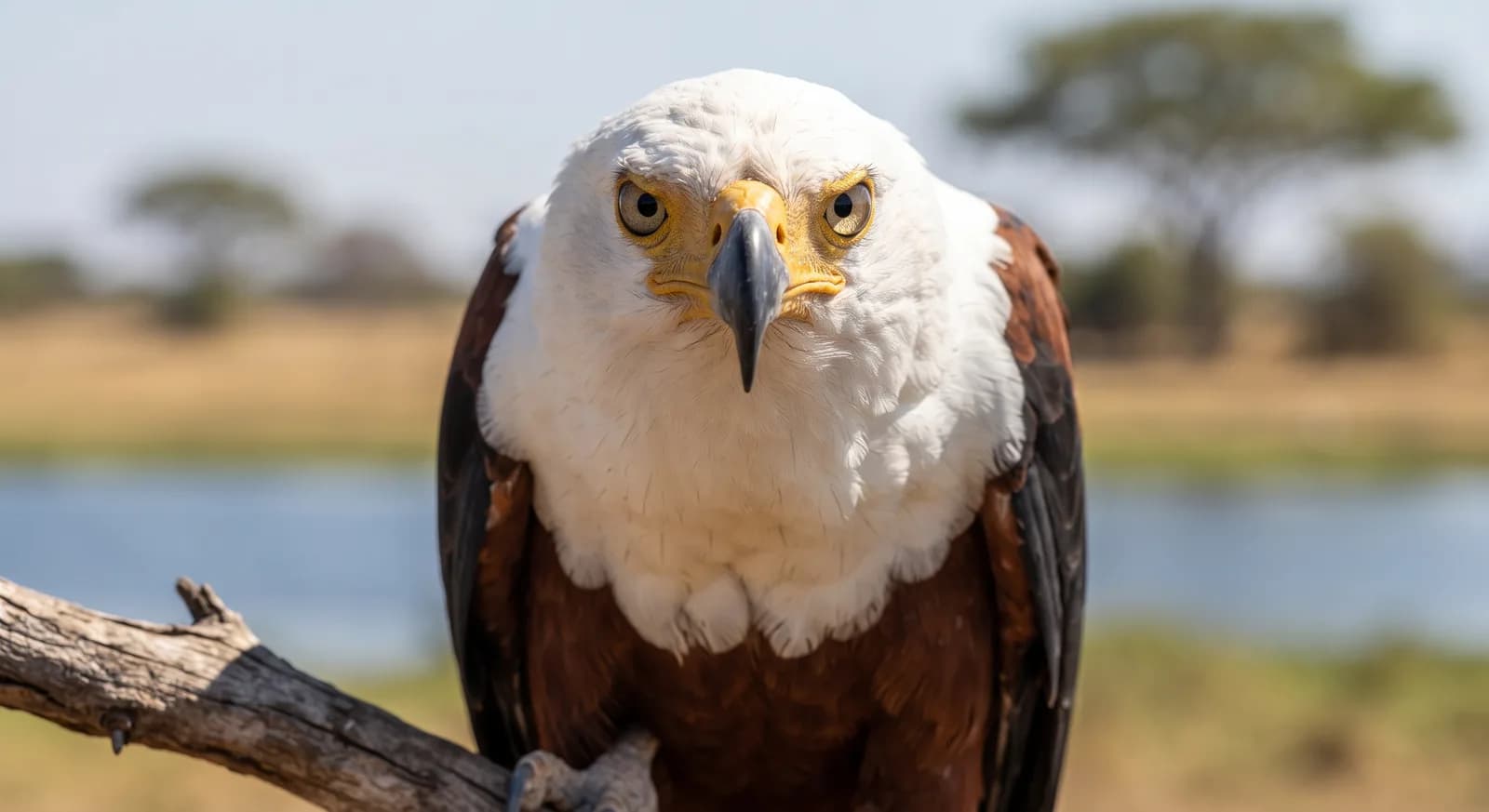
African Fish-EagleLeast Concern

African Fish-Eagle

Haliaeetus vocifer

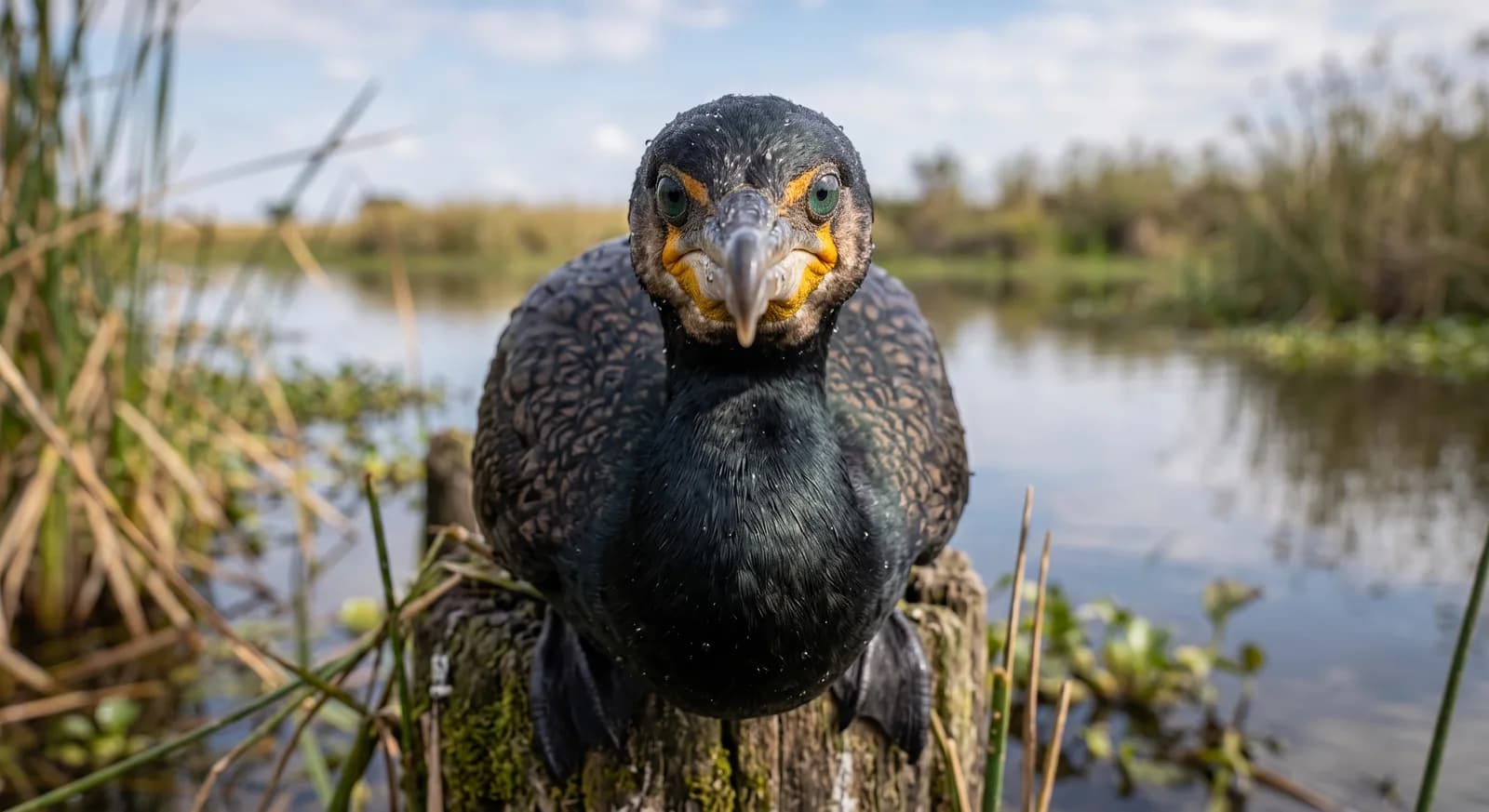
Long-tailed CormorantLeast Concern

Long-tailed Cormorant

Microcarbo africanus

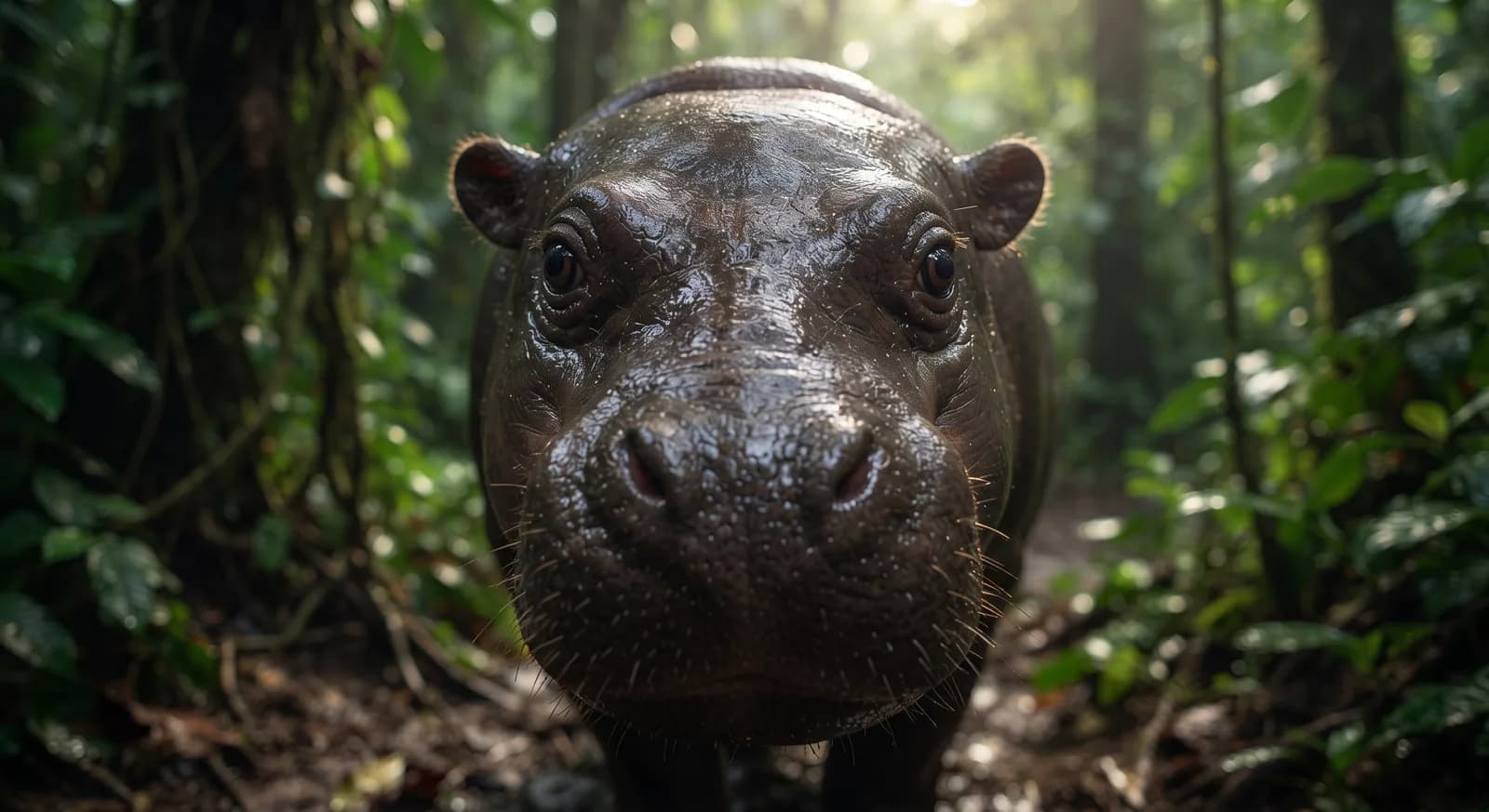
Pygmy HippopotamusEndangered

Pygmy Hippopotamus

Choeropsis liberiensis

CountriesTanzania
ParksSerengeti National ParkTanzania
TagsHerbivore
Herbivore
Nocturnal
In herds
Vulnerable
Freshwater
Mammal
Tanzania
Botswana
Uganda
Democratic Republic of the Congo
Malawi
Zambia
Angola
Benin
Botswana
Burkina Faso
Burundi
Cameroon
Central African Republic
Chad
Côte d’Ivoire
Democratic Republic of the Congo
Djibouti
Equatorial Guinea
Eritrea
Eswatini
Ethiopia
Gabon
Gambia
Ghana
Guinea
Guinea-Bissau
Kenya
Lesotho
Liberia
Malawi
Mali
Mauritania
Mozambique
Namibia
Niger
Nigeria
Republic of the Congo
Rwanda
Senegal
Sierra Leone
Somalia
South Africa
South Sudan
Sudan
Tanzania
Togo
Uganda
Zambia
Zimbabwe