 Critically Endangered
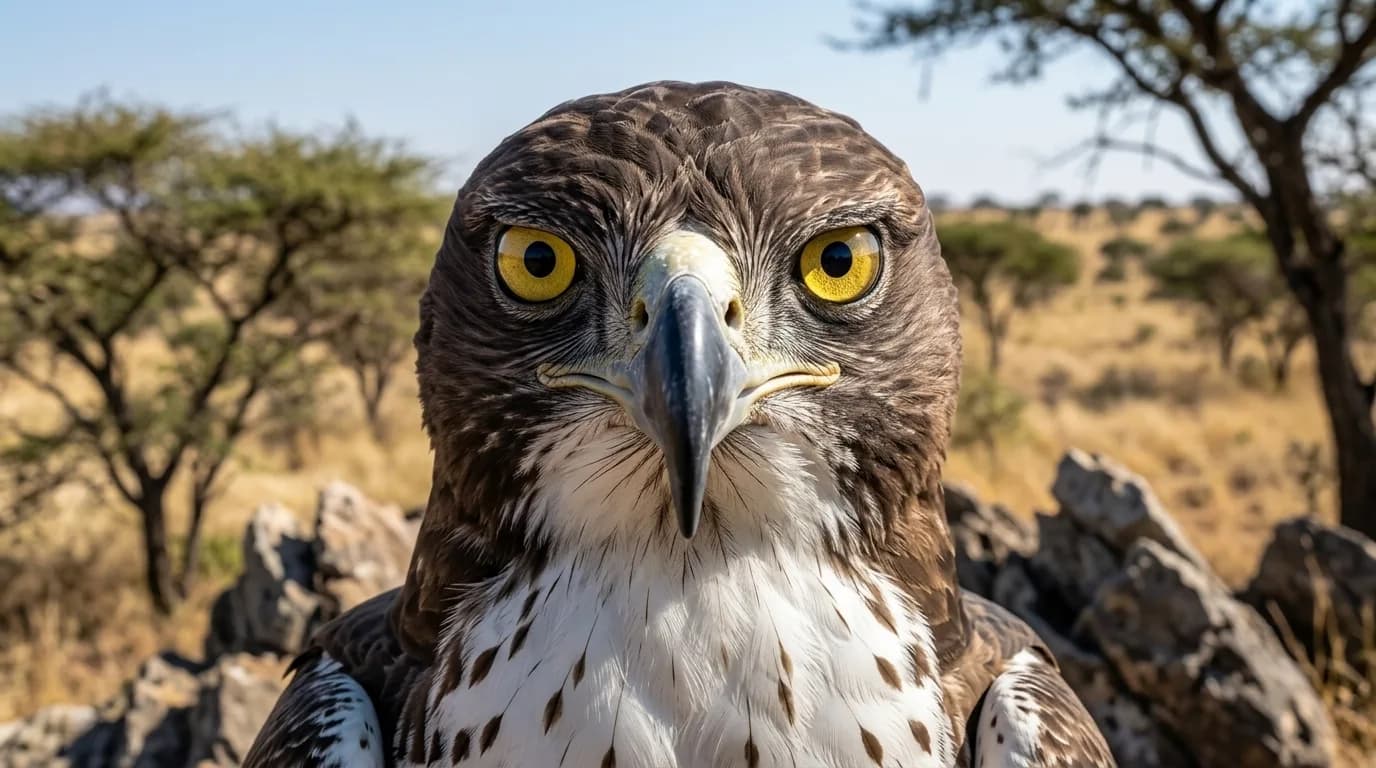
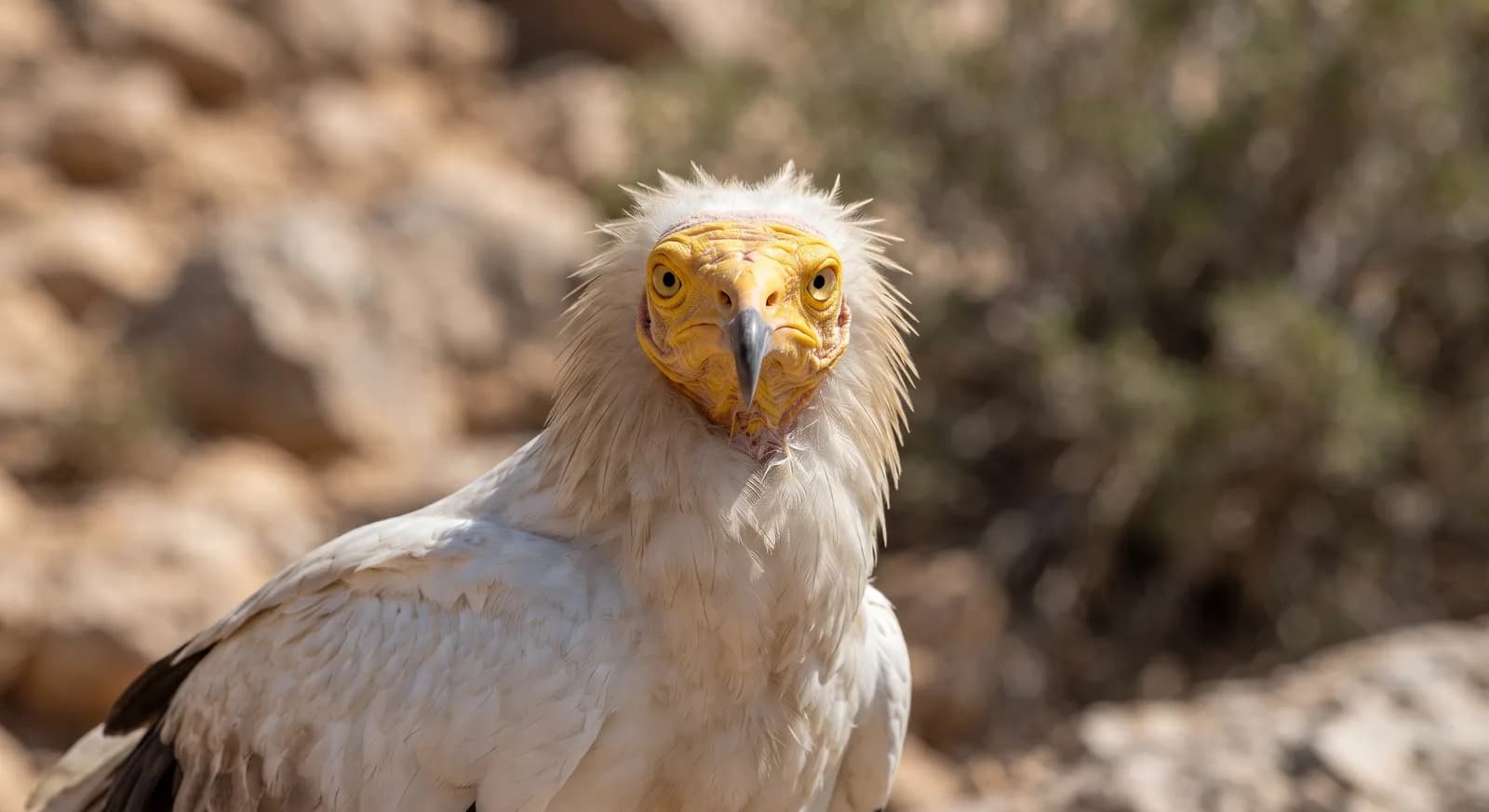
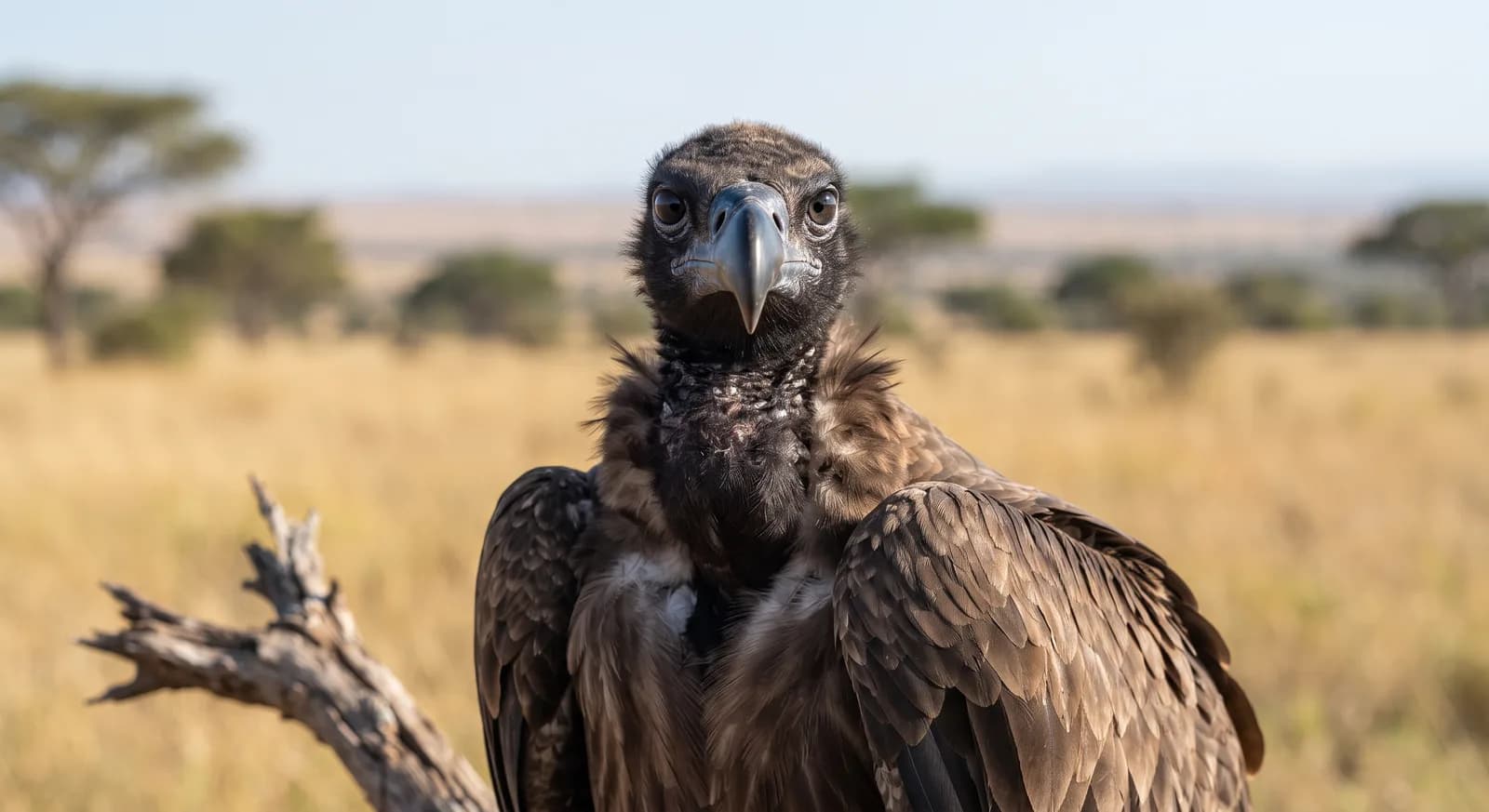
White-backed Vulture
Gyps africanus
Africa
Ghana is arranged from south to north in belts: the Atlantic coast with lagoons, mangroves and turtle nesting beaches; the rainforest of the southwest, an extension of the Upper Guinean block; the transition zone of the centre; and the Sudanian and Guinean savannahs of the north, where Mole park, the country's largest, lies, with savannah elephants, buffalo, antelopes and baboons. Lake Volta, created by the Akosombo Dam, is one of the largest reservoirs in the world by surface area and has transformed the ecology of the river. At Kakum, a suspended walkway allows the forest canopy to be crossed tens of metres above the ground, and the coastal lagoons of Keta and Songor are Ramsar sites with concentrations of terns and migratory waders.
National animal: The eagle, represented on the national coat of arms
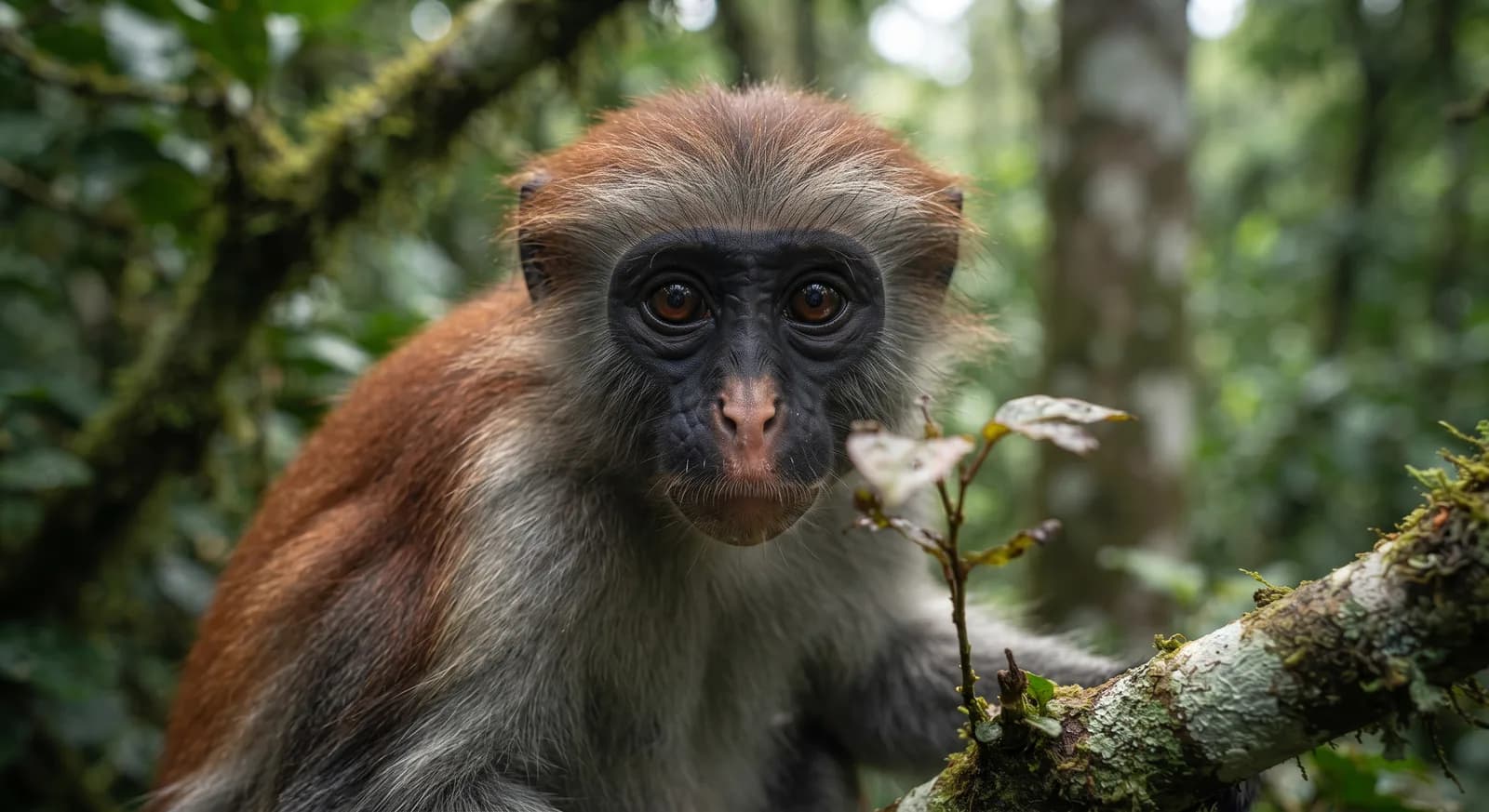
At the Boabeng-Fiema sanctuary, two villages in the centre of the country have for centuries protected the colobus and mona monkeys that live among their houses and in the adjoining sacred grove. Local custom holds these animals sacred, forbids killing them and goes as far as holding funerals when one dies and burying it in a cemetery of its own, a case of conservation based on traditional belief that long predates any environmental law.
The sacred groves protected by traditional rules work as biodiversity refuges in heavily transformed landscapes. Artisanal gold mining pollutes rivers and degrades forest in the southwest.
Mole between December and April for elephants at the waterholes. Boabeng-Fiema year-round for colobus and mona monkeys. Kakum at dawn from the canopy walkway for forest birds.
Where else might I want to travel?
Same region: West Africa
Same region: West Africa
Same region: West Africa
Same region: West Africa
252 species found
Based on what we already know about Ghana.