 Critically Endangered
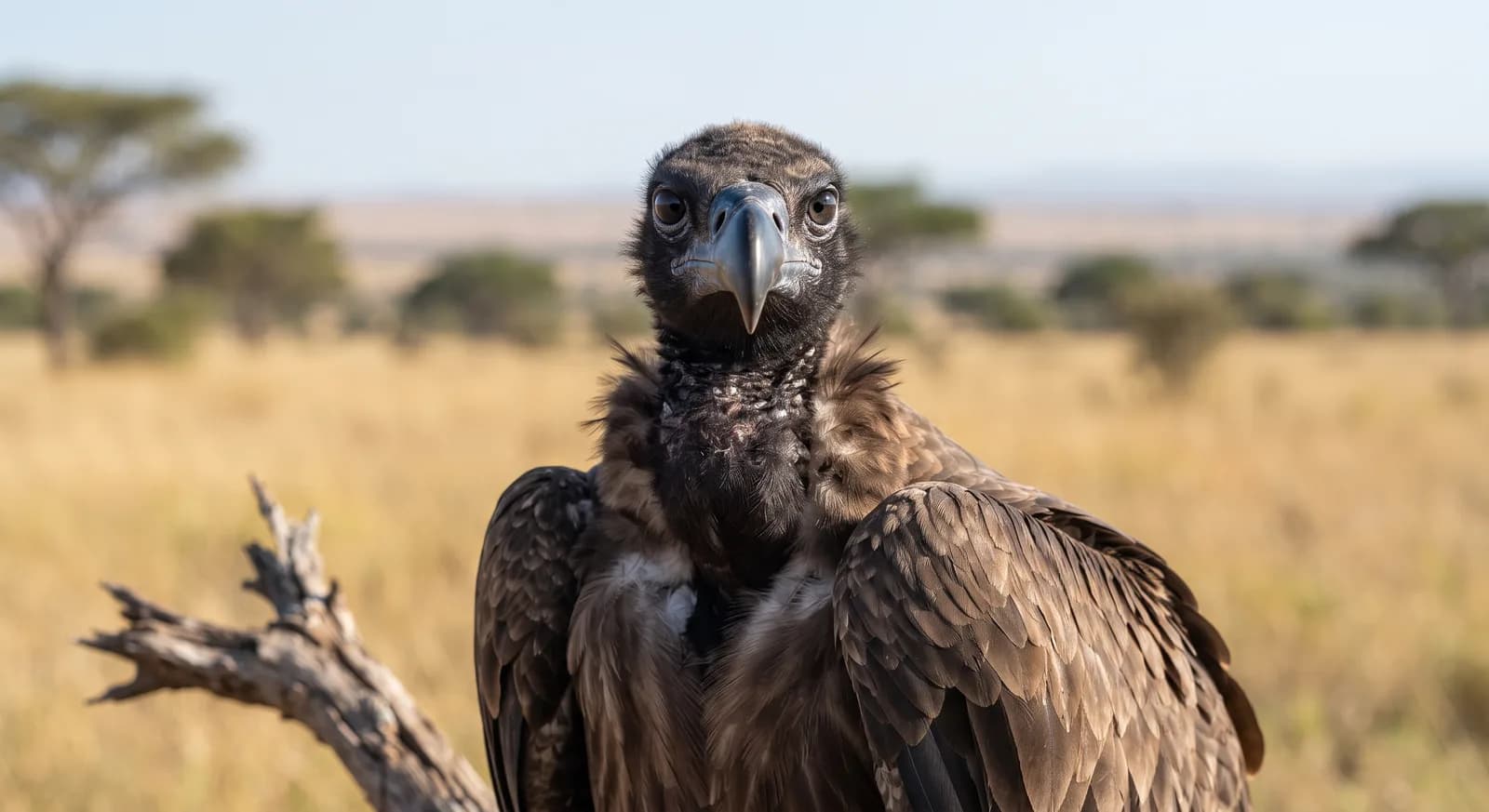
White-backed Vulture
Gyps africanus
Africa
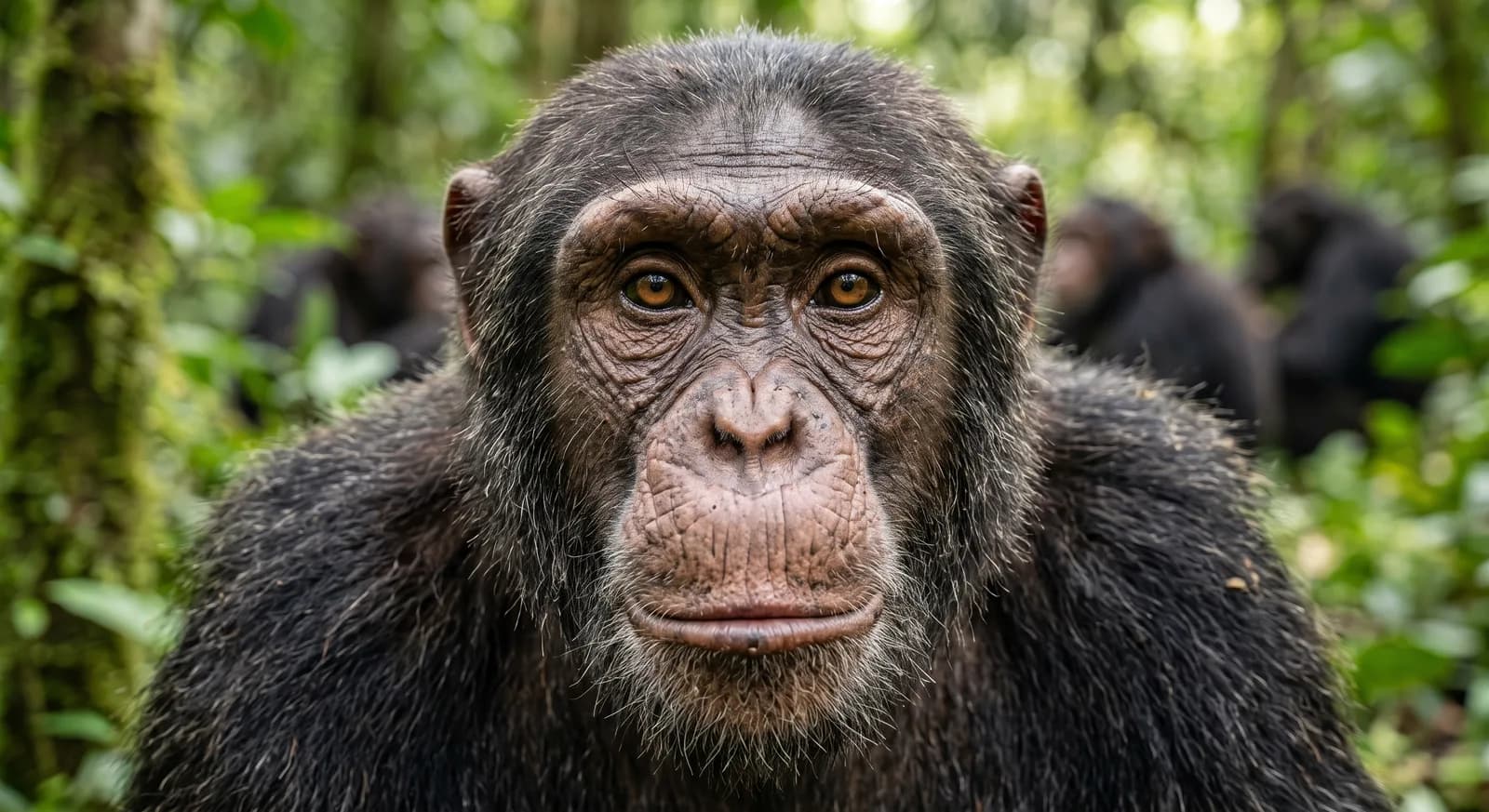
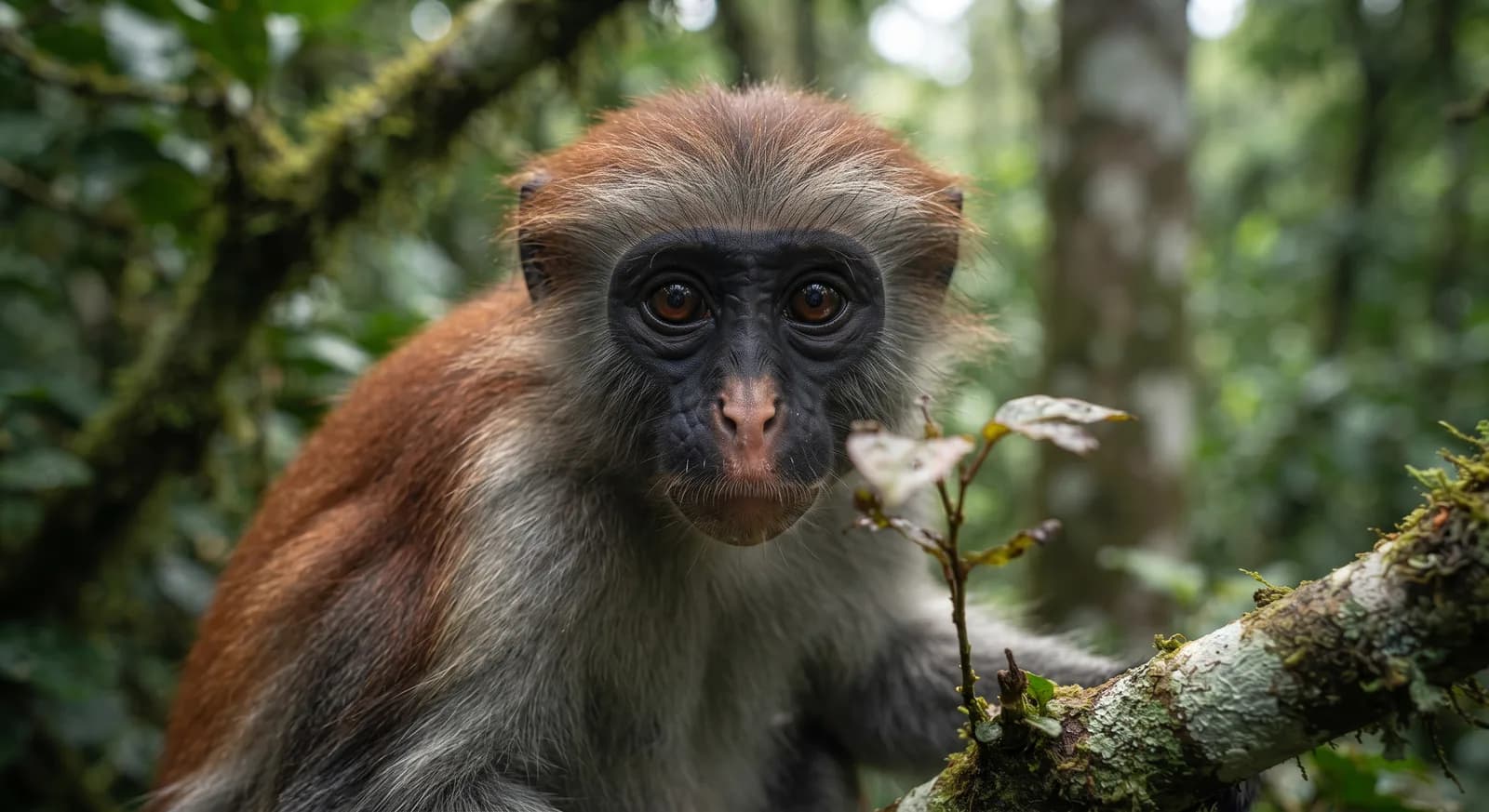
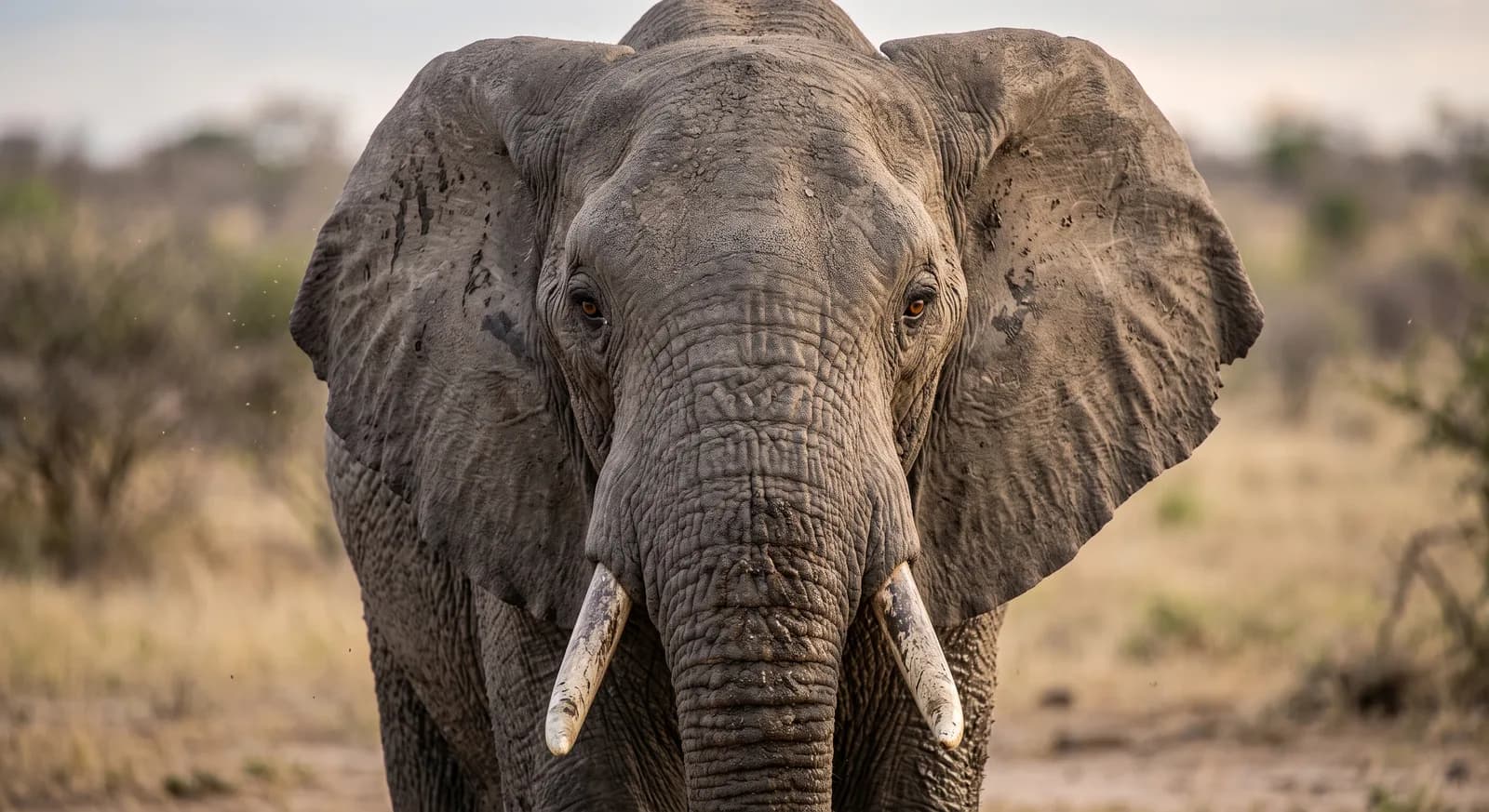
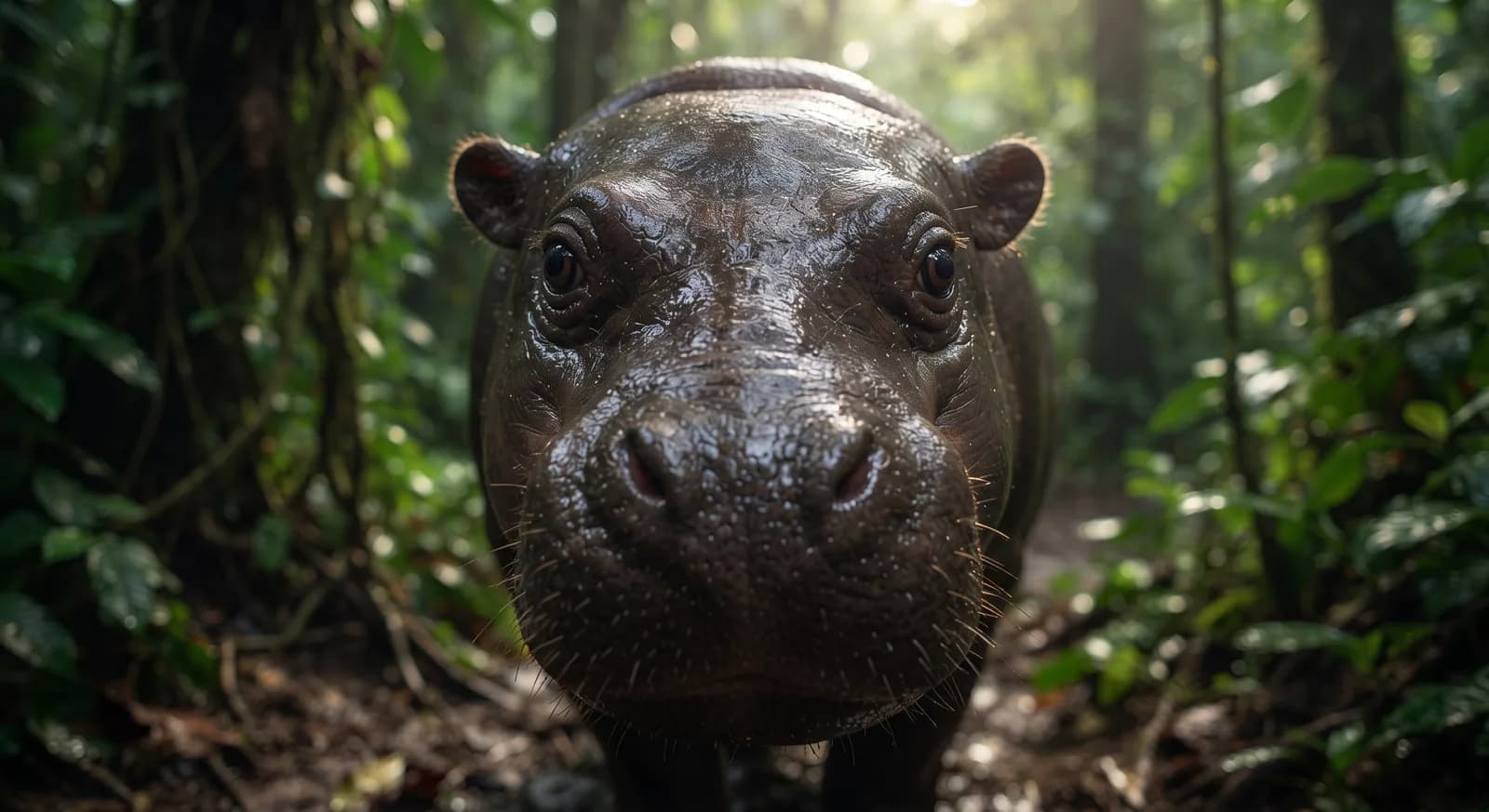
Liberia is the country that keeps the most Upper Guinean moist forest: it is reckoned to hold around forty per cent of what remains of this ecosystem, spread between Sapo national park, the Nimba and Wonegizi mountains and several forest blocks in the southeast. Sapo, the largest park in the country, is dense primary forest of emergent trees and closed understorey where forest elephants, pygmy hippopotamuses, chimpanzees, duikers and seven species of diurnal primate live. The coast, almost six hundred kilometres long, alternates mangroves, brackish lagoons and sea turtle nesting beaches. The Cavalla, Saint Paul and Cestos rivers cross the forest forming corridors where the dwarf crocodile and the spotted-necked otter survive, and the northern mountains receive rainfall that sustains cloud forest.
National animal: No official national animal
The Liberian mongoose was not described scientifically until 1958 and remains one of the least known carnivores in Africa. It lives only in the forests of Liberia and neighbouring Côte d'Ivoire, and it has a diet extraordinarily odd for a carnivore: it feeds above all on earthworms, which it locates by digging through the forest floor with an elongated snout and reduced teeth of little use for tearing flesh.
The spread of oil palm and rubber plantations and mining are the main pressures on the forest. Liberia has signed international agreements to protect a significant percentage of its forest area.
Sapo in the dry season, between November and April, for primates and forest wildlife. Lake Piso for manatees and waterbirds. The southeastern beaches between October and March for turtles.
Where else might I want to travel?
Same region: West Africa
Same region: West Africa
Same region: West Africa
Same region: West Africa
209 species found
Based on what we already know about Liberia.