 Critically Endangered
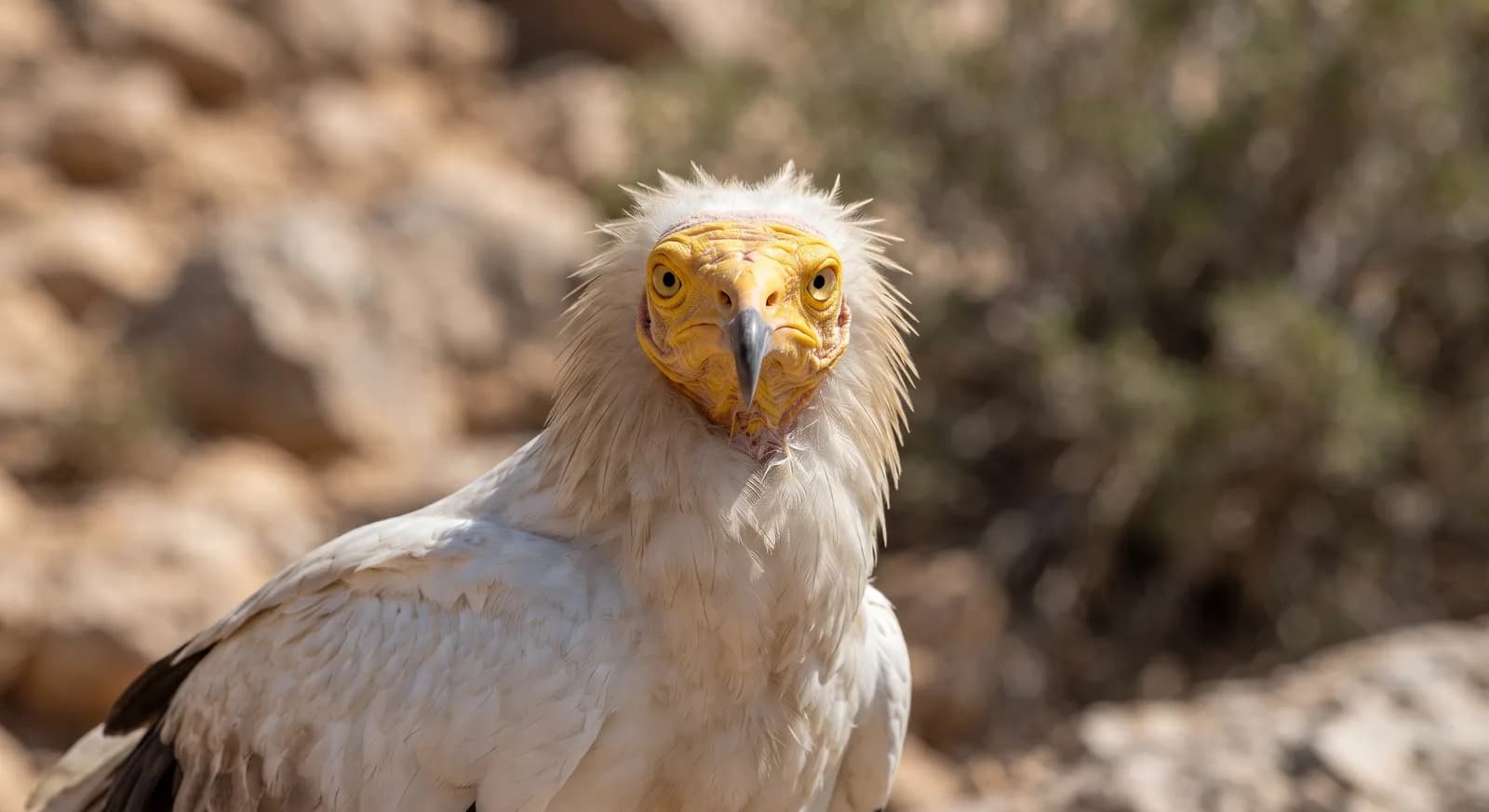
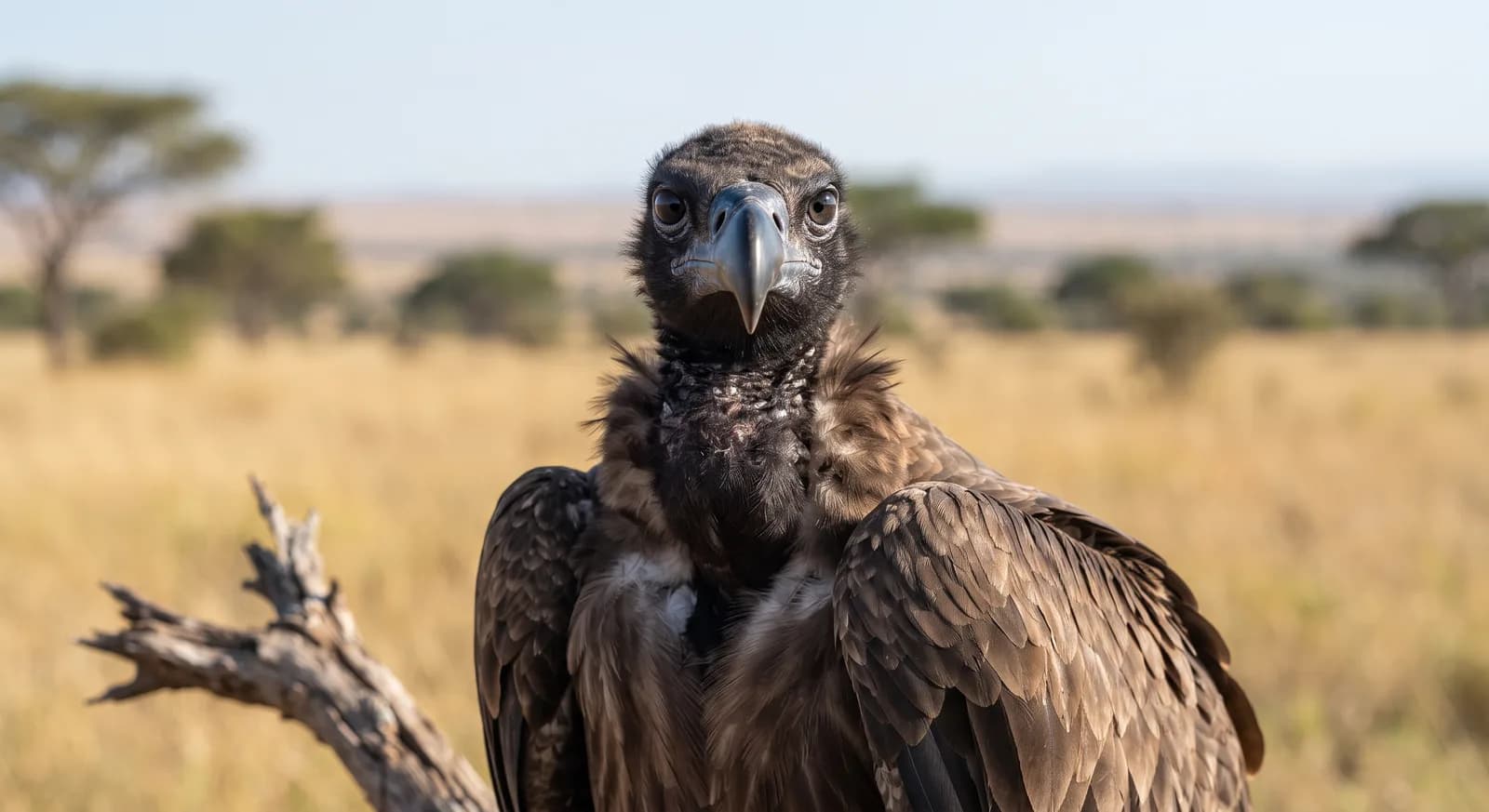
White-backed Vulture
Gyps africanus
Africa
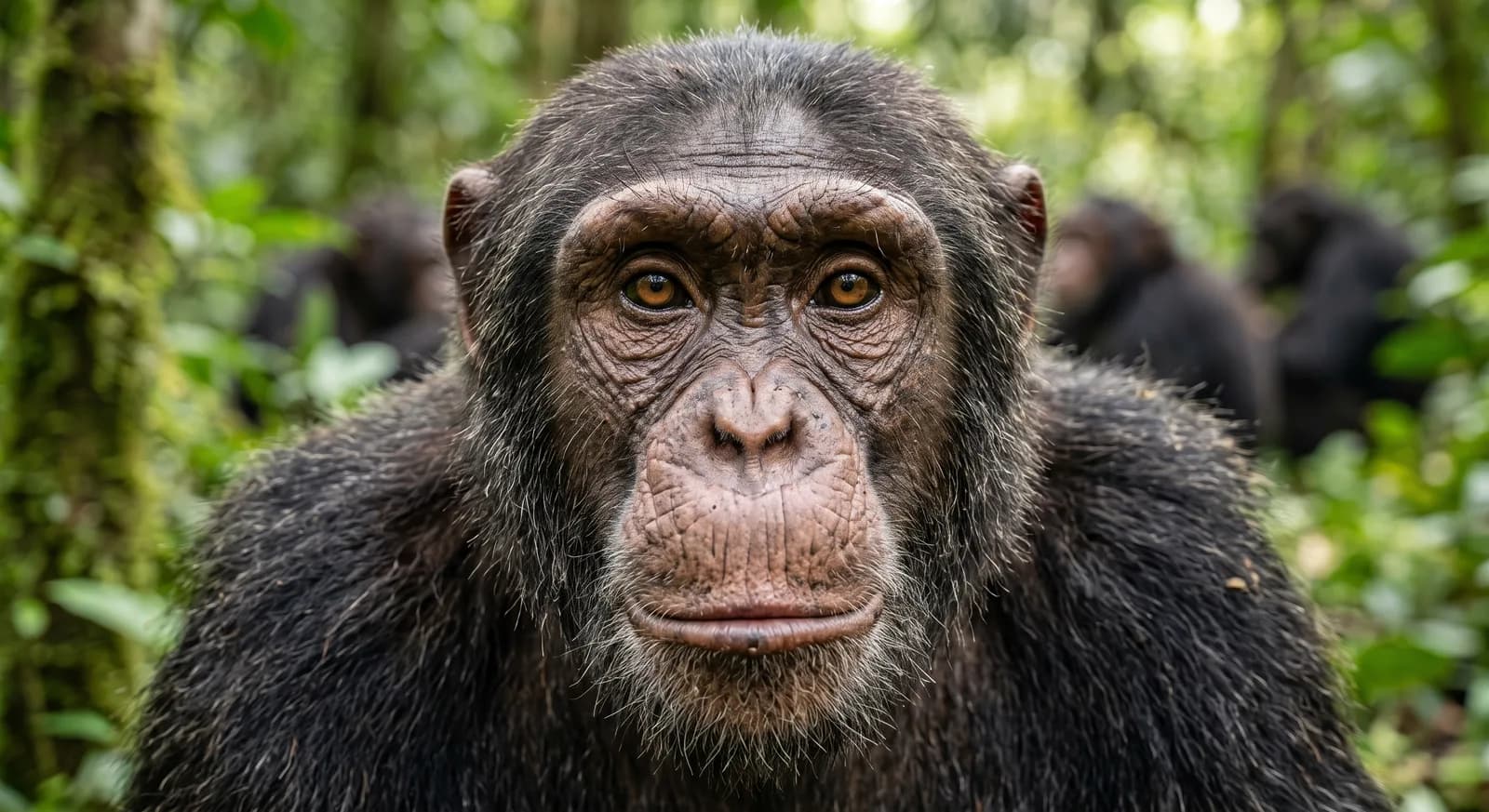
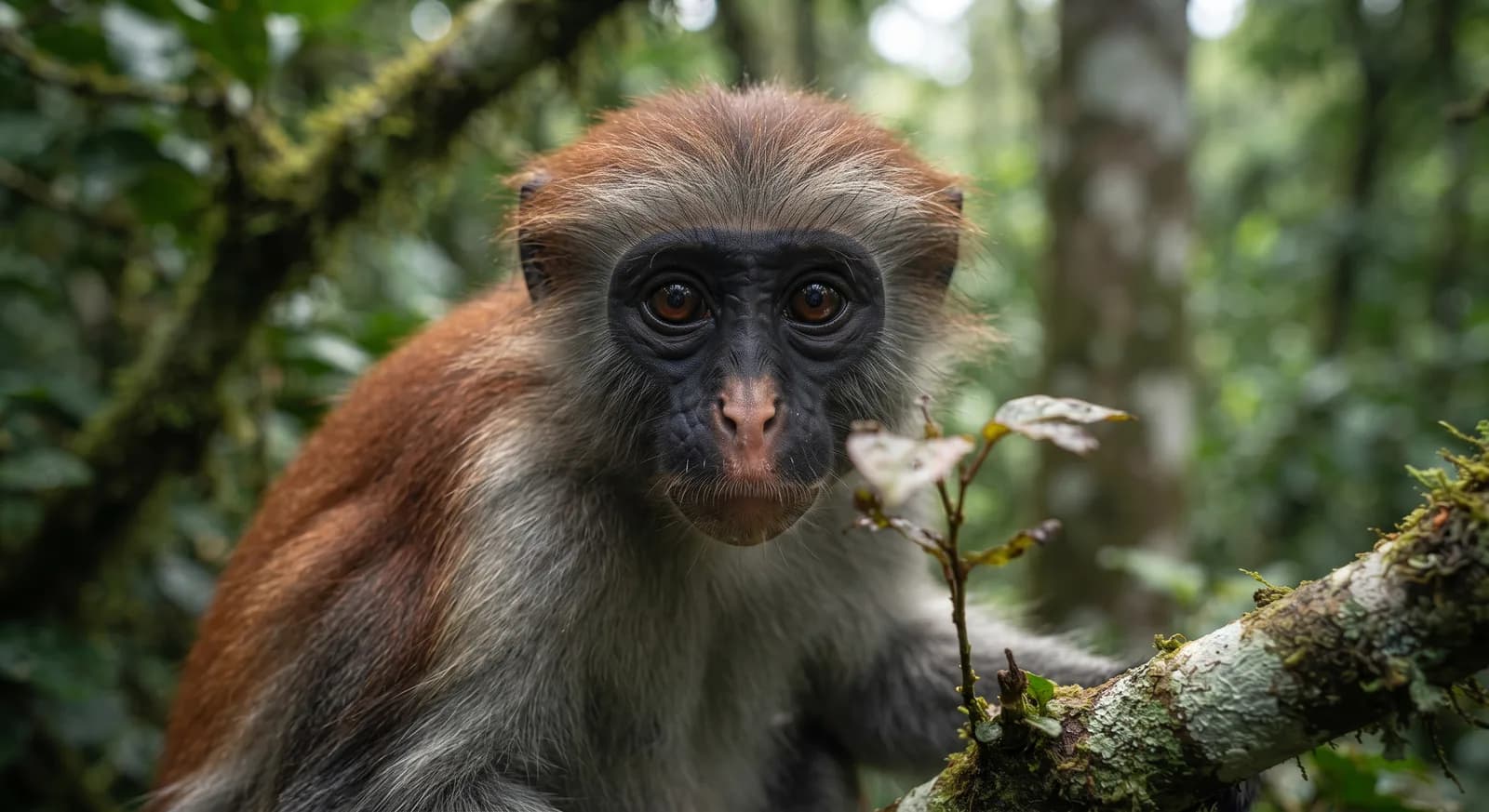
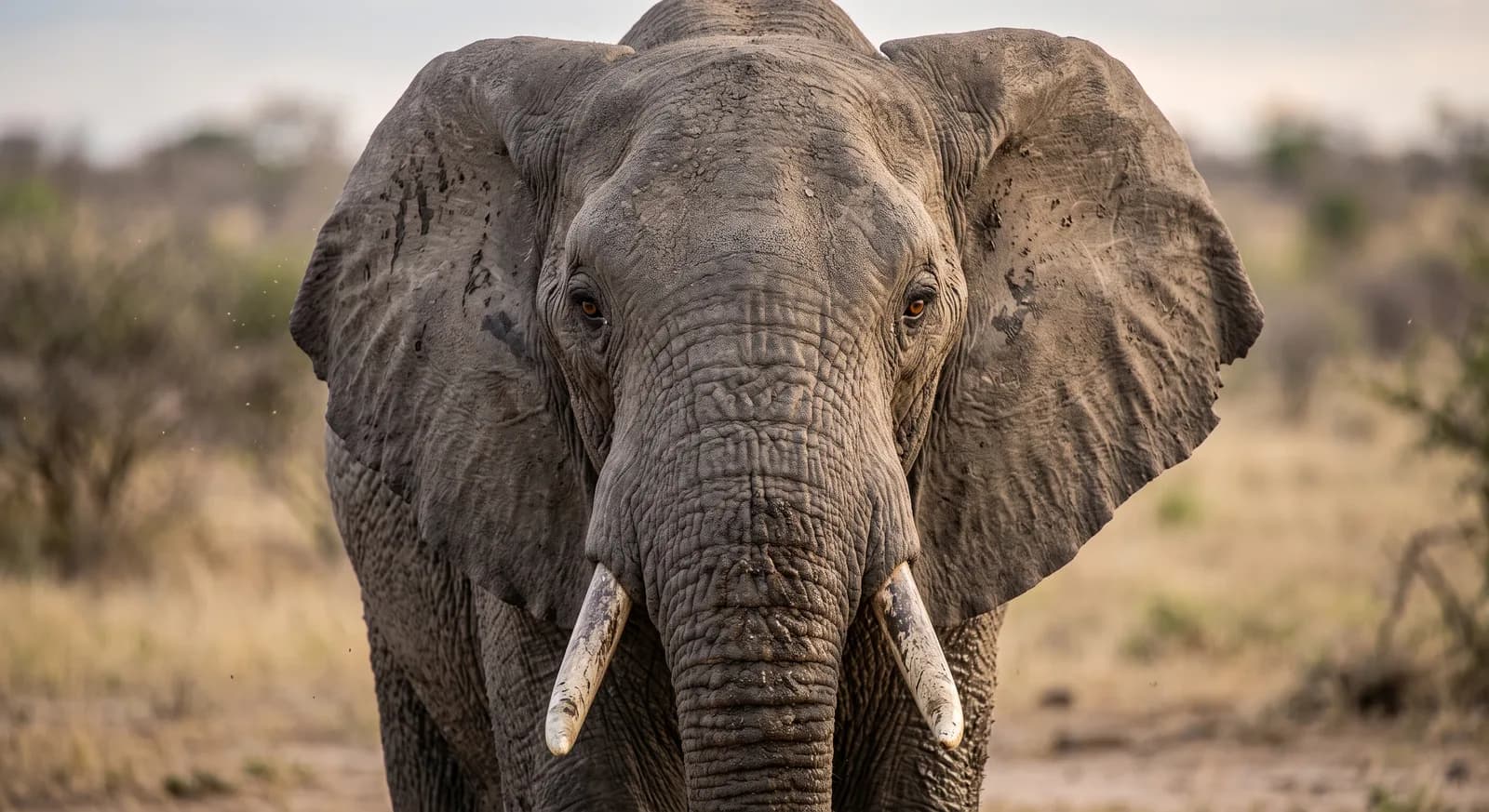
Sierra Leone keeps a significant share of the Upper Guinean rainforest, one of the planet's biodiversity hotspots and also one of the most fragmented. Gola Rainforest National Park, on the Liberian border, protects the country's largest forest block, with forest elephants, duikers, white-necked rockfowl and a very rich community of birds and butterflies. Tiwai Island, in the Moa River, concentrates one of the highest primate densities in the world, with eleven species sharing barely twelve square kilometres. On the Freetown peninsula, montane forests run down to Atlantic beaches, and in the north the plains of Outamba-Kilimi combine savannah, gallery forest, hippopotamuses and elephants. The coastal estuaries and mangroves host manatees and migratory birds.
National animal: The lion, present on the national coat of arms and in the country's own name
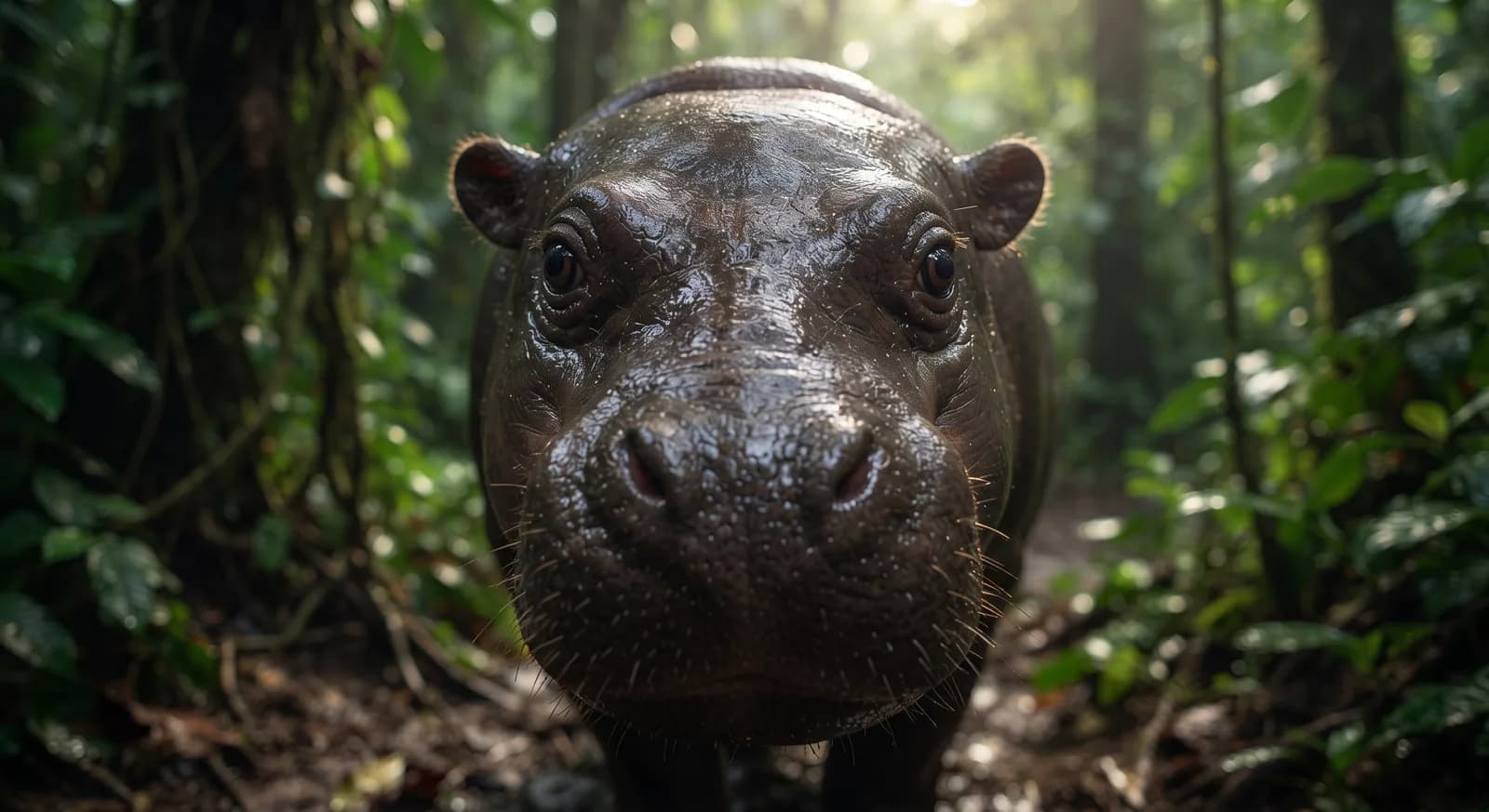
The pygmy hippopotamus is one of the most elusive large mammals in Africa: it weighs less than a tenth of its common relative, lives only in the rainforests of four West African countries and is solitary and nocturnal, which long made it seem almost legendary. Around two thousand five hundred animals remain in the wild, and Sierra Leone, with Gola and Tiwai, is one of its last strongholds.
Together with the neighbouring Liberian park, Gola forms a jointly managed transboundary forest block. Artisanal diamond mining and agricultural expansion are the main causes of forest loss.
Tiwai year-round, best in the dry season, for primates and the nocturnal pygmy hippopotamus. Gola in the dry season for forest birds. The Turtle Islands for turtles and seabirds.
Where else might I want to travel?
Same region: West Africa
Same region: West Africa
Same region: West Africa
Same region: West Africa
206 species found
Based on what we already know about Sierra Leone.