Skip to content
WAnimals
  • Map
  • Species
  • Parks
  • Diving
Log inCreate account
WAnimals

The guide for travellers and animal lovers: discover, plan and share your wild adventures around the world.

Discover wildlife

  • Species
  • Ecosystems
  • Glossary
  • Tags

Explore places

  • Map
  • Countries
  • Parks
  • Diving

Plan experiences

  • Guides

Learn

  • Blog

Resources

  • Help centre
  • Contact
  • Install the app

Follow us

Account

  • Log in
  • Create account

© 2026 WAnimals. All rights reserved.

About usHow we build our profilesTerms of servicePrivacyLegal notice
MapSpeciesParksDiving
  1. Home
  2. Species
  3. Pygmy Hippopotamus

One of the 2 hippopotamuses on WAnimals
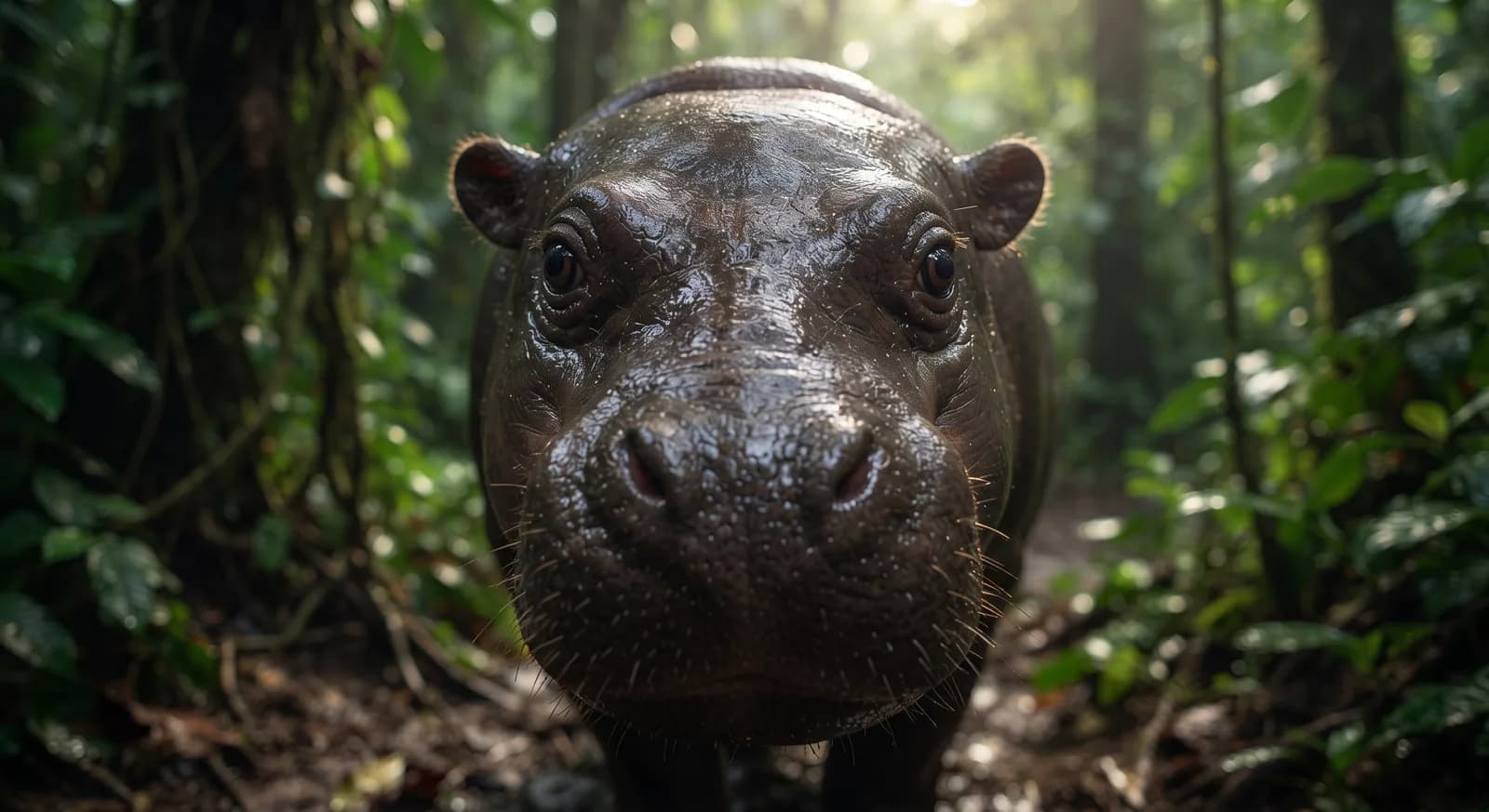
Pygmy Hippopotamus (Choeropsis liberiensis)

Mammals · Artiodactyla · Hippopotamidae

Pygmy Hippopotamus

Choeropsis liberiensis

Endangered

At very high risk of extinction in the wild in the near future.

Spotted something wrong?

Unlike its relative the common hippopotamus, it is far more solitary and less aquatic, spending most of its time hidden in dense forest vegetation. It was not described by Western science until the 19th century.

Weight

160 kg – 275 kg

Size

1.5 m – 1.8 m

Life expectancy

30 years
Diet

Herbivore

Feeds mainly on plants.

Activity

Nocturnal

Active mainly at night.

Social structure

Solitary

Lives and hunts alone, joining others only to breed.

Sighting difficulty

Hard

Estimated population

2,000-3,000 individuals

RainforestFreshwater
21countries4parks1same family

AI-generated images: illustrations, not photographs.

Fun facts

  • conservaciónIt is far more solitary and forest-dwelling than its relative the common hippopotamus, and is among the least studied large African mammals in the wild.

Life cycle and biology

Skeleton type
Vertebrate - internal bony skeleton (mammal)
Habitat and environment
Dense forest and swamp of West Africa, mainly in Liberia, with smaller populations in neighbouring countries
Birth weight
3.4 - 6.4 kg
Size at birth
Well developed at birth, able to move on land or in water soon afterwards
Sexual maturity
3-5 years
Gestation / incubation
184-210 days (~6-7 months)
Litter / clutch size
1 young (twins extremely rare)
Life expectancy in captivity
Documented record of up to 42-50 years in captivity

Sources consulted: Animals Wiki Fandom; Dimensions.com; Animal Diversity Web; Lincoln Park Zoo; A-Z Animals; Wikipedia; San Diego Zoo; The Animal Facts; Ransom et al. 2015, IUCN Red List (En peligro): población estimada en descenso; la especie ha perdido en torno al 75 % de su área de distribución histórica || IUCN SSC Hippo Specialist Group; Steck et al. 2015, revisión de la especie en cautividad

Where to find it

Best time: Very hard to see in the wild: it is nocturnal, solitary and lives in dense forest beside rivers in Liberia, Sierra Leone, Guinea and Côte d'Ivoire. The best options are Sapo National Park (Liberia) and Taï National Park (Côte d'Ivoire), and there are a little over 350 animals in zoos worldwide

Loading map…

The pins mark the parks where its presence is documented.

Where to see it

Parks and dive sites where this species has been documented.

Related species

Other species in the catalogue with the most in common with Pygmy Hippopotamus — same habitat, park, country, tags or family.

Shares a park
Shares a park
Shares a park
Same taxonomic family
Shares a park
Shares a park

How to help

The pygmy hippopotamus is classified as endangered. Organisations such as the IUCN, WWF and the Wildlife Conservation Society work specifically on its conservation and that of its habitat; looking into their programmes is a good starting point if you want to get involved.

It's documented in 3 protected areas — one reason why protecting these places matters for its conservation.

Keep exploring

Based on what we already know about pygmy hippopotamus.

Comments

Share an experience, a fun fact or a tip for seeing the pygmy hippopotamus.

Be the first to comment.

See full glossary
This page in other languages: Español · Deutsch · Français · Português · Italiano
See its range on the interactive map→
TaiCôte d’Ivoire
Sapo National ParkLiberia
Outamba-Kilimi National ParkSierra Leone
Gola RainforestSierra Leone
Giant PangolinEndangered

Giant Pangolin

Smutsia gigantea

Endangered

Tree Pangolin

Phataginus tricuspis

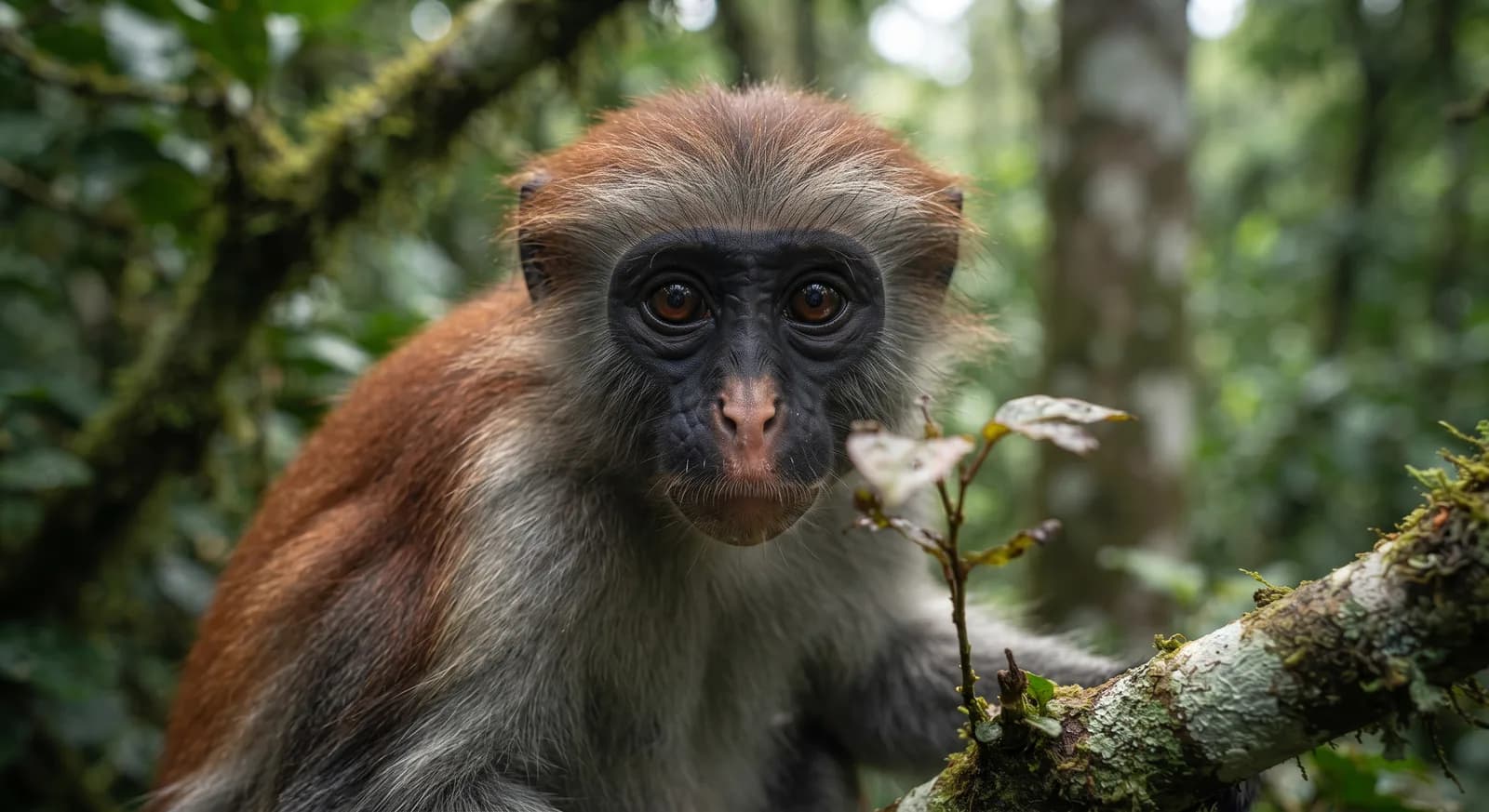
Western Red ColobusEndangered

Western Red Colobus

Piliocolobus badius

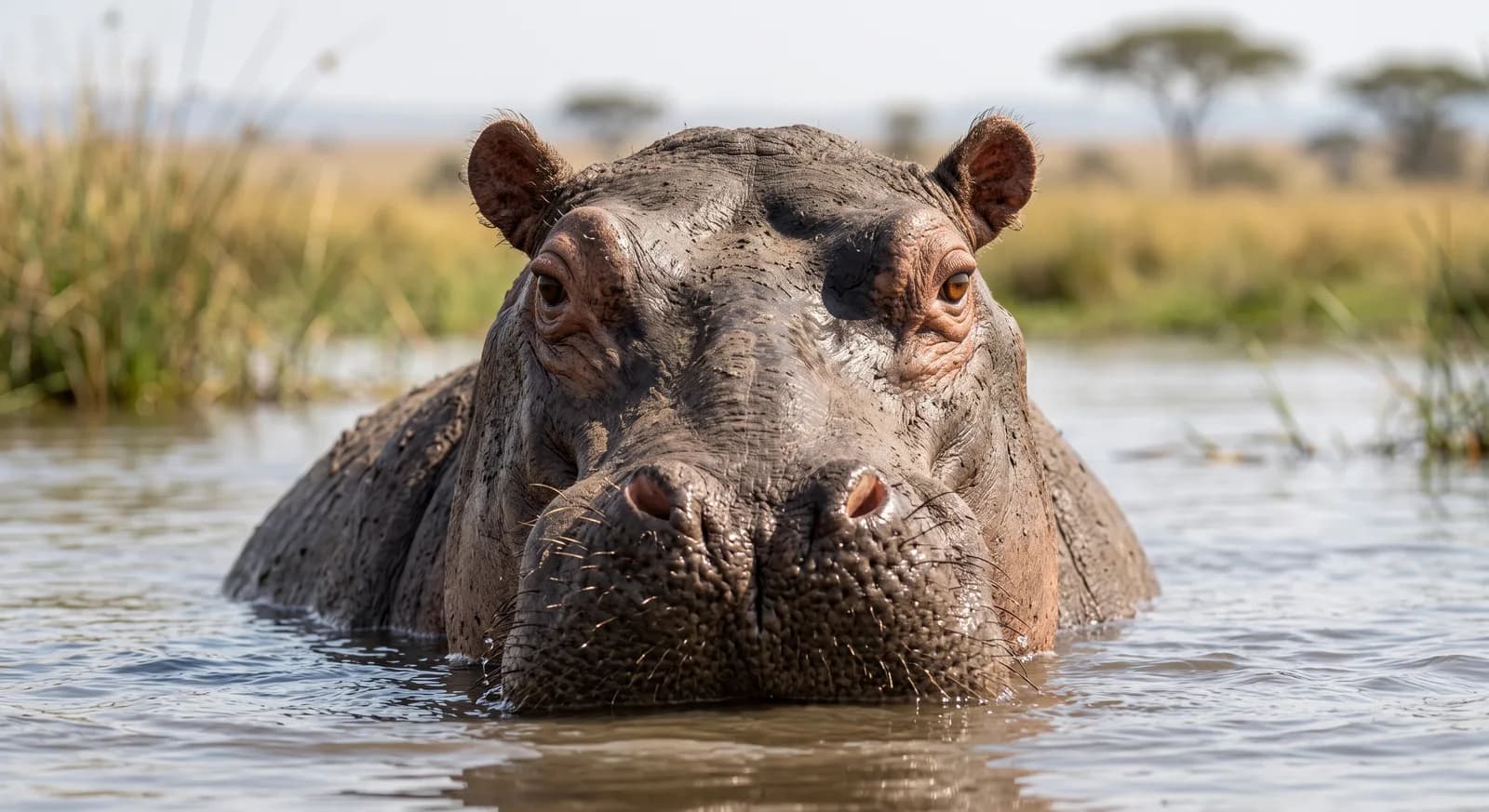
Common HippopotamusVulnerable

Common Hippopotamus

Hippopotamus amphibius

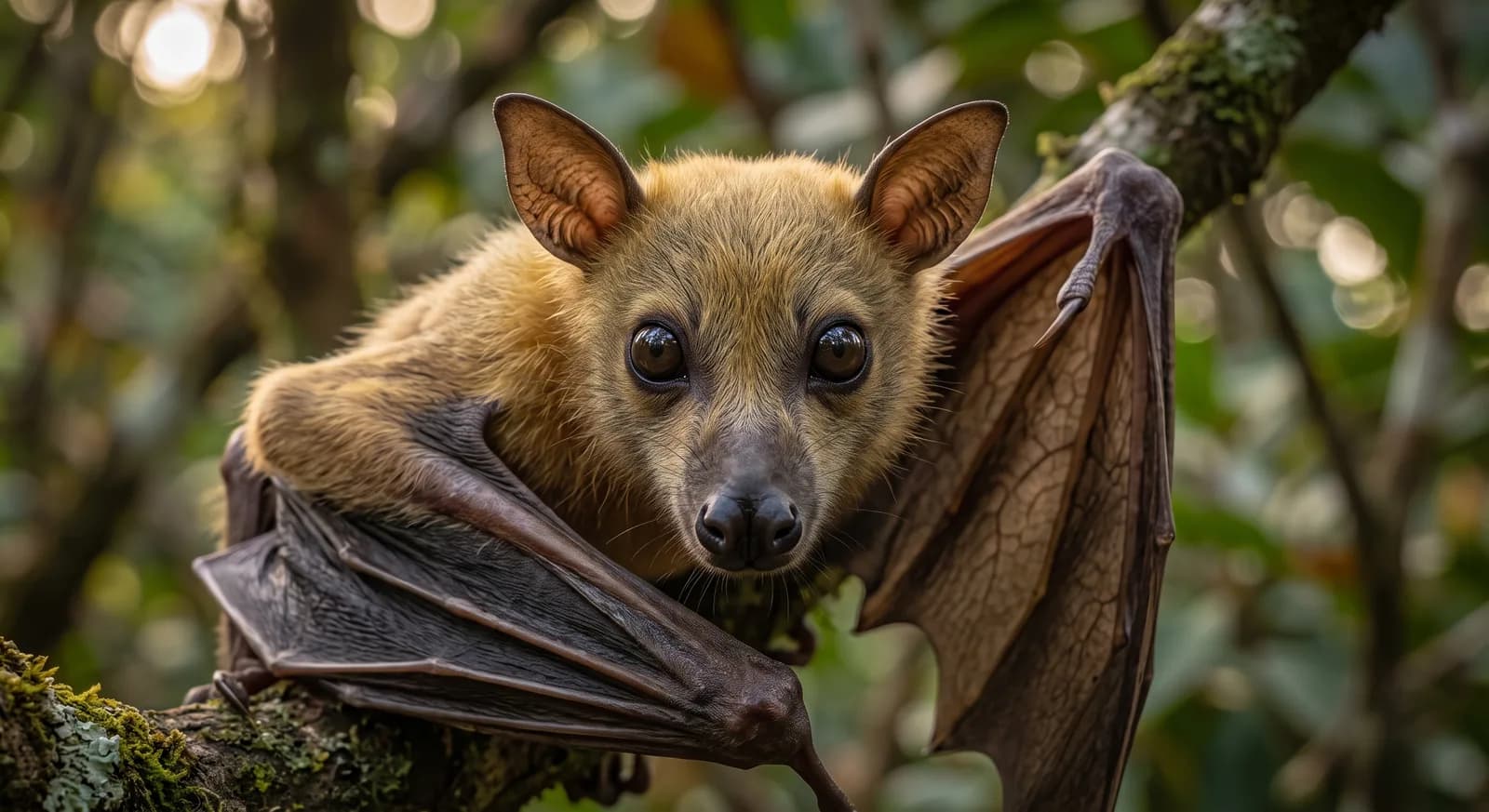
African Straw-coloured Fruit-batNear Threatened

African Straw-coloured Fruit-bat

Eidolon helvum

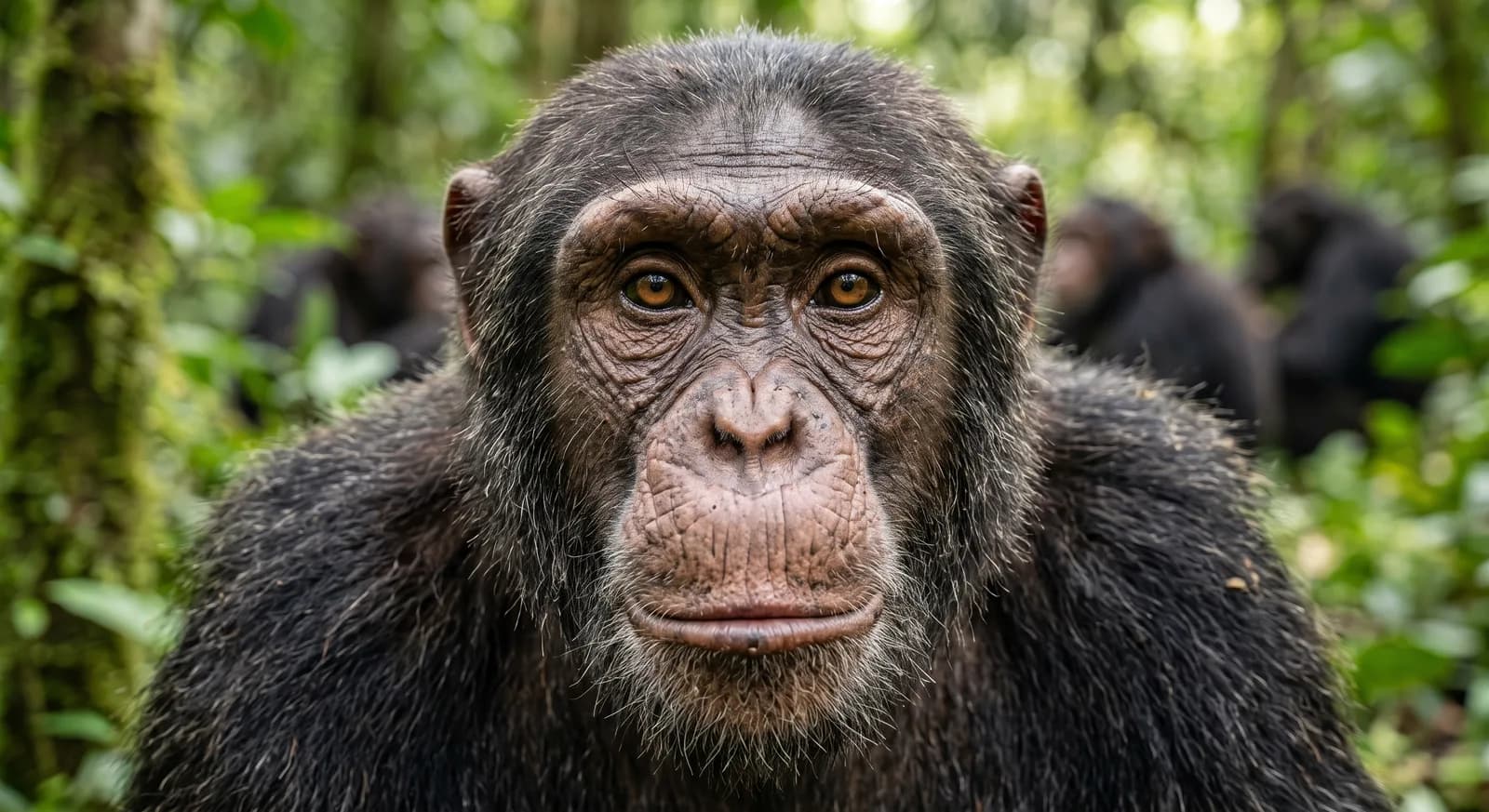
ChimpanzeeEndangered

Chimpanzee

Pan troglodytes

CountriesSierra Leone
ParksTaiCôte d’Ivoire
TagsHerbivore
Herbivore
Nocturnal
Solitary
Endangered
Rainforest
Freshwater
Mammal
Sierra Leone
Côte d’Ivoire
Liberia
Angola
Benin
Burundi
Angola
Benin
Burundi
Cameroon
Central African Republic
Côte d’Ivoire
Democratic Republic of the Congo
Equatorial Guinea
Gabon
Gambia
Ghana
Guinea
Guinea-Bissau
Liberia
Nigeria
Republic of the Congo
Rwanda
Sierra Leone
South Sudan
Togo
Uganda