 Critically Endangered
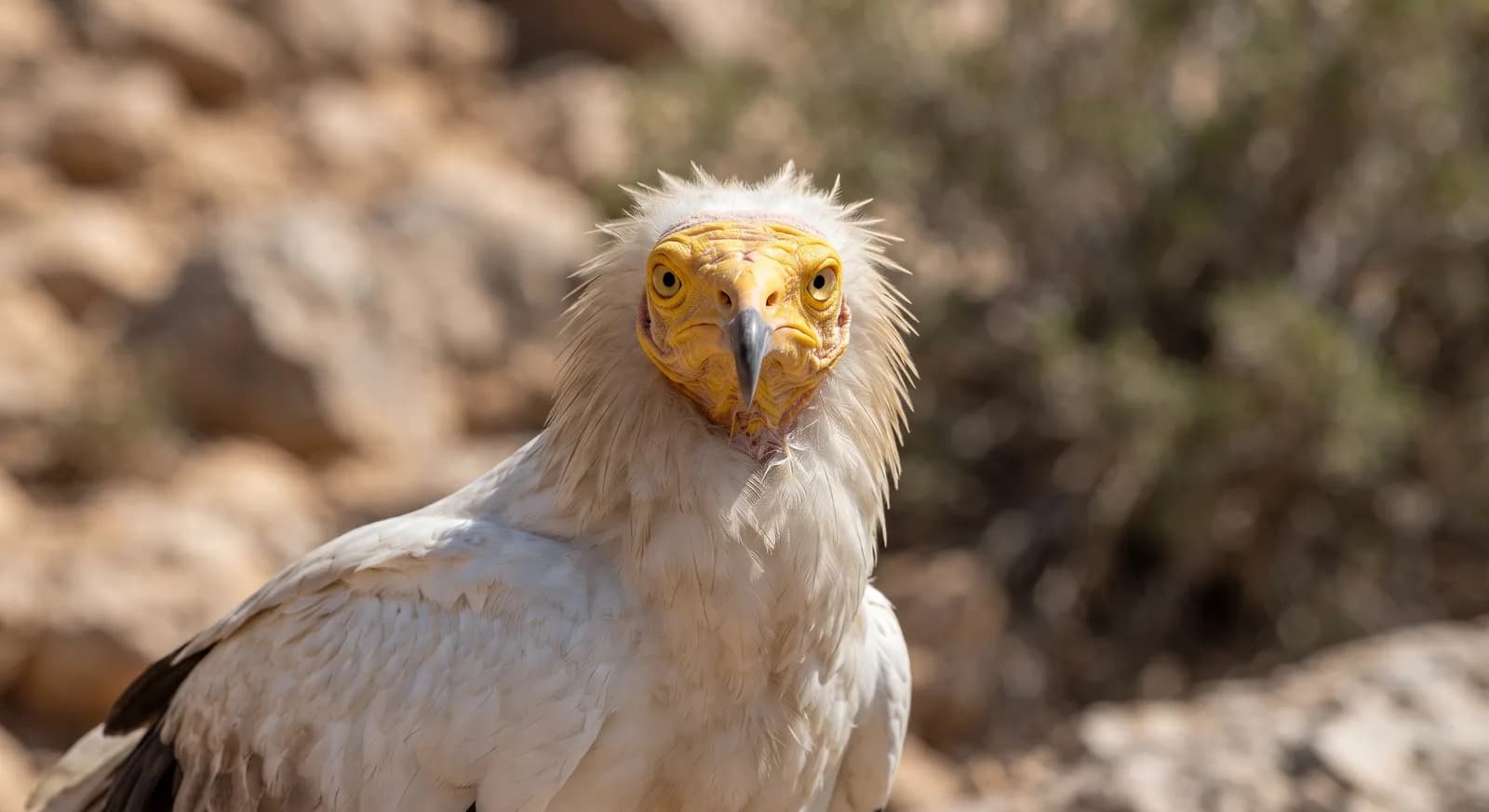
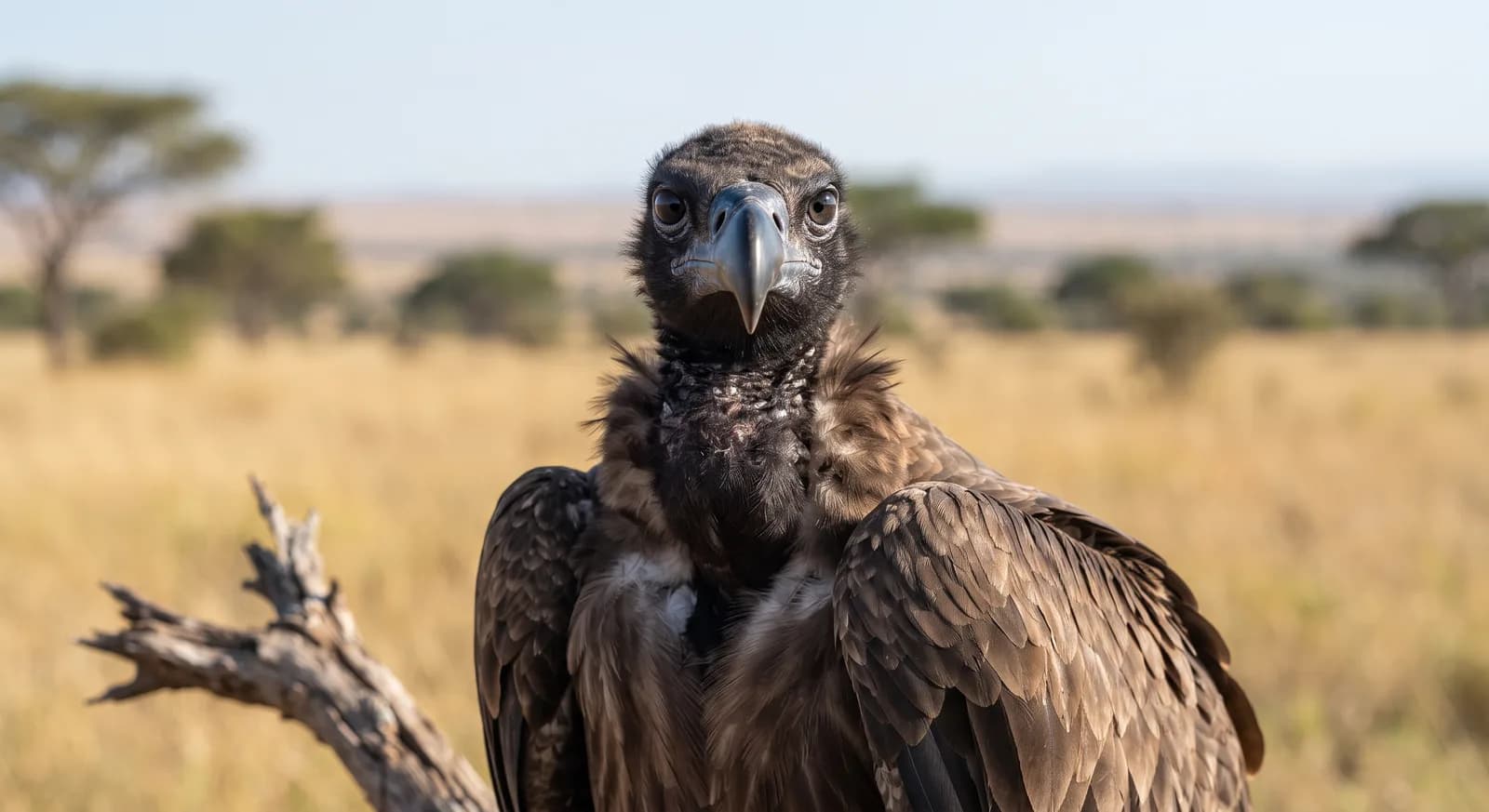
White-backed Vulture
Gyps africanus
Africa
The Gambia is a narrow strip of territory along both banks of the river of the same name, and that riverine geography defines all its natural life. The river is navigable along much of its course and changes character as it goes: brackish and fringed with mangroves near the Atlantic, fresh and flanked by gallery forest and savannah upstream. Despite its minimal size, the country records around five hundred and seventy bird species, which has made it a classic destination for African birdwatching. The mangroves of the lower river hold the African manatee, crocodiles and a great diversity of kingfishers and herons. In the coastal forests of Abuko and inland, red colobus, green monkeys, spotted hyenas and warthogs survive, and hippopotamuses remain on the upper stretch of the river.
National animal: No official national animal
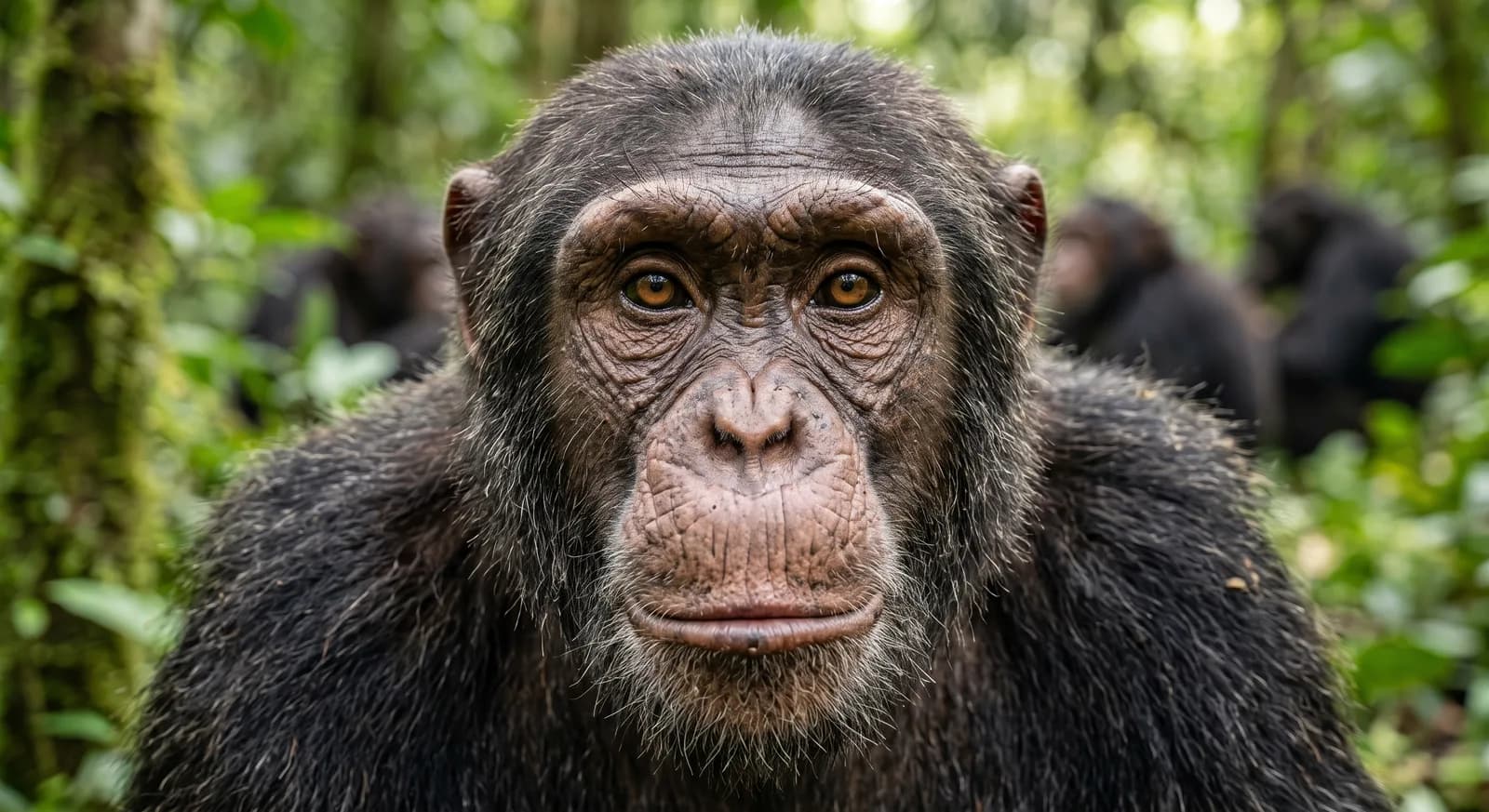
On the Baboon Islands, in the middle of the Gambia River, one of the oldest chimpanzee reintroduction projects in the world has been running since 1979. The chimpanzee had become extinct in the country, and orphaned animals rescued from the illegal trade were released there. Today the islands hold several groups descended from those animals, living free and observable only from the water, without going ashore.
Mangrove felling and fishing pressure on the estuary are the main threats. Community reserves have proved an effective route to conserving coastal forest in a country with very little protected land.
The Gambia River by boat year-round, with the best visibility between November and March. Abuko first thing for primates and forest birds. Kiang West in the dry season for savannah mammals.
Where else might I want to travel?
Same region: West Africa
Same region: West Africa
Same region: West Africa
Same region: West Africa
269 species found
Based on what we already know about Gambia.