One of the 26 sharks on WAnimals
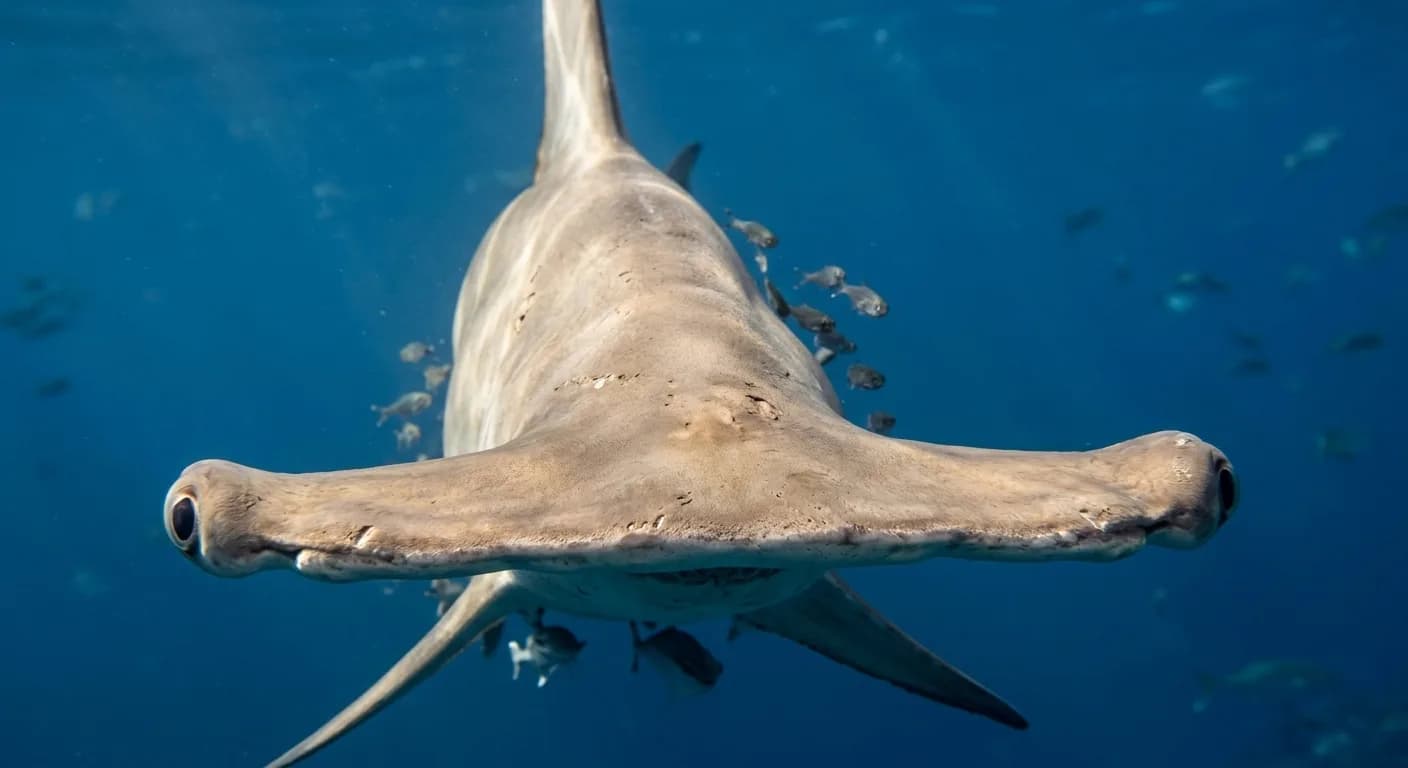
Cartilaginous fish · Carcharhiniformes · Sphyrnidae
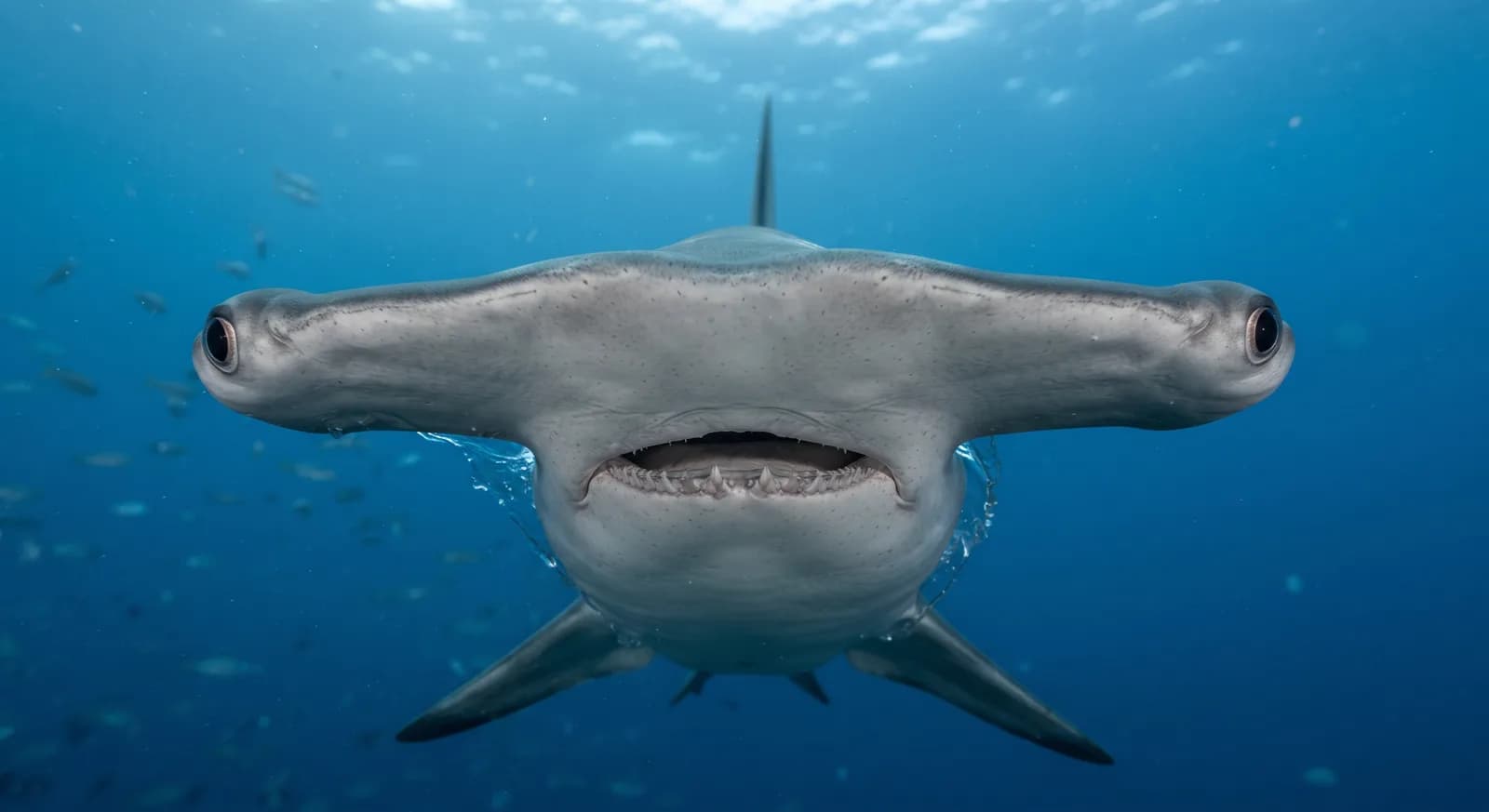
Sphyrna lewini
At extremely high risk of imminent extinction in the wild.
It is famous for gathering in large schools of hundreds around seamounts, a social behaviour uncommon in sharks that scientists still do not fully understand.
Weight
100 kg – 152 kg
Size
3.7 m – 4.3 m
Life expectancy
30 years
Diet
Carnivore
Feeds mainly on other animals.
Activity
Irregular activity
Active at irregular times, by day or night depending on circumstances.
Social structure
School
Gathers in coordinated schools, typical of fish.
Sighting difficulty
Very hard
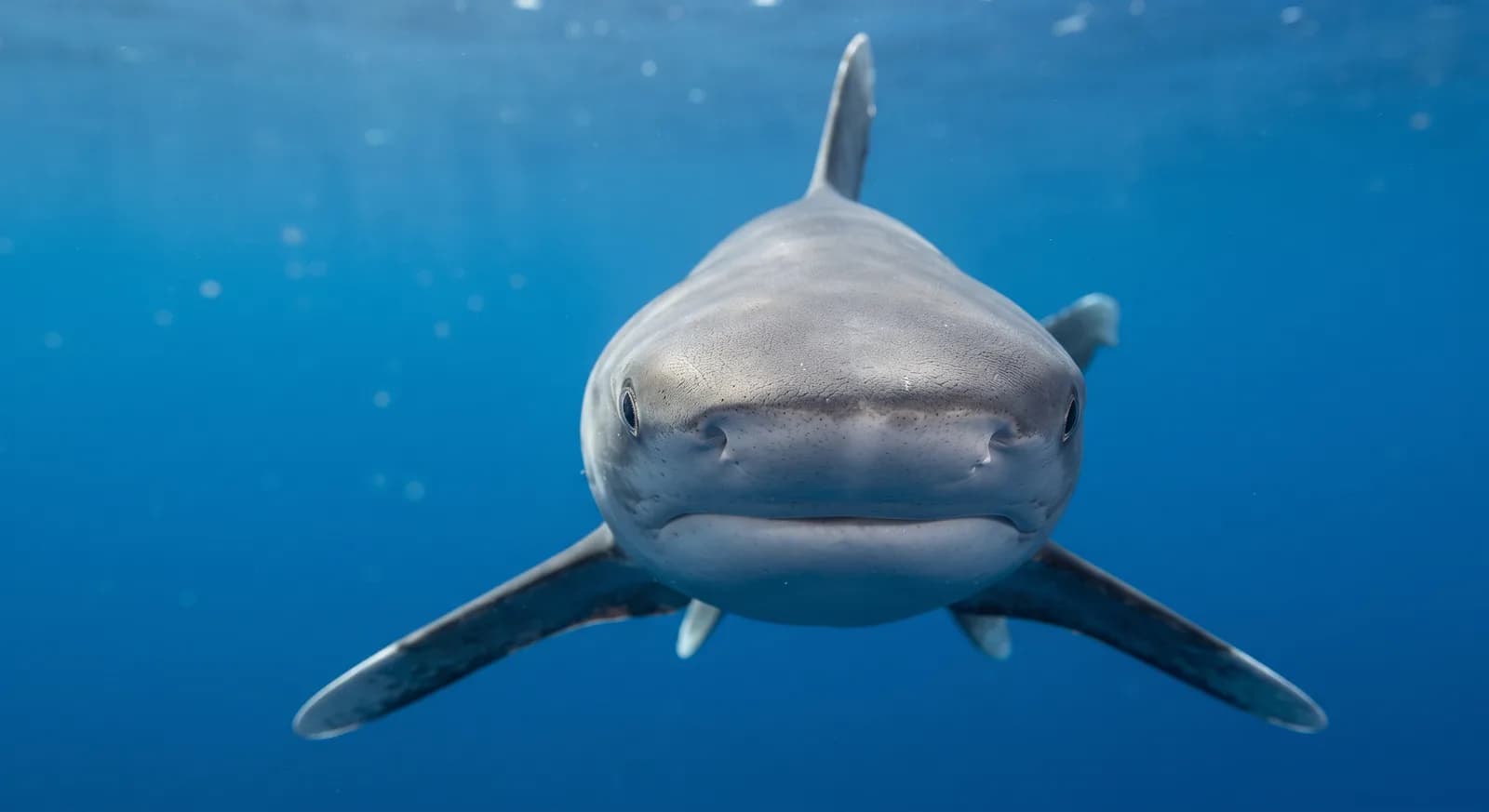
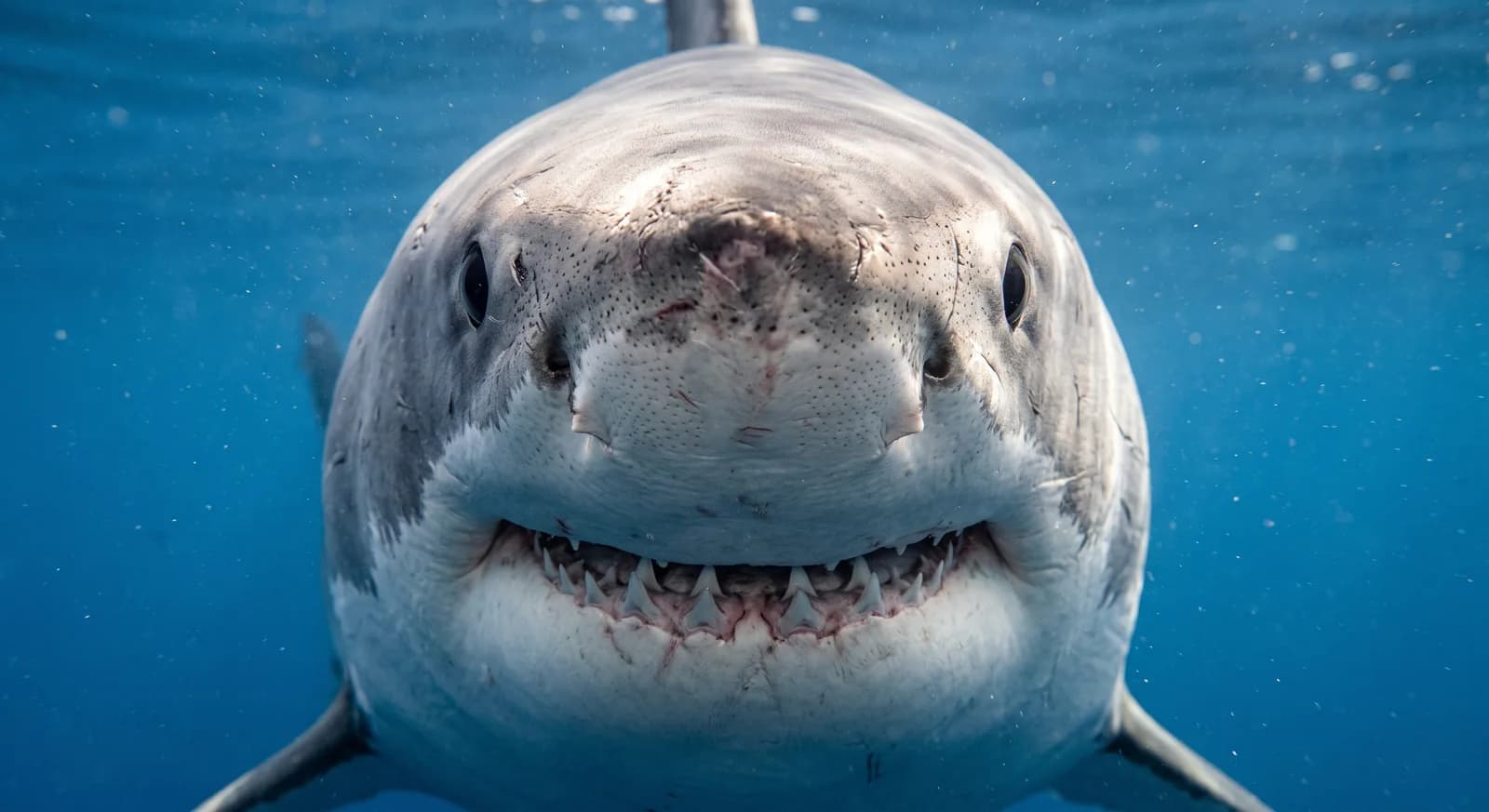
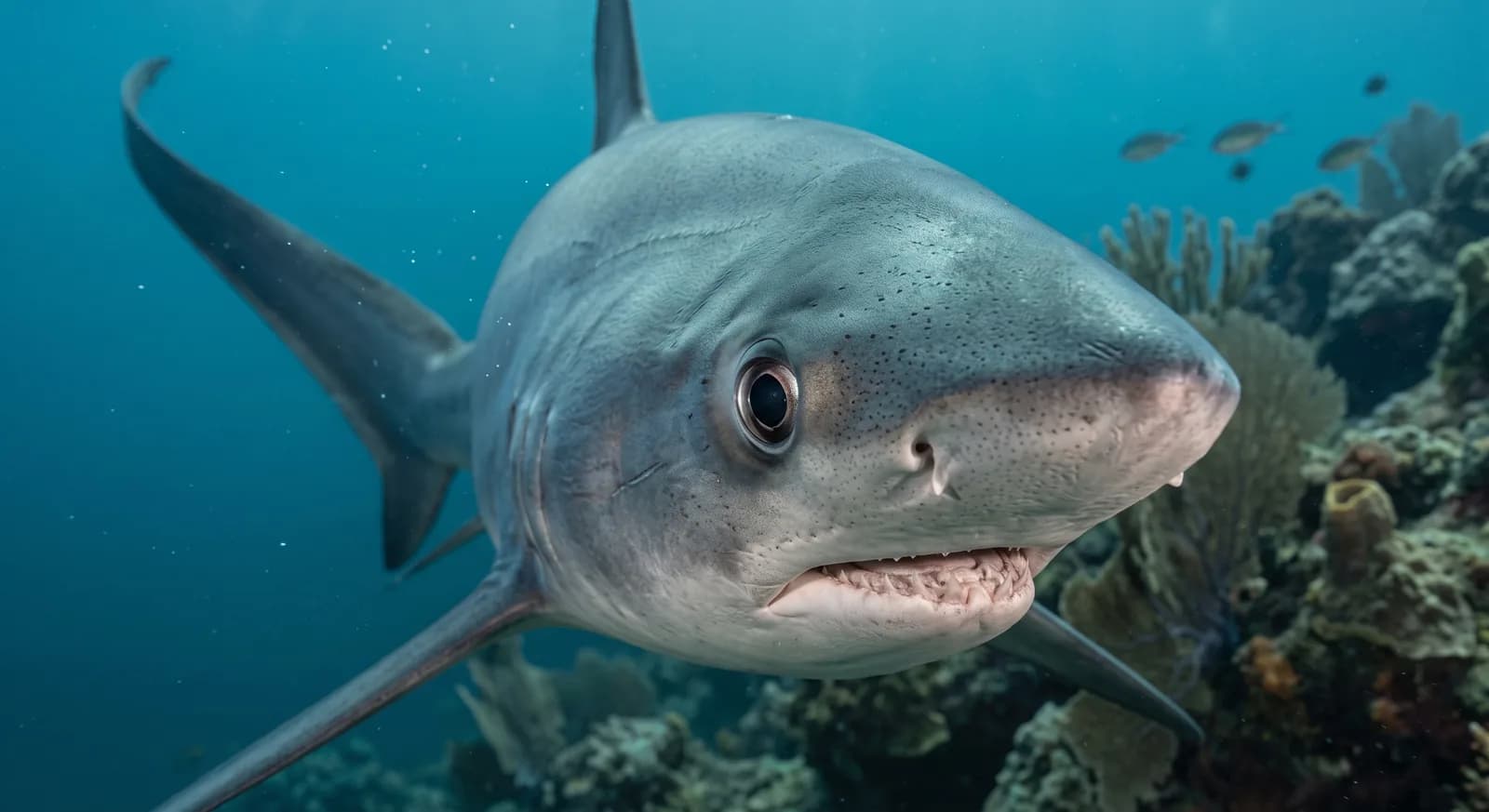
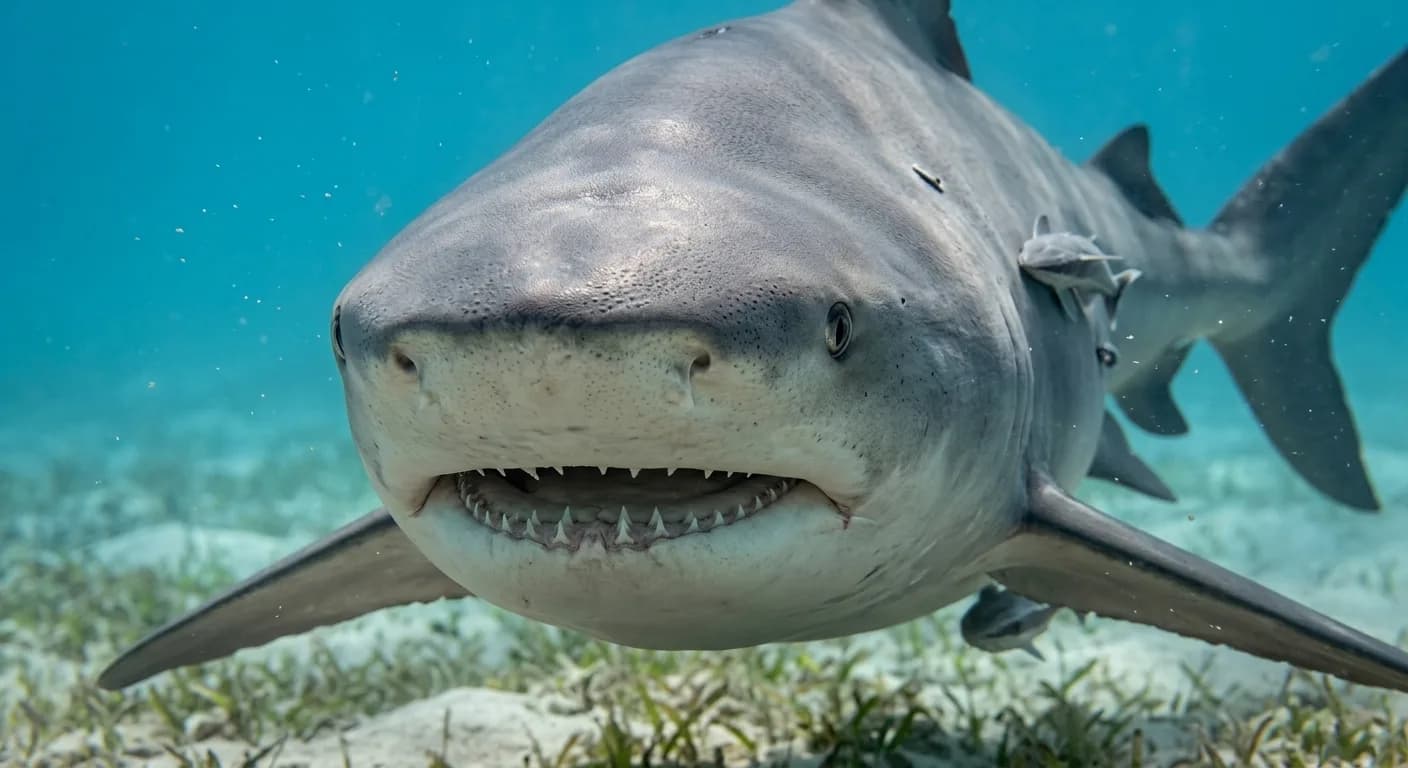
AI-generated images: illustrations, not photographs.
Sources consulted: Shark Research Institute; California State University Long Beach fact sheet; FishBase; Animal Diversity Web; Shark Angels; Springer Environmental Biology of Fishes (reproductive biology study); PubMed (Brazilian coast age growth study)
Best time: From June to October at the seamounts of the tropical eastern Pacific — Cocos, Malpelo, Galápagos — when it forms large schools.
Parks and dive sites where this species has been documented — showing 20 of 35.
Other species in the catalogue with the most in common with Scalloped Hammerhead — same habitat, park, country, tags or family.
The scalloped hammerhead is classified as critically endangered. Organisations such as the IUCN, WWF and the Wildlife Conservation Society work specifically on its conservation and that of its habitat; looking into their programmes is a good starting point if you want to get involved.
It's documented in 15 protected areas — one reason why protecting these places matters for its conservation.
Based on what we already know about scalloped hammerhead.
Share an experience, a fun fact or a tip for seeing the scalloped hammerhead.
Be the first to comment.
The pins mark the parks and dive sites where its presence is documented.