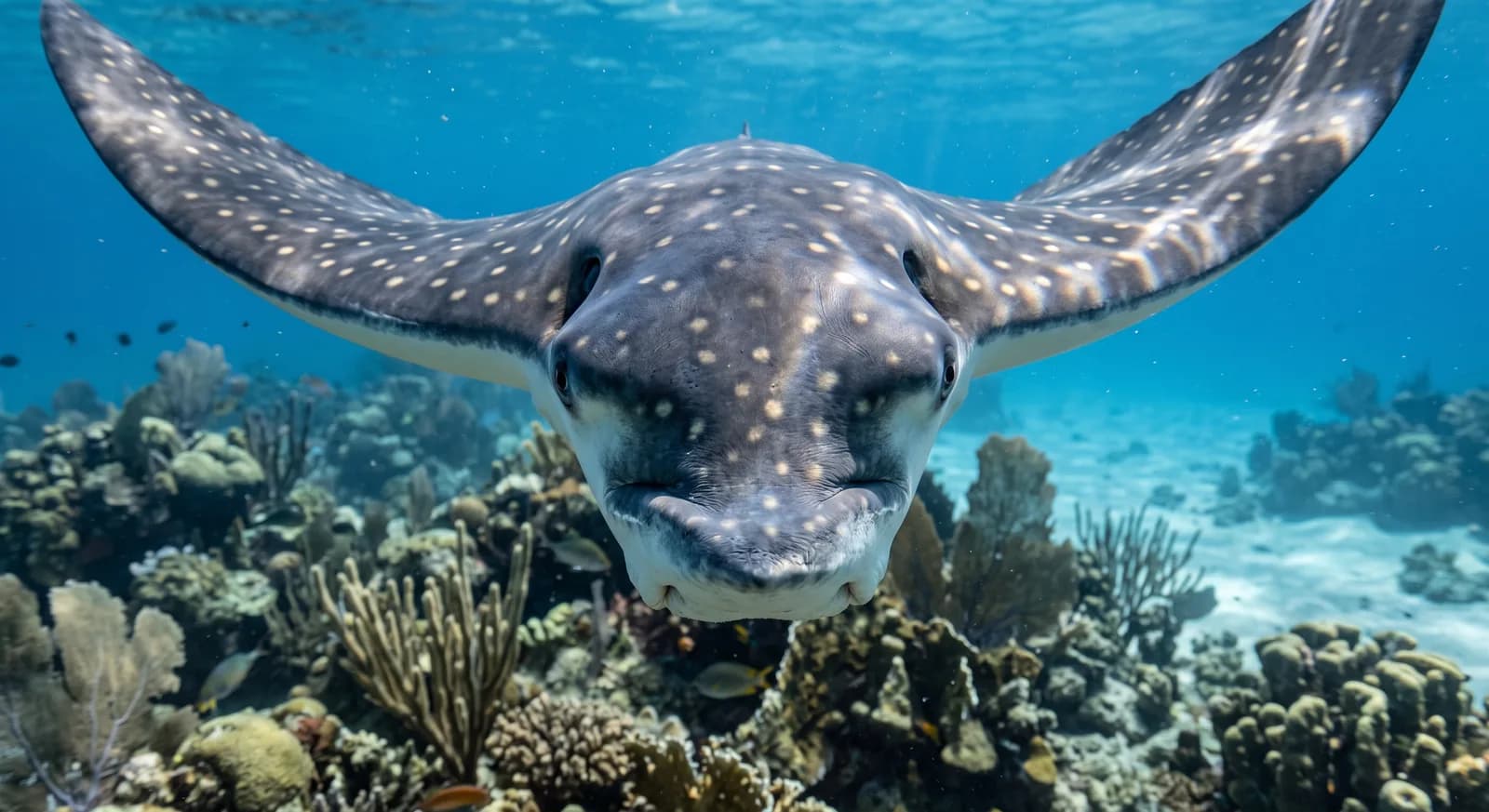
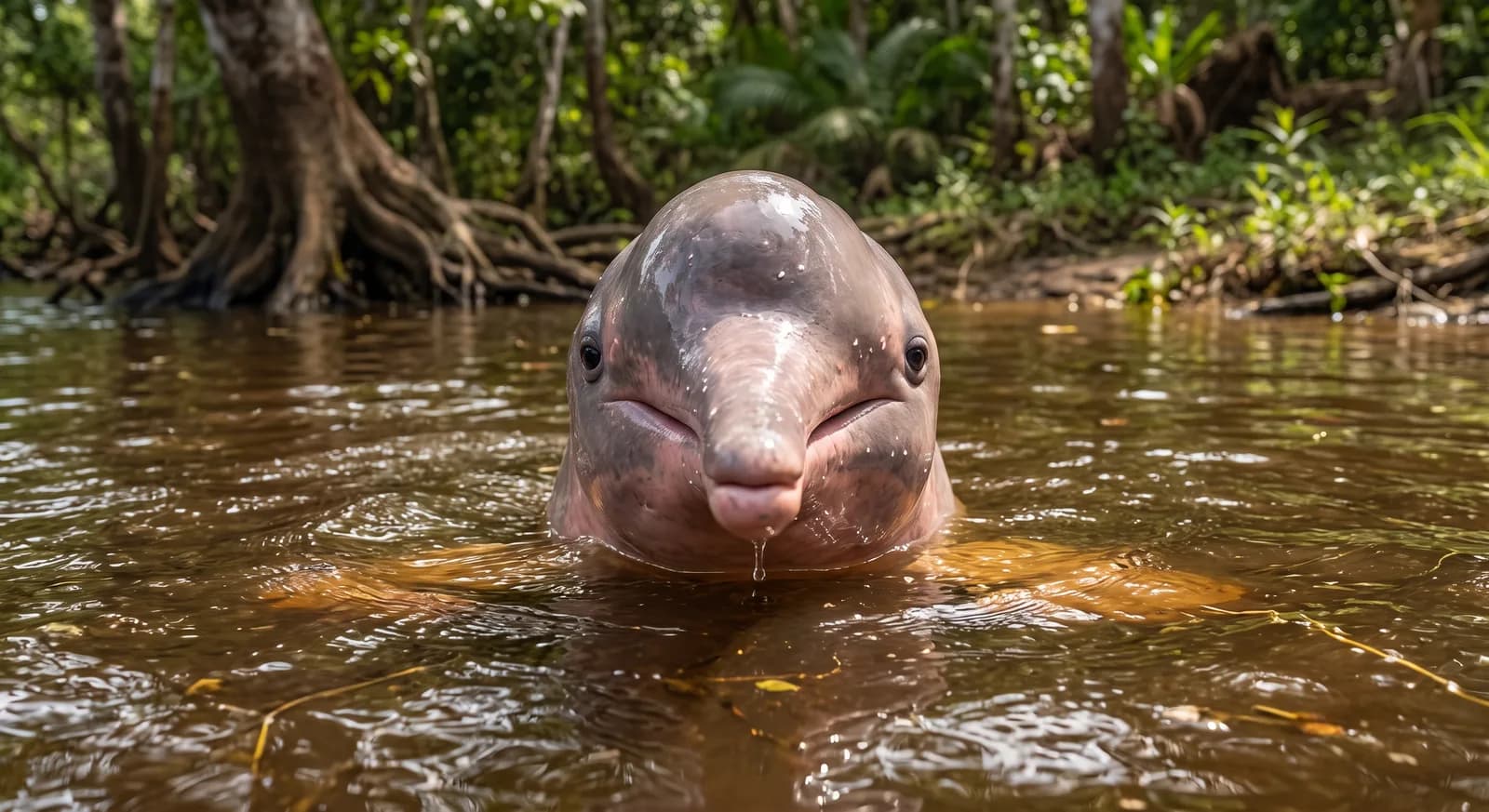
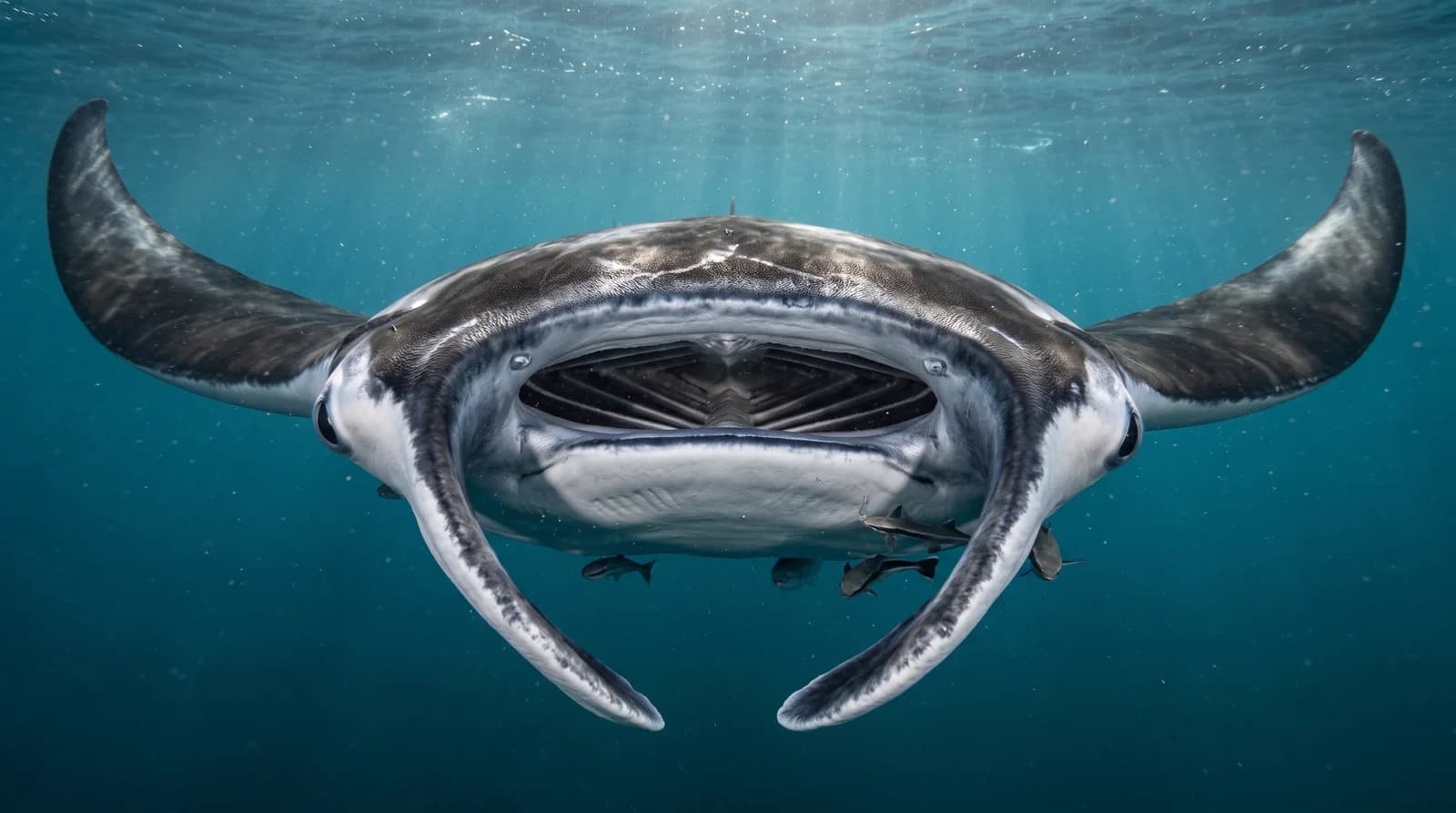
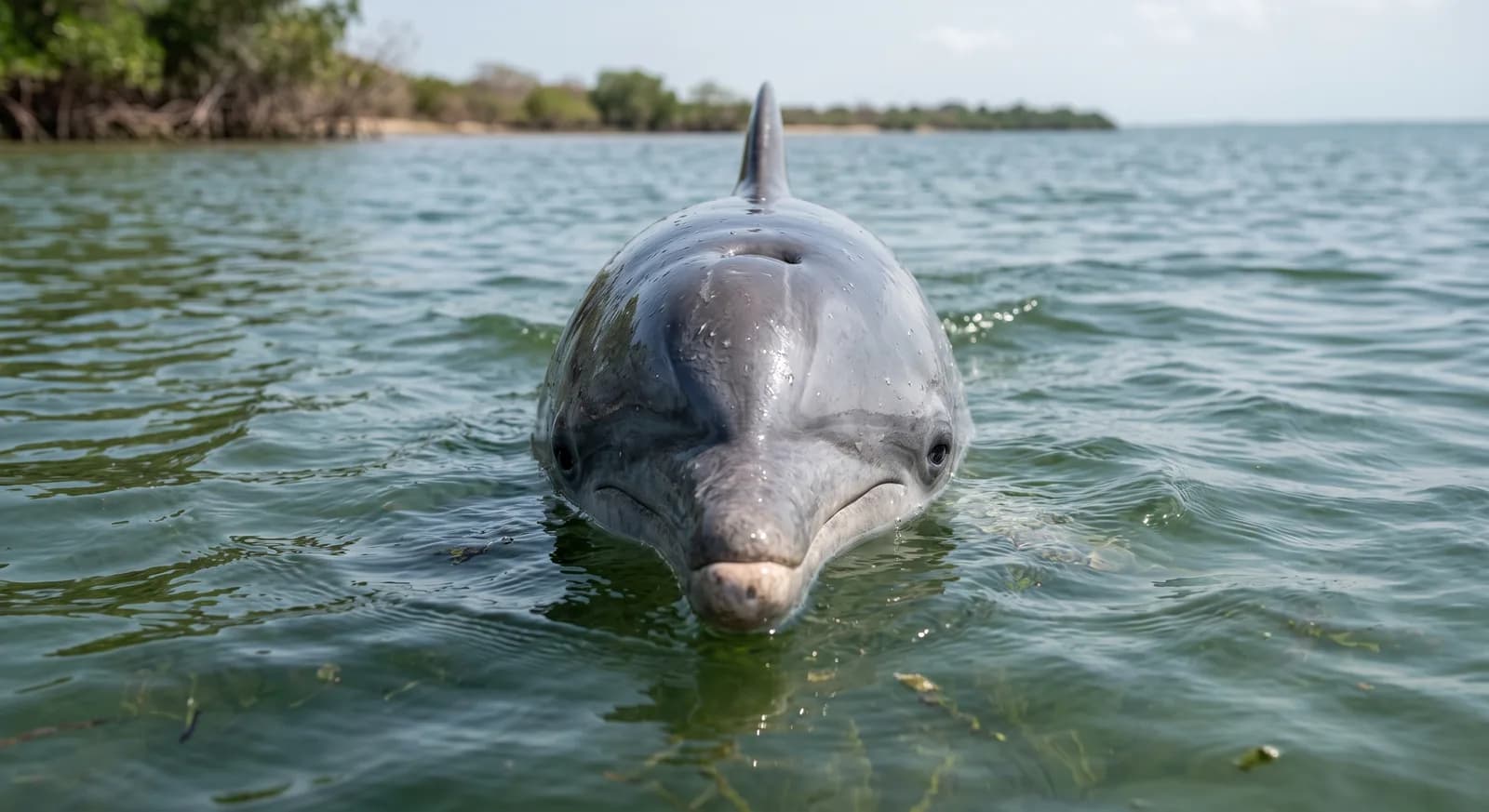
 Critically Endangered
Atlantic Humpback Dolphin
Sousa teuszii
South America
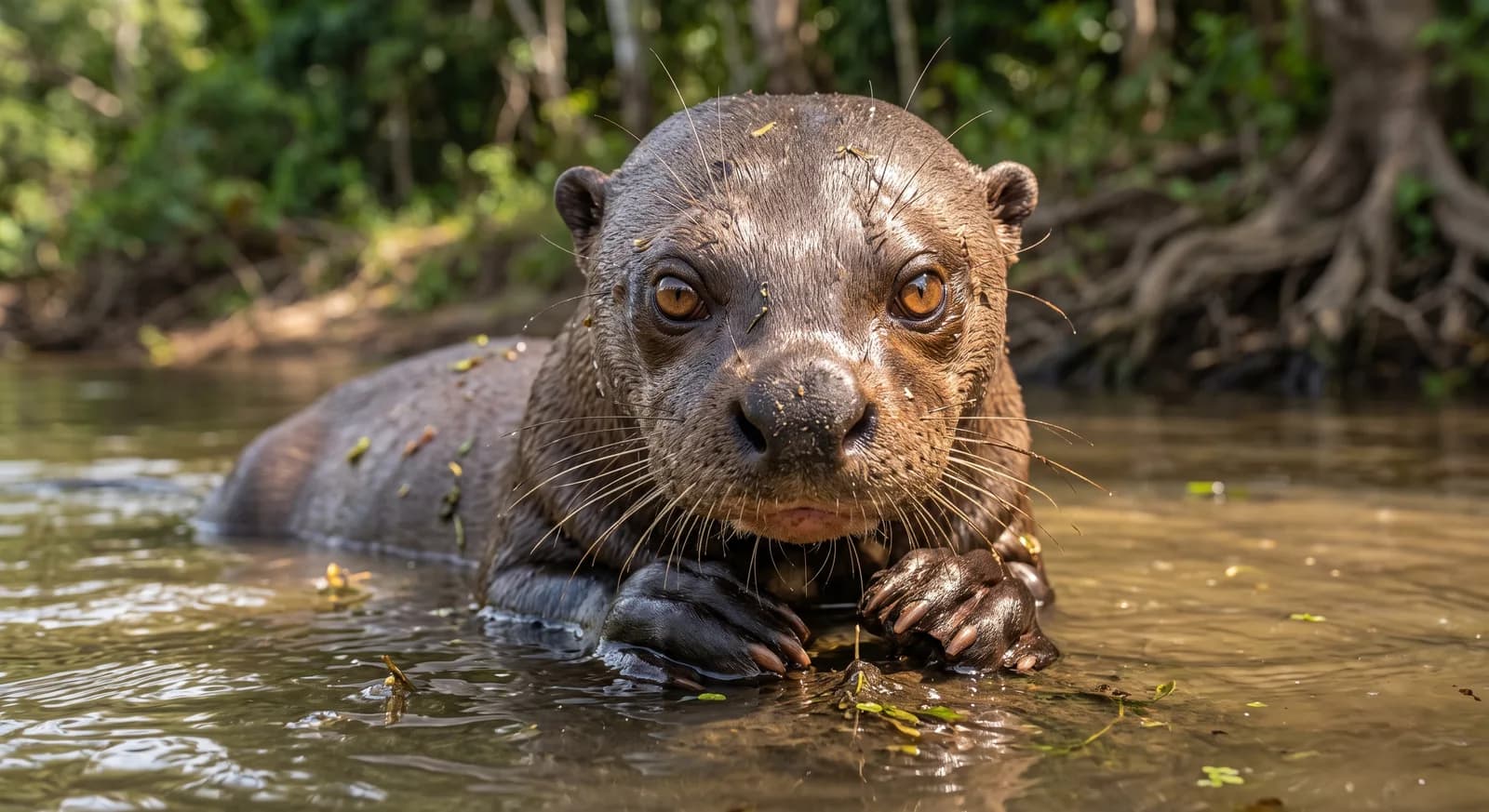
Guyana keeps tropical forest across close to eighty-five per cent of its territory and has one of the lowest population densities in the Americas, which has left enormous expanses of rainforest virtually intact. The interior is occupied by the Guiana Shield, with plateaux, waterfalls and blackwater rivers, and by the Rupununi savannah, a seasonally flooded plain that connects the Amazon and Essequibo basins. Kaieteur Falls, with a free drop of more than two hundred and twenty metres, is one of the greatest single-drop waterfalls in the world by volume. The Iwokrama reserve works as a laboratory for sustainable forest management and holds jaguars, giant otters, harpy eagles and arapaima, one of the largest freshwater fish on the planet.
National animal: The hoatzin, the national bird; the jaguar appears as a supporter on the country's coat of arms
At the top of Kaieteur Falls, among the permanent mist thrown up by the falling water, grow giant bromeliads that collect a small pool of water inside. There lives a tiny golden frog that completes its entire life cycle inside a single plant: it hunts there, sings there, lays its eggs there and its tadpoles grow there. It never sets foot on the forest floor.
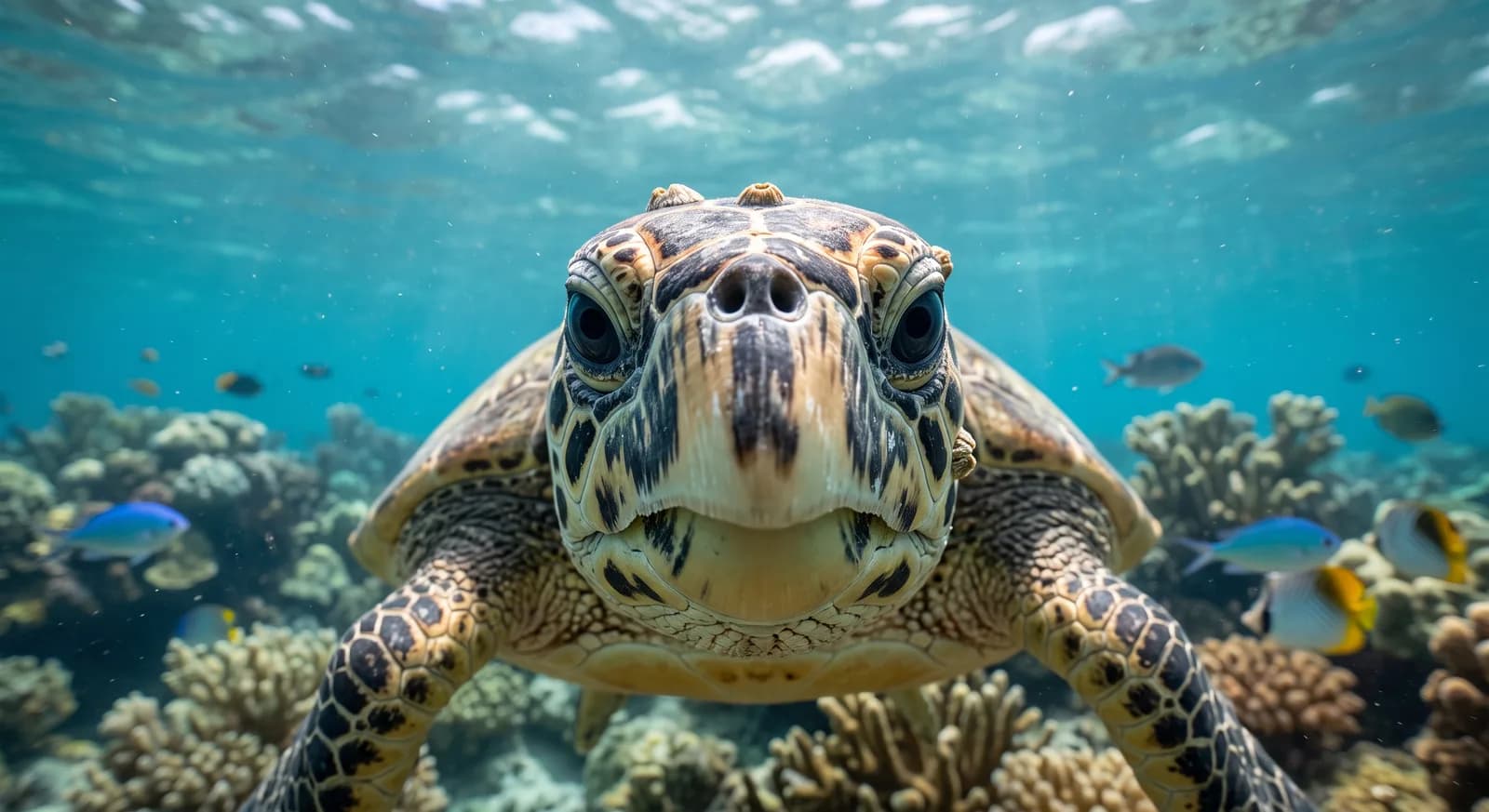
Shell Beach, on the coast, is a nesting ground for four sea turtle species and is managed together with indigenous communities that once caught them. Iwokrama is one of the few places in the world where it is systematically tested whether a tropical forest can generate income without being destroyed.
Kaieteur year-round for the golden frog and the swifts that nest behind the curtain of water. The Rupununi in the dry season for giant otters and birds. Iwokrama at night for jaguars on the forest road.
236 species found
Based on what we already know about Guyana.