Skip to content
WAnimals
  • Map
  • Species
  • Parks
  • Diving
Log inCreate account
WAnimals

The guide for travellers and animal lovers: discover, plan and share your wild adventures around the world.

Discover wildlife

  • Species
  • Ecosystems
  • Glossary
  • Tags

Explore places

  • Map
  • Countries
  • Parks
  • Diving

Plan experiences

  • Guides

Learn

  • Blog

Resources

  • Help centre
  • Contact
  • Install the app

Follow us

Account

  • Log in
  • Create account

© 2026 WAnimals. All rights reserved.

About usHow we build our profilesTerms of servicePrivacyLegal notice
MapSpeciesParksDiving
  1. Home
  2. countries
  3. Brazil

Brazil

South America

Capital: BrasíliaJune to October

450

Documented species

28

Parks and reserves

6

Dive sites

Brazil is the most biodiverse country on the planet and holds around sixty per cent of the Amazon rainforest, along with five other major biomes. The Cerrado, the richest savannah in the world in plant species, covers much of the centre of the country and acts as a water tank feeding the rivers of three basins. The Pantanal, in the southwest, is the largest continuous wetland on the planet; it floods every year and in the dry season concentrates a density of wildlife comparable to Africa's, with the best chance in the world of seeing jaguars. The Atlantic Forest, along the coast, is a biodiversity hotspot reduced to fragments, and the Caatinga is the largest tropical dry forest in South America.

Nature in Brazil

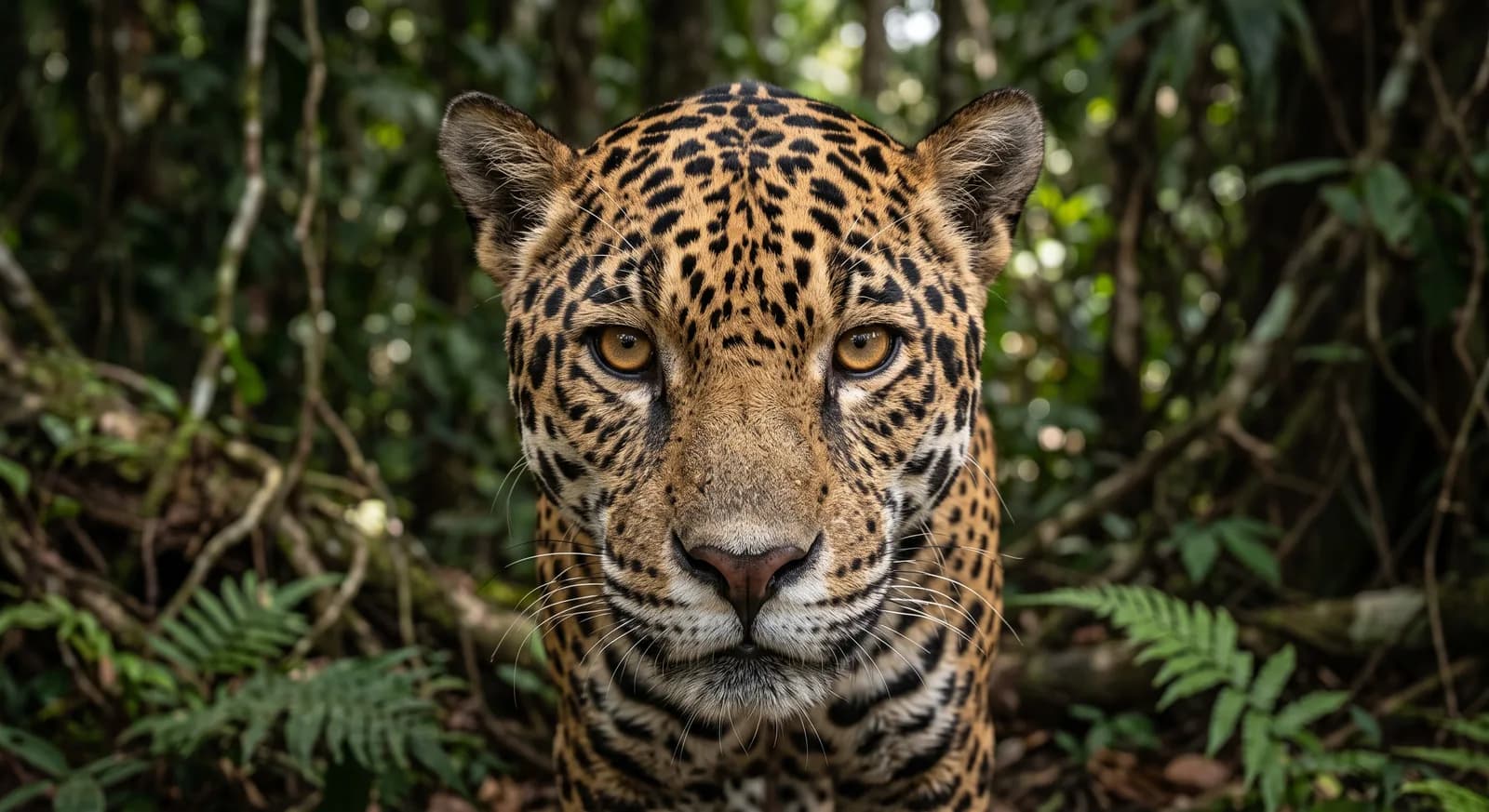
National animal: The rufous-bellied thrush is the national bird; the jaguar is the country's emblematic animal

Did you know?

The golden lion tamarin, a small primate with an orange mane found only in the Atlantic Forest, was down to some two hundred animals in the 1970s. Its recovery combined breeding in zoos around the world, reintroduction into forest fragments, land purchases and the building of tree corridors over roads so that isolated groups could meet. Today they number more than four thousand, although a yellow fever outbreak struck them again in 2018.

Biodiversity profile

Conservation

Spix's macaw became extinct in the wild in the year 2000 and has begun to be reintroduced into the Caatinga from birds bred in captivity in Europe. Deforestation of the Amazon and the Cerrado, driven by cattle ranching and soya, remains the country's greatest environmental problem.

Where and when to watch wildlife

The northern Pantanal between July and October for jaguars along the riverbanks. Amazonia at high water to travel the flooded forest by canoe. Fernando de Noronha year-round for spinner dolphins and turtles.

Natural phenomena in Brazil

  • Best time to see jaguars in the Pantanal — June to October (dry season)
  • Best time to see giant otters in the Pantanal — June to September (dry season)
  • Best time to see Amazon river dolphins — June to November (low-water season)
Parks and reserves

National Park

Pantanal Matogrossense

The protected core of the largest tropical wetland on the planet, shared with Bolivia and Paraguay

See park
National Park

Chapada dos Veadeiros

Quartzite plateaux of the Goiás Cerrado, one of the oldest tropical ecosystems on the planet.

See park
National Park

Emas

One of the best places in the world to watch bioluminescent termite mounds during the rainy season

See park
Marine National Park

Fernando de Noronha

A volcanic archipelago with strict daily visitor limits; waters with the greatest concentration of spinner dolphins in the world

See park
National Park

Iguaçu (Brazilian side)

The Iguaçu Falls, 275 separate cataracts, among the greatest curtains of water on the planet

See park
National Park

Jaú

One of the largest rainforest parks in the world, the core of the Central Amazon Conservation Complex.

See park
National Park

Iguaçu National Park

The Brazilian side of the Iguaçu Falls, with the largest stretch of protected Atlantic Forest in the country.

See park
World Heritage Site (Natural)

Discovery Coast Atlantic Forest Reserves

Eight protected areas in Bahia and Espírito Santo where the Portuguese landed in 1500, holding the Atlantic Forest richest in tree species in the world.

See park
World Heritage Site (Natural)

Atlantic Forest South-East Reserves

Twenty-five protected areas in São Paulo and Paraná that preserve the largest continuous expanse of Atlantic Forest.

See park
National Park

Serra da Bocaina

Serra do Mar Atlantic Forest between Rio and São Paulo, a component of Brazil's first mixed property, inscribed in 2019.

See park
National Park

Serra da Capivara

The greatest concentration of prehistoric sites in the Americas, with millennia-old rock art in the middle of the Piauí caatinga.

See park
National Park

Superagui

Islands, mangroves and restinga on the coast of Paraná, the only home of the black-faced lion tamarin.

See park
National Park

Grande Sertão Veredas

Buriti palm veredas and Cerrado grasslands in northern Minas Gerais, the landscape Guimarães Rosa wrote about.

See park
National Park

Serra do Cipó

The "Garden of Brazil": campos rupestres of the Serra do Espinhaço with one of the highest rates of plant endemism in the world.

See park
National Park

Amazônia

The first national park created in the Brazilian Amazon, on the banks of the Tapajós, in the thick of the deforestation arc.

See park
National Park

Anavilhanas

The largest river archipelago in the world, with over 400 islands built from the sediment of the Rio Negro

See park
National Park

Aparados da Serra

The Itaimbezinho canyon, with vertical walls 720 metres high, is nicknamed the Brazilian Grand Canyon

See park
National Park

Chapada Diamantina

A 19th-century diamond mining region, today famous for its caves, turquoise water pools and plateaux

See park
National Park

Chapada dos Guimarães

Red sandstone escarpments and waterfalls at the geodesic centre of South America, deep in the Mato Grosso Cerrado.

See park
National Park

Itatiaia

Brazil's first national park, declared in 1937

See park
National Park

Lencois Maranhenses

A vast field of white dunes with thousands of turquoise rainwater lagoons that appear and vanish with the seasons

See park
National Park

Mount Roraima

The Brazilian face of South America's most famous tepui, at the triple border with Venezuela and Guyana.

See park
National Park

Pico da Neblina

Brazil's highest mountain, in the Serra do Imeri, inside Yanomami territory and under almost permanent cloud.

See park
National Park

Restinga de Jurubatiba

Brazil's first national park devoted solely to restinga, with coastal lagoons in northern Rio de Janeiro state.

See park
National Park

Serra da Canastra

The São Francisco River, one of Brazil's longest and most important, rises here from a spring inside the park itself

See park
National Park

Serra dos Orgaos

The Dedo de Deus, a granite spire more than 1,600 metres high, has been an icon of Brazilian mountaineering since the 19th century

See park
National Park

Tijuca

Rio de Janeiro's urban forest, replanted by hand in the nineteenth century, with Corcovado inside it.

See park
National Park

Ubajara

Brazil's smallest national park, in the Serra de Ibiapaba, with a limestone cave reached by cable car.

See park

Diving and snorkelling

Reef/Wall

Fernando de Noronha

An archipelago formed by the volcanic peaks of a submerged ocean ridge. Its waters are a breeding and feeding ground for tuna, sharks, turtles and marine mammals, and the visibility ranks among the best in the South Atlantic.

See dive site
Rocky reef/Wreck

Arraial do Cabo

Known as the "Brazilian Caribbean", with cold, nutrient-rich water from marine upwelling.

See dive site
Reef/Coastal pelagic

Baía dos Golfinhos

A bay in north-eastern Brazil with a resident, protected population of spinner dolphins.

See dive site
Subtropical rocky reef

Ilha do Mel

An island in southern Brazil with colder and less explored water than the tropical coast of the country's north-east.

See dive site
Rocky reef

Ilha Grande

A lush island with several wrecks and rock outcrops off the coast of Rio de Janeiro state.

See dive site
Natural rock pool reef

Recife / Porto de Galinhas

Natural low-tide pools formed by sandstone reefs, popular for family diving and snorkelling.

See dive site

Wildlife you can see now

What is worth looking out for this month in Brazil?

JaguarNear Threatened

Jaguar

Panthera onca

Now is a good time: Best time to see jaguars in the Pantanal (June to October (dry season))

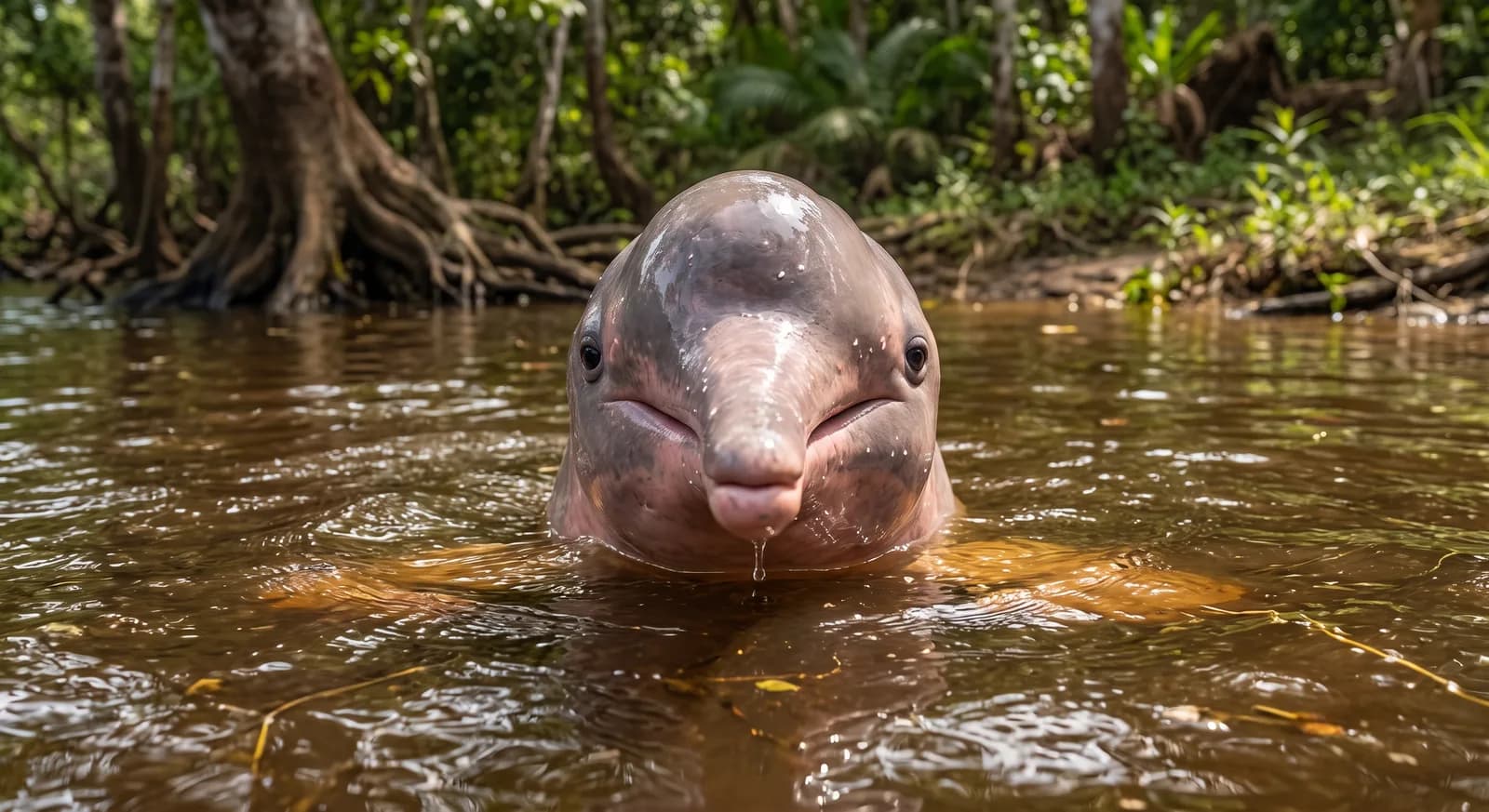
Amazon River DolphinEndangered

Amazon River Dolphin

Inia geoffrensis

Now is a good time: Best time to see Amazon river dolphins (June to November (low-water season))

Similar countries

Where else might I want to travel?

Guyana

Same region: South America

Colombia

Same region: South America

Bolivia

Same region: South America

Venezuela

Same region: South America

Species documented in Brazil

Filter
Class
Family
Habitat
Diet
Conservation

450 species found

Related guides

  • Fish in Brazil9 species
  • Threatened birds of Brazil8 species
  • Primates in Brazil5 species

Keep exploring

Based on what we already know about Brazil.

ParkPantanal MatogrossenseDivingFernando de Noronha

Explore on the map

Interactive map

This page in other languages: Español · Deutsch · Français · Português · Italiano
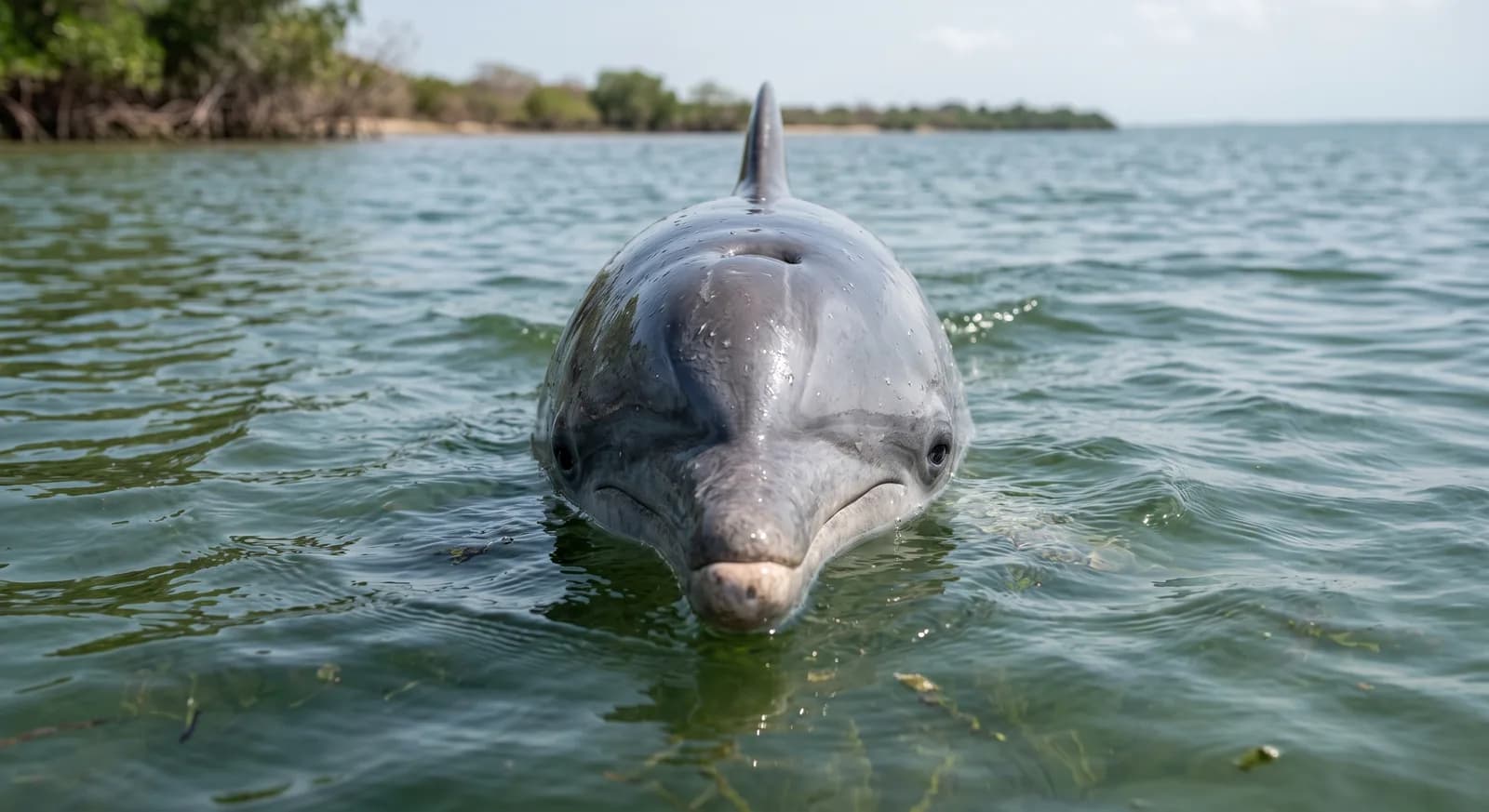
Atlantic Humpback DolphinCritically Endangered

Atlantic Humpback Dolphin

Sousa teuszii

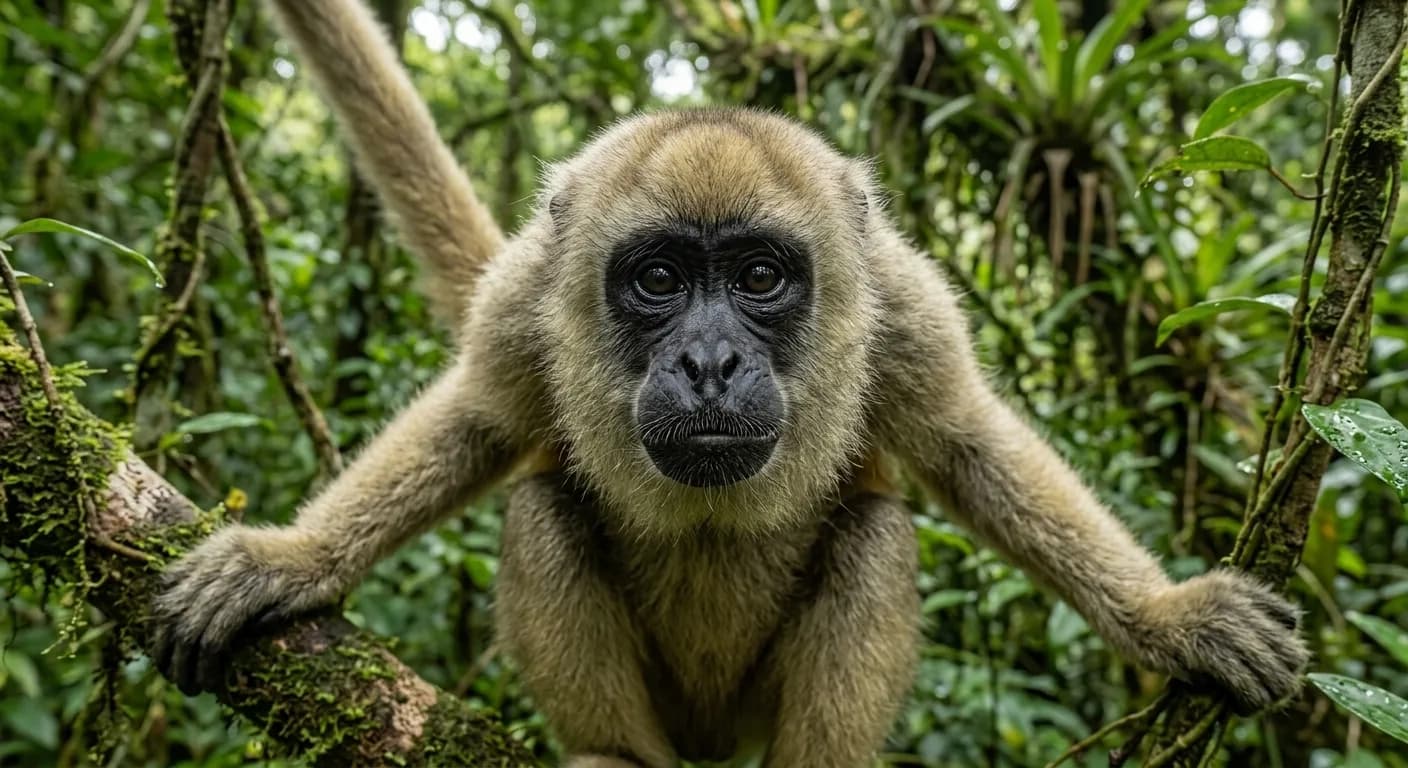
Southern MuriquiCritically Endangered

Southern Muriqui

Brachyteles arachnoides

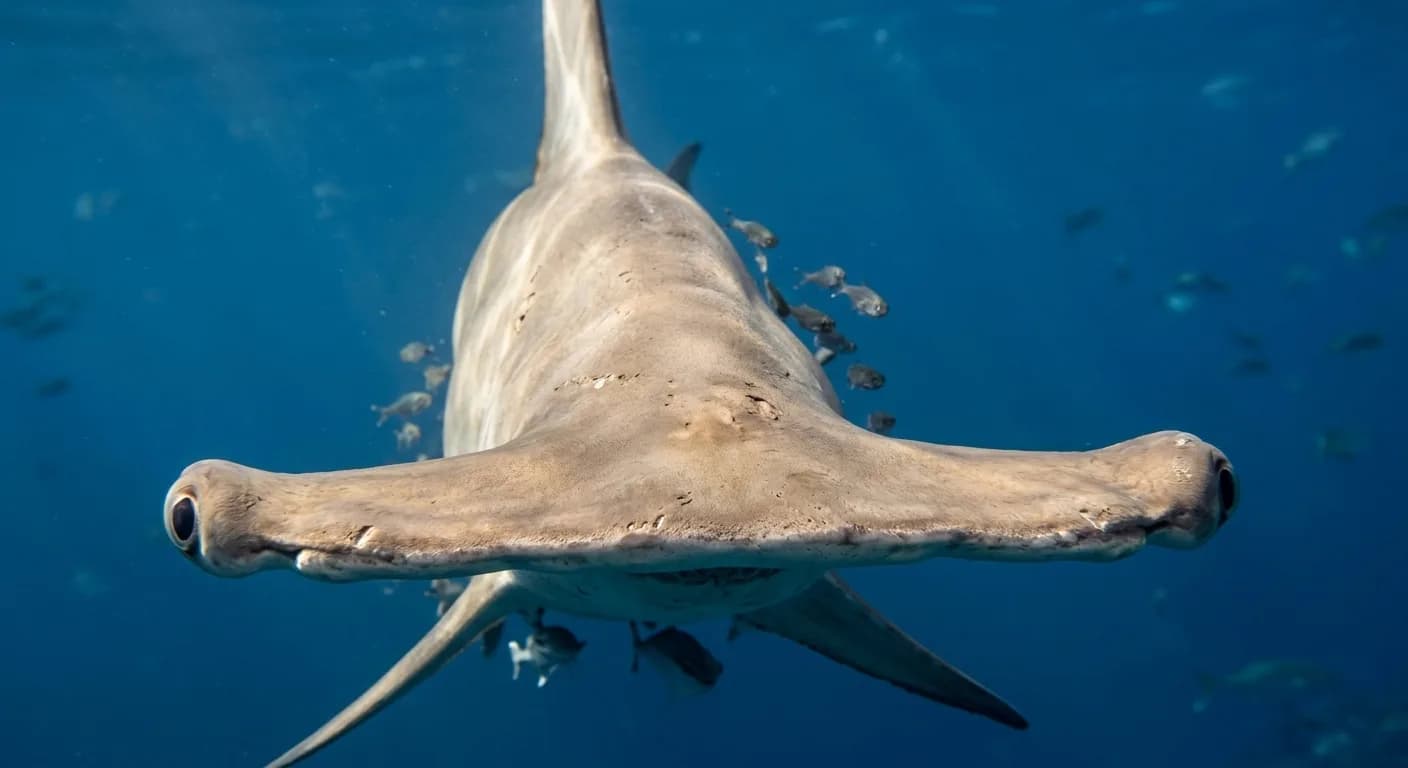
Scalloped HammerheadCritically Endangered

Scalloped Hammerhead

Sphyrna lewini

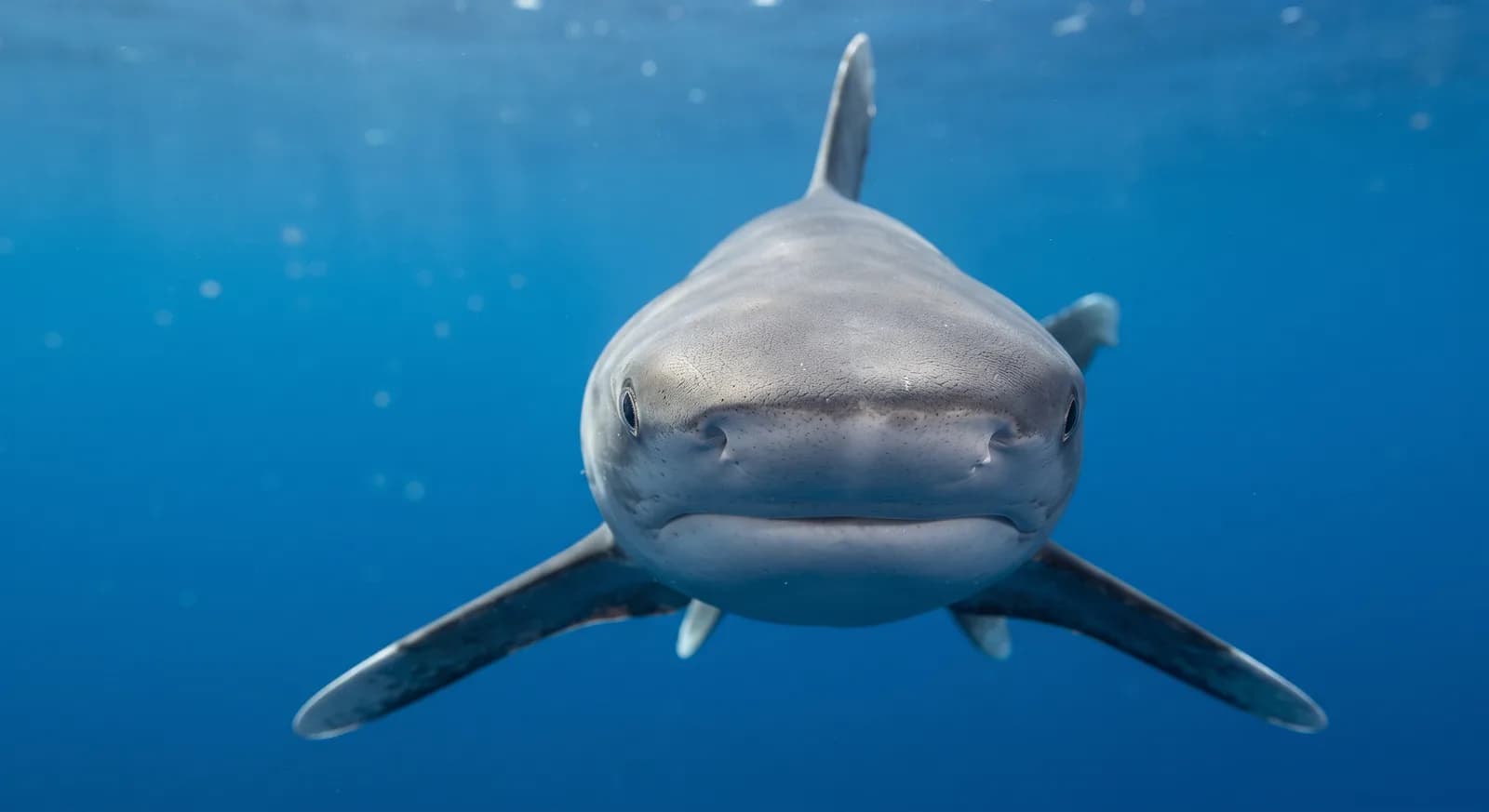
Oceanic Whitetip SharkCritically Endangered

Oceanic Whitetip Shark

Carcharhinus longimanus

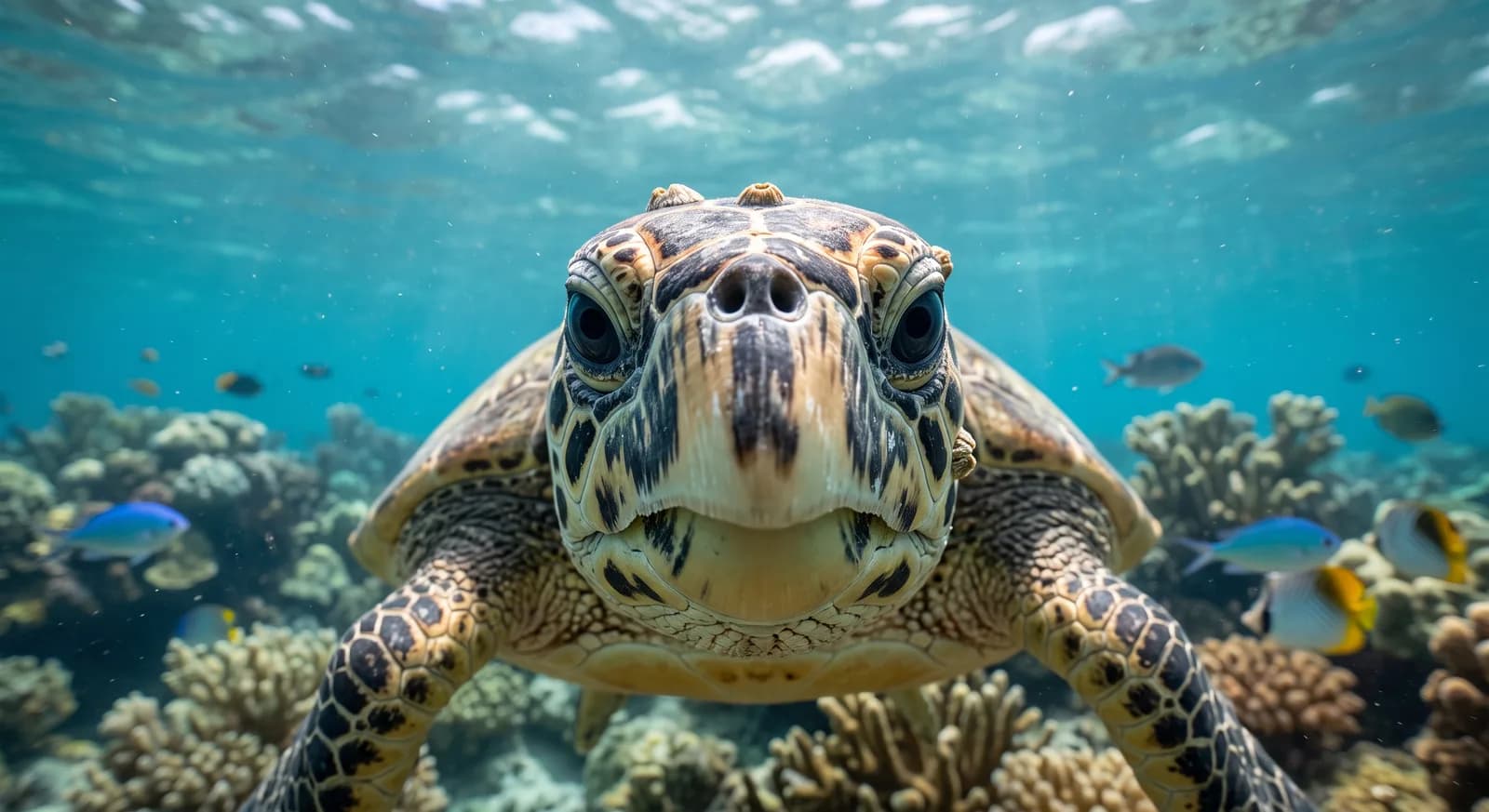
Hawksbill TurtleCritically Endangered

Hawksbill Turtle

Eretmochelys imbricata

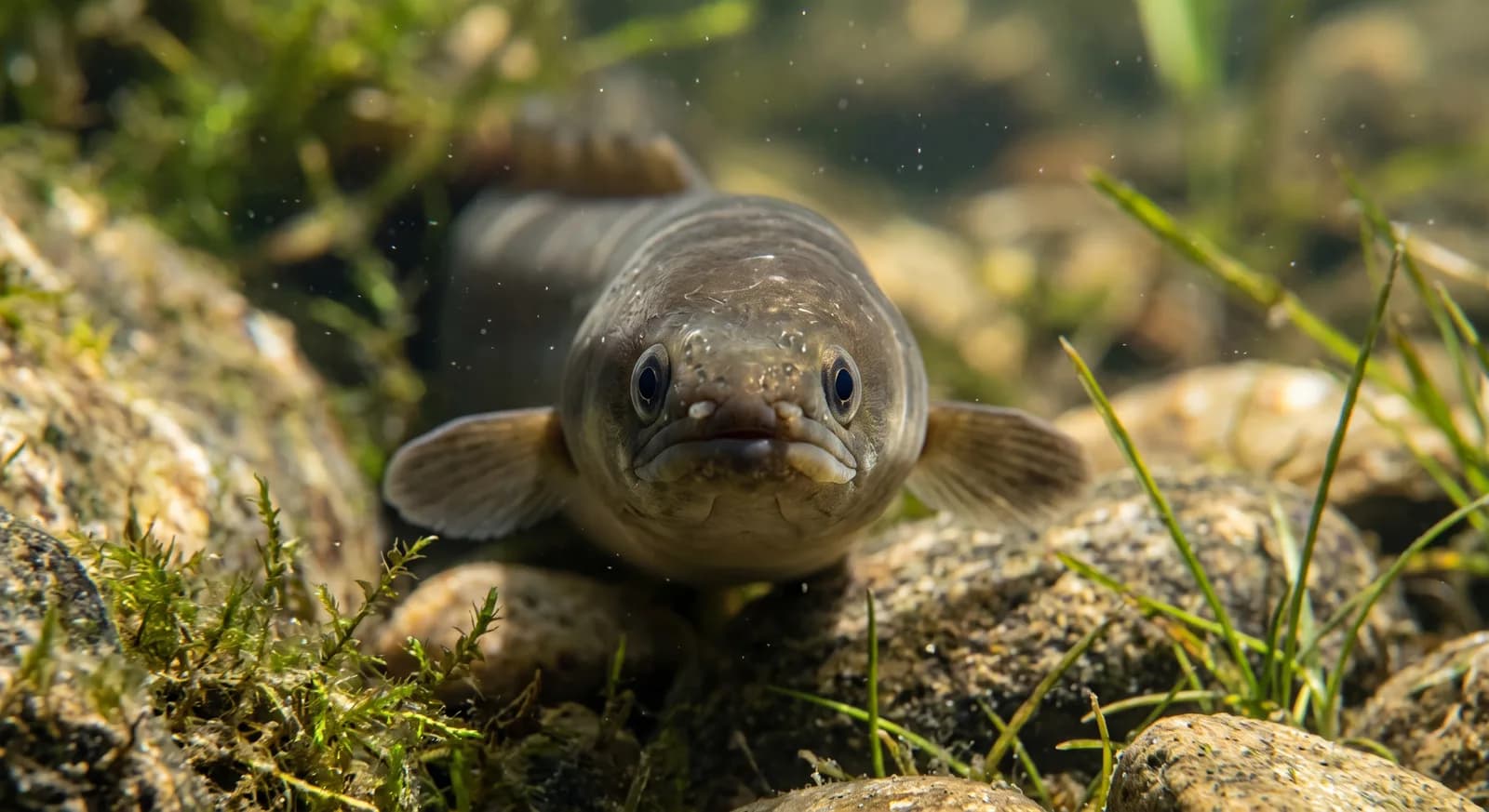
American EelEndangered

American Eel

Anguilla rostrata

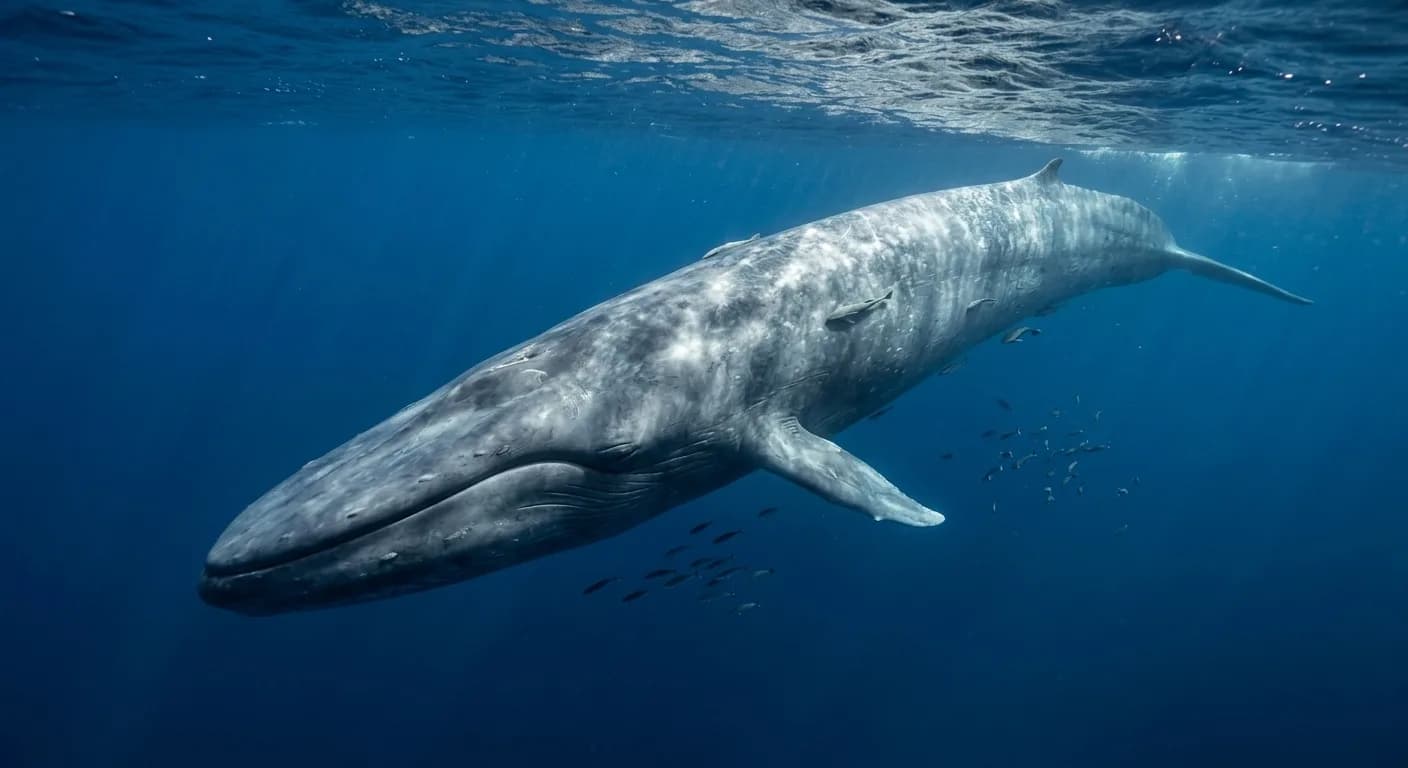
Blue WhaleEndangered

Blue Whale

Balaenoptera musculus

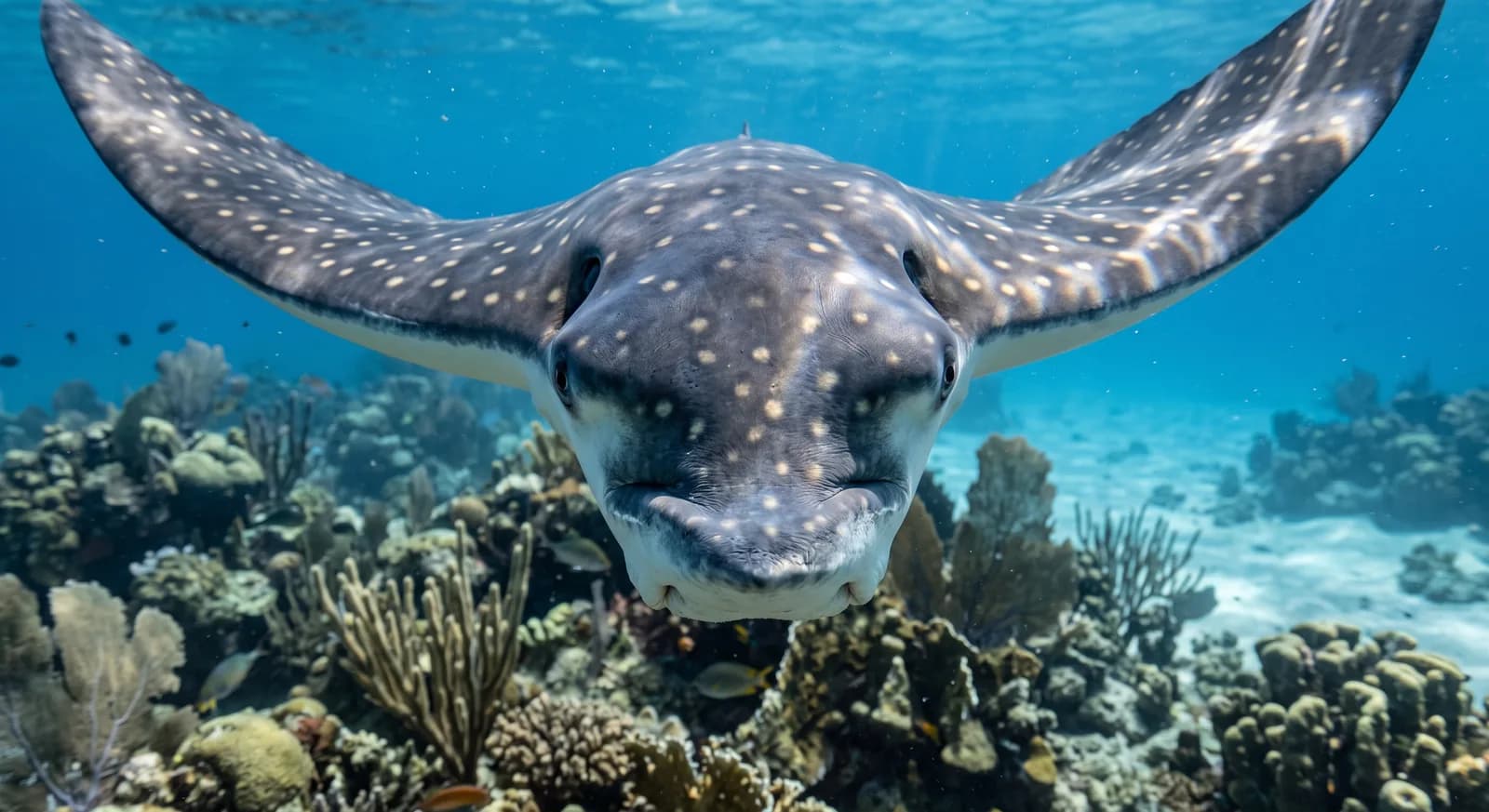
Spotted Eagle RayEndangered

Spotted Eagle Ray

Aetobatus narinari

Amazon River DolphinEndangered

Amazon River Dolphin

Inia geoffrensis

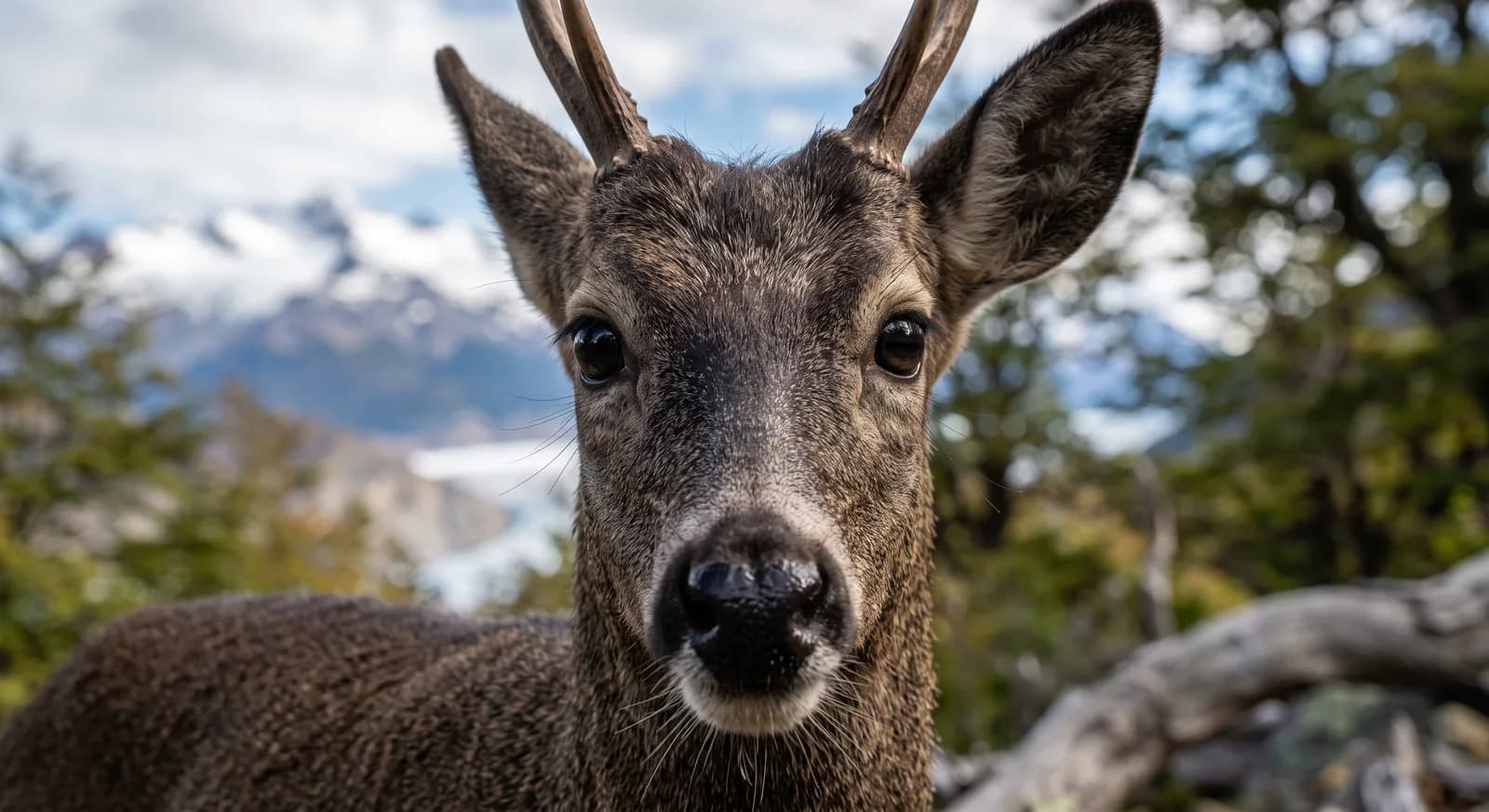
Patagonian HuemulEndangered

Patagonian Huemul

Hippocamelus bisulcus

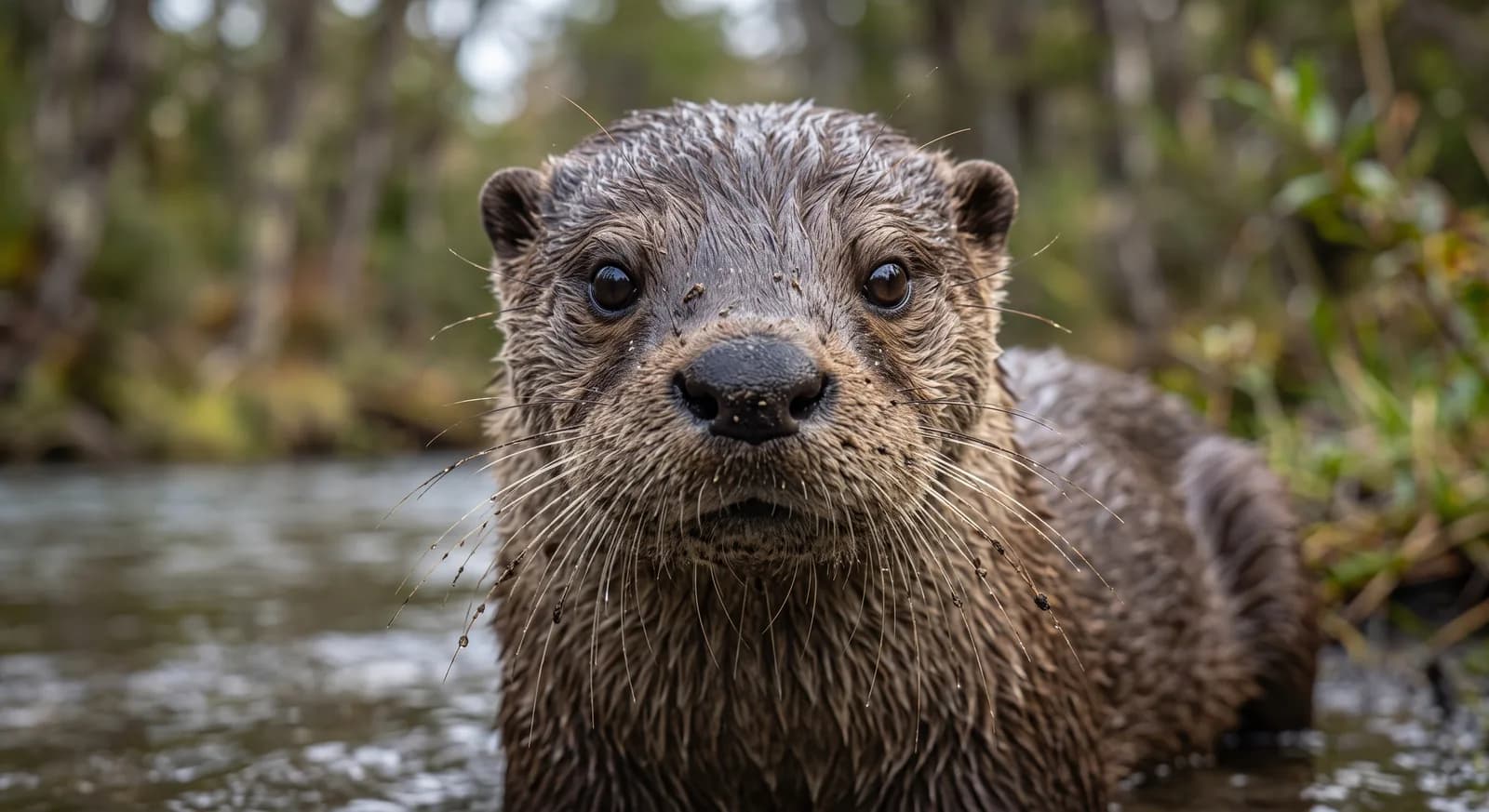
Southern River OtterEndangered

Southern River Otter

Lontra provocax

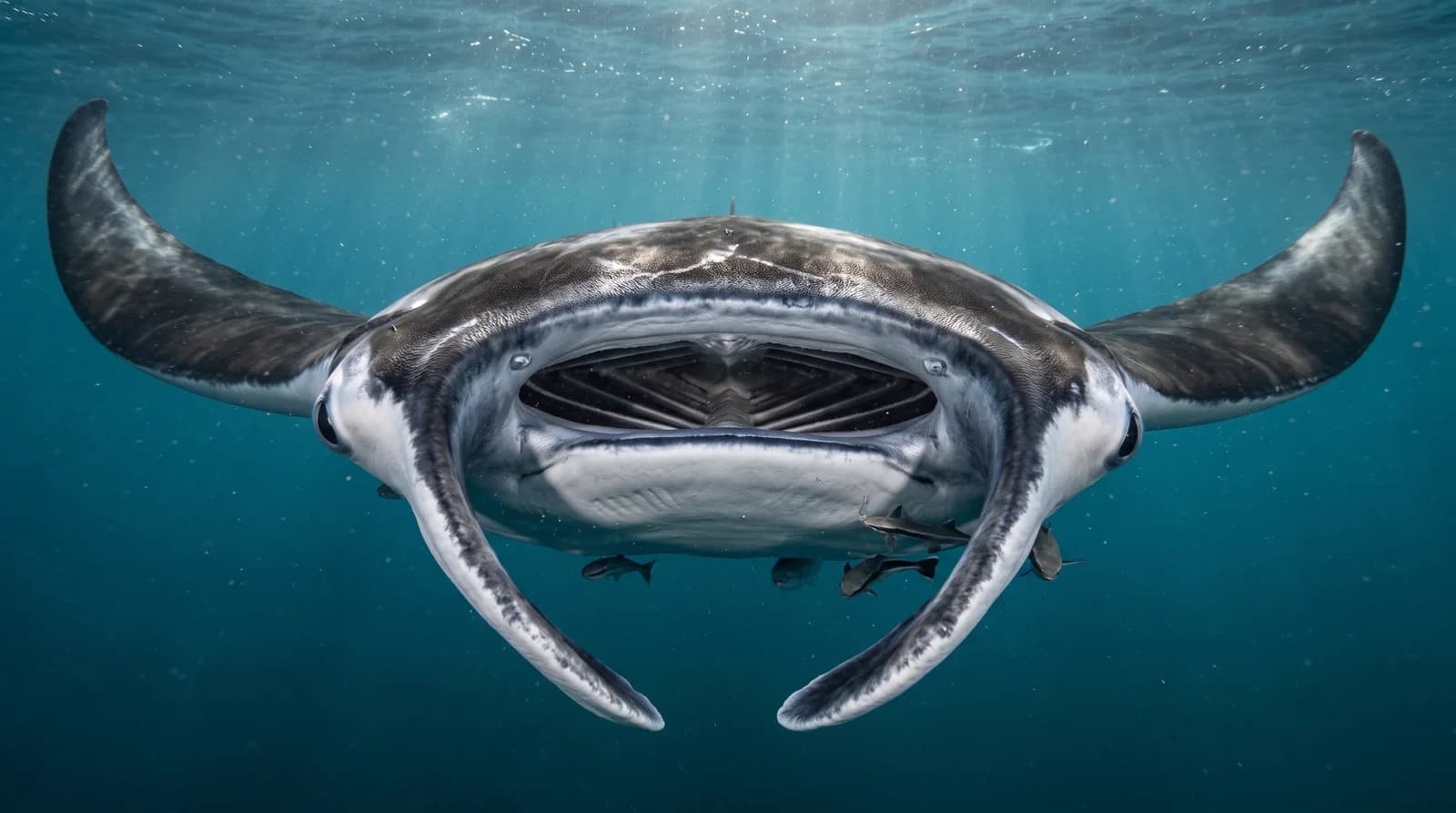
Giant MantaEndangered

Giant Manta

Mobula birostris

Page 1 of 38
Savanna
Rainforest
Grassland
Freshwater
Ocean