Mammals · Artiodactyla · Cervidae
Hippocamelus bisulcus
At very high risk of extinction in the wild in the near future.
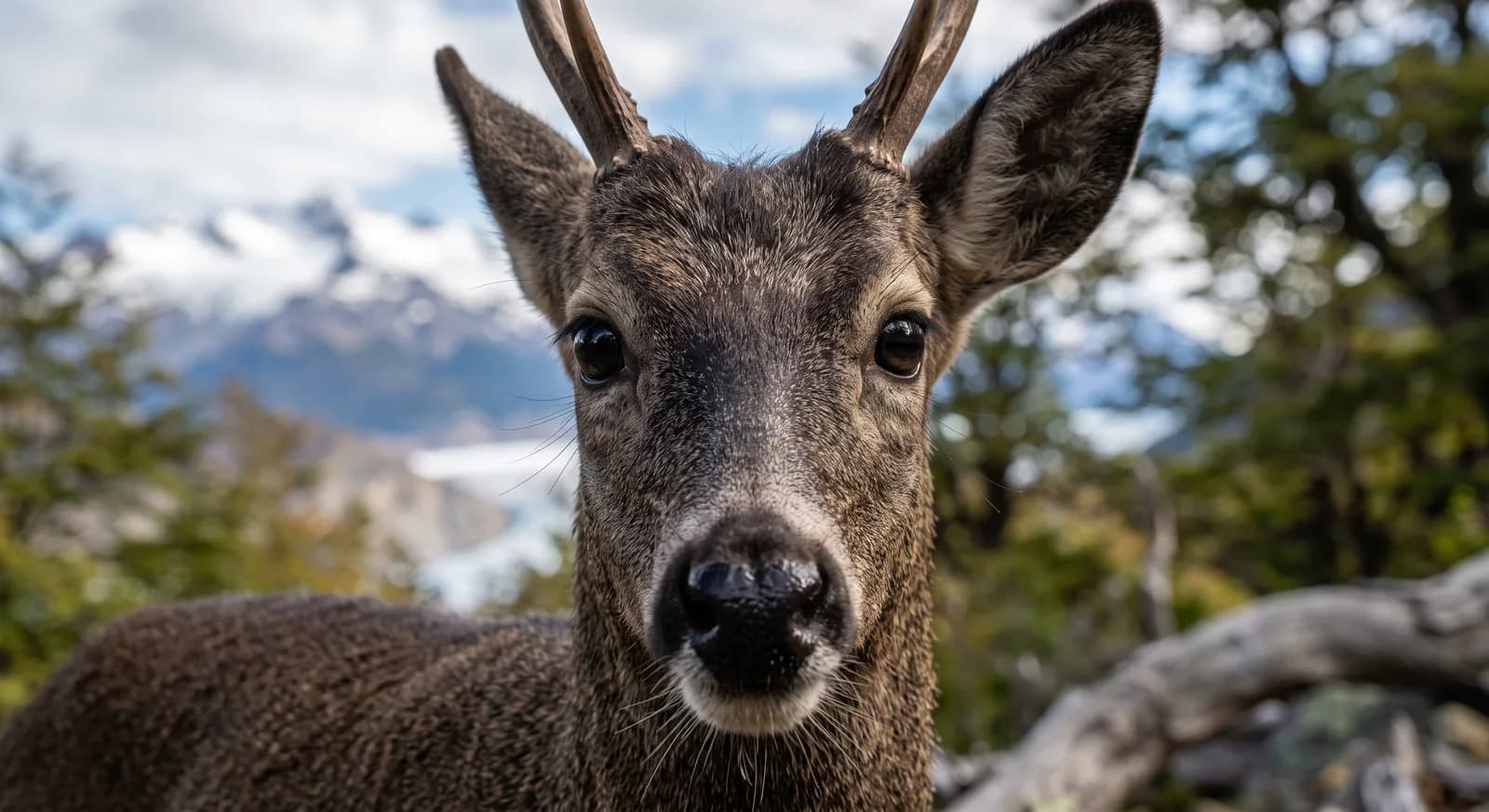
The huemul is a stocky, short-legged deer of the Patagonian Andes, adapted to steep and snowy terrain. The males have short, forked antlers. It once occupied the whole cordillera from central Chile to Tierra del Fuego, and today survives in less than half that area, in highly fragmented populations. Livestock, feral dogs, diseases carried by cattle and the loss of native forest have pushed it back. It appears on the national coat of arms of Chile alongside the condor.
Weight
40 kg – 100 kg
Size
1.4 m – 1.8 m
Life expectancy
14 years
Diet
Herbivore
Feeds mainly on plants.
Activity
Diurnal
Active mainly during the day.
Sighting difficulty
Hard
Estimated population
Between 1,000 and 1,500 individuals
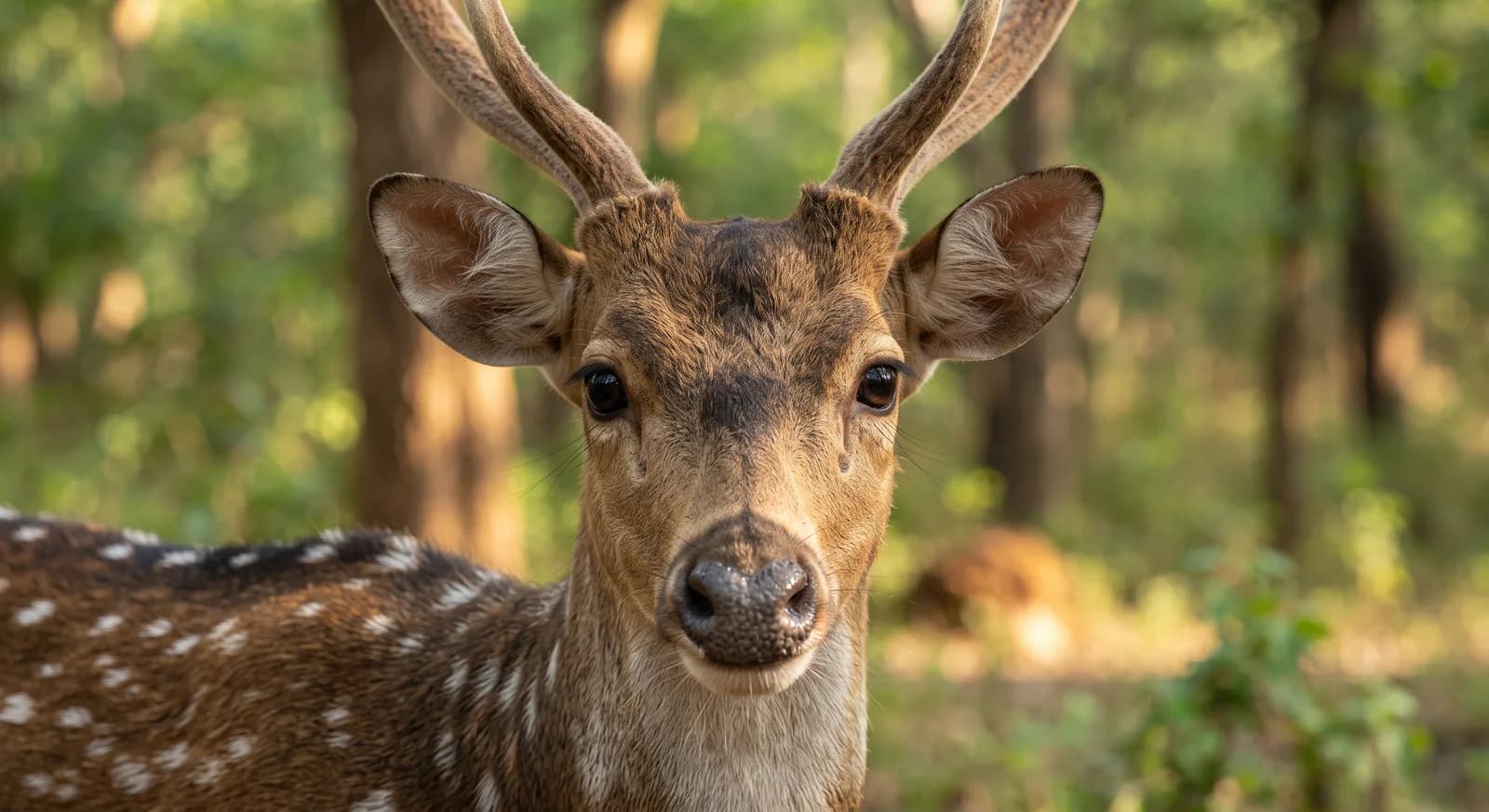
AI-generated images: illustrations, not photographs.
Sources consulted: https://es.wikipedia.org/wiki/Hippocamelus_bisulcus
The pins mark the parks where its presence is documented.
Parks and dive sites where this species has been documented.
Other species in the catalogue with the most in common with Patagonian Huemul — same habitat, park, country, tags or family.
The patagonian huemul is classified as endangered. Organisations such as the IUCN, WWF and the Wildlife Conservation Society work specifically on its conservation and that of its habitat; looking into their programmes is a good starting point if you want to get involved.
It's documented in 10 protected areas — one reason why protecting these places matters for its conservation.
Based on what we already know about patagonian huemul.
Share an experience, a fun fact or a tip for seeing the patagonian huemul.
Be the first to comment.