Skip to content
WAnimals
  • Map
  • Species
  • Parks
  • Diving
Log inCreate account
WAnimals

The guide for travellers and animal lovers: discover, plan and share your wild adventures around the world.

Discover wildlife

  • Species
  • Ecosystems
  • Glossary
  • Tags

Explore places

  • Map
  • Countries
  • Parks
  • Diving

Plan experiences

  • Guides

Learn

  • Blog

Resources

  • Help centre
  • Contact
  • Install the app

Follow us

Account

  • Log in
  • Create account

© 2026 WAnimals. All rights reserved.

About usHow we build our profilesTerms of servicePrivacyLegal notice
MapSpeciesParksDiving
  1. Home
  2. Species
  3. Roosevelt Elk

Mammals · Artiodactyla · Cervidae

Roosevelt Elk

Cervus canadensis

Least Concern

The species is abundant and widely distributed; it faces no significant short-term risk.

Spotted something wrong?

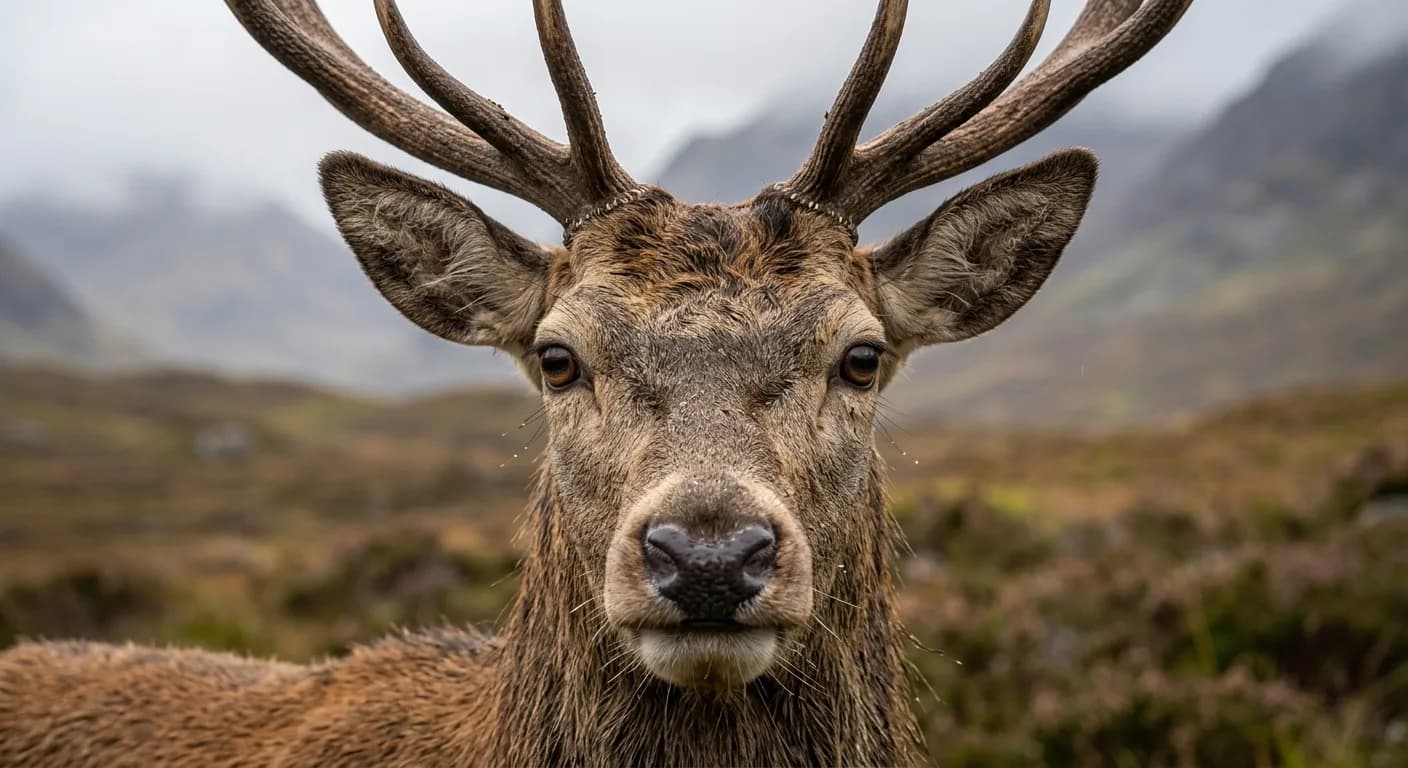
The wapiti is one of the largest deer in the world, surpassed only by the moose. For a long time it was regarded as a form of the European red deer, but genetic studies now recognise it as a species in its own right. It lives in herds segregated by sex for most of the year, which come together in autumn for the rut. It is one of the great recovery stories of North American wildlife: it almost disappeared in the nineteenth century and today numbers more than a million animals thanks to game management and reintroductions.

Weight

170 kg – 500 kg

Size

2 m – 2.8 m

Life expectancy

15 years

Diet

Herbivore

Feeds mainly on plants.

Activity

Crepuscular

Active mainly at dawn and dusk.

Social structure

Herd

Lives in large groups as a strategy against predators.

Sighting difficulty

Easy

Temperate forestMountainGrassland
12countries24parks23same family

Fun facts

  • GeneralThe high bugling of the males in the rut carries for several kilometres.
  • The male's call, known as a bugle, is surprisingly high-pitched for an animal of half a tonne and can be heard for several kilometres along mountain valleys.
  • Its antlers can weigh 18 kilos and grow up to two and a half centimetres a day, one of the fastest-growing tissues known in any mammal.

Life cycle and biology

Skeleton type
Vertebrate - internal bony skeleton (mammal)
Habitat and environment
Open woodland, mountain meadows and steppe of North America and eastern Asia
Size at birth
Precocial: on its feet within half an hour, although it stays hidden for the first few weeks
Sexual maturity
16 months
Gestation / incubation
8.5 months
Litter / clutch size
1

Sources consulted: https://es.wikipedia.org/wiki/Cervus_canadensis

Where to find it

Best time: From September to October in the Rockies and in Yellowstone, during the rut, when the males give their very distinctive high-pitched bugle.

Loading map…

The pins mark the parks where its presence is documented.

Where to see it

Parks and dive sites where this species has been documented — showing 10 of 24.

Related species

Other species in the catalogue with the most in common with Roosevelt Elk — same habitat, park, country, tags or family.

Same taxonomic family

Keep exploring

Based on what we already know about roosevelt elk.

Comments

Share an experience, a fun fact or a tip for seeing the roosevelt elk.

Be the first to comment.
See full glossary
This page in other languages: Español · Deutsch · Français · Português · Italiano
See its range on the interactive map→
Yellowstone National ParkUnited States
GlacierUnited States
Great Smoky MountainsUnited States
RedwoodUnited States
OlympicUnited States
Grand TetonUnited States
BanffCanada
JasperCanada
YohoCanada
Waterton LakesCanada
See all 24 parks
Mule DeerLeast Concern

Mule Deer

Odocoileus hemionus

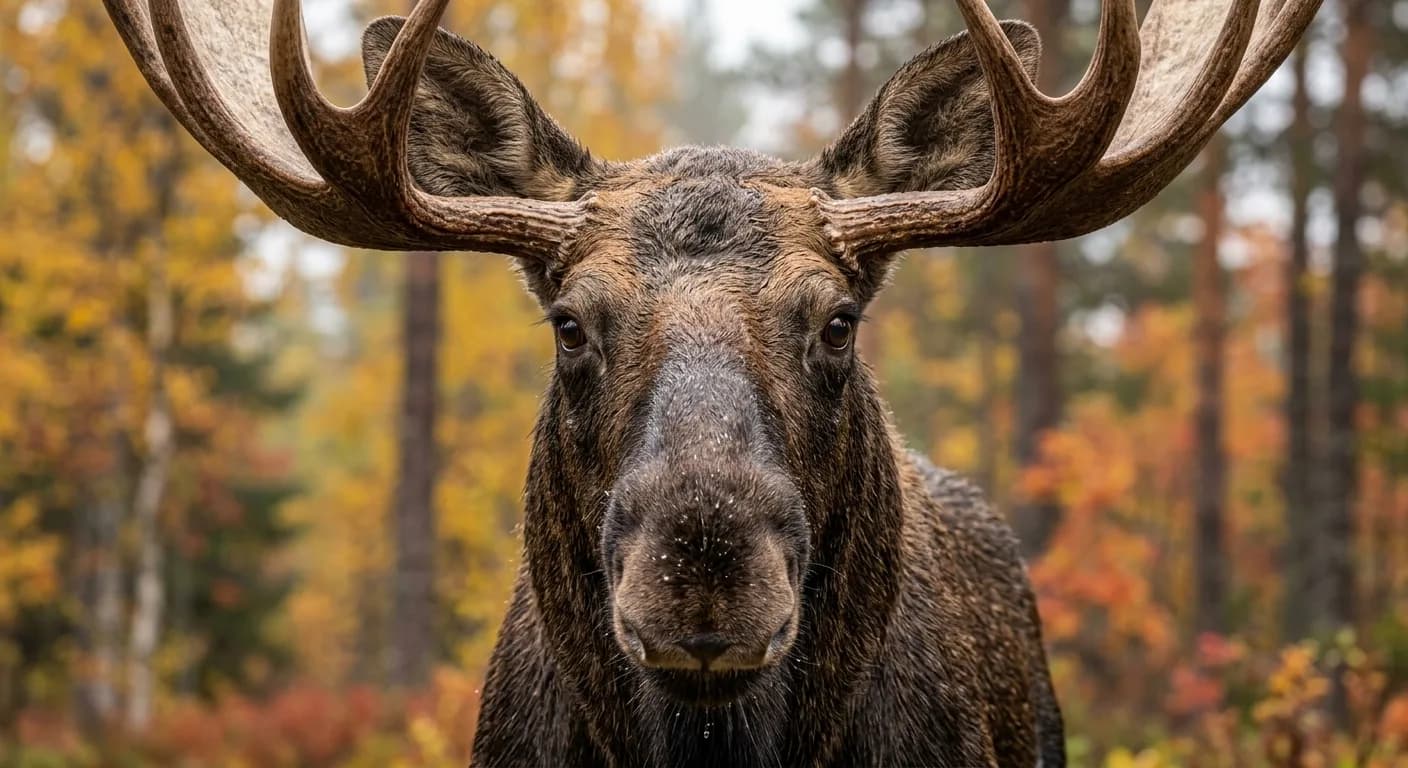
MooseLeast Concern

Moose

Alces alces

Red DeerLeast Concern

Red Deer

Cervus elaphus

Reeves' MuntjacLeast Concern

Reeves' Muntjac

Muntiacus reevesi

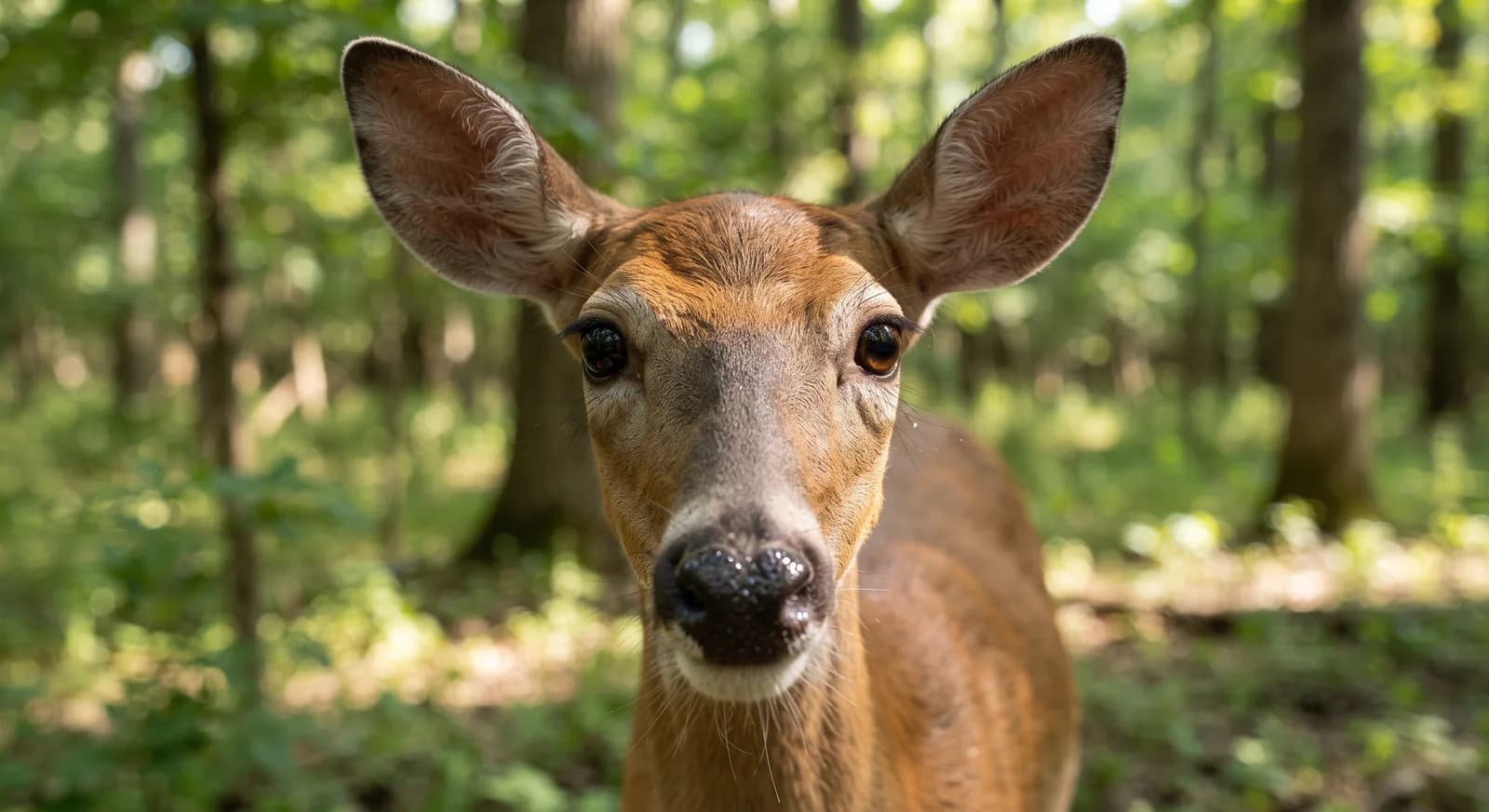
White-Tailed DeerLeast Concern

White-Tailed Deer

Odocoileus virginianus

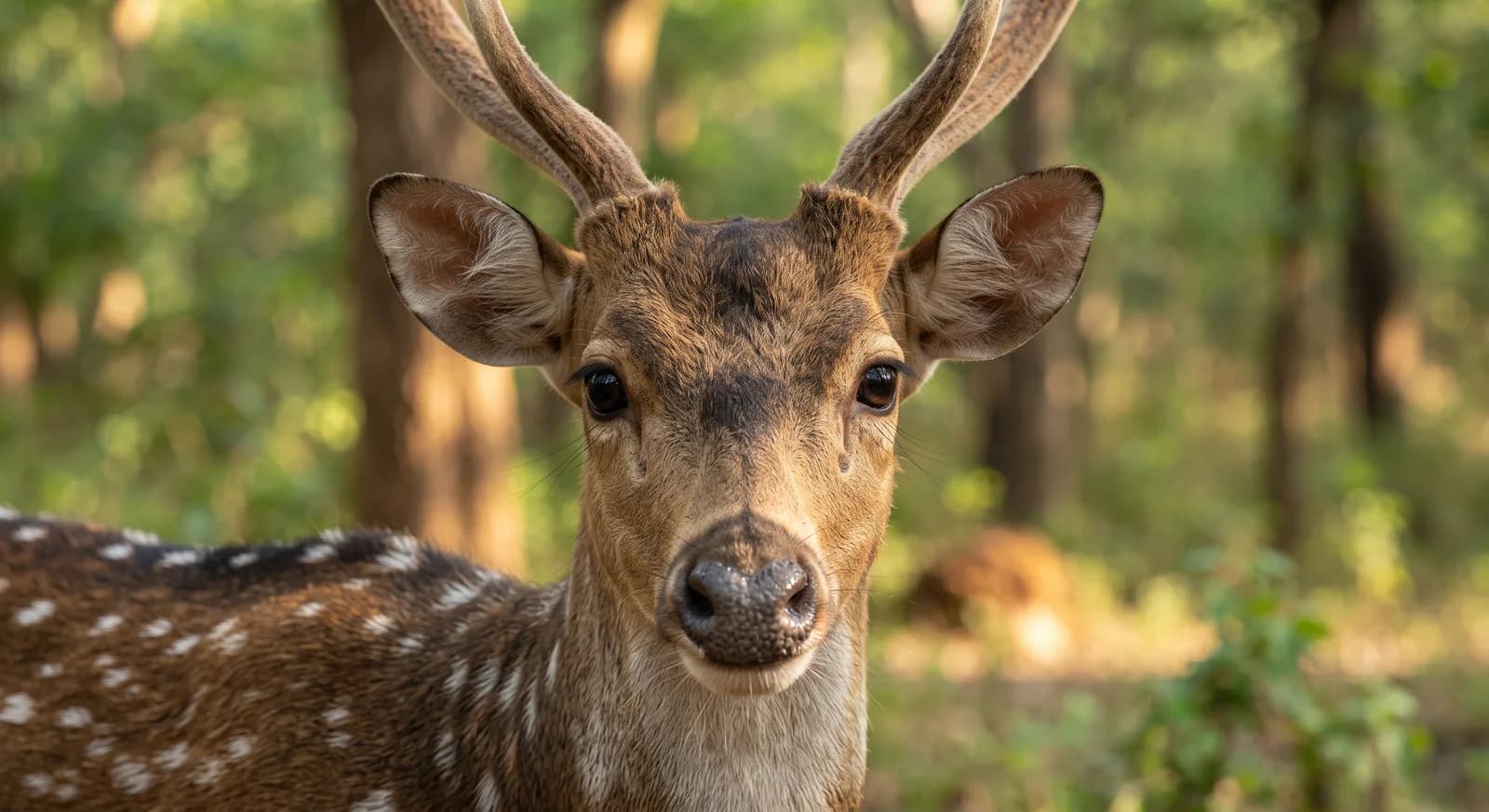
ChitalLeast Concern

Chital

Axis axis

CountriesCanada
ParksYellowstone National ParkUnited States
TagsHerbivore
Herbivore
Crepuscular
In herds
Temperate forest
Mountain
Grassland
Mammal

Asia7

North America2

South America2

Oceania1

Canada
United States
Argentina
Bhutan
Chile
China
Bhutan
China
Kazakhstan
Kyrgyzstan
Mongolia
North Korea
Russia
Canada
United States
Argentina
Chile
New Zealand