 Critically Endangered
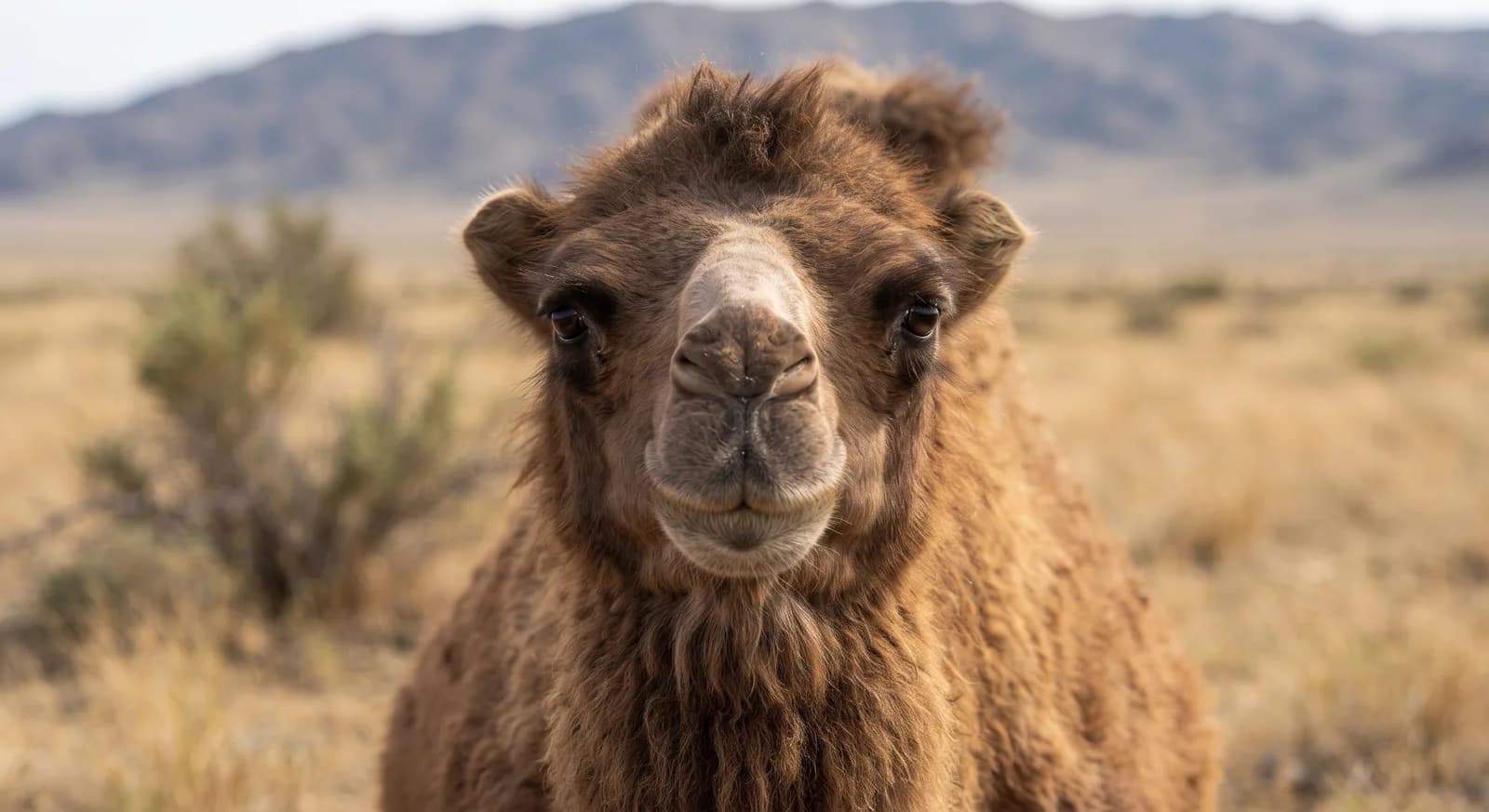
Bactrian Camel
Camelus bactrianus
Asia
Kazakhstan is the largest landlocked country on the planet and holds the greatest continuous expanse of dry steppe left in the world, a sea of grass that runs for thousands of kilometres and that is one of the most threatened and least known ecosystems in Eurasia. To the north appear birch woods and salt lakes such as Tengiz, where the northernmost flamingo colony on the planet breeds. To the south stretch the Kyzylkum and Betpak-Dala deserts, and to the southeast rise the Tian Shan mountains, covered by wild apple forests from which every cultivated apple variety in the world descends. The Aral Sea, dried out by the diversion of its rivers for cotton, is the symbol of the greatest human-caused environmental disaster on the continent.
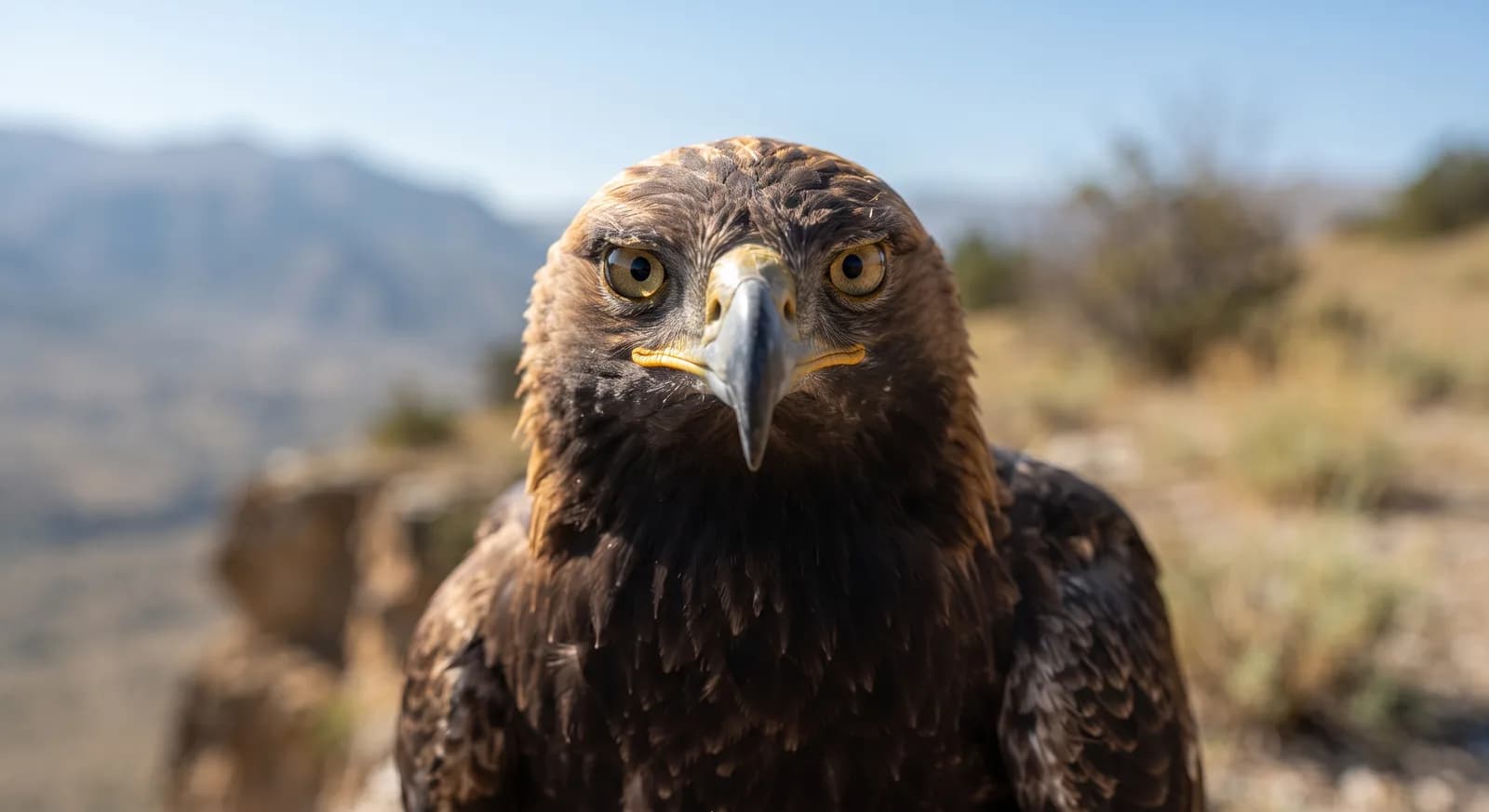
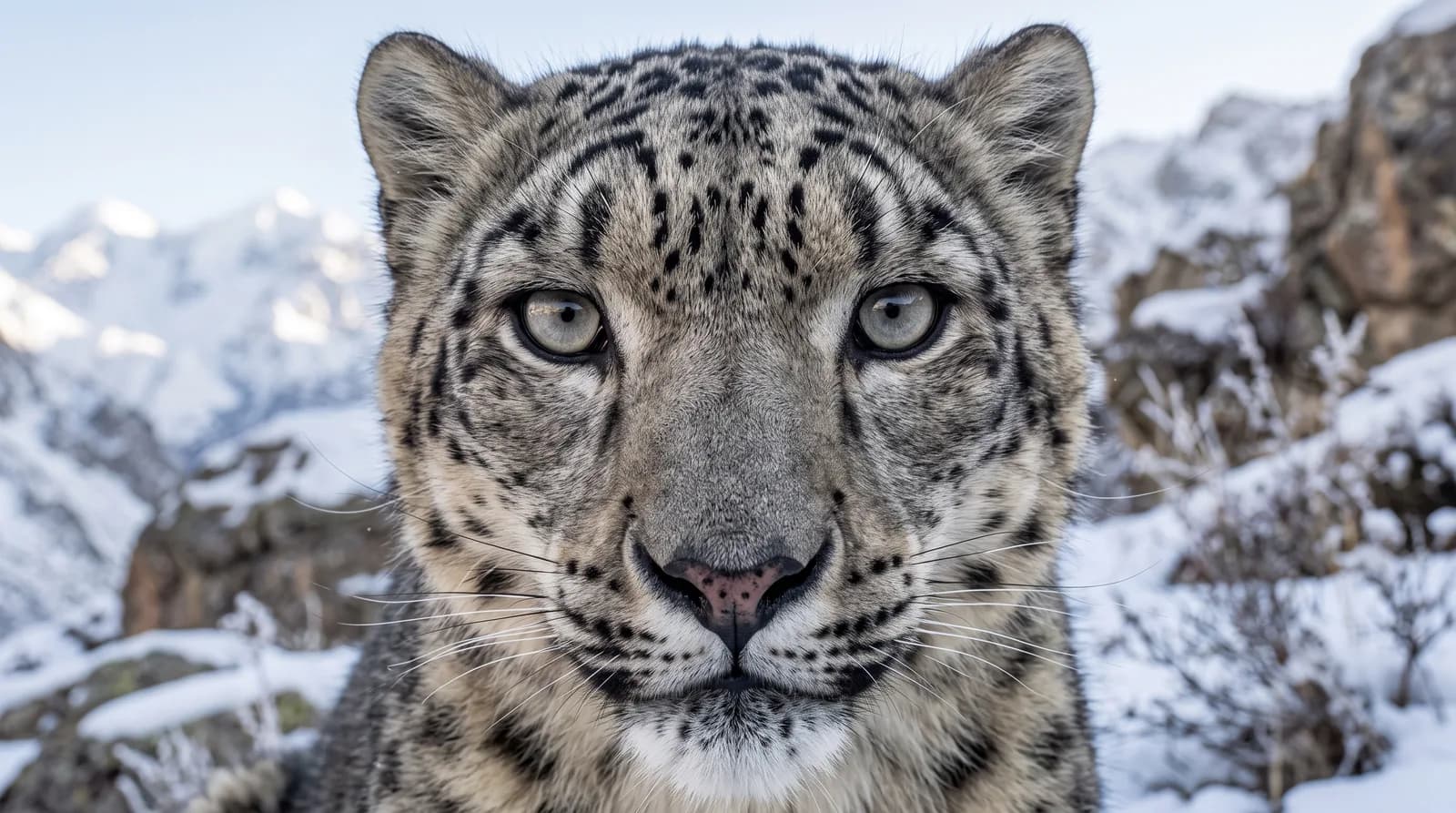
National animal: The golden eagle, represented on the national flag; the snow leopard is the country's faunal emblem
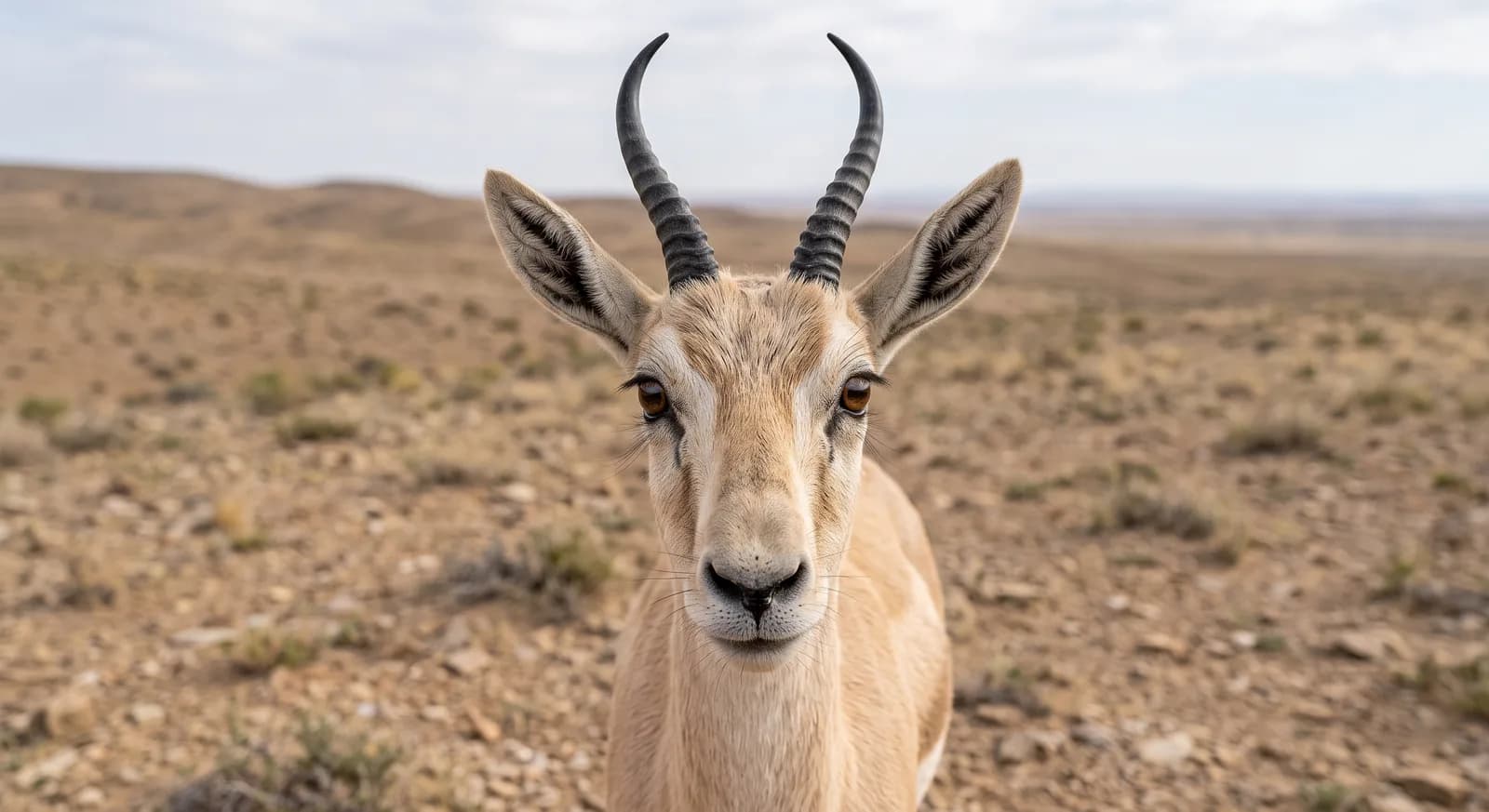
In May 2015 the saiga antelope, with its bulbous trunk-like muzzle that filters dust and warms the freezing winter air, suffered one of the fastest mass die-offs ever documented: more than two hundred thousand animals died within a few weeks from a bacterium triggered by a wave of humid heat. Ten years later, and after strict protection, the species has not only recovered but has passed two million animals and has been taken off the critically endangered list.
The recovery of the saiga is one of the greatest recent conservation successes in the world, although its growth has generated conflict with agriculture. The northern part of the Aral Sea has partly recovered thanks to a dyke that holds back the water of the Syr Darya.
The Betpak-Dala steppes in spring for the mass calving of the saiga. Korgalzhyn between May and August for flamingos. Altyn-Emel in spring for kulans and gazelles.
Where else might I want to travel?
Same region: Central Asia
Same region: Central Asia
Same region: Central Asia
Same region: Central Asia
133 species found
Based on what we already know about Kazakhstan.