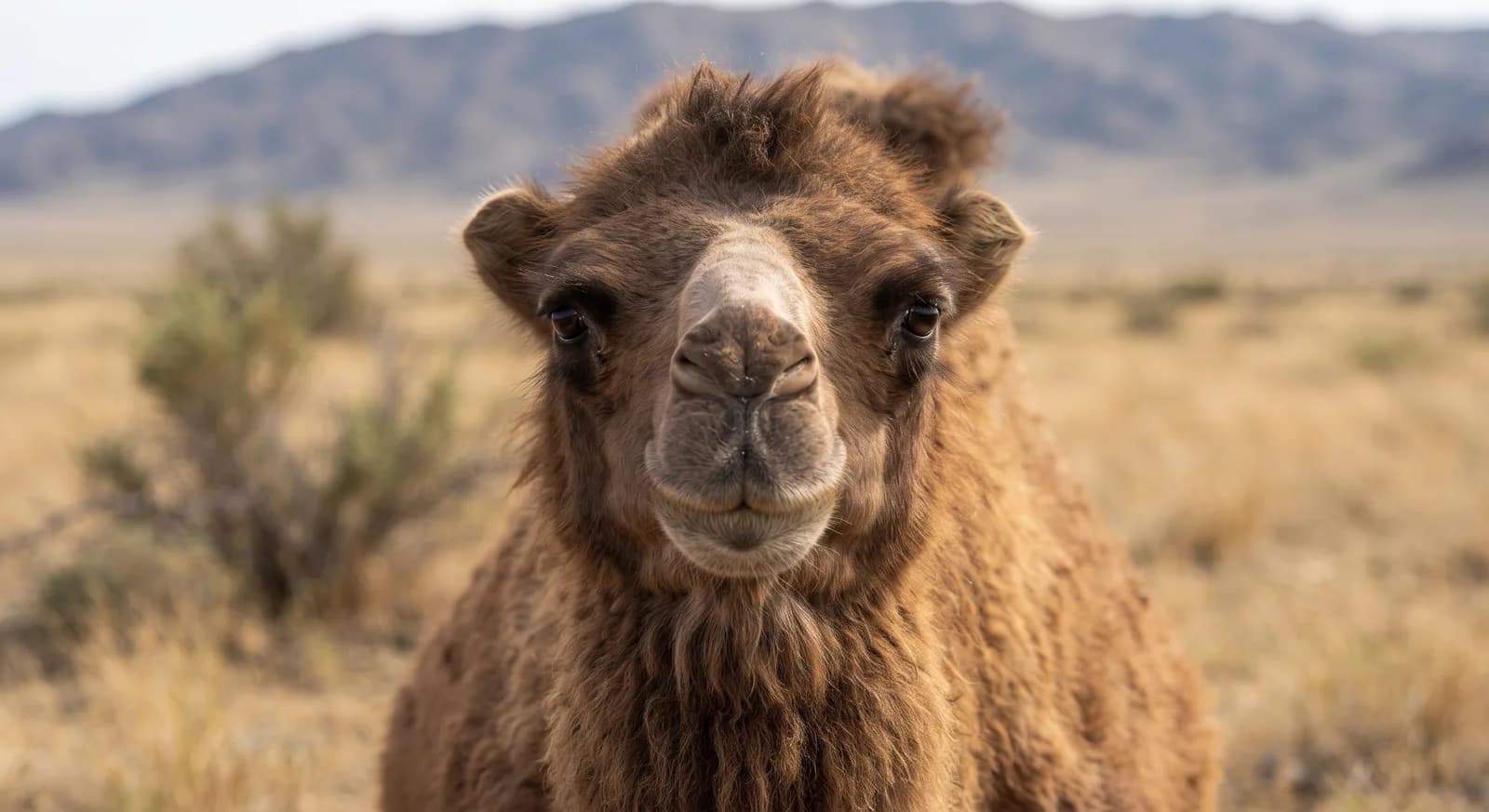
 Critically Endangered
Bactrian Camel
Camelus bactrianus
Asia
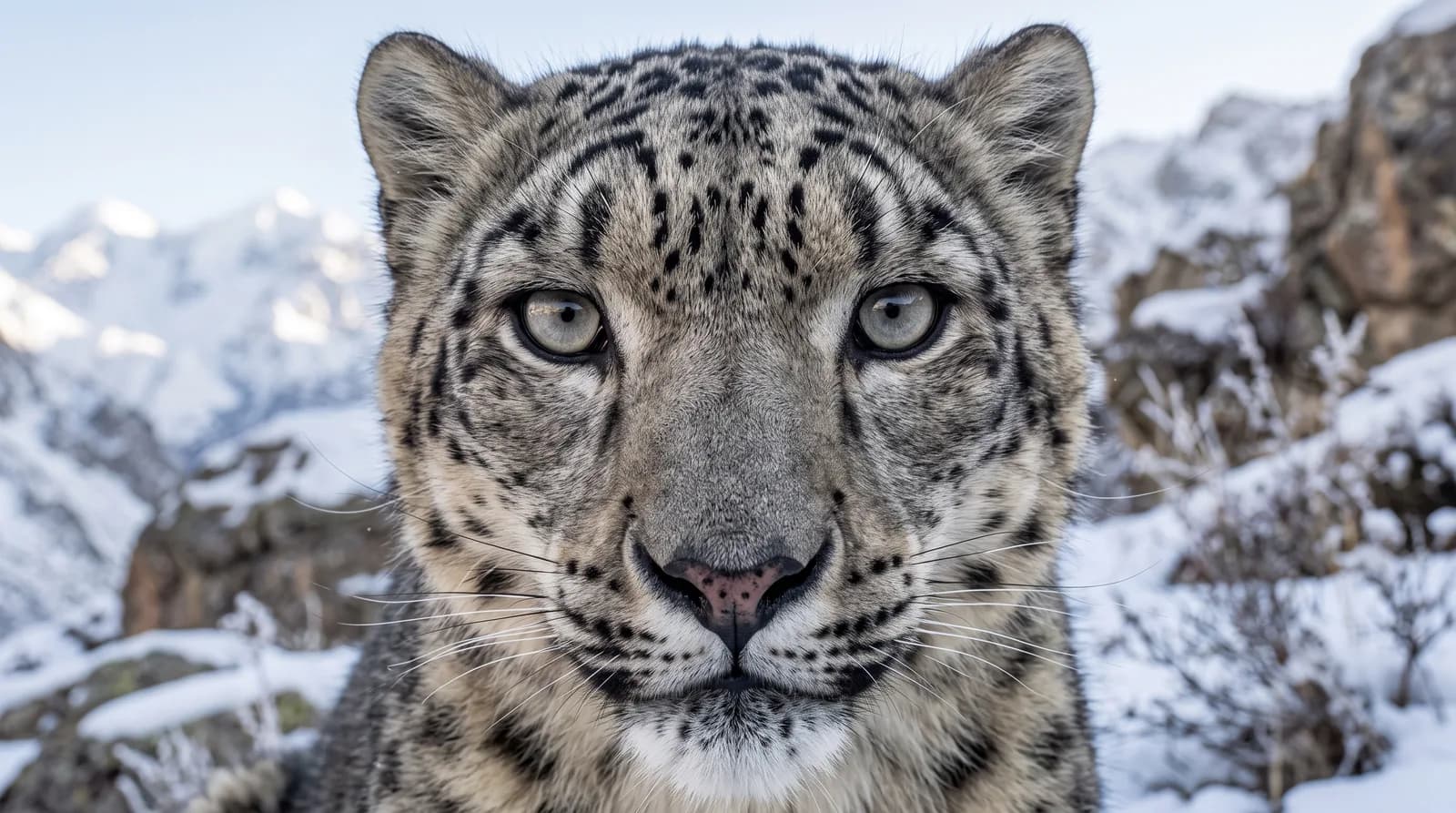
Uzbekistan is one of only two countries in the world surrounded exclusively by landlocked countries, and its natural life is dominated by the Kyzylkum desert and by the two great rivers that cross it, the Amu Darya and the Syr Darya. Along their banks grow the tugai, gallery forests of poplar, tamarisk and reedbeds that once formed continuous corridors and that make up the richest habitat in the country. To the east, the foothills of the Tian Shan and the Pamir-Alay bring altitude, snow and juniper forest, with snow leopards at the higher levels. In the west, the dry bed of the Aral Sea has become a new desert, the Aralkum, strewn with salt and stranded ships, on which saxaul is planted to hold back the dust storms.
National animal: No official national animal; the Bukhara deer and the mythical bird Simurgh are the country's emblems
The Bukhara deer, a pale, slender deer adapted to the riverside forests of the desert, was reduced to a few hundred animals when the tugai were felled and the rivers diverted. The protection of the last gallery forests and breeding in reserves have multiplied its numbers, and today there are once again thousands of animals spread across Uzbekistan, Tajikistan, Turkmenistan and Kazakhstan.
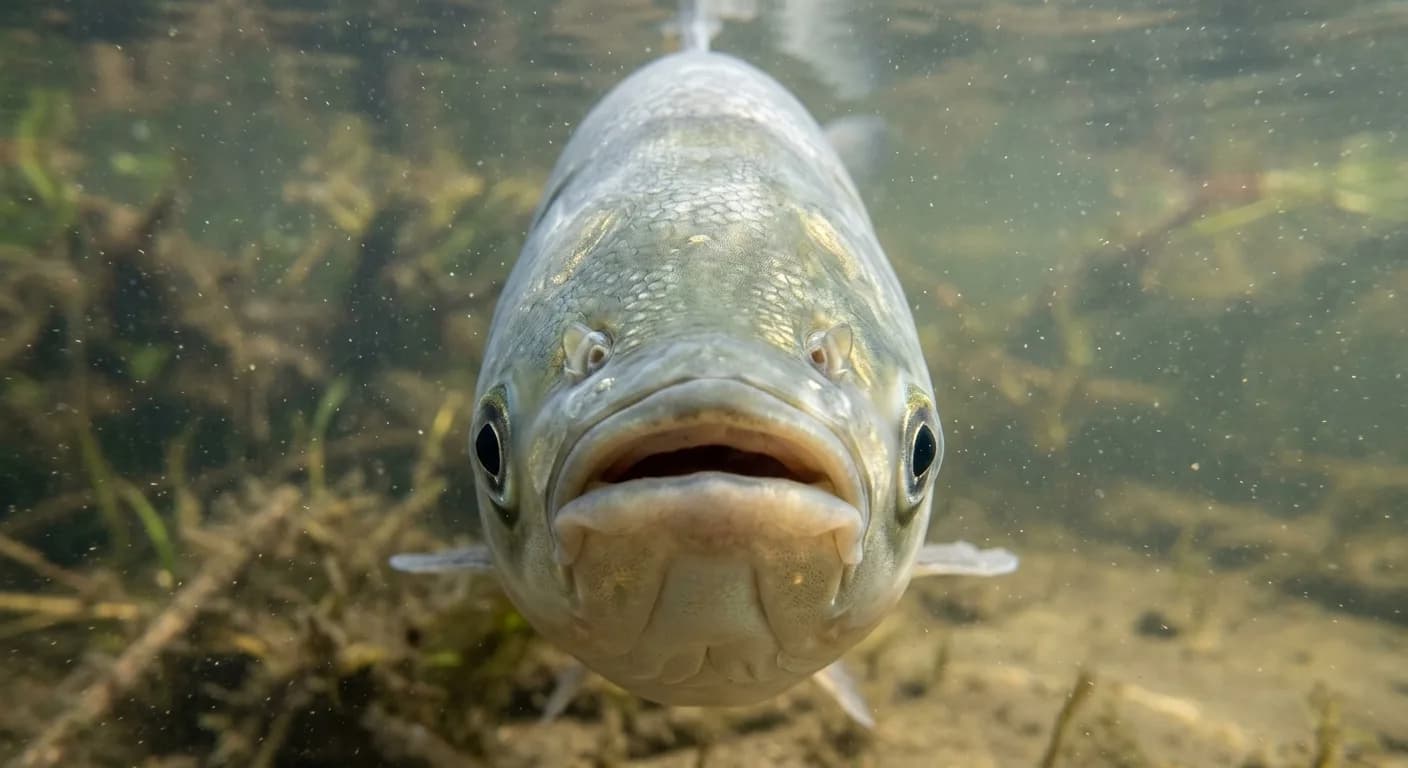
The drying up of the Aral destroyed an entire fishery and brought on salt storms that affect health and agriculture across the whole region. The restoration of the tugai forests is the main strategy for recovering the biodiversity of the rivers.
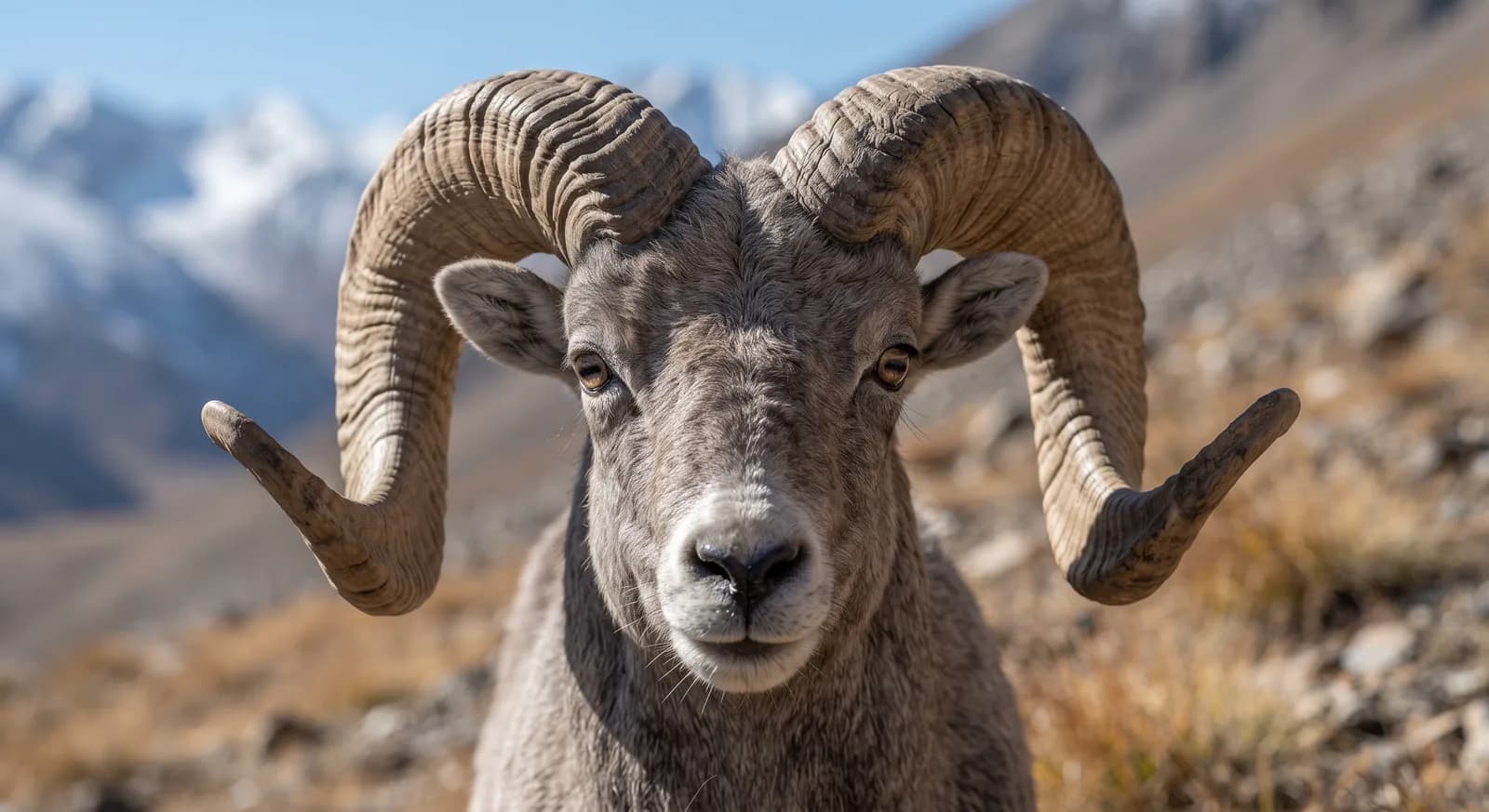
The Baday-Tugay reserve in spring for Bukhara deer. Nuratau between April and June for mouflon and steppe flora. The Chatkal mountains in summer for high-altitude wildlife.
Where else might I want to travel?
Same region: Central Asia
Same region: Central Asia
Same region: Central Asia
Same region: Central Asia
87 species found
Based on what we already know about Uzbekistan.