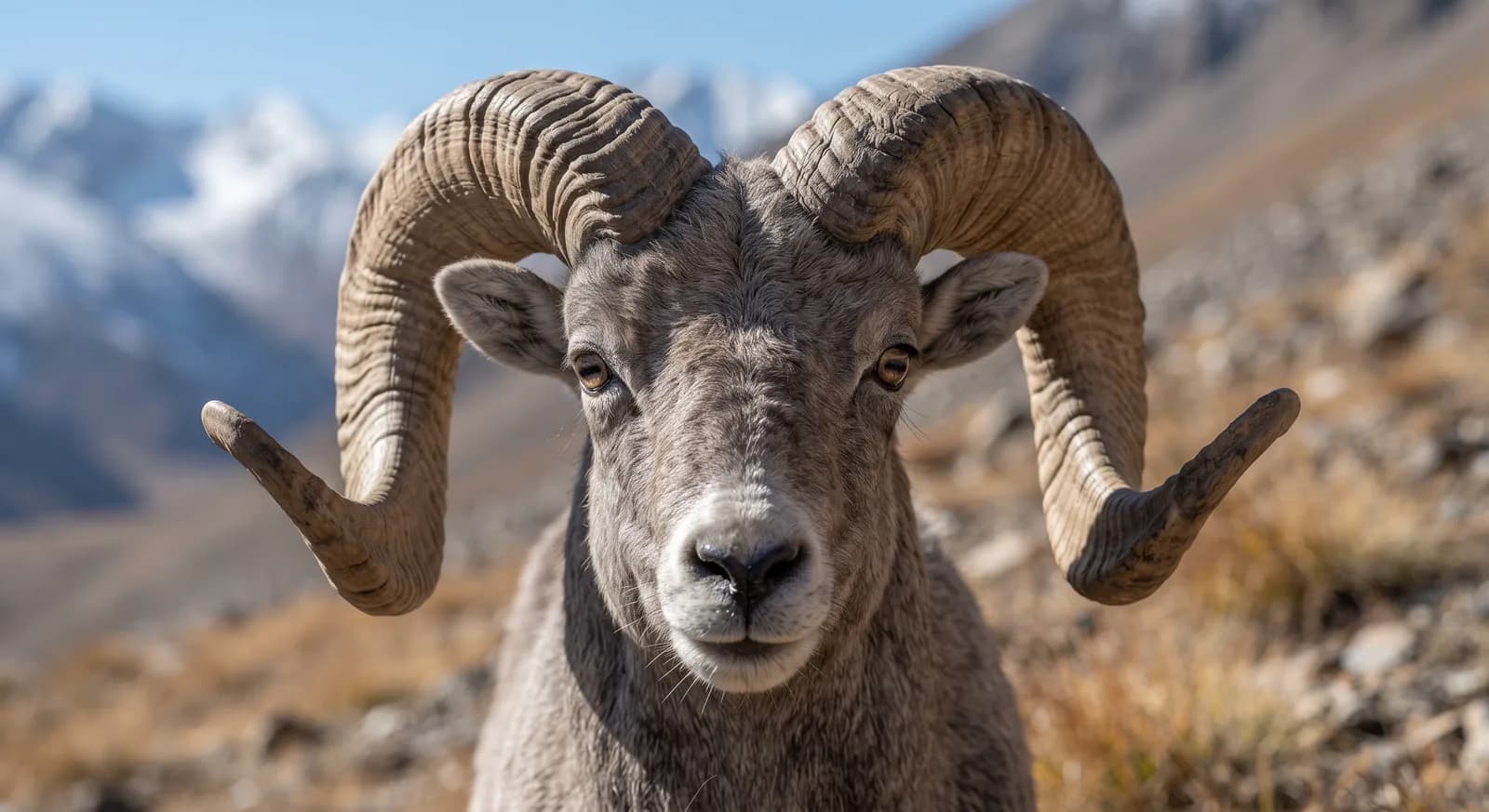
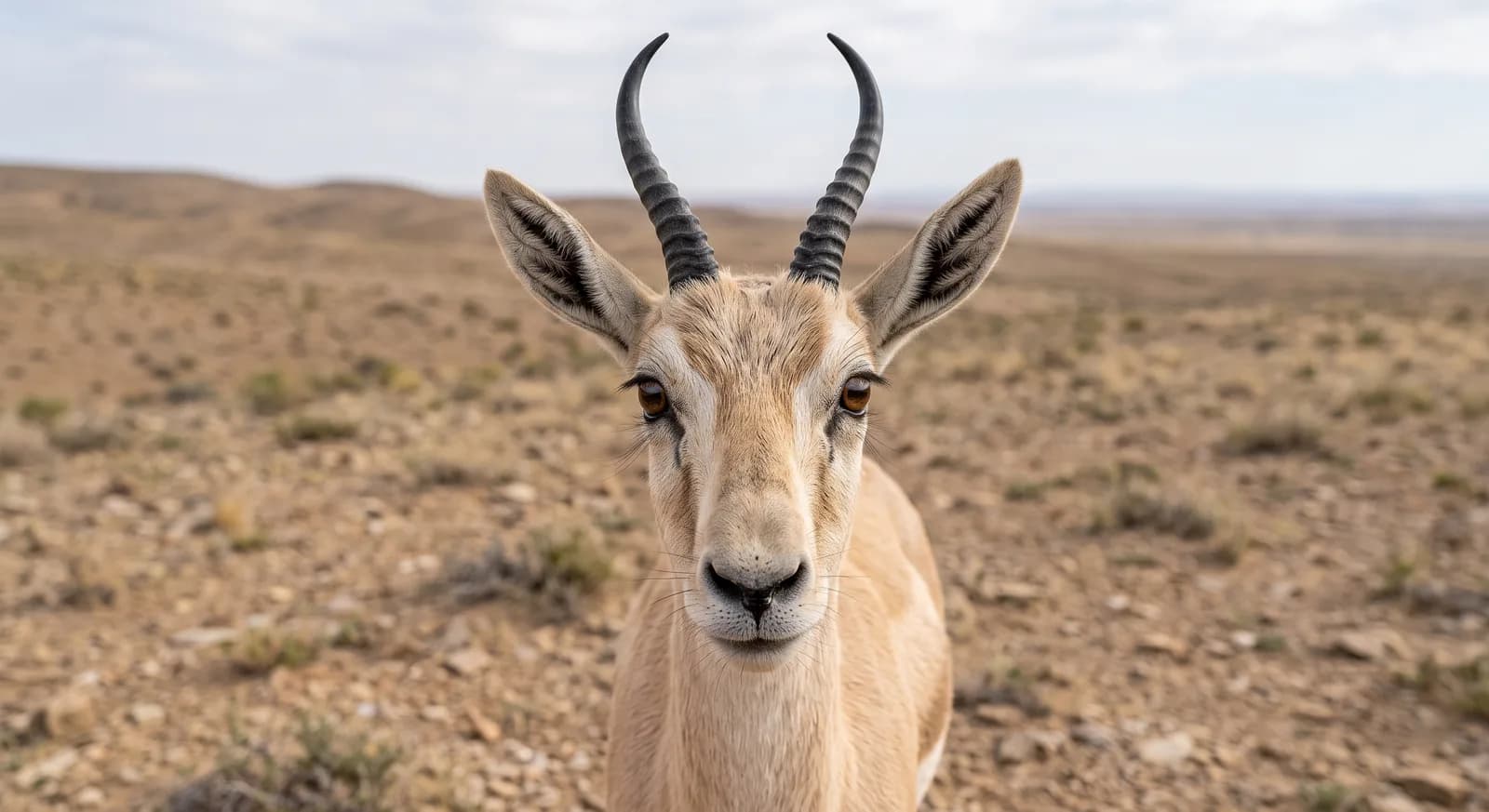
One of the 3 ibexes on WAnimals

Mammals · Artiodactyla · Bovidae
Siberian Ibex
Capra sibirica
Near Threatened
It could become threatened in the near future if current threats go unchecked.
The Asiatic ibex, also known by regional names such as the Siberian ibex, Altai ibex, Central Asian or Tian Shan ibex, Gobi or Mongolian ibex and Himalayan ibex, is a polytypic species of the genus Capra, an artiodactyl mammal of the family Bovidae native to the mountains of interior Asia. It is frequently described as having long horns with outward-pointing tips, a black stripe crossing the back, more or less contrasting dark and pale patches, yellowish white on the flanks and upper neck, and a long beard. These features may nonetheless vary considerably between populations and within the same conservation units, leaving the morphological descriptions in need of review, as is the case with the taxonomy of these Asian ungulates.
Weight
130 kg on average
Size
up to 1.7 m