 Critically Endangered
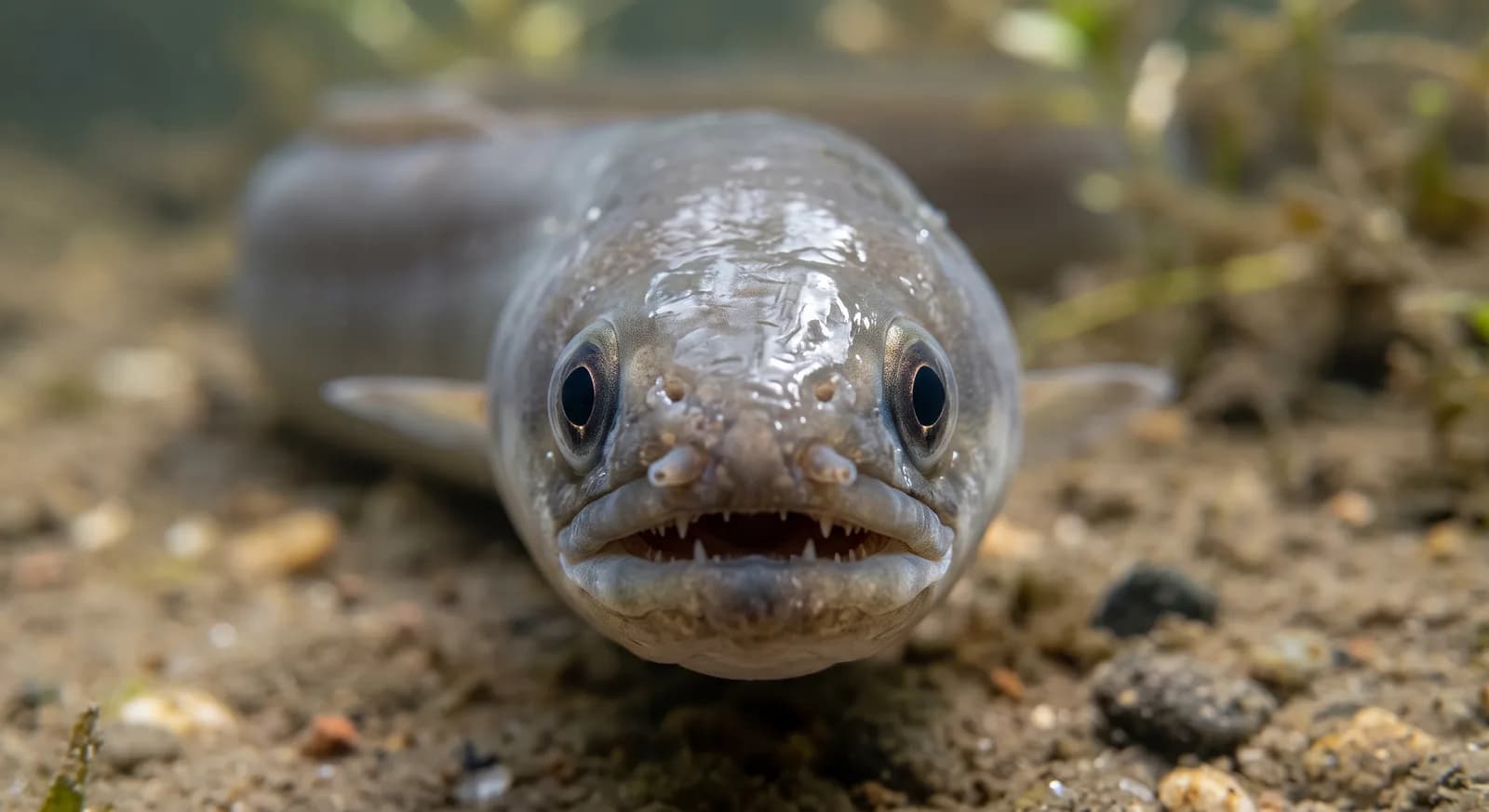
European Eel
Anguilla anguilla
Asia
Russia is the largest country in the world and holds a decisive share of the northern hemisphere's ecosystems: around a fifth of all the forests on the planet, the largest continuous expanse of taiga, immense Arctic tundra and peatlands such as those of western Siberia, the most extensive that exist. Lake Baikal, the deepest and oldest on Earth, holds close to a fifth of the planet's unfrozen liquid fresh water and a fauna that evolved in isolation for millions of years. Kamchatka concentrates active volcanoes, salmon rivers and one of the highest brown bear densities in the world, alongside the Steller's sea eagle. In the far southeast, the temperate taiga of Ussuri is the last refuge of the Siberian tiger and the Amur leopard. Wrangel Island, in the Arctic, is the greatest polar bear nursery in the world.
National animal: The brown bear is the de facto national animal; the double-headed eagle is the emblem of the state
The Baikal seal is the only seal on the planet that lives exclusively in fresh water. Its ancestors arrived from the Arctic some two million years ago, probably by working their way up rivers, and were left stranded more than three thousand kilometres from the nearest sea. It has adapted so completely to its lake that it can dive for more than twenty minutes and spends the winter under the ice, keeping breathing holes open by scraping them with its claws.
The Amur leopard is one of the rarest big cats in the world and has gone from a few dozen animals to a little over a hundred thanks to the Land of the Leopard park. The saiga antelope, after a catastrophic crash, is recovering on the steppes of the southwest.
Kamchatka between July and September for brown bears fishing salmon. Baikal in winter for the transparent ice and in summer for Baikal seals on the islets. Ussuri in winter to track Siberian tiger.
633 species found
Based on what we already know about Russia.