 Critically Endangered
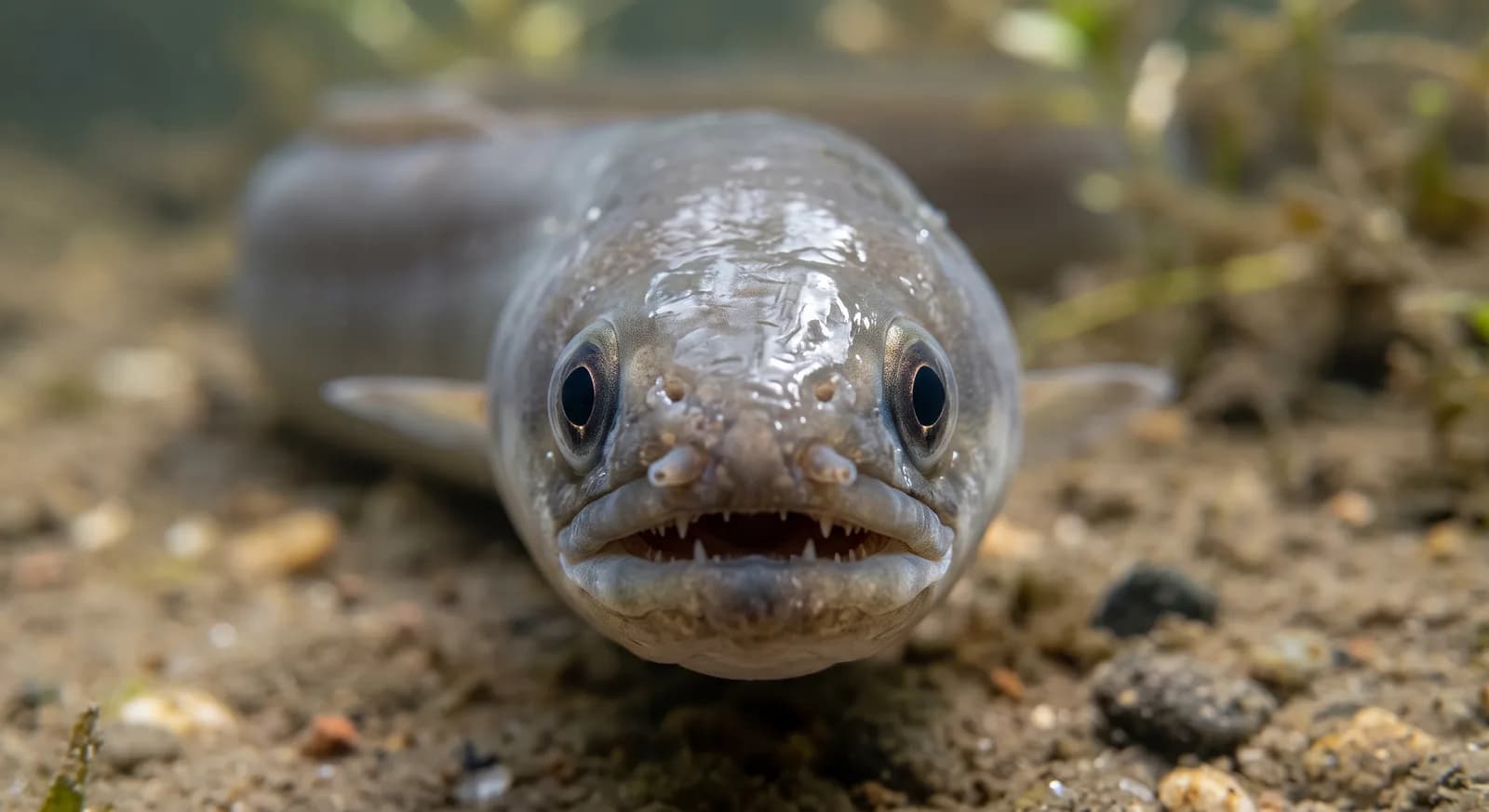
European Eel
Anguilla anguilla
Europe
Slovakia is the most mountainous country in central Europe: the Carpathians take up much of its territory and culminate in the High Tatras, the smallest alpine range in the world, with glacial cirques, high-altitude lakes and rock faces above 2,600 metres. Its forests, covering close to forty per cent of the country, include primeval beech woods recognised as World Heritage and support one of the highest brown bear densities in Europe, along with wolves, lynx and wildcats. To the east, the Slovak Paradise is a maze of limestone gorges crossed by walkways and waterfalls, and the Slovak karst, shared with Hungary, holds hundreds of caves, among them cavities with permanent ice formations. The Danube lowlands, in the southwest, add riverside woodland, side channels and a waterbird fauna quite unlike that of the mountains.
National animal: The brown bear is the national emblematic animal; the double cross is the state's heraldic symbol
The Tatra chamois is a subspecies left isolated in those mountains as the glaciers withdrew and exists nowhere else in the world. In the late 1990s its population crashed below two hundred animals through poaching and tourist pressure. Restrictions on access to the high ground and permanent surveillance have allowed it to recover to more than a thousand animals today, split between Slovakia and Poland.
The primeval beech forests of the Slovak Carpathians form part of the World Heritage property that groups the ancient beech woods of eighteen countries. Coexisting with a high brown bear population in tourist areas is the main management challenge.
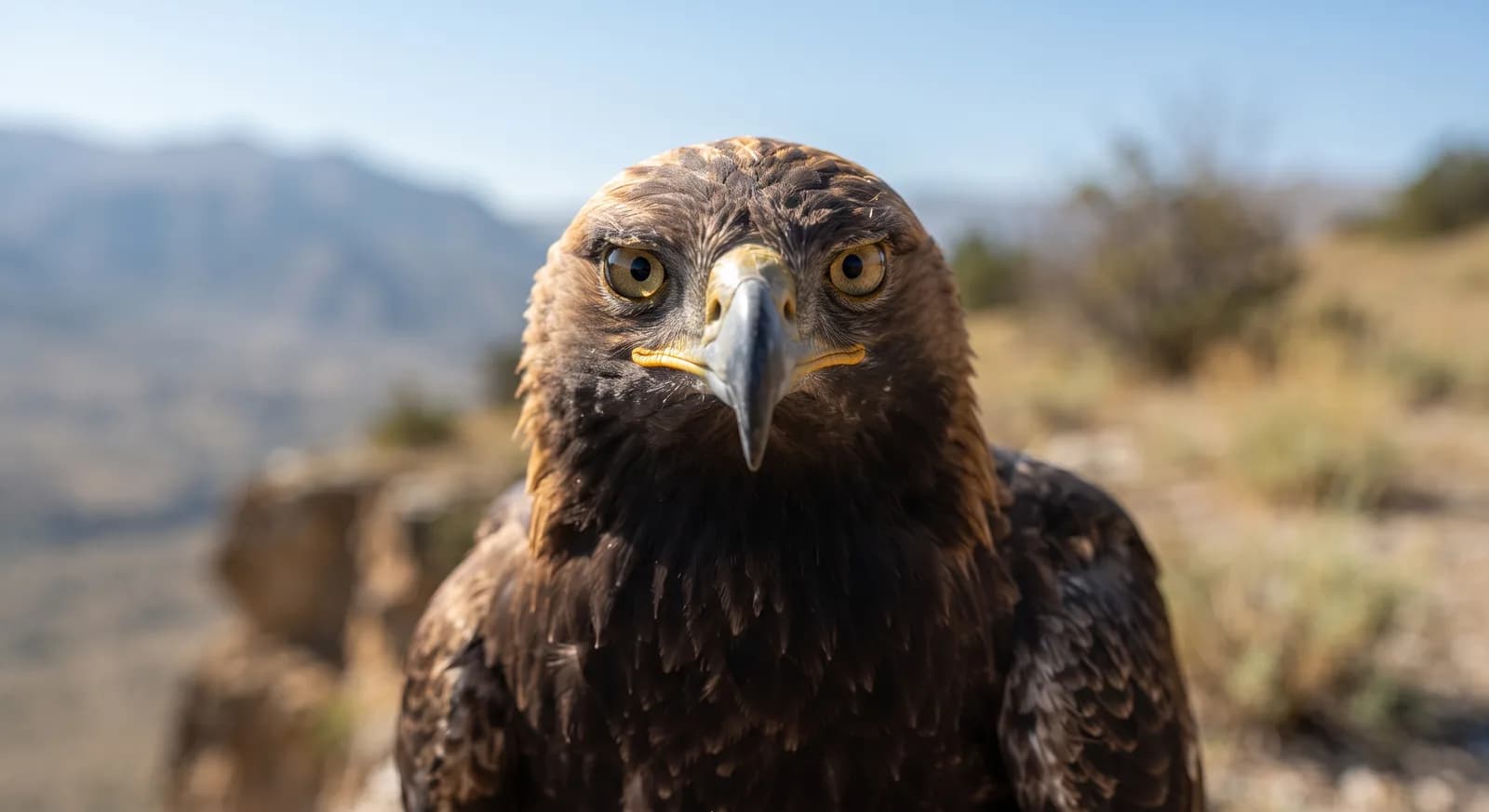
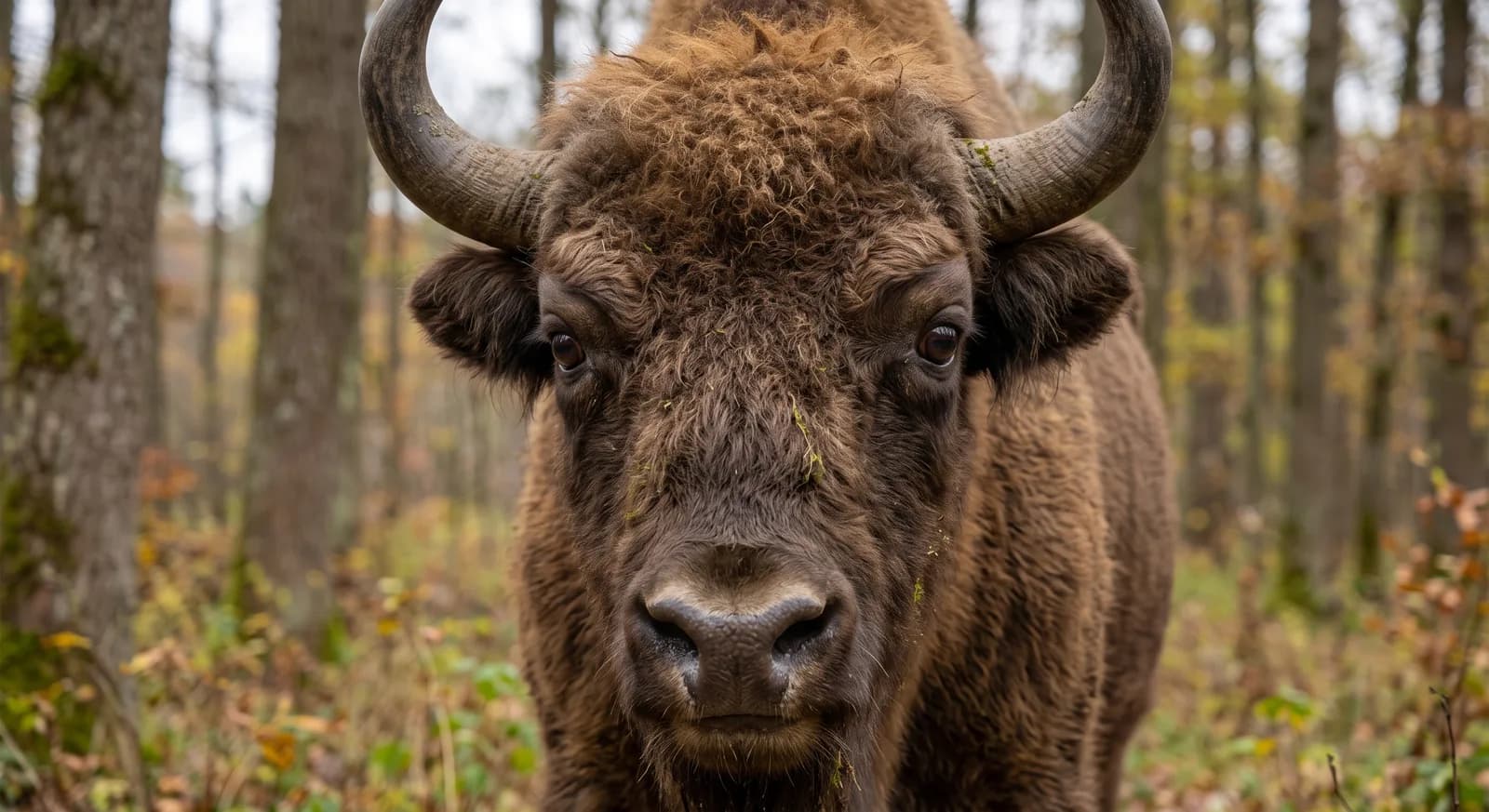
The High Tatras between June and September for chamois and marmots. Poloniny in autumn for European bison and the deer rut. Mountain skies in spring for golden eagles displaying.
416 species found
Based on what we already know about Slovakia.