 Critically Endangered
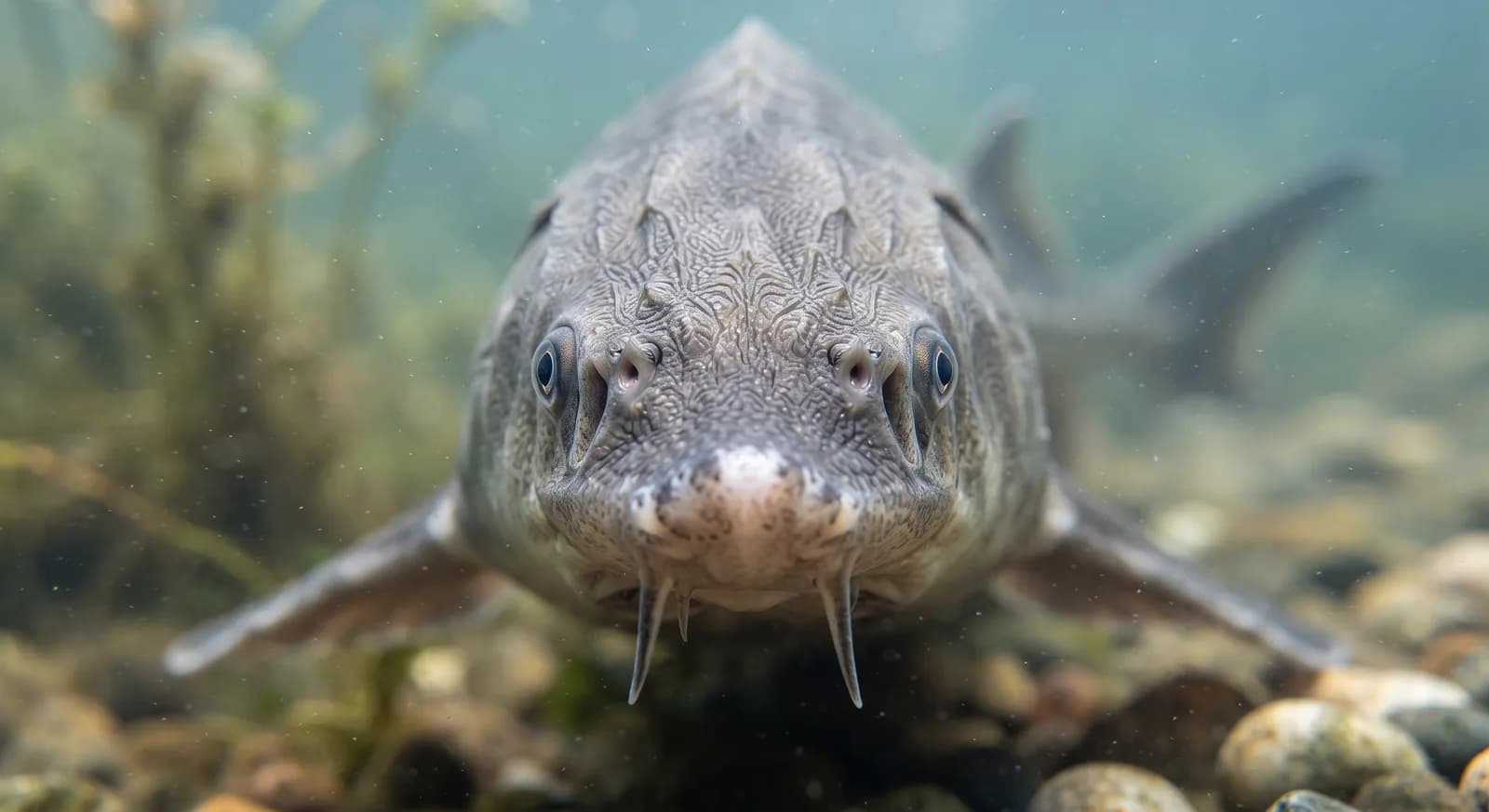
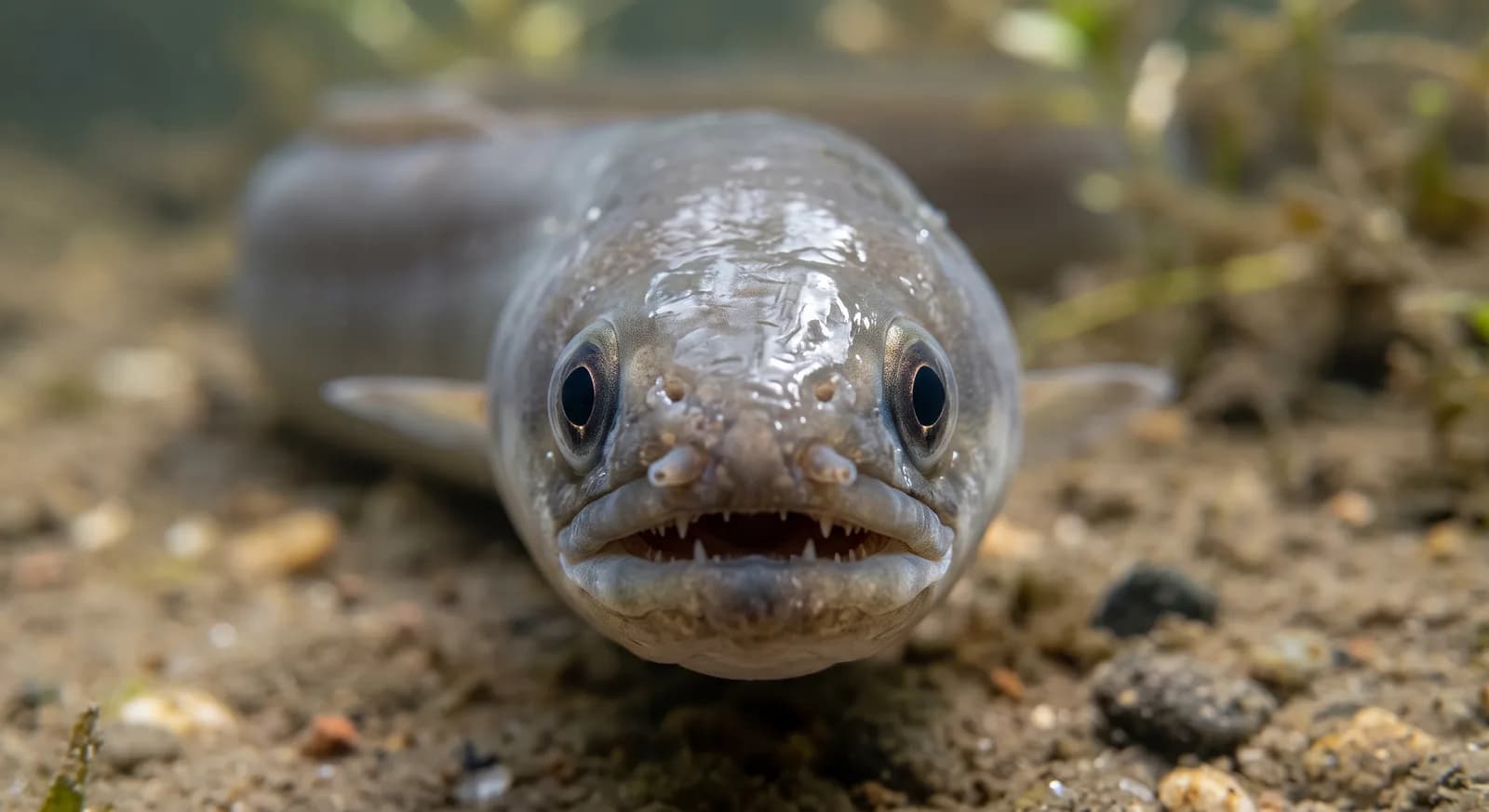
European Eel
Anguilla anguilla
Europe
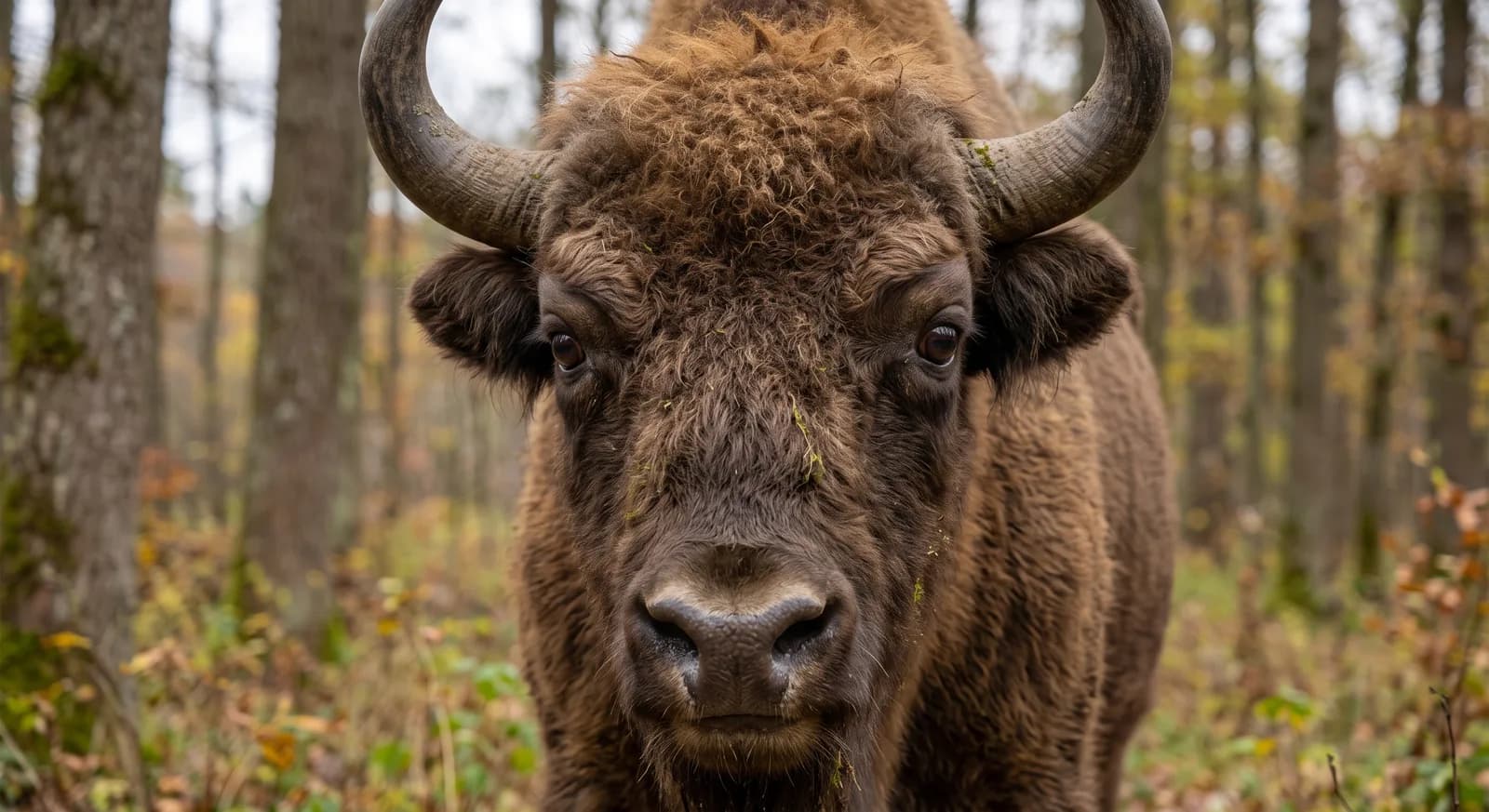
Belarus keeps the most extensive continental wetlands left in Europe. The Polesia marshes, in the Pripyat basin, form a maze of flooded forest, peatland and waterlogged meadows that has been called the lungs of Europe and that holds critical populations of aquatic warbler, the most endangered passerine on the continent, along with moose, wolves and lynx. To the west, Belovezhskaya Pushcha shares with Poland the same primeval temperate forest and the same transboundary herd of European bison, the largest free-living one in the world. In the north, Berezinsky has protected since 1925 a mosaic of peatland and boreal forest that was one of the first reserves in the Soviet Union. In the southeast, the Chernobyl exclusion zone, emptied of residents since 1986, has become in practice one of the largest areas without a human presence in Europe.
National animal: The European bison is the national animal; the white stork is the country's symbolic bird
In 1998 some thirty Przewalski's horses were released into the Chernobyl exclusion zone, the only truly wild horse species left on the planet and one that had disappeared from the wild in the 1960s. Far from dying out, the herd bred without human management, multiplied, and some groups crossed the border into the Belarusian side on their own, where they have settled.
The Polesia marshes hold a very high share of the world population of aquatic warbler, and its conservation depends on maintaining the traditional mowing of the meadows. Soviet-era peatland drainage left damage that rewetting projects are trying to reverse.
Belovezhskaya Pushcha in winter for European bison. The Pripyat marshes in April during the flood. Zvanets at dusk in May to hear the aquatic warbler.
420 species found
Based on what we already know about Belarus.