Skip to content
WAnimals
  • Map
  • Species
  • Parks
  • Diving
Log inCreate account
WAnimals

The guide for travellers and animal lovers: discover, plan and share your wild adventures around the world.

Discover wildlife

  • Species
  • Ecosystems
  • Glossary
  • Tags

Explore places

  • Map
  • Countries
  • Parks
  • Diving

Plan experiences

  • Guides

Learn

  • Blog

Resources

  • Help centre
  • Contact
  • Install the app

Follow us

Account

  • Log in
  • Create account

© 2026 WAnimals. All rights reserved.

About usHow we build our profilesTerms of servicePrivacyLegal notice
MapSpeciesParksDiving
  1. Home
  2. Species
  3. Black-tailed Godwit
Black-tailed Godwit (Limosa limosa)

Birds · Charadriiformes · Scolopacidae

Black-tailed Godwit

Limosa limosa

Near Threatened

It could become threatened in the near future if current threats go unchecked.

Spotted something wrong?

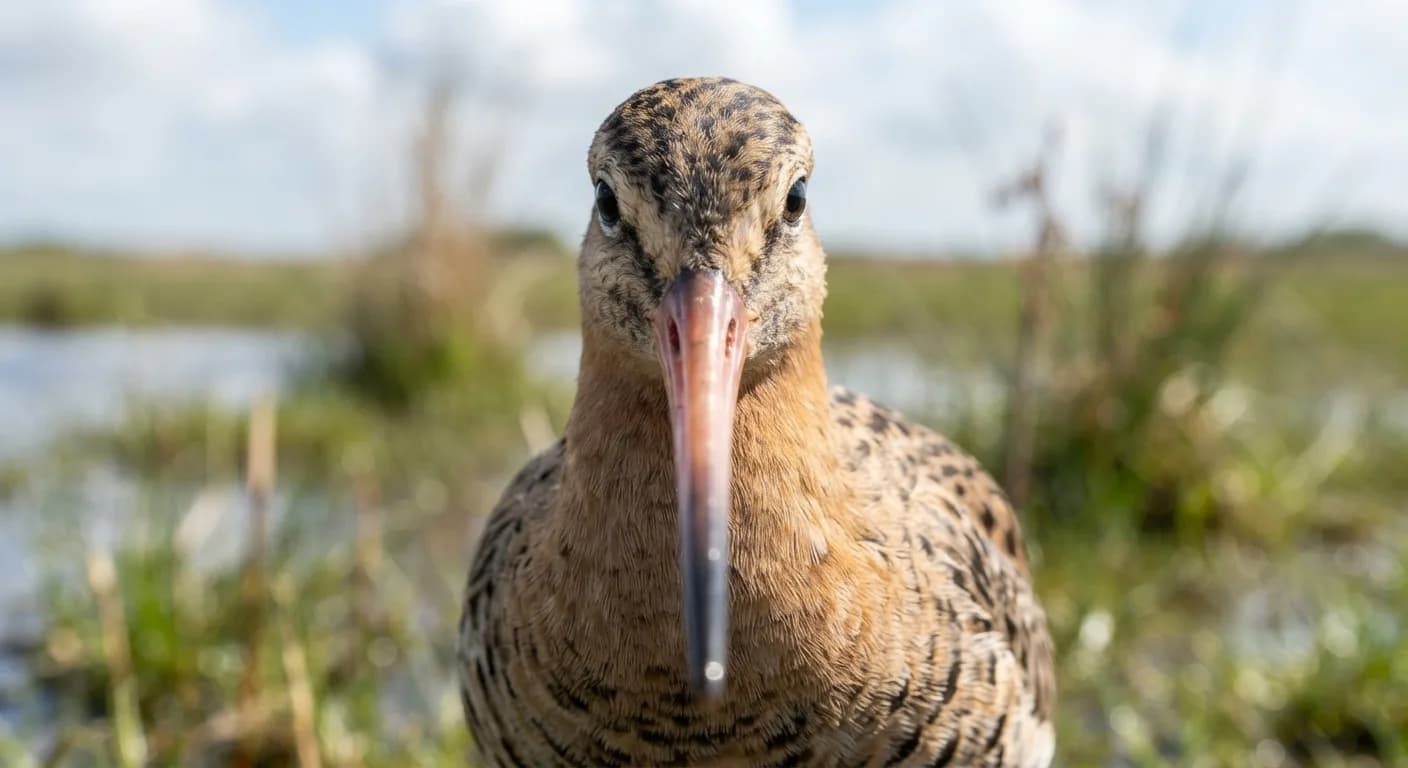
A large wader of upright bearing, with a slender neck, long legs and a very long, straight bill, orange at the base and black at the tip, longer still in the female. In flight it shows a broad white wing bar, a white rump and a strongly marked black terminal band on the tail.

Weight

264 g – 315 g

Size

37 cm – 44 cm

Life expectancy

12 years
Diet

Carnivore

Feeds mainly on other animals.

Activity

Diurnal

Active mainly during the day.

Social structure

Colony

Lives in large concentrations, often for breeding reasons.

Sighting difficulty

Moderate

Estimated population

The world population is estimated at between 634,000 and 805,000 birds. The European population has gone from some 120,000 pairs to fewer than 46,000

FreshwaterGrassland
46countries28parks13same family

AI-generated images: illustrations, not photographs.

Fun facts

  • conservaciónIt is in marked decline across Europe as farming intensifies on the wet meadows where it traditionally breeds, which has cut its nesting success sharply.
  • Practically the whole population that winters in Africa stops over at Doñana on its way back to the breeding grounds; Veta la Palma and the nearby rice fields can hold 23% of the East Atlantic Flyway total in January.
  • Doñana has become the main European wintering area, displacing Africa, a change tied to extensive fish farming and to the winter use of the rice fields.
  • European youngsters stay on in Africa after their first winter and do not return until they are two.

Life cycle and biology

Skeleton type
Vertebrate - internal bony skeleton (bird)
Habitat and environment
In winter and on migration it occupies rice fields, coastal saltpans, marshes, saltmarsh and estuaries. It breeds in damp meadows of tall grass and soft ground, peat bogs and wet steppe depressions of northern and central Europe
Birth weight
Precocial: born covered in down and leaves the nest within a few hours
Size at birth
Precocial: born covered in down and leaves the nest within a few hours
Sexual maturity
2 years
Gestation / incubation
22-24 days of incubation
Litter / clutch size
3-4 eggs in a small scrape on the ground among the vegetation, from May to July

Sources consulted: SEO/BirdLife (ficha y III Atlas de las aves en época de reproducción en España); IUCN Red List; Asturnatura; Márquez Ferrando et al. 2014; Masero et al. 2011, Ardeola; Navedo, Masero y Juanes 2007, Ardeola 54(2); Acuerdo AEWA; Estación Biológica de Doñana (CSIC)

Where to find it

Best time: From November to March in the rice fields and saltpans of the south, peaking in January in Doñana

Loading map…

Where to see it

Parks and dive sites where this species has been documented — showing 10 of 28.

Related species

Other species in the catalogue with the most in common with Black-tailed Godwit — same habitat, park, country, tags or family.

Same taxonomic family

Keep exploring

Based on what we already know about black-tailed godwit.

Comments

Share an experience, a fun fact or a tip for seeing the black-tailed godwit.

Be the first to comment.

See full glossary
This page in other languages: Español · Deutsch · Français · Português · Italiano

The pins mark the parks where its presence is documented.

See its range on the interactive map→
Doñana National ParkSpain
Danube DeltaRomania
Hortobágy National ParkHungary
Wadden SeaGermany
NorthumberlandUnited Kingdom
Neusiedler See-SeewinkelAustria
Tablas de DaimielSpain
CamargueFrance
Ebro DeltaSpain
Ria FormosaPortugal
See all 28 parks
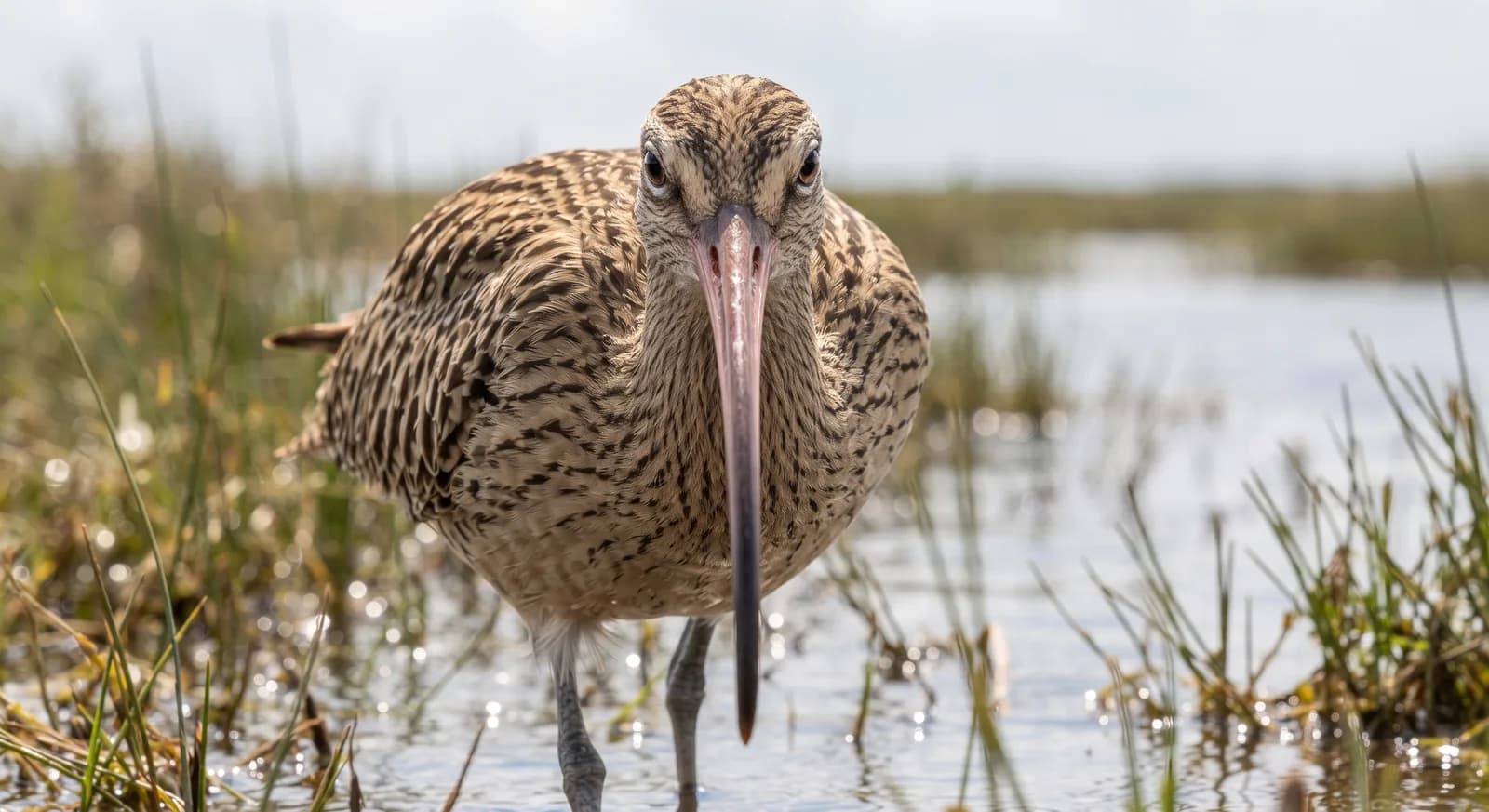
Eurasian CurlewNear Threatened

Eurasian Curlew

Numenius arquata

Least Concern

Common Redshank

Tringa totanus

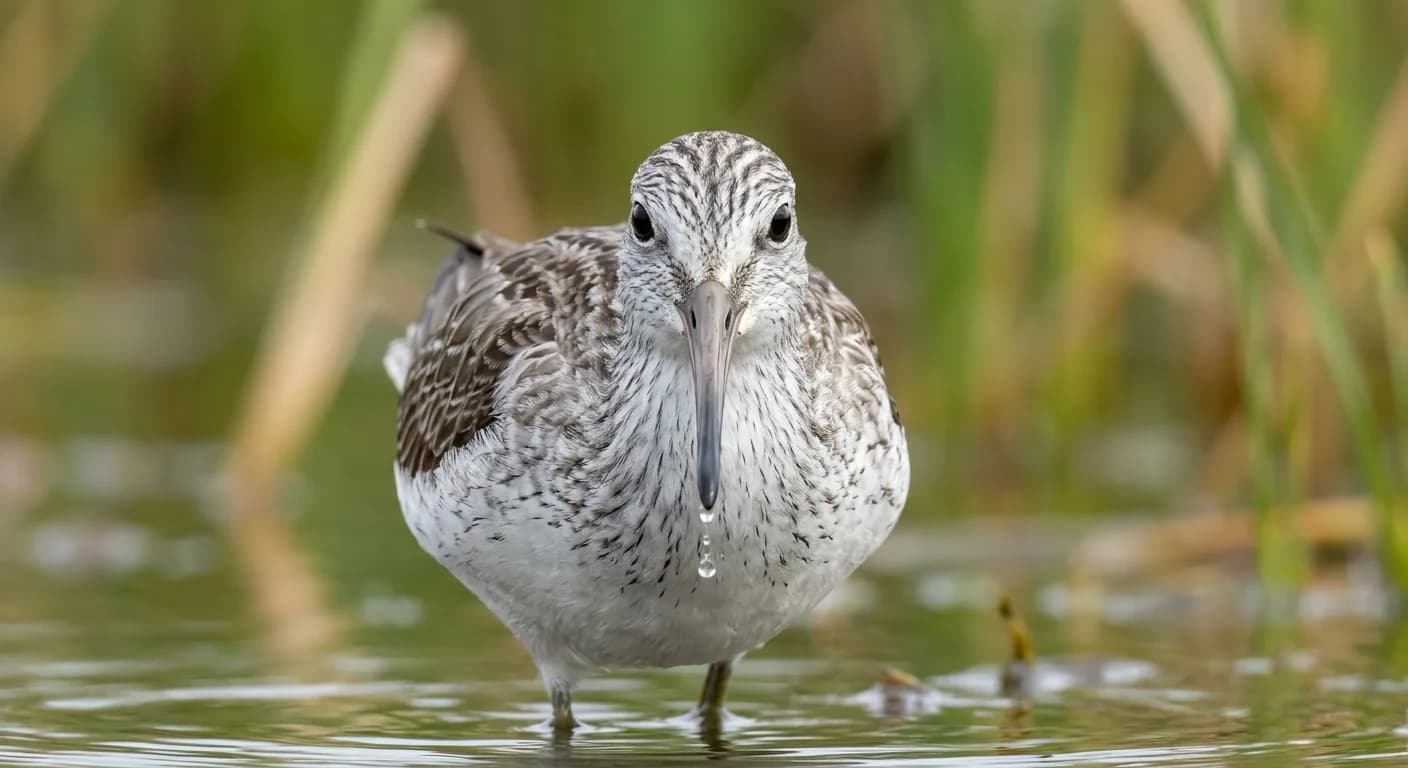
Common GreenshankLeast Concern

Common Greenshank

Tringa nebularia

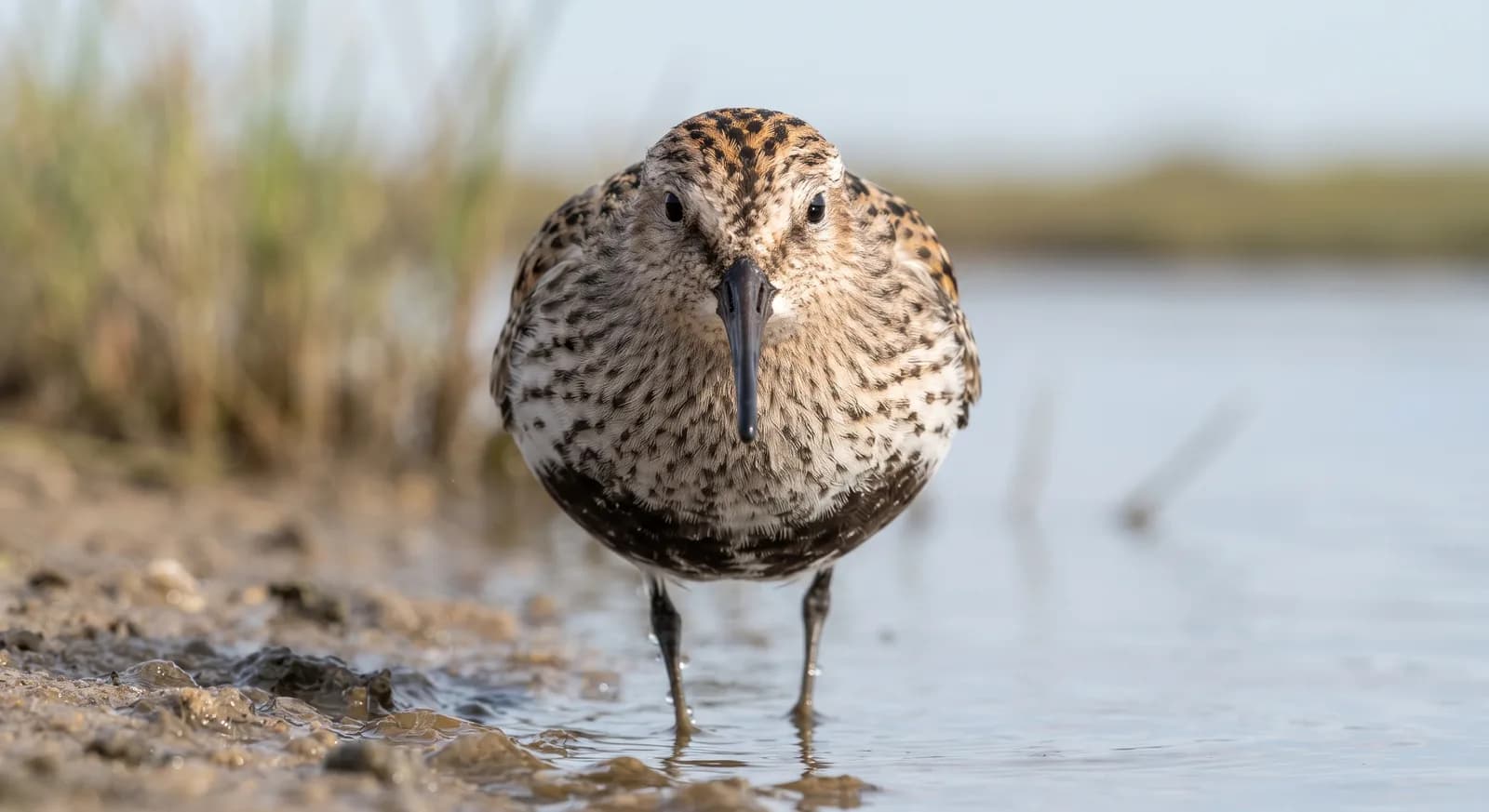
DunlinLeast Concern

Dunlin

Calidris alpina

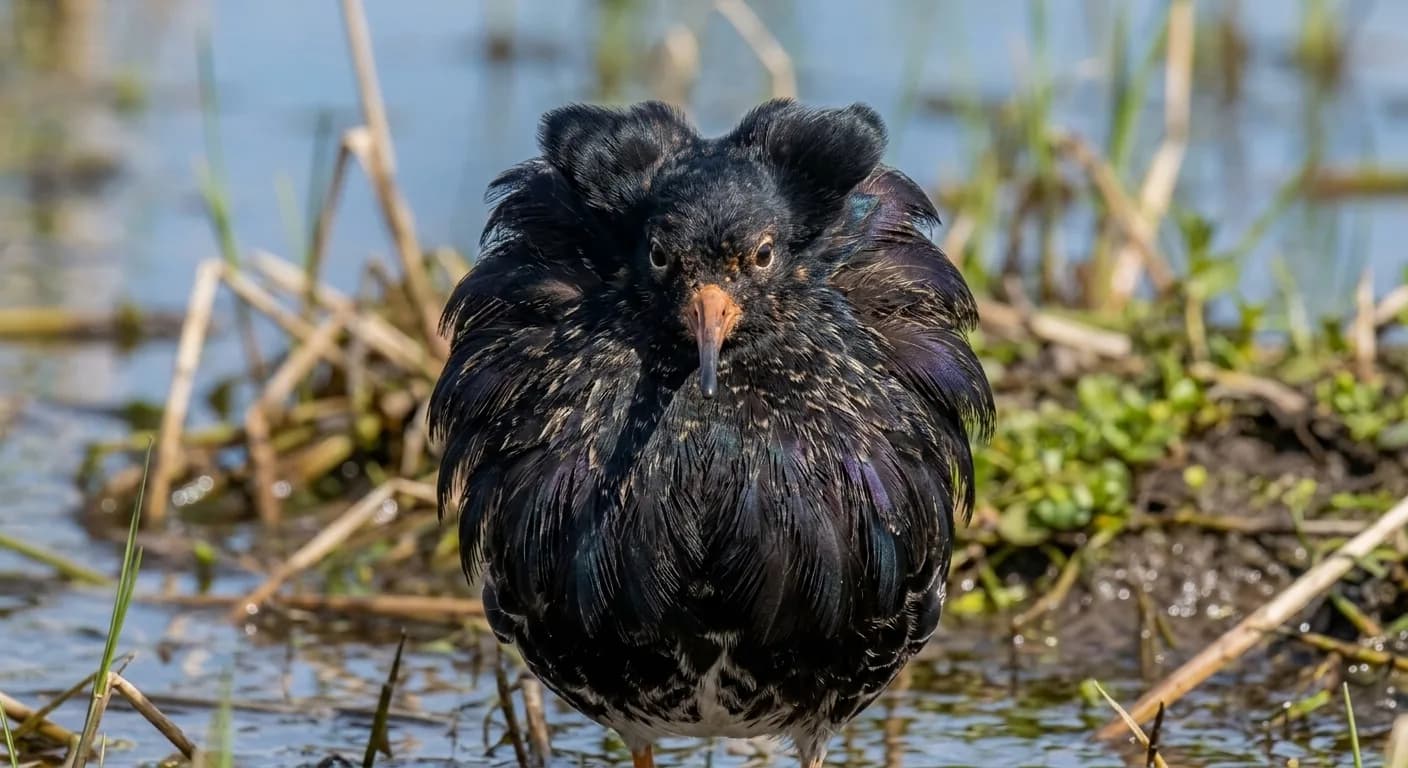
RuffLeast Concern

Ruff

Calidris pugnax

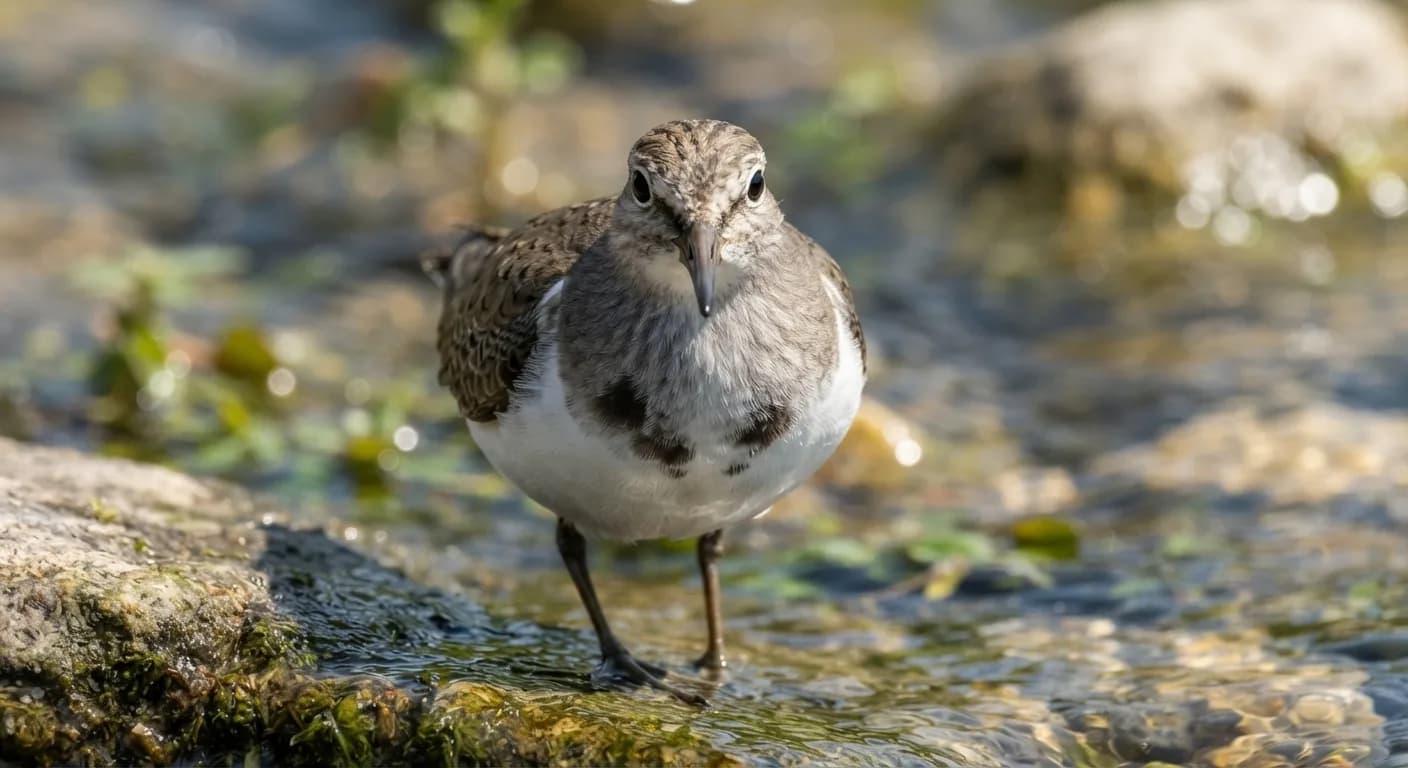
Common SandpiperLeast Concern

Common Sandpiper

Actitis hypoleucos

CountriesNetherlands
ParksDoñana National ParkSpain
TagsCarnivore
Carnivore
Diurnal
Colonial
Near Threatened
Bird
Freshwater
Grassland

Europe40

Asia5

Africa1

Netherlands
Spain
Estonia
Germany
Poland
Hungary
Albania
Andorra
Austria
Belarus
Belgium
Bosnia and Herzegovina
Bulgaria
Croatia
Czechia
Denmark
Estonia
Finland
France
Germany
Greece
Hungary
Ireland
Italy
Kosovo
Latvia
Liechtenstein
Lithuania
Luxembourg
Moldova
Montenegro
Netherlands
North Macedonia
Norway
Poland
Portugal
Romania
San Marino
Serbia
Slovakia
Slovenia
Spain
Sweden
Switzerland
Ukraine
United Kingdom
Armenia
Azerbaijan
Georgia
Russia
Türkiye
Kenya