 Critically Endangered
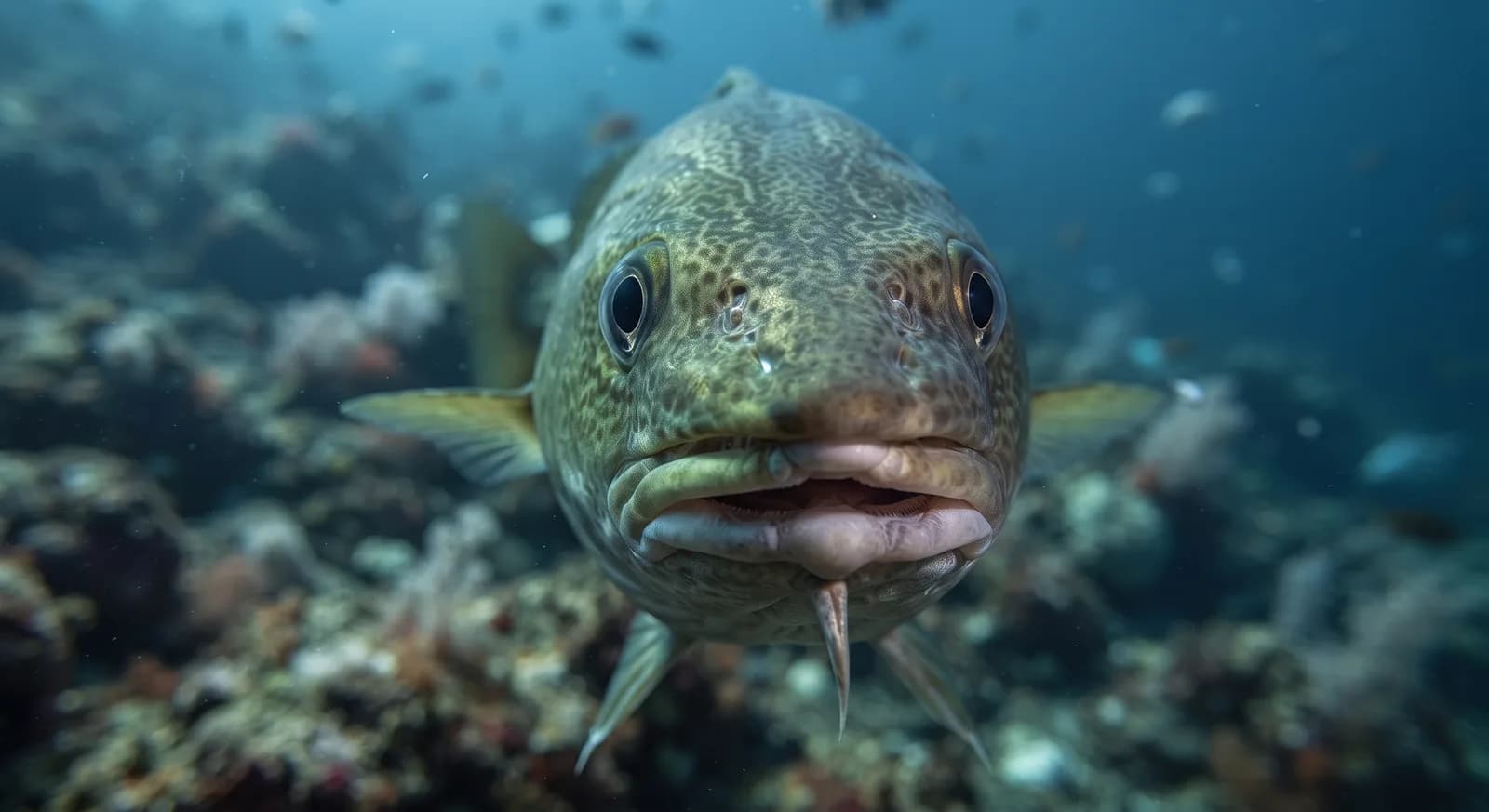
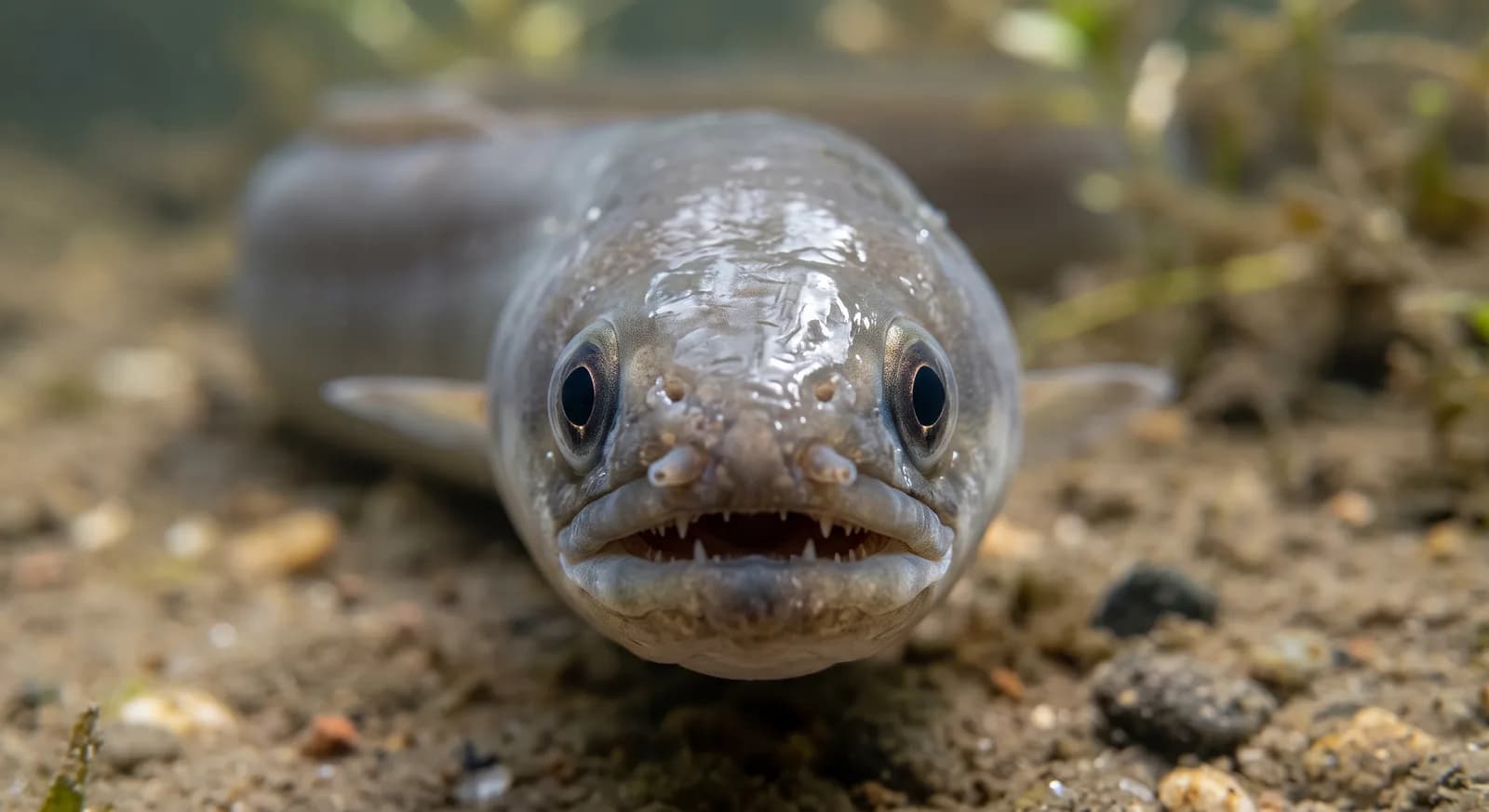
European Eel
Anguilla anguilla
Europe
Latvia combines a Baltic coastline of almost five hundred kilometres with an interior of forests, peatlands and little-altered rivers. More than half the country is forested, and the Gauja valley, with its red sandstone outcrops and incised meanders, forms the oldest and most visited national park. The Ķemeri bogs, crossed by wooden boardwalks over a mosaic of pools and dwarf pines, are the most accessible example of a habitat type that covers much of the country. The fauna includes wolf, lynx, moose, black stork and a very high density of beavers. On the coast, Cape Kolka, where the Gulf of Riga meets the open sea, works as a migration funnel on a continental scale. The flood meadows of the Dviete River are still extensively grazed by hardy horses and cattle that keep the landscape open.
National animal: The white wagtail is the national bird; the two-spot ladybird is the national insect
The European beaver became extinct in Latvia in 1871 through hunting for its pelt and for castoreum. In 1927 a few animals brought from Norway were released and, with no predators able to check them and an abundance of rivers and willows, the population grew to be counted today in the tens of thousands. Their dams have recreated wetlands that benefit amphibians and birds, though they also flood crops and roads.
Cape Kolka and the Slītere coast are key points on the eastern Baltic migratory route. The hydrological restoration of the Ķemeri bogs reversed decades of drainage and brought back their sulphurous springs.
Cape Kolka in April and May, when hundreds of thousands of birds can pass in a single day. Ķemeri at dawn from the bog tower. Inland rivers at dusk for beavers.
470 species found
Based on what we already know about Latvia.