 Critically Endangered
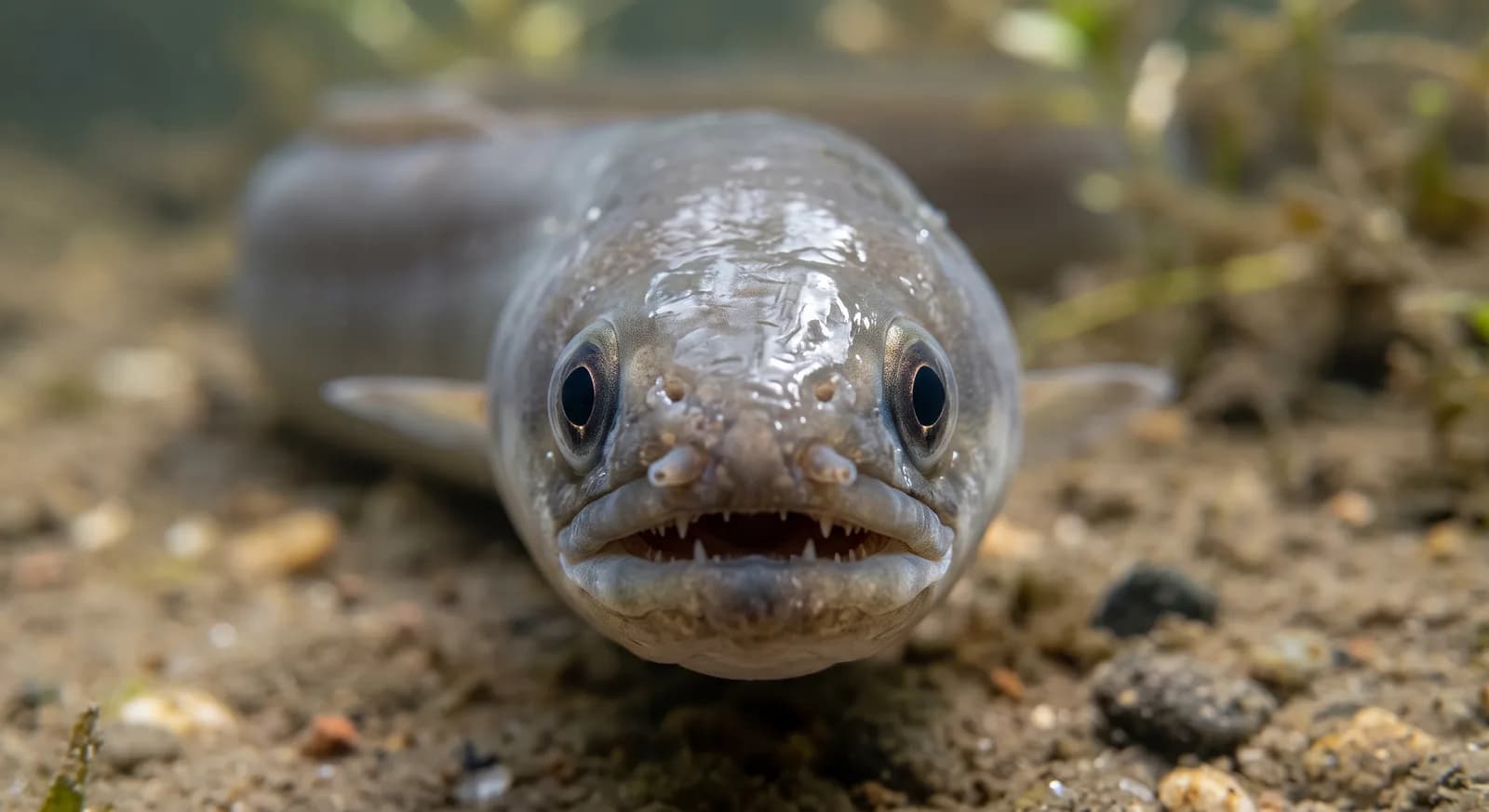
European Eel
Anguilla anguilla
Europe
Estonia is a flat, forested country, with more than half its surface under woodland and a fifth taken up by peatland, one of the highest proportions in Europe. The great forests of the northeast and south hold dense populations of brown bear, lynx, wolf and moose, in numbers hard to find in such a small country. At Soomaa, the spring flood inundates the forests and bogs and creates what Estonians call the fifth season, weeks when the only way to get about is by boat and moose swim between the trunks. On the west coast, Matsalu Bay and the straits between the islands of Saaremaa and Hiiumaa gather hundreds of thousands of barnacle geese, swans and Arctic ducks each spring as they stop over on their way to Russia. The coastal meadows and juniper stands of the islands are distinctive Baltic habitats.
National animal: The grey wolf, chosen as national animal in 2018; the barn swallow is the national bird
The Siberian flying squirrel reaches the western limit of its world range in Estonia: along with Finland, this is the only European Union country where it still survives. Barely a few hundred are left in the mature aspen forests of the northeast; it glides between trees on a membrane stretched between its legs and is so discreet and nocturnal that its presence is usually detected from the yellow droppings piled at the foot of the trunks.
Logging of mature forest is the main threat to the flying squirrel and to woodland birds. Restoring peatlands drained in the Soviet era is now a priority.
Matsalu in April and May for the migratory stopover of barnacle geese and swans. Soomaa in spring during the fifth season. The northeastern hides between May and August for brown bear.
471 species found
Based on what we already know about Estonia.