 Critically Endangered
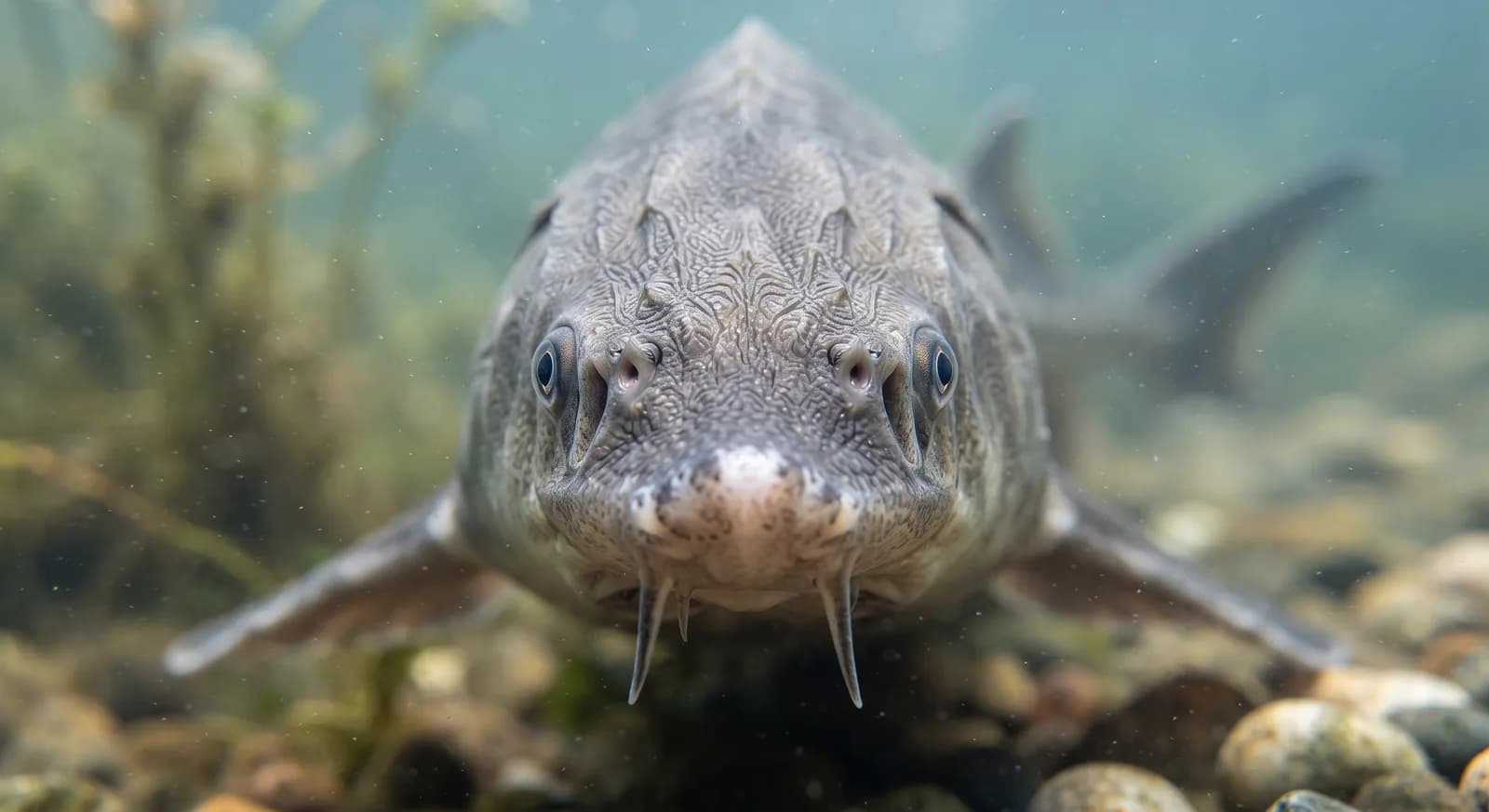
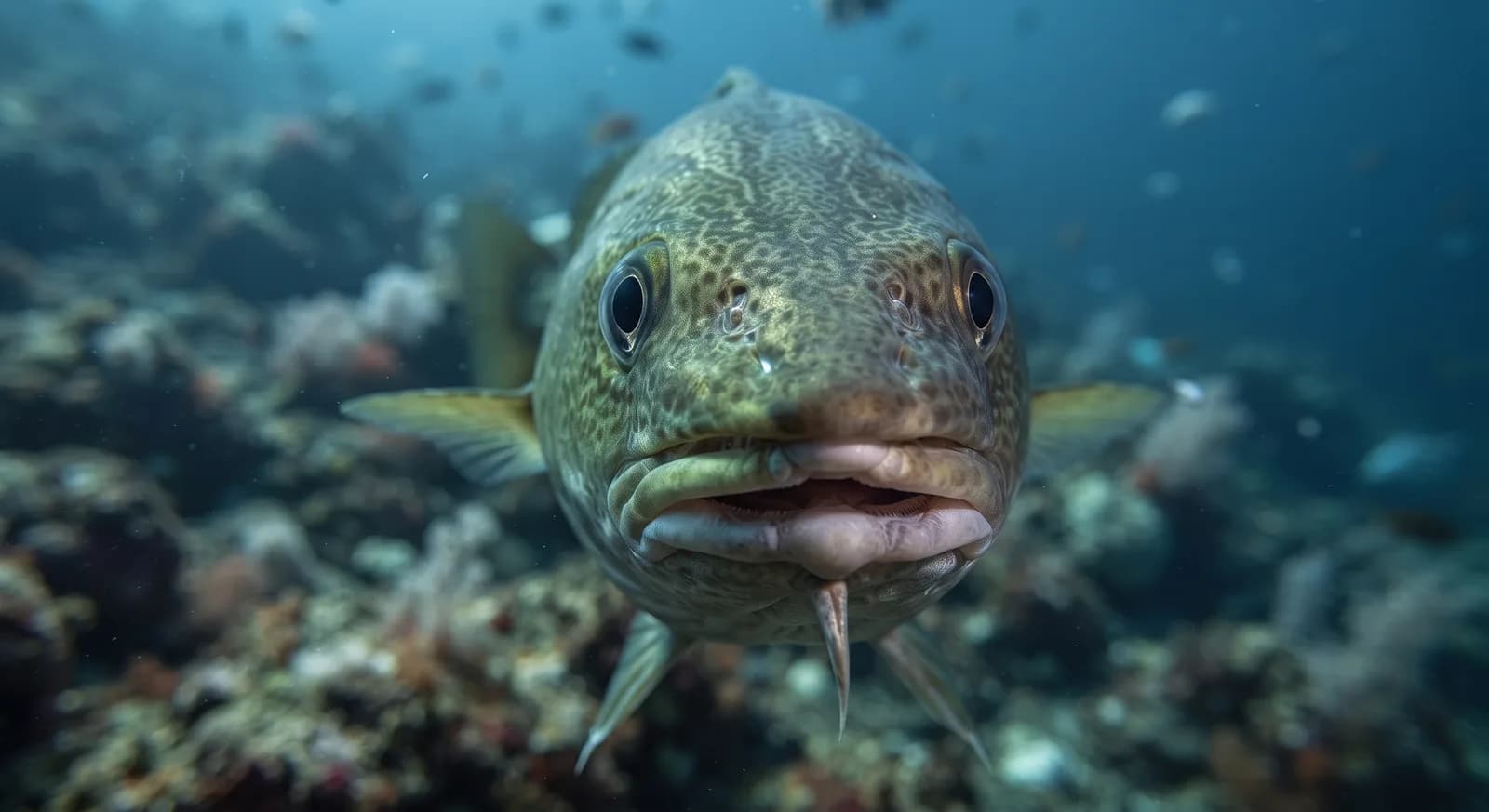
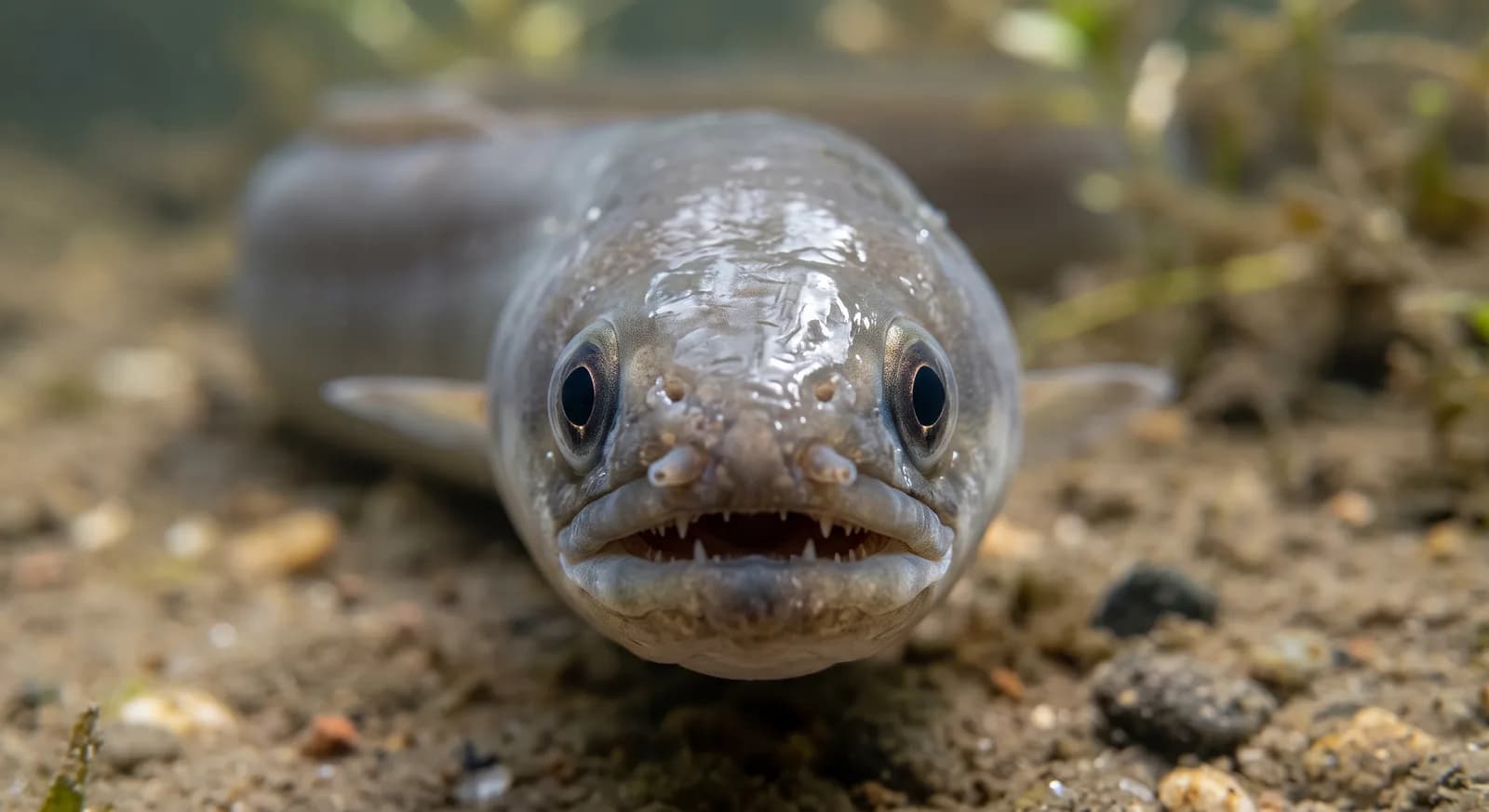
European Eel
Anguilla anguilla
Europe
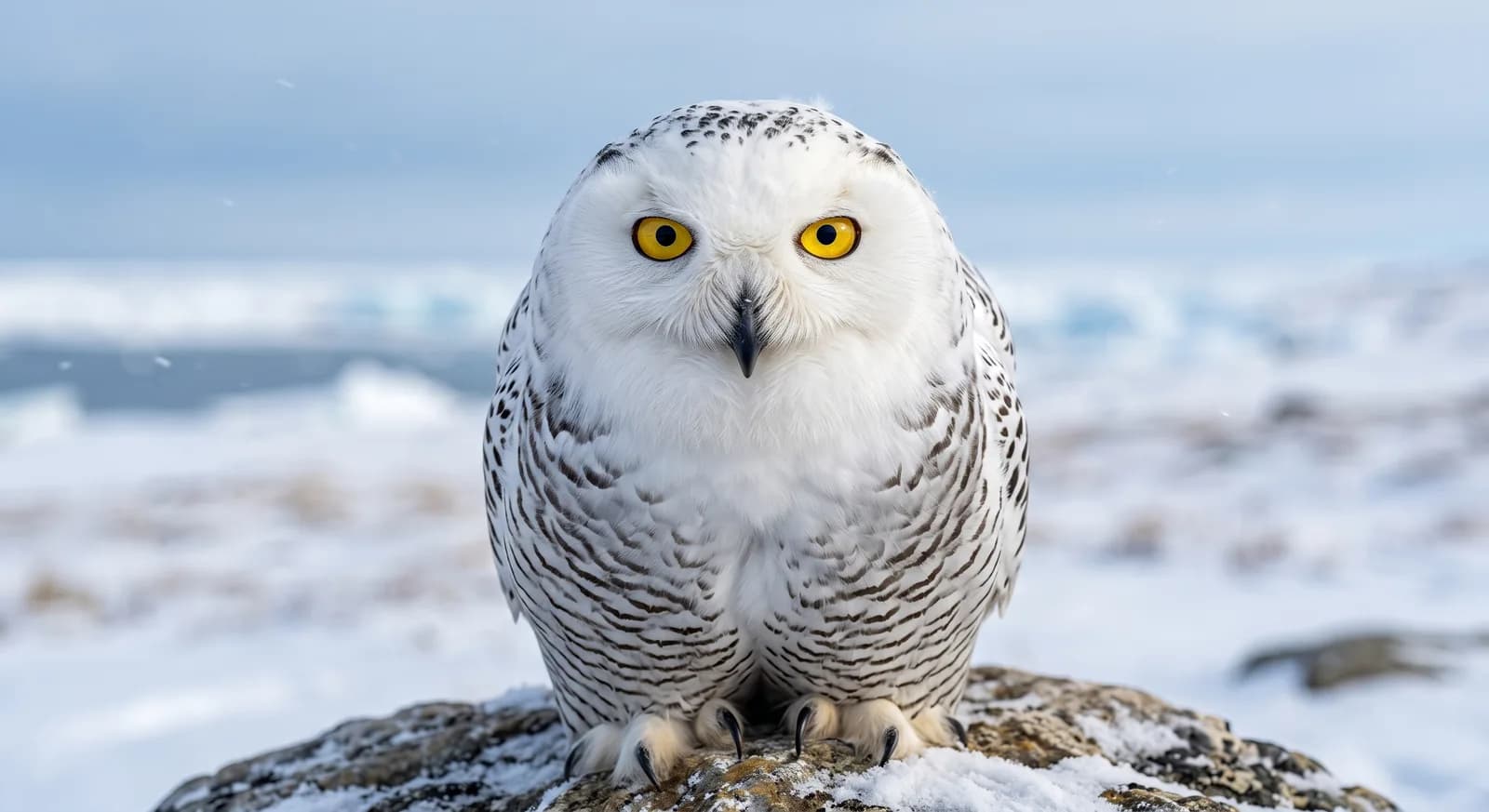
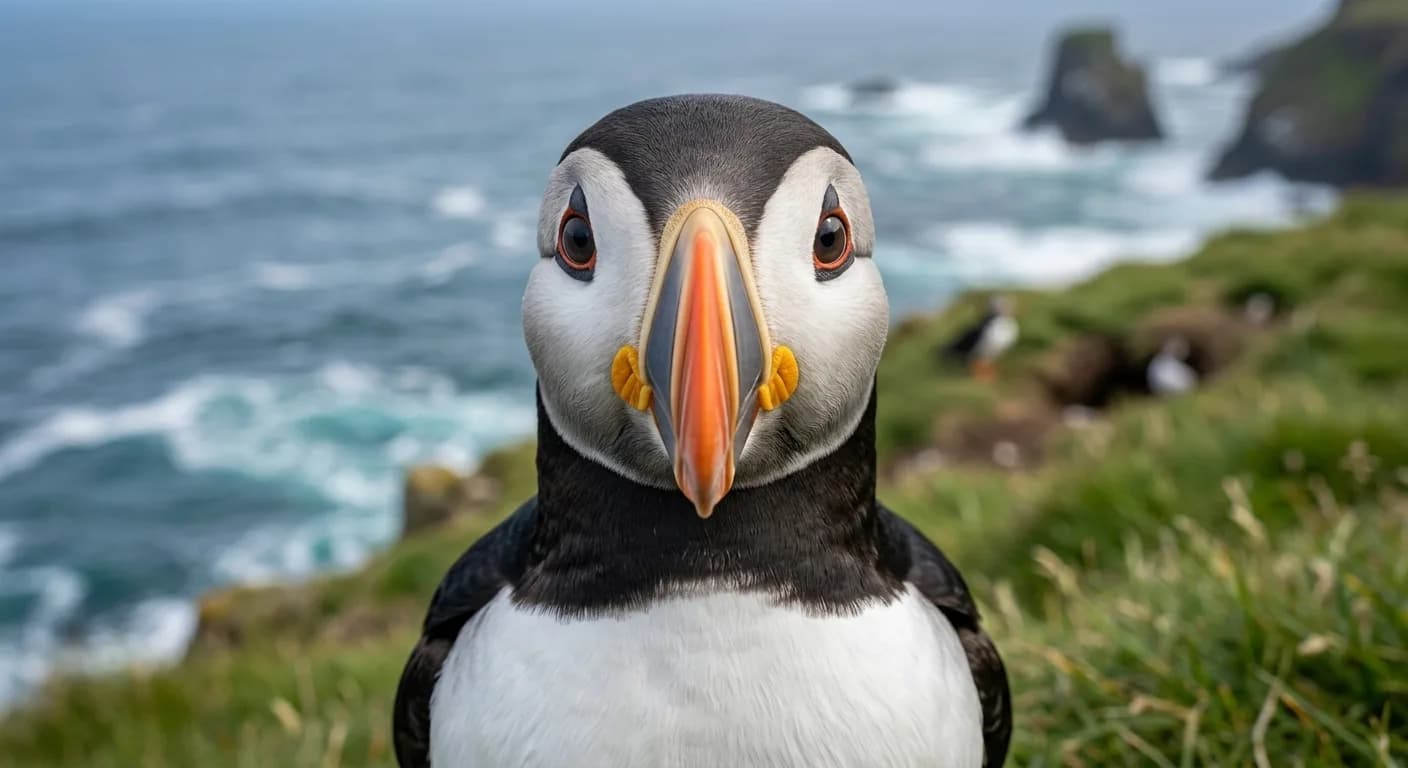
Finland is water and forest in almost equal measure: close to 188,000 lakes and more than seventy per cent forest cover make it the most wooded country in Europe. The eastern taiga, in Kainuu and North Karelia, next to the Russian border, is the best place on the continent to watch brown bear, wolf and wolverine from fixed hides. In Lapland, pine forest gives way to dwarf birch tundra and aapa mires, the habitat of birds such as the snowy owl and of herds of semi-domesticated reindeer. The southwestern archipelago, with tens of thousands of islands and skerries in the Baltic, holds seabird colonies and grey seals. The great wetlands of the north, between Liminka and Lapland, work as a migratory corridor for cranes, swans and geese heading towards the Arctic every spring.
National animal: The brown bear is the national animal; the whooper swan is the national bird
The Saimaa ringed seal was trapped in the Finnish lake system at the end of the last glaciation, some 9,000 years ago, and evolved in isolation in fresh water into one of the rarest seals in the world, with barely a few hundred animals. Because it needs snowdrifts to give birth and the winters are ever milder, volunteers pile up snow by hand along the shores to build it artificial lairs.
The Saimaa seal depends directly on a winter with enough snow, which makes it one of the European species most exposed to climate change. Restoring drained peatlands is a national priority because of their role as a carbon sink.
The hides at Kuhmo and Kuusamo between May and August for brown bear and wolverine. The Liminka wetland in May for cranes and geese. Lake Saimaa in June, when the seals bask on the rocks.
477 species found
Based on what we already know about Finland.