Skip to content
WAnimals
  • Map
  • Species
  • Parks
  • Diving
Log inCreate account
WAnimals

The guide for travellers and animal lovers: discover, plan and share your wild adventures around the world.

Discover wildlife

  • Species
  • Ecosystems
  • Glossary
  • Tags

Explore places

  • Map
  • Countries
  • Parks
  • Diving

Plan experiences

  • Guides

Learn

  • Blog

Resources

  • Help centre
  • Contact
  • Install the app

Follow us

Account

  • Log in
  • Create account

© 2026 WAnimals. All rights reserved.

About usHow we build our profilesTerms of servicePrivacyLegal notice
MapSpeciesParksDiving
  1. Home
  2. Species
  3. Giant Noctule

One of the 2 noctules on WAnimals
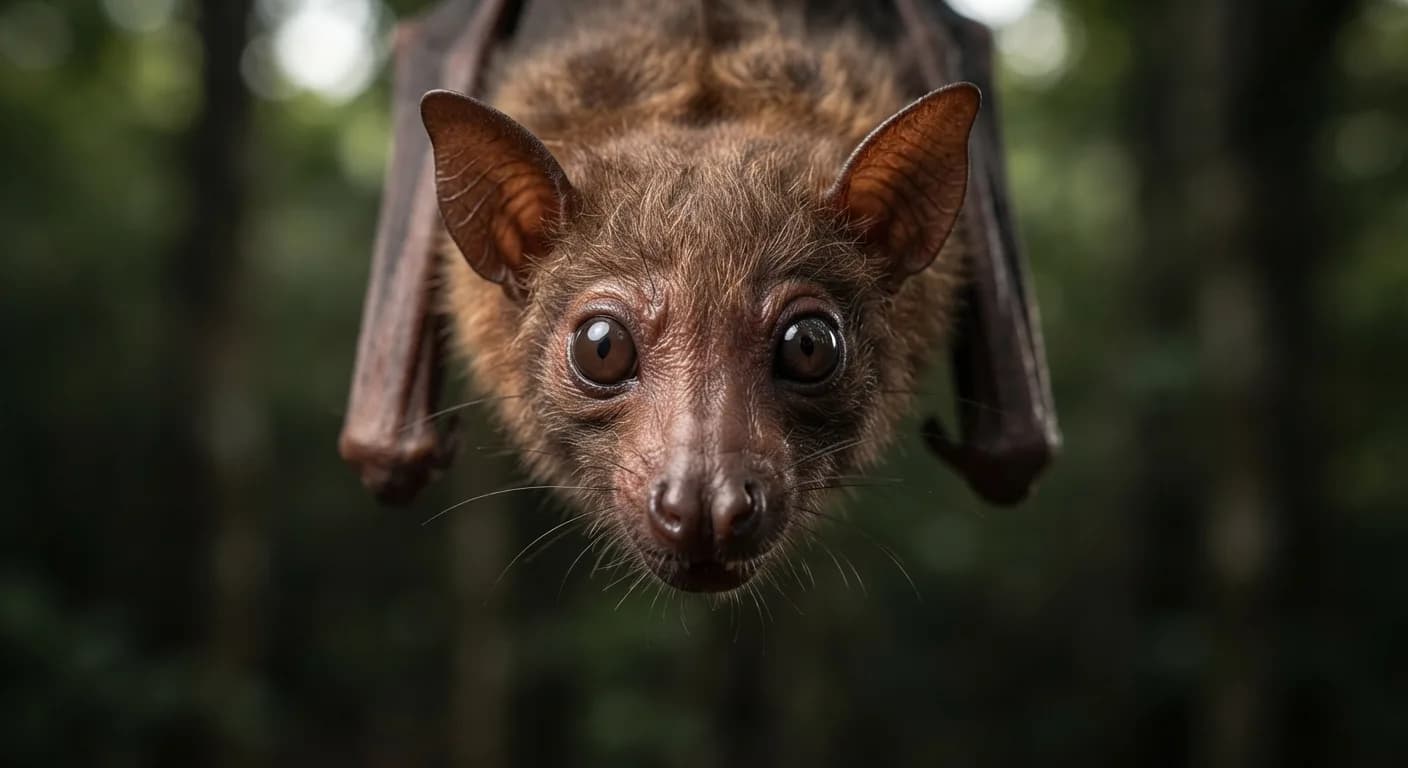
Giant Noctule (Nyctalus lasiopterus)

Mammals · Chiroptera · Vespertilionidae

Giant Noctule

Nyctalus lasiopterus

Vulnerable

At high risk of extinction in the wild over the medium term.

Spotted something wrong?

The largest bat in Europe, with a wingspan of up to 46 cm. A single-coloured coat, dense and glossy, from chestnut to reddish, with a paler belly. Short, broad, rounded ears with a large, kidney-shaped tragus. Long, narrow wings inserted at the ankle, adapted to high, fast flight.

Weight

35 g – 76 g

Size

6.1 cm – 10.4 cm

Diet

Carnivore

Feeds mainly on other animals.
Activity

Nocturnal

Active mainly at night.

Social structure

Colony

Lives in large concentrations, often for breeding reasons.

Sighting difficulty

Moderate

Estimated population

Up to 10,000 mature individuals globally according to the IUCN. Fewer than 200 individuals are estimated in the Spanish Pyrenees

Grassland
58countries122parks14same family

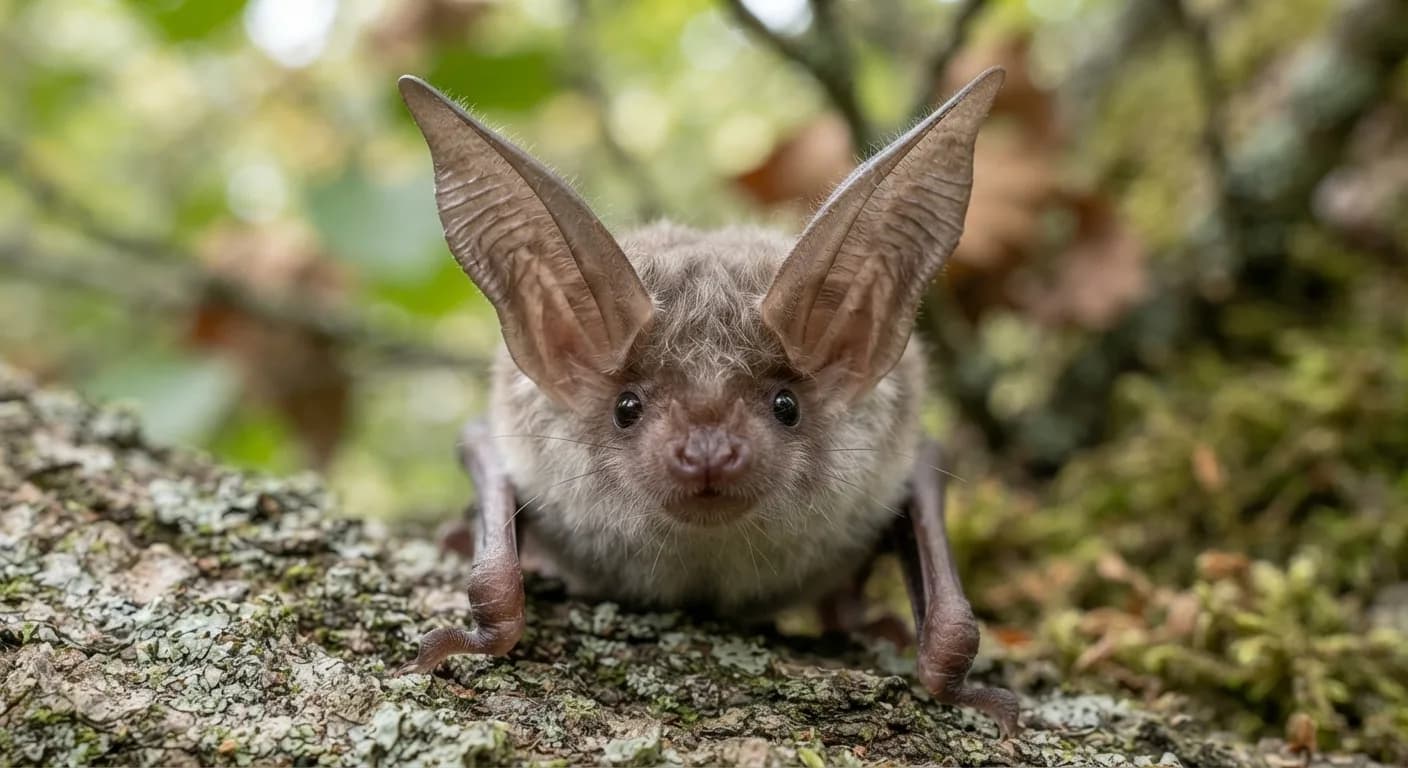
AI-generated images: illustrations, not photographs.

Fun facts

  • GeneralThe largest bat in Europe and the only one that takes migrating birds on the wing.
  • In October 2025 a team from the EBD-CSIC and Aarhus University published in Science the first sound recording of a noctule chasing, catching and eating a robin in mid-air without landing: 21 distress calls from the bird followed by 23 minutes of chewing sounds.
  • In order to eat such bulky prey in flight it cuts off their wings, reducing both weight and drag.
  • Its echolocation frequencies lie above the hearing range of birds, a private sensory channel its prey cannot detect.

Life cycle and biology

Skeleton type
Vertebrate - internal bony skeleton (mammal)
Habitat and environment
Mature woodland and dehesa with old trees

Sources consulted: IUCN Red List; SECEM; SECEMU; Ibáñez et al. 2001, PNAS 98; Popa-Lisseanu et al. (isótopos estables); Estación Biológica de Doñana (EBD-CSIC) y Universidad de Aarhus 2025, Science; MITECO

Where to find it

Best time: From spring to autumn; it leaves its roosts late at night, once it is completely dark

Loading map…

Where to see it

Parks and dive sites where this species has been documented — showing 10 of 122.

Related species

Other species in the catalogue with the most in common with Giant Noctule — same habitat, park, country, tags or family.

Same taxonomic family

How to help

The giant noctule is classified as vulnerable. Organisations such as the IUCN, WWF and the Wildlife Conservation Society work specifically on its conservation and that of its habitat; looking into their programmes is a good starting point if you want to get involved.

It's documented in 10 protected areas — one reason why protecting these places matters for its conservation.

Keep exploring

Based on what we already know about giant noctule.

Comments

Share an experience, a fun fact or a tip for seeing the giant noctule.

Be the first to comment.

See full glossary
This page in other languages: Español · Deutsch · Français · Português · Italiano

The pins mark the parks where its presence is documented.

See its range on the interactive map→
Picos de EuropaSpain
Ordesa y Monte PerdidoSpain
Aiguestortes i Estany de Sant MauriciSpain
Peneda-GeresPortugal
CévennesFrance
Abruzzo, Lazio and MoliseItaly
Alta MurgiaItaly
Mount OlympusGreece
PlitviceCroatia
DurmitorMontenegro
See all 122 parks
Least Concern

Serotine

Eptesicus serotinus

Least Concern

Common Pipistrelle

Pipistrellus pipistrellus

Grey Long-Eared BatNear Threatened

Grey Long-Eared Bat

Plecotus austriacus

Natterer's BatLeast Concern

Natterer's Bat

Myotis nattereri

Least Concern

Greater Mouse-eared Bat

Myotis myotis

Least Concern

Common Noctule

Nyctalus noctula

CountriesSpain
ParksPicos de EuropaSpain
TagsCarnivore
Carnivore
Nocturnal
Colonial
Vulnerable
Grassland
Mammal
SpainPolandRomaniaItalyGermanyBulgaria

Europe44

AlbaniaAndorraAustriaBelarusBelgiumBosnia and HerzegovinaBulgariaCroatiaCyprusCzechiaDenmarkEstoniaFinlandFranceGermanyGibraltarGreeceHungaryIrelandItalyKosovoLatviaLiechtensteinLithuaniaLuxembourgMaltaMoldovaMonacoMontenegroNetherlandsNorth MacedoniaNorwayPolandPortugalRomaniaSan MarinoSerbiaSlovakiaSloveniaSpainSwedenSwitzerlandUkraineUnited Kingdom

Asia9

ArmeniaAzerbaijanGeorgiaIsraelLebanonPalestineRussiaSyriaTürkiye

Africa5

AlgeriaEgyptLibyaMoroccoTunisia