 Critically Endangered
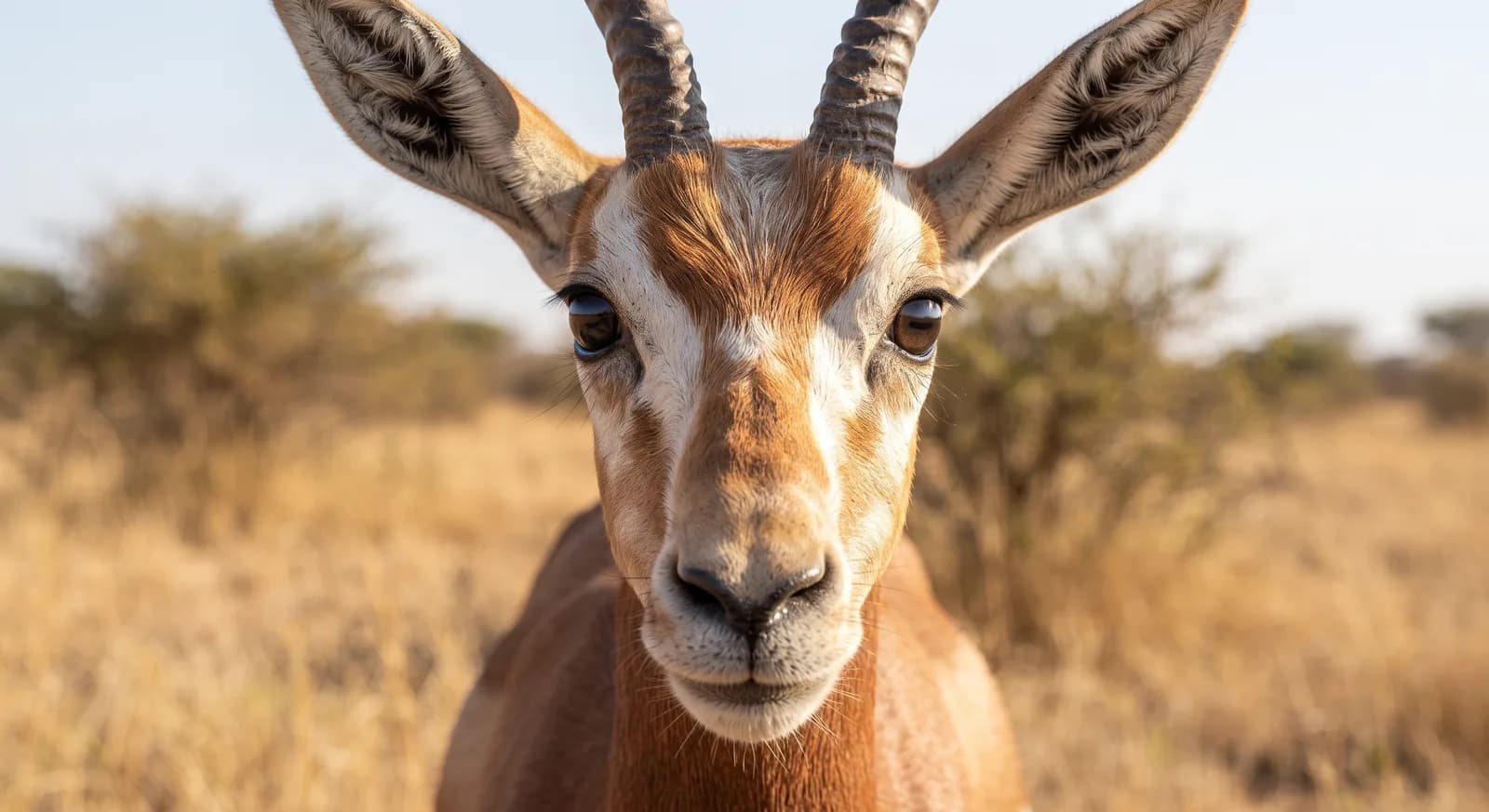
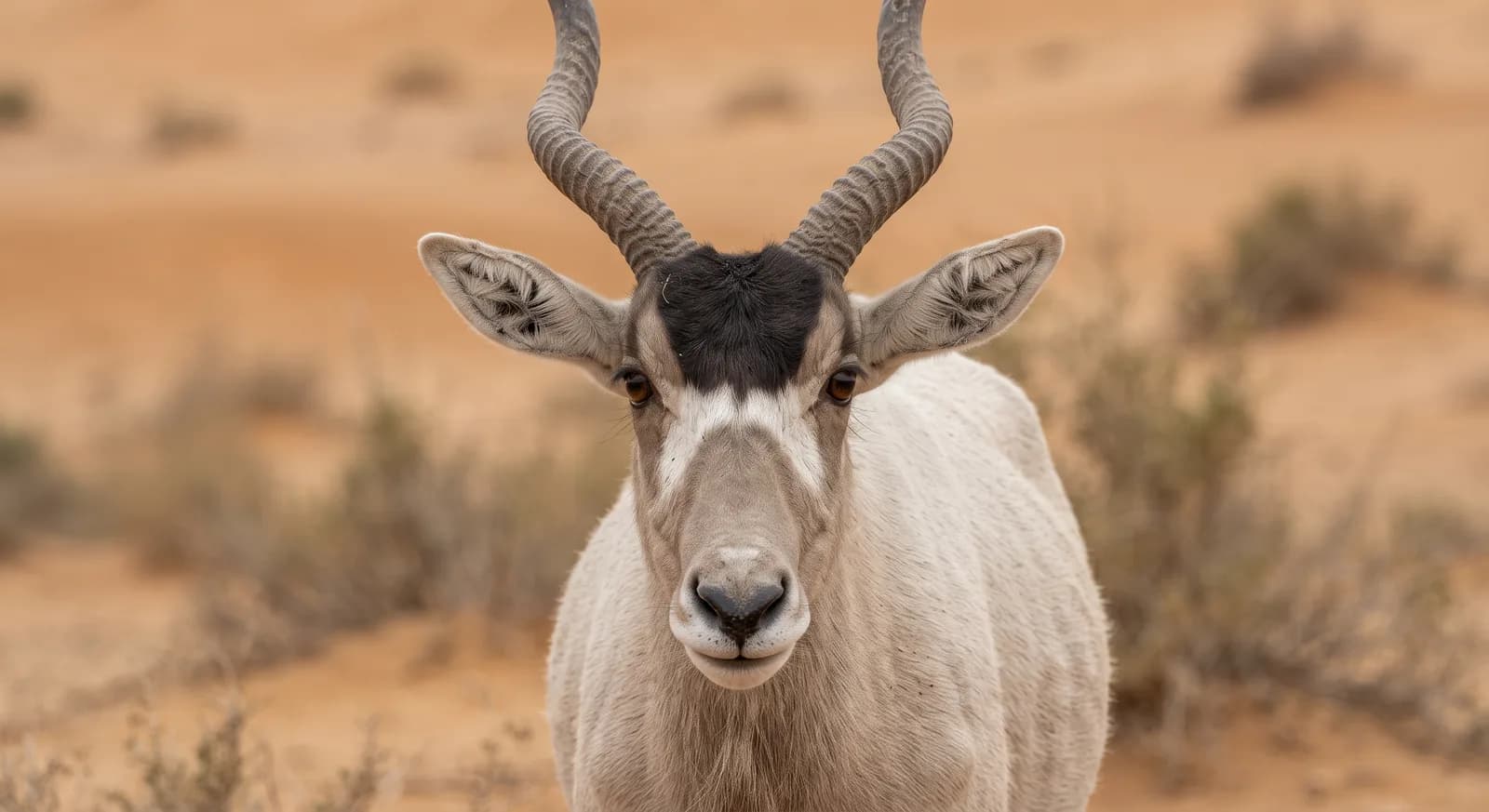
Addax
Addax nasomaculatus
Africa
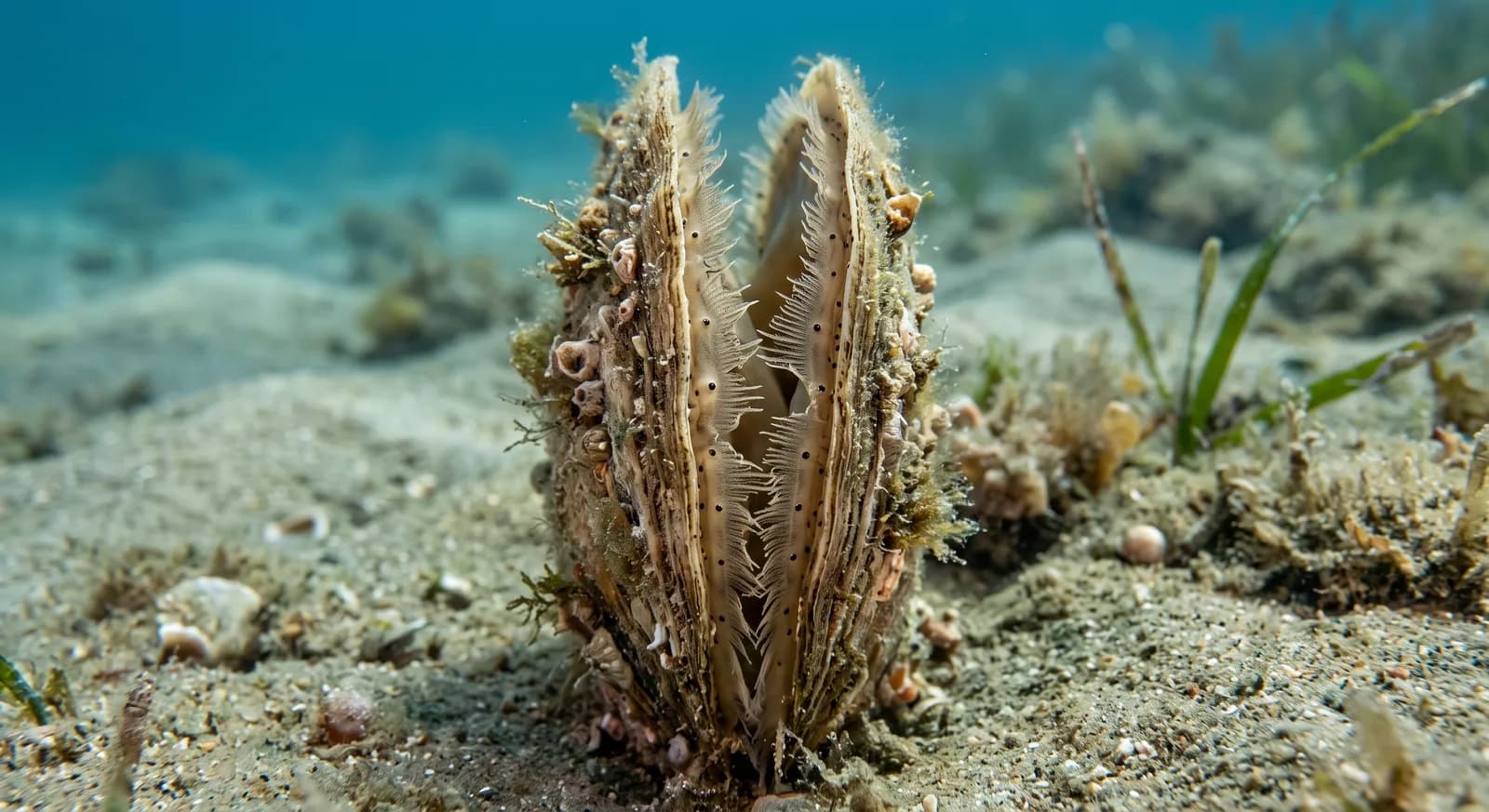
Tunisia is the smallest of the Maghreb countries and yet, in less than eight hundred kilometres, it runs the whole way from humid Mediterranean woodland to desert. To the north, the Kroumiria keeps cork oak and marcescent oak woods with Barbary stag and wild boar; the centre opens into steppe and great salt lagoons such as Chott el Djerid, and the south enters the Grand Erg Oriental. Lake Ichkeul is a case unique in the world: it receives fresh water in winter and salt water from the Mediterranean in summer, and that alternation sustains submerged meadows that feed hundreds of thousands of wintering waterbirds. In the Gulf of Gabès, the Posidonia seagrass meadows formed one of the largest fish nurseries in the Mediterranean, and the islets of Zembra hold an enormous colony of Scopoli's shearwater.
National animal: No official national animal; the dromedary and the fennec fox are the popular symbolic animals
The scimitar-horned oryx, a white antelope with very long curved horns that lived on the Sahelian steppes, became completely extinct in the wild in the 1980s. Tunisia was one of the first countries to return it to nature: in 1985 it released animals from European collections in Bou Hedma park, where they formed herds that have since served to restock other areas of North Africa.
Tunisia has been a key player in the reintroduction of Saharan antelopes extinct in the wild. The Gulf of Gabès suffers one of the most serious cases of marine degradation in the Mediterranean through phosphogypsum discharges.
Ichkeul between December and February for wintering geese and ducks. Bou Hedma in spring for oryx and gazelles. Zembra in summer, from the sea, for shearwaters.
Where else might I want to travel?
Same region: North Africa
Same region: North Africa
Same region: North Africa
Same region: North Africa
325 species found
Based on what we already know about Tunisia.