Skip to content
WAnimals
  • Map
  • Species
  • Parks
  • Diving
Log inCreate account
WAnimals

The guide for travellers and animal lovers: discover, plan and share your wild adventures around the world.

Discover wildlife

  • Species
  • Ecosystems
  • Glossary
  • Tags

Explore places

  • Map
  • Countries
  • Parks
  • Diving

Plan experiences

  • Guides

Learn

  • Blog

Resources

  • Help centre
  • Contact
  • Install the app

Follow us

Account

  • Log in
  • Create account

© 2026 WAnimals. All rights reserved.

About usHow we build our profilesTerms of servicePrivacyLegal notice
MapSpeciesParksDiving
  1. Home
  2. Species
  3. Red Coral

One of the 9 corals on WAnimals
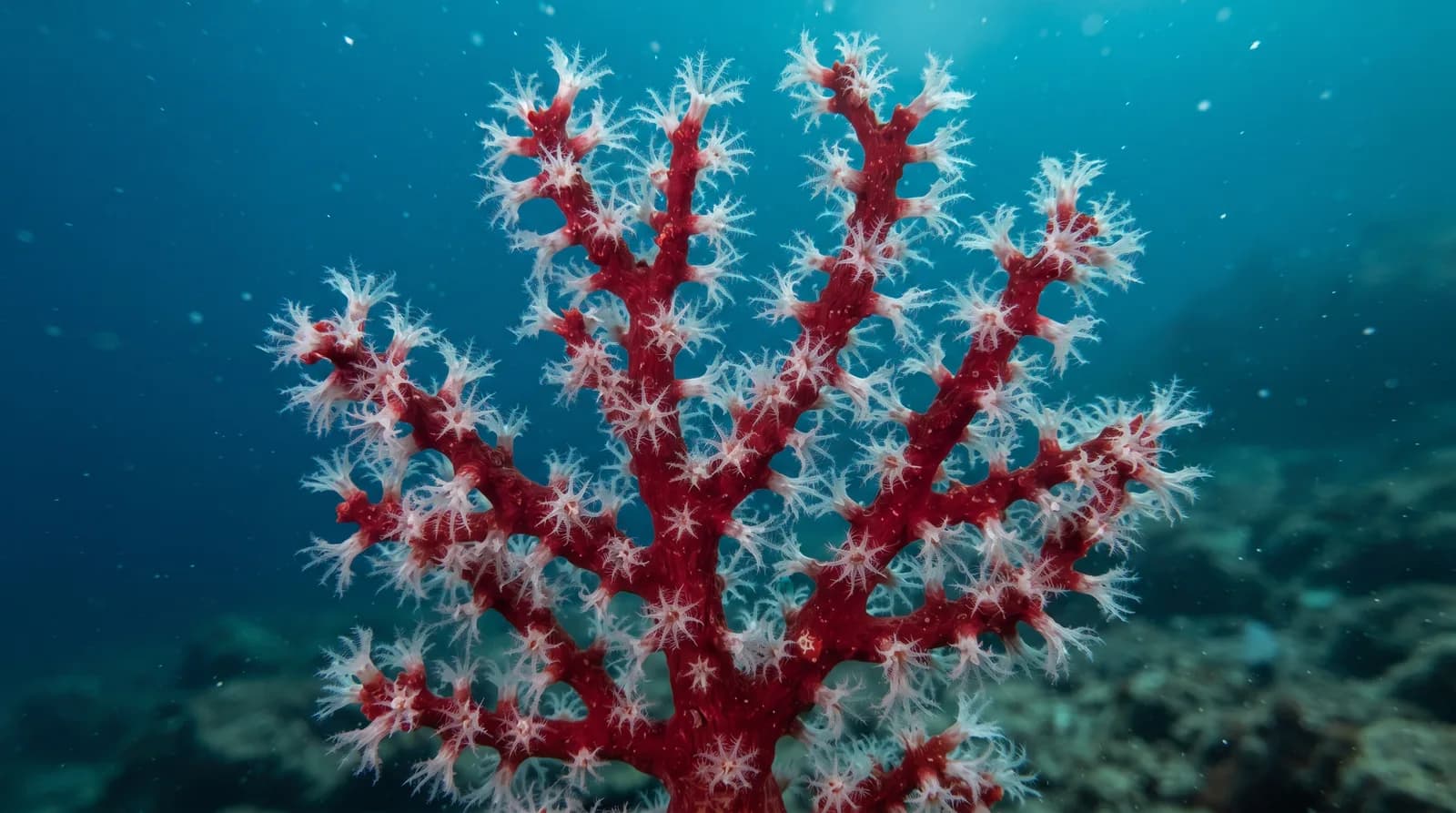
Red Coral (Corallium rubrum)

Anthozoans · Alcyonacea · Coralliidae

Red Coral

Corallium rubrum

Endangered

At very high risk of extinction in the wild in the near future.

Spotted something wrong?

Size

up to 50 cm

Life expectancy

100 years

Diet

Carnivore

Feeds mainly on other animals.
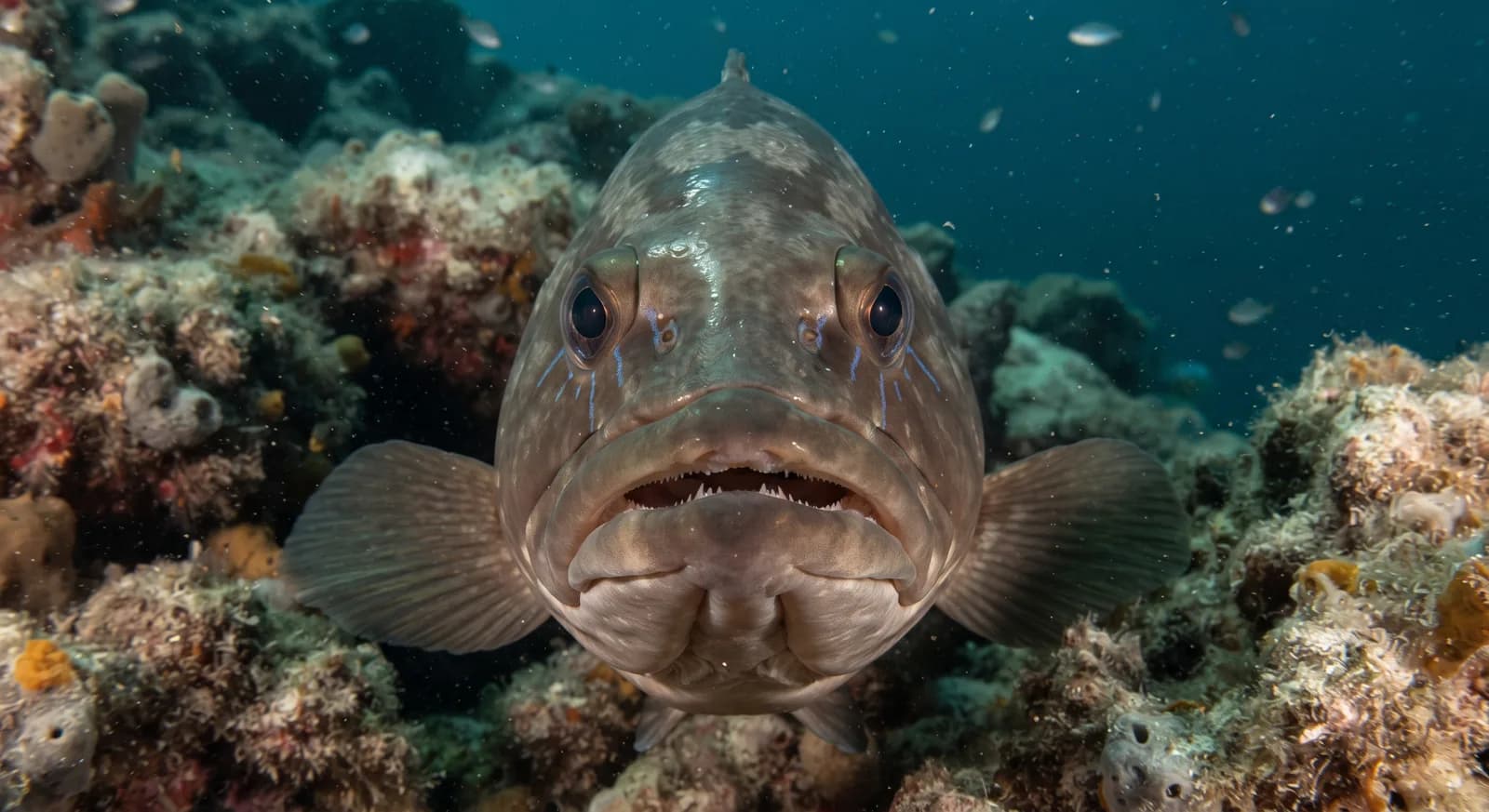
Social structure

Colony

Lives in large concentrations, often for breeding reasons.

Sighting difficulty

Hard

Ocean
29countries23parks65dive sites

AI-generated images: illustrations, not photographs.

Fun facts

  • GeneralIts red skeleton has been used in jewellery since antiquity; it grows less than 1 mm a year.
  • biologíaIt grows only a few millimetres a year, so a colony of moderate size may be several decades or even centuries old.
  • Its deep red skeleton makes it unique among octocorals: as well as the calcified sclerites they all have, it produces a fully calcified internal axis, and that is the red coral of the jewellery trade.
  • It grows astonishingly slowly, at around 0.23 millimetres a year, and can live for more than a century. That combination makes it especially vulnerable to harvesting.
  • It has been harvested since antiquity. The fishery peaked in the nineteenth century, when a heavy wooden cross hung with nets — the St Andrew's cross — was dragged along the bottom to entangle and tear off the colonies.
  • No intact shallow-water population is known today. The discovery in 2010 of an unexplored cave in Corsica with a hundred times more biomass than anywhere else forced a rethink of what its natural state had been: before exploitation it lived at high densities and with many century-old colonies even in shallow water.
  • In Portugal it was harvested between the thirteenth and eighteenth centuries until the fishery collapsed, and it went unrecorded for 300 years. It reappeared recently between 60 and 100 m, and poaching came with it: tens of kilos a day.
  • It is listed in Annex V of the Habitats Directive and in the Barcelona and Bern conventions.

Life cycle and biology

Habitat and environment
Rocky bottoms and caves of the Mediterranean (30-200 m)
Sexual maturity
First breeding between 7 and 10 years old

Sources consulted: Linneo (1758); Lista Roja de la UICN (Otero et al., 2017); Boavida et al. (2016), PLOS ONE; Garrabou et al. (2017), Scientific Reports

Where to find it

Loading map…

Where to see it

Parks and dive sites where this species has been documented — showing 20 of 88.

Related species

Other species in the catalogue with the most in common with Red Coral — same habitat, park, country, tags or family.

Shares a park
Shares a park
Shares a park
Shares a park
Shares a park
Shares a park

How to help

The red coral is classified as endangered. Organisations such as the IUCN, WWF and the Wildlife Conservation Society work specifically on its conservation and that of its habitat; looking into their programmes is a good starting point if you want to get involved.

It's documented in 13 protected areas — one reason why protecting these places matters for its conservation.

Related guides

Keep exploring

Based on what we already know about red coral.

Comments

Share an experience, a fun fact or a tip for seeing the red coral.

Be the first to comment.

See full glossary
This page in other languages: Español · Deutsch · Français · Português · Italiano

The pins mark the parks and dive sites where its presence is documented.

See its range on the interactive map→
CalanquesFrance
Cinque TerreItaly
Alonissos and the Northern SporadesGreece
Majjistral ParkMalta
Port-CrosFrance
Cabrera ArchipelagoSpain
Dilek YarımadasıTürkiye
BrijuniCroatia
KornatiCroatia
MljetCroatia
Zenobia WreckCyprus
Medes IslandsSpain
Cap de CreusSpain
Zakynthos (loggerhead turtle)Greece
Kastellorizo (Blue Cave)Greece
Malta (Blue Hole Gozo / Um El Faroud)Malta
Tavolara (Sardinia)Italy
Plemmirio Marine Reserve (Sicily)Italy
Vis Island (wrecks)Croatia
Kornati IslandsCroatia
See all 23 parks
See all 65 dive sites
Endangered

Shortfin Mako

Isurus oxyrinchus

Dusky PerchEndangered

Dusky Perch

Epinephelus marginatus

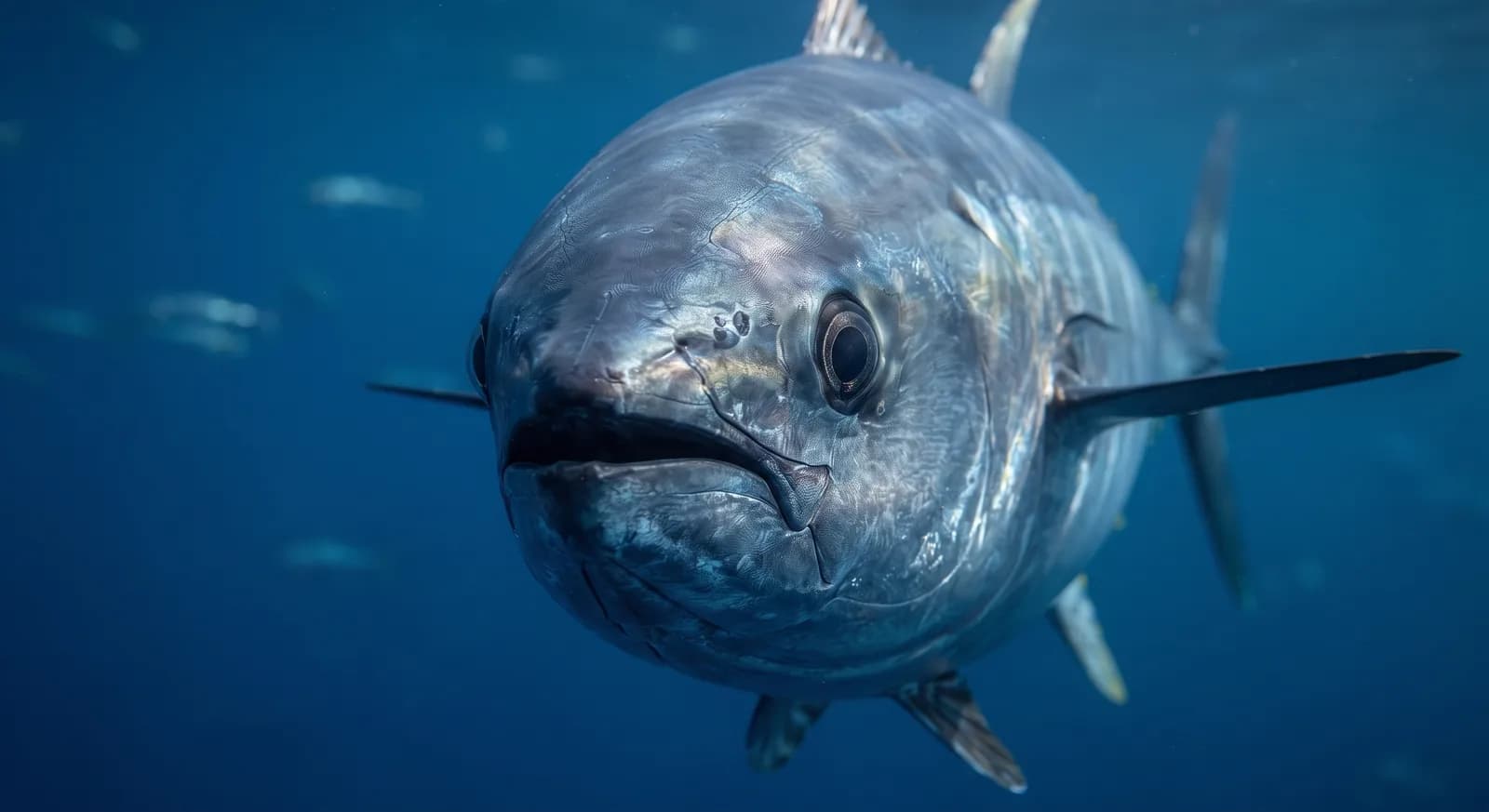
Atlantic Bluefin TunaEndangered

Atlantic Bluefin Tuna

Thunnus thynnus

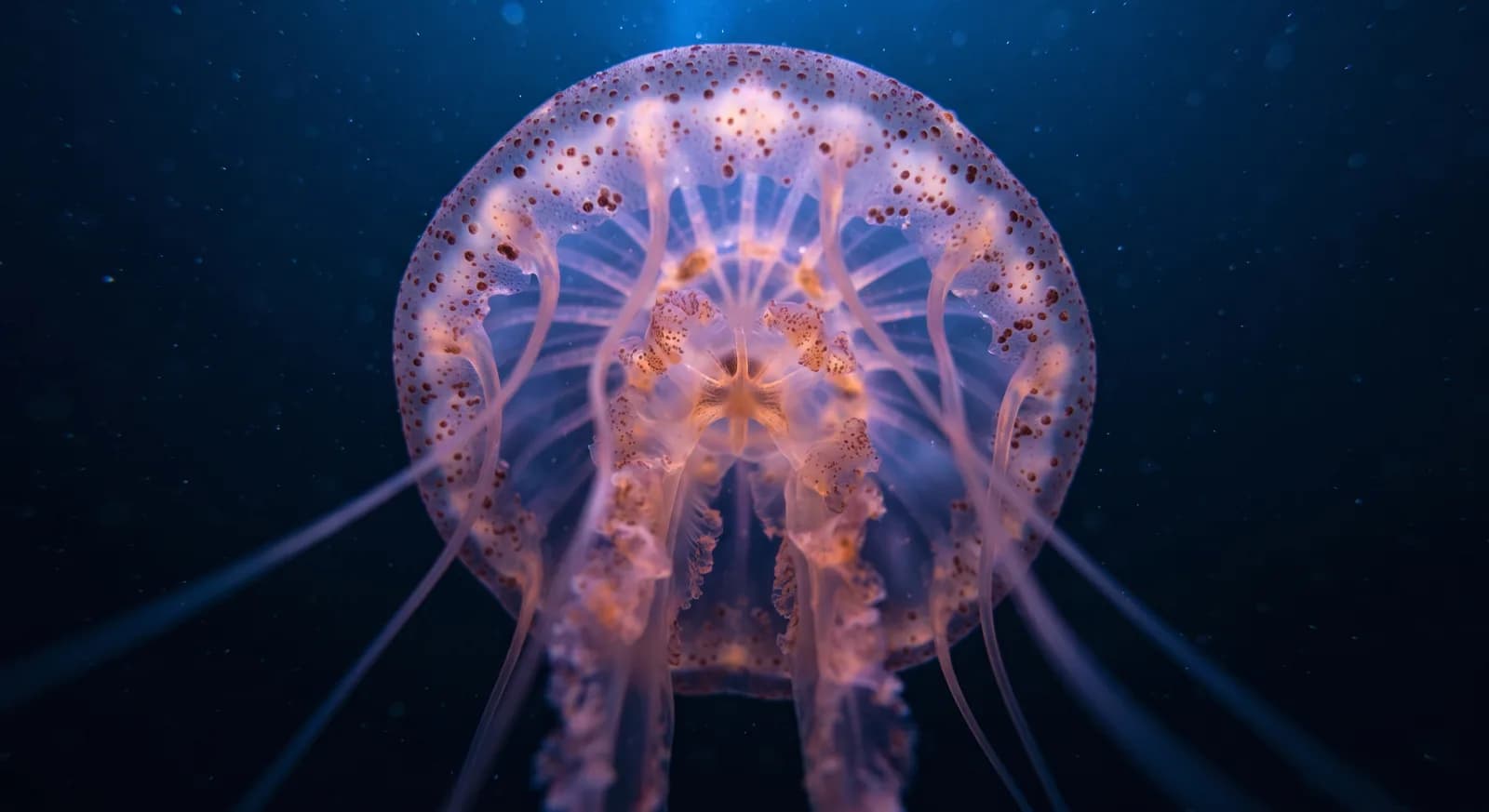
Mauve StingerNot Evaluated

Mauve Stinger

Pelagia noctiluca

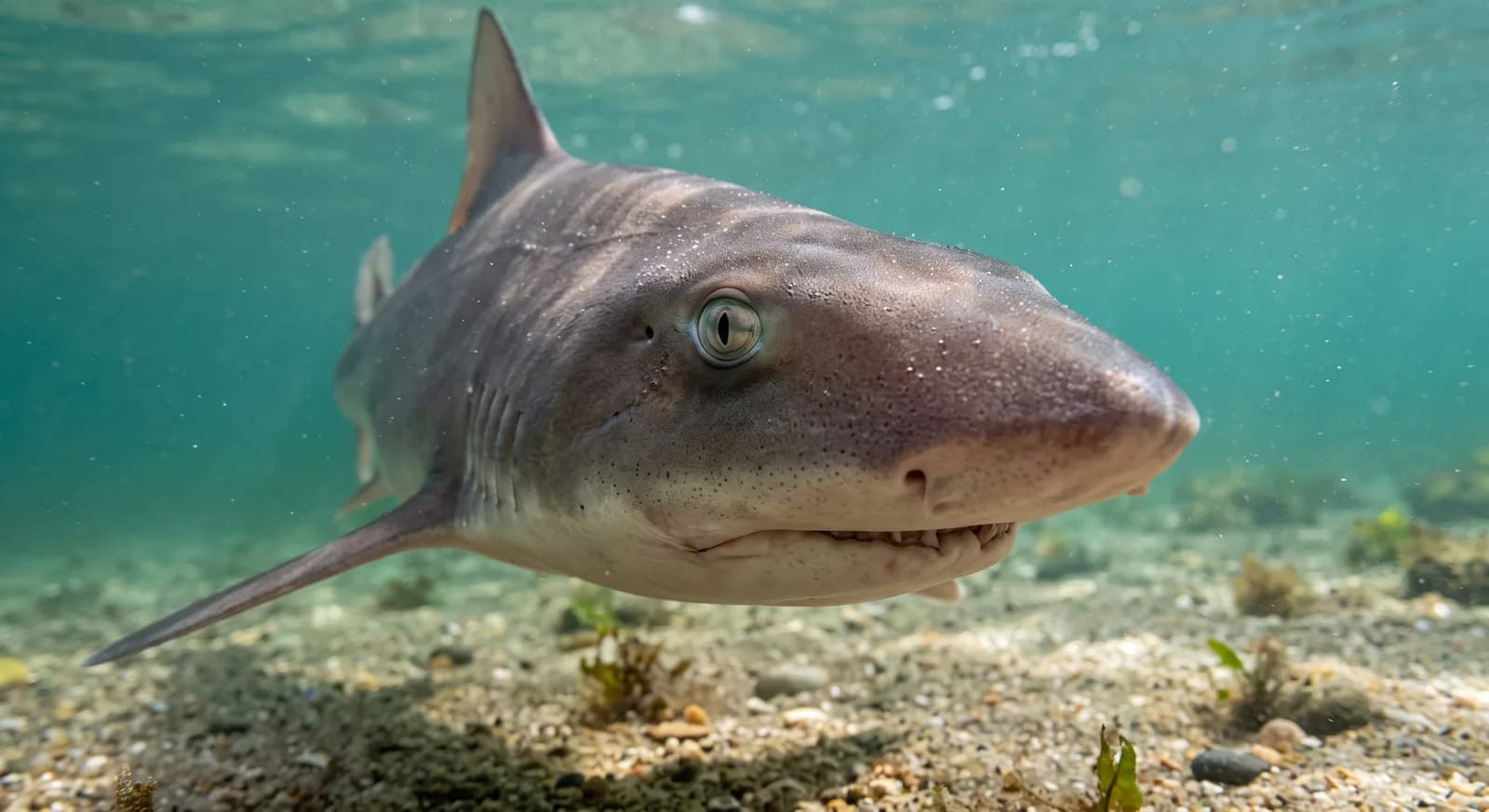
Smooth-houndEndangered

Smooth-hound

Mustelus mustelus

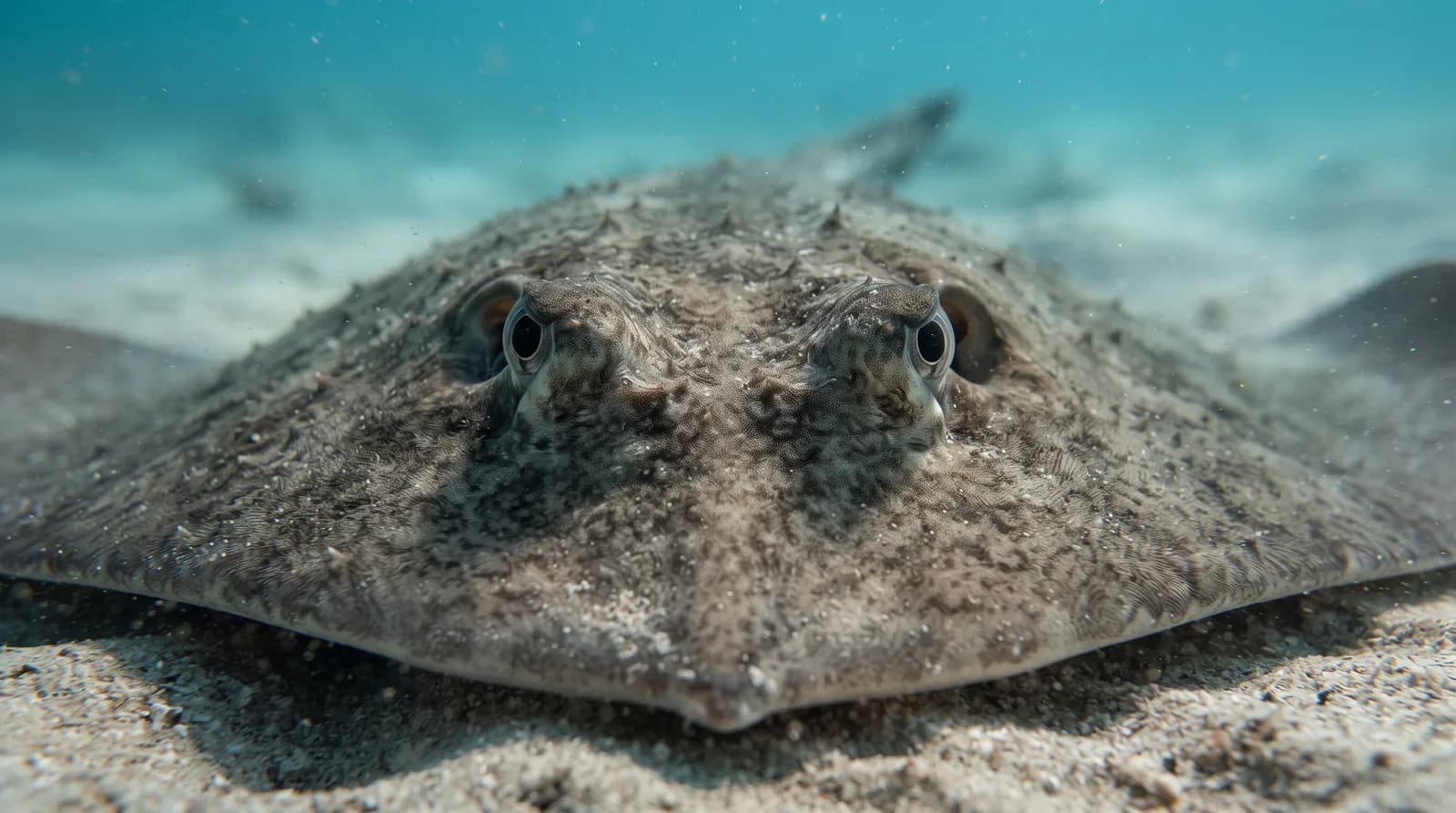
Spiny Butterfly RayEndangered

Spiny Butterfly Ray

Gymnura altavela

Where to dive with Red Coral21 places
CountriesItaly
ParksCalanquesFrance
TagsCarnivore
Carnivore
Colonial
Endangered
Ocean
Cnidarian
Coral

Europe17

Africa6

Asia6

Italy
Greece
Spain
Croatia
France
Malta
Albania
Bosnia and Herzegovina
Bulgaria
Croatia
Cyprus
France
Gibraltar
Greece
Italy
Malta
Monaco
Montenegro
Portugal
Romania
Slovenia
Spain
Ukraine
Algeria
Cabo Verde
Egypt
Libya
Morocco
Tunisia
Georgia
Israel
Lebanon
Palestine
Syria
Türkiye