Skip to content
WAnimals
  • Map
  • Species
  • Parks
  • Diving
Log inCreate account
WAnimals

The guide for travellers and animal lovers: discover, plan and share your wild adventures around the world.

Discover wildlife

  • Species
  • Ecosystems
  • Glossary
  • Tags

Explore places

  • Map
  • Countries
  • Parks
  • Diving

Plan experiences

  • Guides

Learn

  • Blog

Resources

  • About us
  • How we build our profiles
  • Help centre
  • Contact
  • Install the app

Follow us

Account

  • Log in
  • Create account

© 2026 WAnimals. All rights reserved.

Terms of servicePrivacyCookiesLegal notice
MapSpeciesParksDiving
  1. Home
  2. Species
  3. Spiny Butterfly Ray

One of the 6 rays on WAnimals

Spiny Butterfly Ray (Gymnura altavela)

Cartilaginous fish · Myliobatiformes · Gymnuridae

Spiny Butterfly Ray

Gymnura altavela

Endangered

At very high risk of extinction in the wild in the near future.

Spotted something wrong?

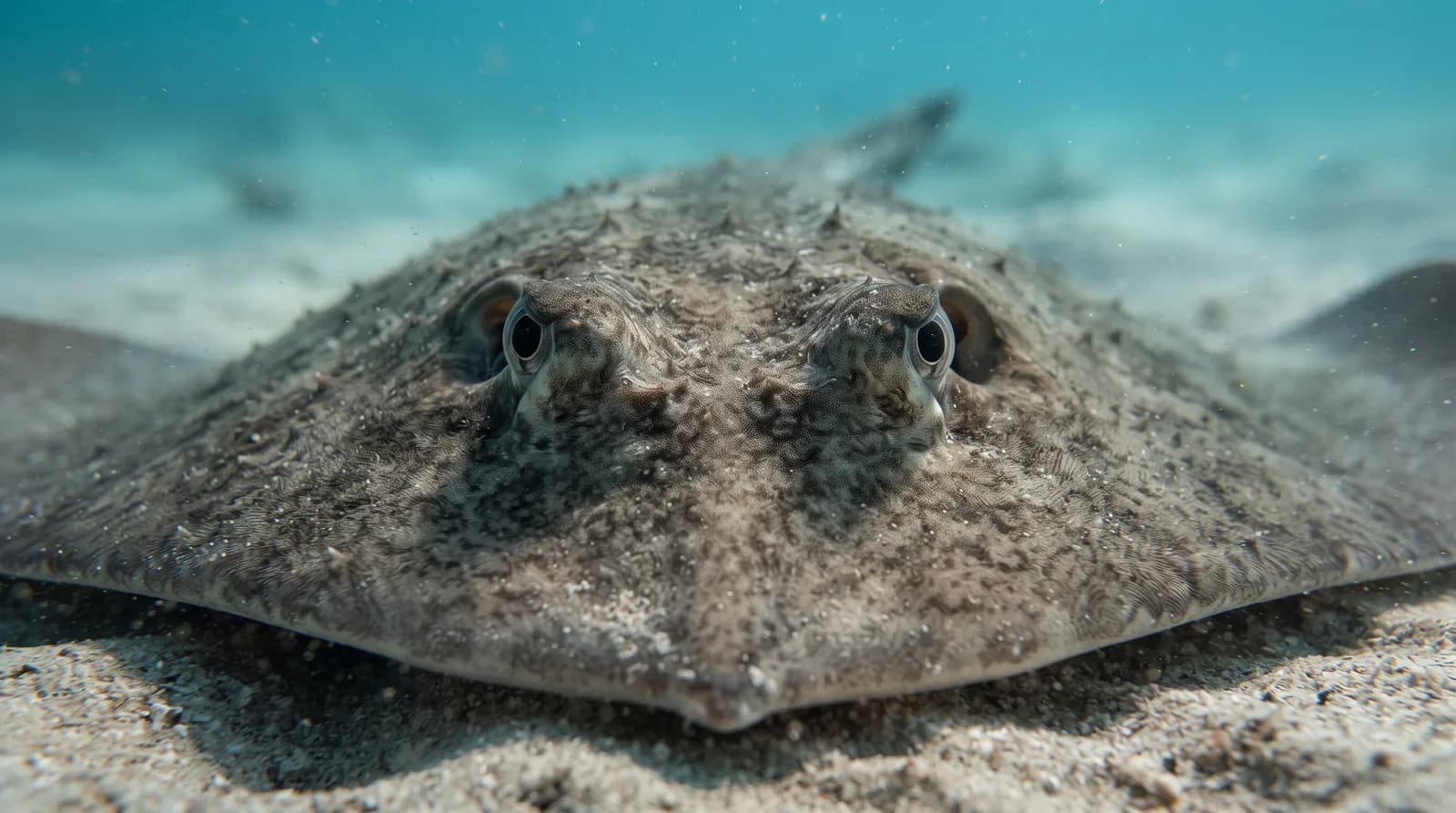
The spiny butterfly ray, its disc far wider than it is long and its tail very short, can exceed two and a half metres across. It lives half-buried in sandy bottoms of shallow coastal waters and hunts fish and crustaceans.

Size

1 m – 2.6 m

Diet

Carnivore

Feeds mainly on other animals.

Social structure

Solitary

Lives and hunts alone, joining others only to breed.
20countries23parks22dive sites

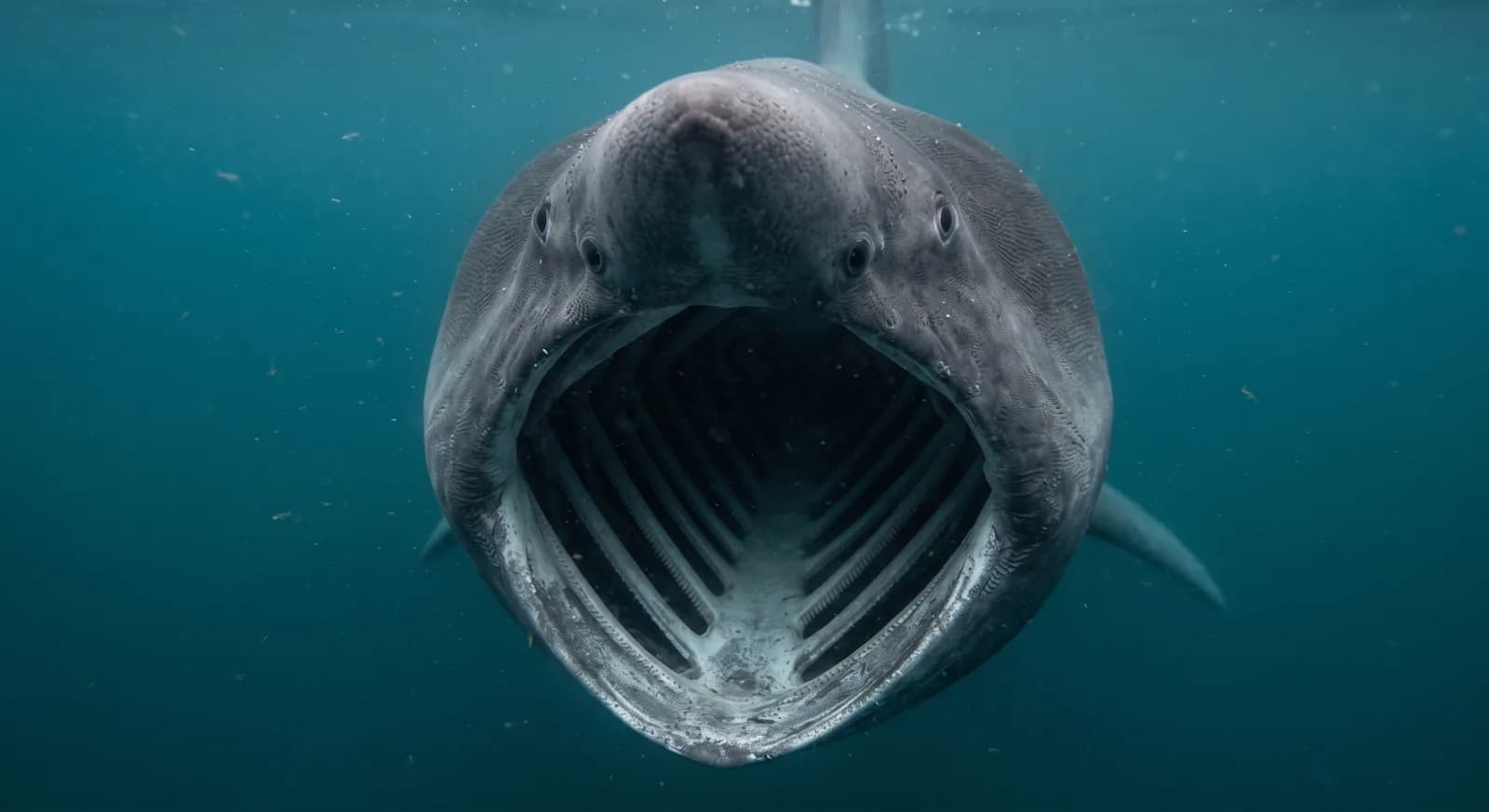
AI-generated images: illustrations, not photographs.

Fun facts

  • The IUCN listed it in 2021 as Endangered globally and Critically Endangered in Europe and the Mediterranean, because of the decline of its populations under fishing pressure and habitat destruction.
  • It is ovoviviparous: the embryos develop inside the mother, feeding first on the yolk and then on a uterine secretion, and are born fully formed after about six months.
  • It is told apart from the smooth butterfly ray by the spine at the base of the tail and by a small fleshy appendage on the edge of each spiracle.
  • Its disc is roughly twice as wide as it is long, a silhouette it shares with no other ray in the Mediterranean.
  • It is told apart from the smooth butterfly ray by the sting at the base of its tail and by a small tentacle-like appendage on the rim of each spiracle.
  • In the Mediterranean its decline exceeds 80% over two decades, and it was thought to have vanished from the Adriatic: there were no modern records until a gravid female turned up in Albania in 2022, the first documented case in the northern Mediterranean.
  • Between 2022 and 2023 five more records were added in Albania and Croatia, which has reopened conservation work in the area.
  • Old specimens reached 400 cm in disc width; those caught in the Mediterranean today rarely exceed 110.

Life cycle and biology

Skeleton type
Vertebrate - cartilaginous skeleton (chondrichthyan)
Habitat and environment
Sandy and muddy bottoms of warm coastal waters of the Atlantic, the Mediterranean and the Black Sea
Gestation / incubation
About 6 months of gestation
Litter / clutch size
From 2 to 7 young per litter

Sources consulted: Wikipedia (es): Gymnura altavela

Where to find it

Loading map…

Where to see it

Parks and dive sites where this species has been documented — showing 20 of 45.

Related species

Other species in the catalogue with the most in common with Spiny Butterfly Ray — same habitat, park, country, tags or family.

Shares a park
Shares a park
Shares a park
Shares a park
Shares a park
Shares a park

How to help

The spiny butterfly ray is classified as endangered. Organisations such as the IUCN, WWF and the Wildlife Conservation Society work specifically on its conservation and that of its habitat; looking into their programmes is a good starting point if you want to get involved.

It's documented in 16 protected areas — one reason why protecting these places matters for its conservation.

Keep exploring

Based on what we already know about spiny butterfly ray.

Share an experience, a fun fact or a tip for seeing the spiny butterfly ray.
See full glossary
Ocean
CarnivoreSolitaryEndangeredFishOcean
This page in other languages: Español · Deutsch · Français · Português · Italiano

The pins mark the parks and dive sites where its presence is documented.

See its range on the interactive map→
CalanquesFrance
Cinque TerreItaly
Alonissos and the Northern SporadesGreece
IchkeulTunisia
Banc d'ArguinMauritania
Port-CrosFrance
Cabrera ArchipelagoSpain
Ebro DeltaSpain
Ria FormosaPortugal
BeydağlarıTürkiye
Ilha GrandeBrazil
Arraial do CaboBrazil
Fernando de NoronhaBrazil
El Hierro / La RestingaSpain
Museo Atlántico (Lanzarote)Spain
Zakynthos (loggerhead turtle)Greece
Tavolara (Sardinia)Italy
Plemmirio Marine Reserve (Sicily)Italy
Columbretes IslandsSpain
Formentera (Es Freus)Spain
See all 23 parks
See all 22 dive sites
Endangered

Shortfin Mako

Isurus oxyrinchus

Basking SharkEndangered

Basking Shark

Cetorhinus maximus

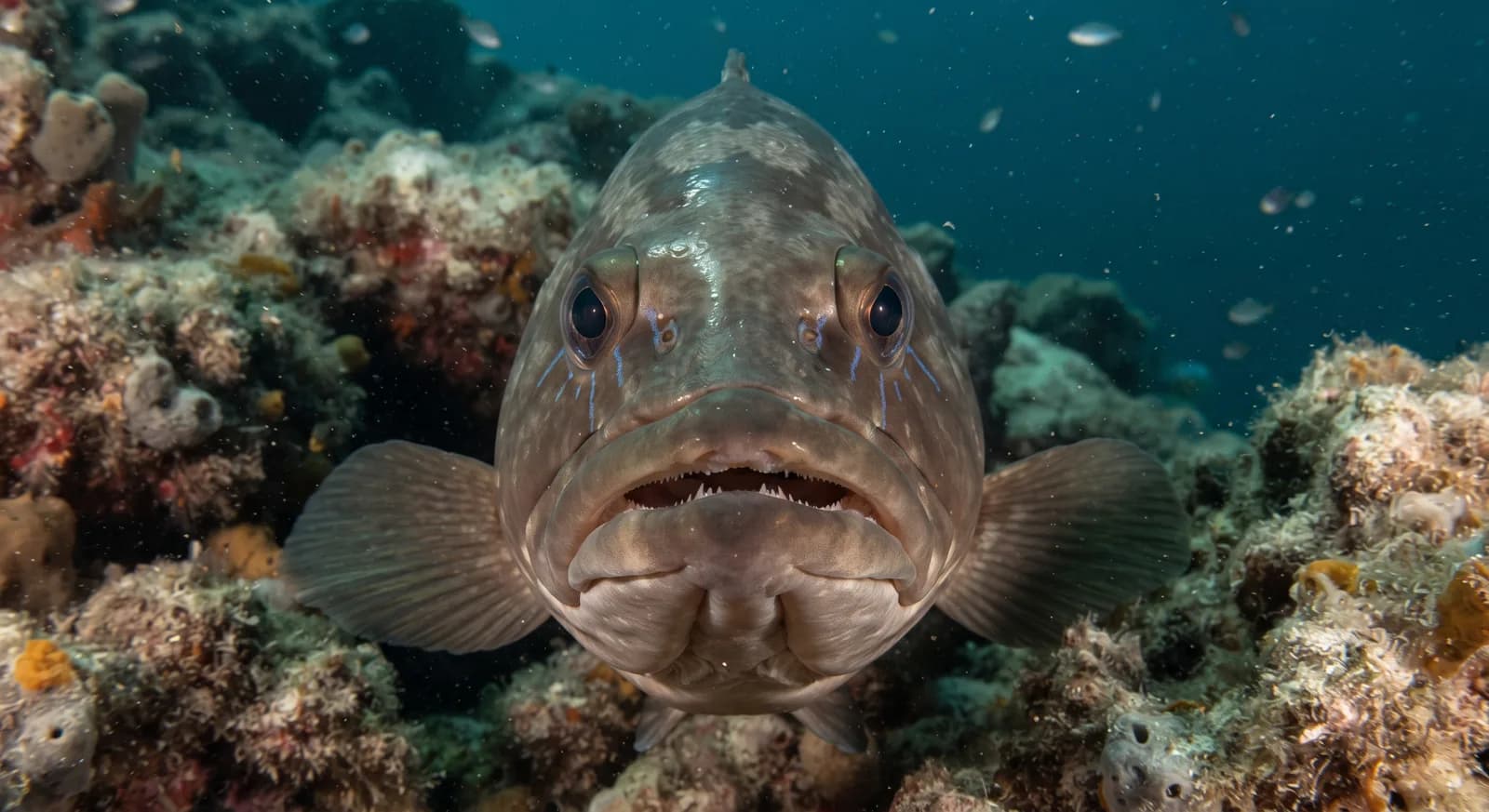
Dusky PerchEndangered

Dusky Perch

Epinephelus marginatus

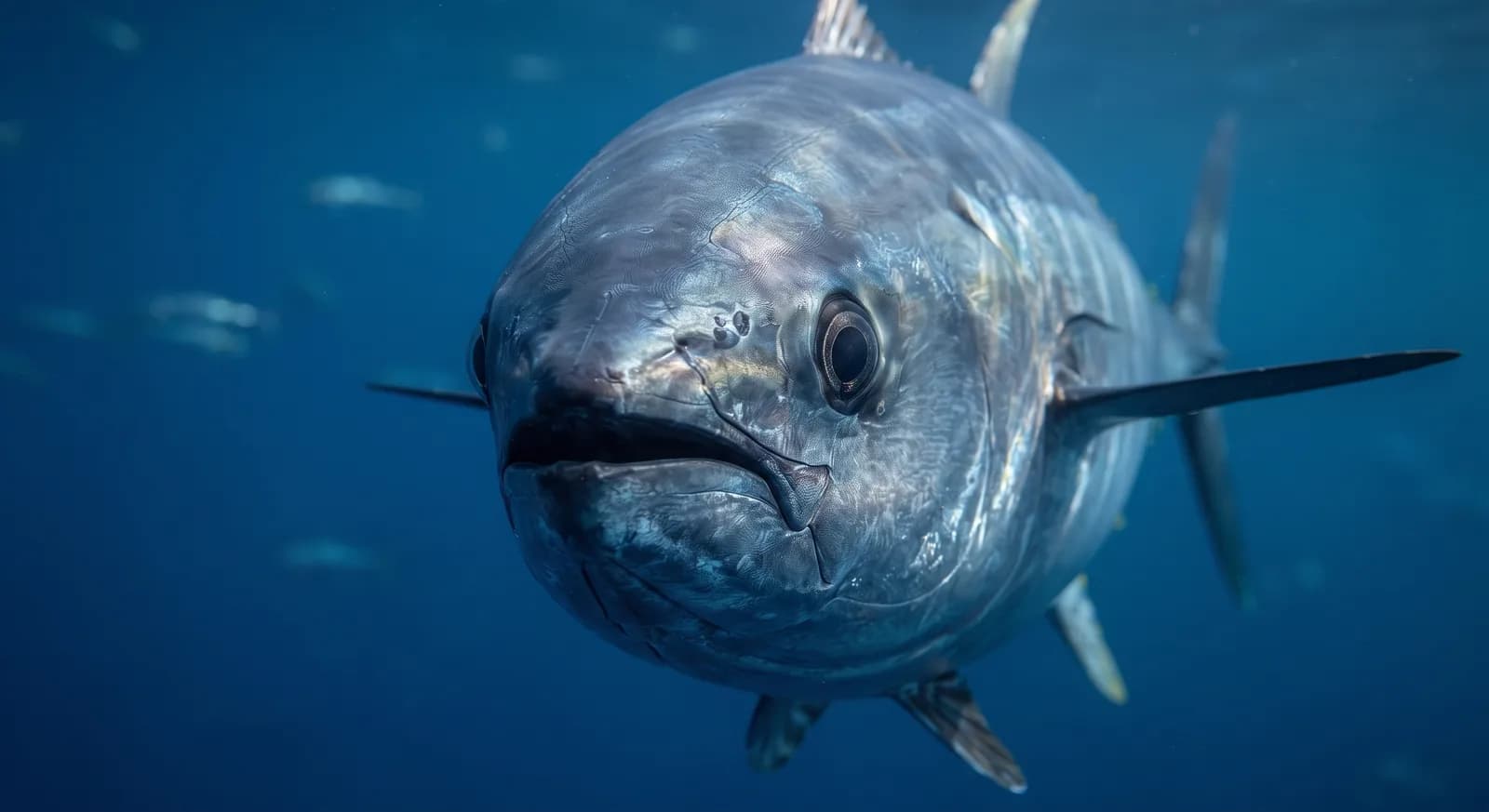
Atlantic Bluefin TunaEndangered

Atlantic Bluefin Tuna

Thunnus thynnus

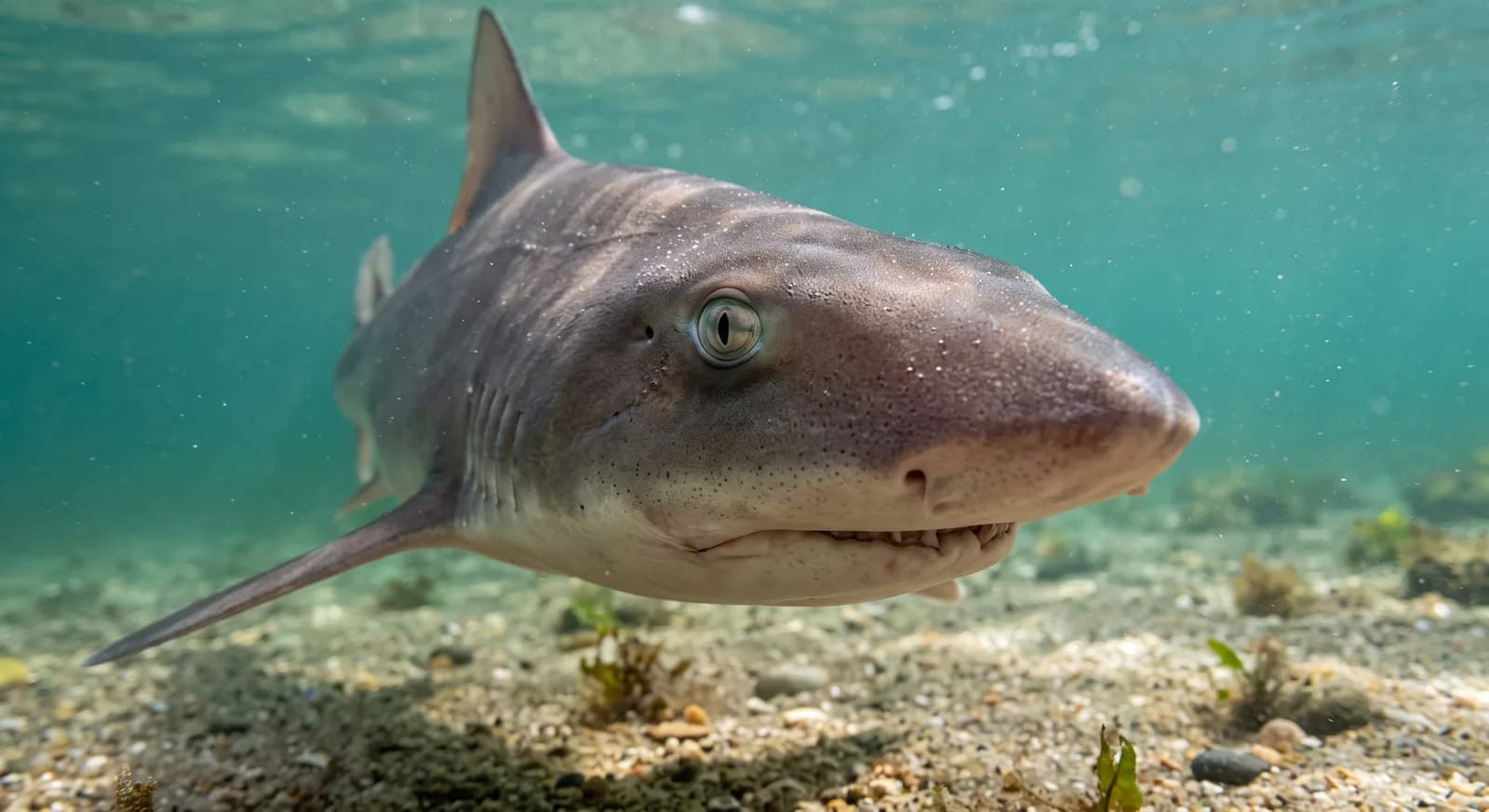
Smooth-houndEndangered

Smooth-hound

Mustelus mustelus

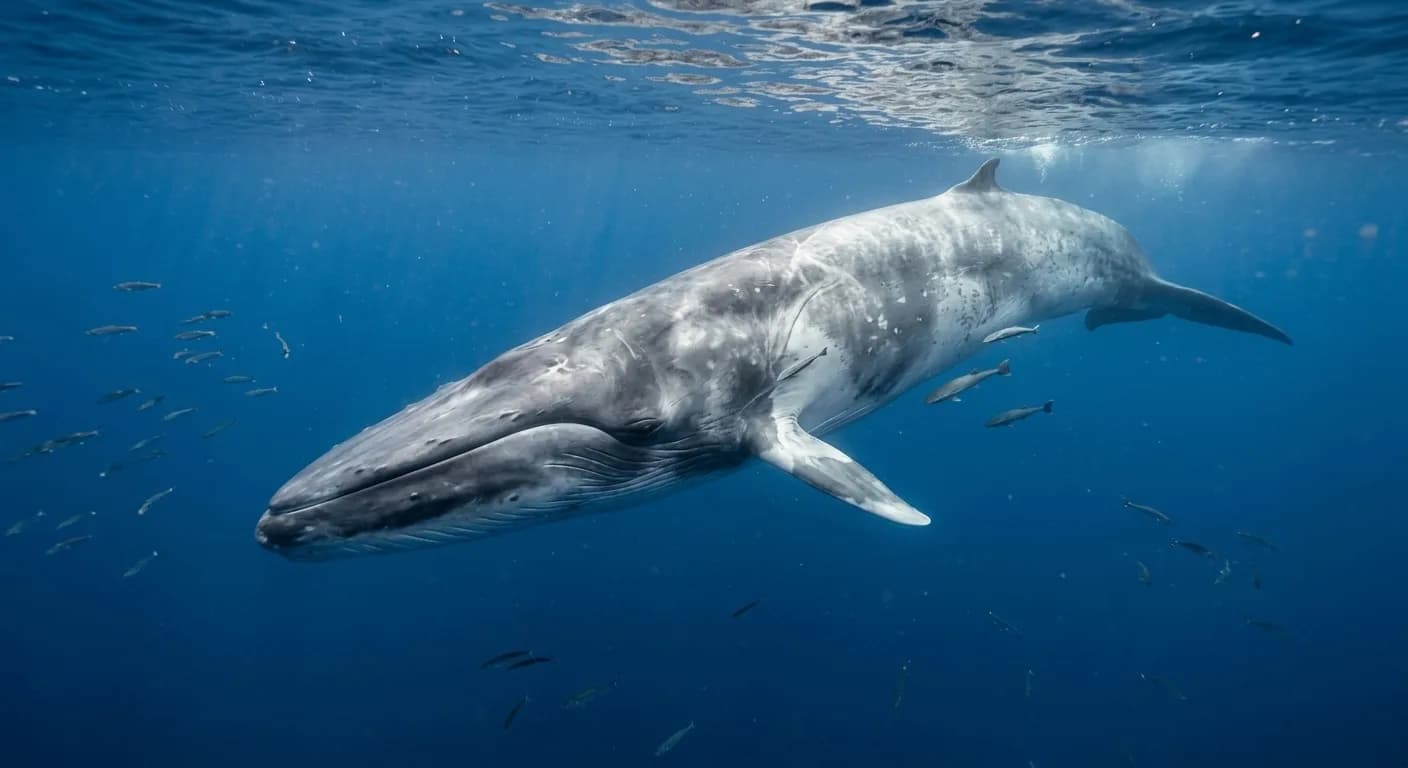
Fin WhaleEndangered

Fin Whale

Balaenoptera physalus

CountriesSpain
ParksCalanquesFrance
TagsCarnivore

Africa6

Europe5

South America5

North America3

Asia1

Spain
Italy
Brazil
Greece
France
Morocco
Algeria
Angola
Mauritania
Morocco
Senegal
Tunisia
France
Greece
Italy
Portugal
Spain
Argentina
Brazil
Colombia
Uruguay
Venezuela
Cuba
Mexico
United States
Türkiye