Endangered
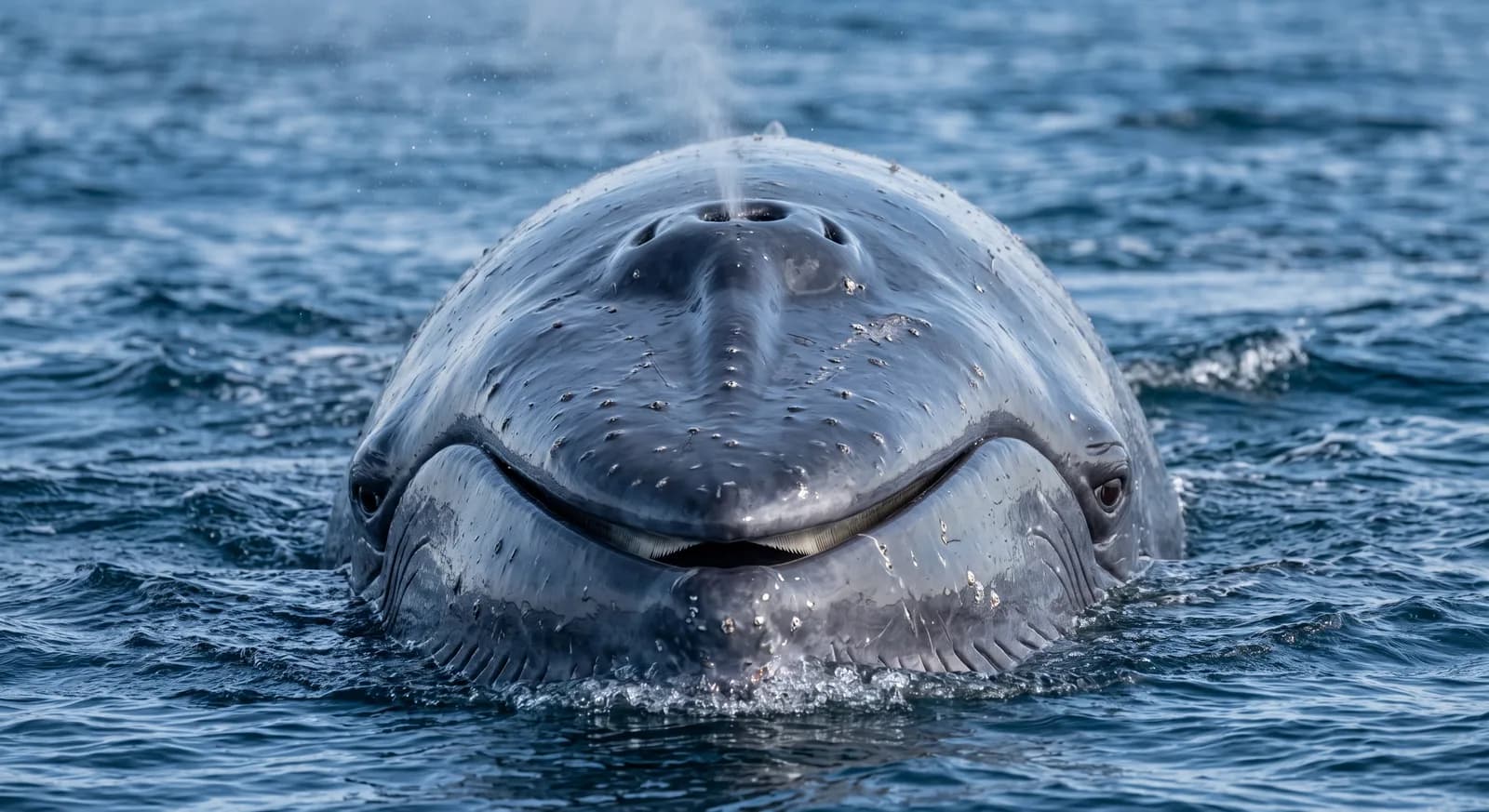
Blue Whale
Balaenoptera musculus
South America
Uruguay is a country of grassland: it has no mountains of any size and no rainforest, and its dominant landscape is the pampa, a sea of rolling grassland dotted with low ranges, butiá palm groves and riverside woodland following the courses of the rivers. That apparent uniformity conceals one of the most threatened and least protected ecosystems in the world, with an extremely high diversity of grasses and grassland birds in global decline. In the east, the Bañados del Este form an enormous system of wetlands, coastal lagoons and dunes declared a biosphere reserve, which serves as a wintering ground for migratory birds from both hemispheres. The Atlantic coast combines beaches, rocky points and islands where sea lions gather.
National animal: No official national animal; the southern lapwing, or tero, is the country's national bird
Isla de Lobos, off Punta del Este, holds one of the largest South American sea lion and South American fur seal colonies in the world, with tens of thousands of animals packed onto an islet of barely a few hectares. It was exploited for centuries for its skins and oil, first by the Spanish crown and later by the Uruguayan state, until hunting was finally banned in 1991 and the colony was protected.
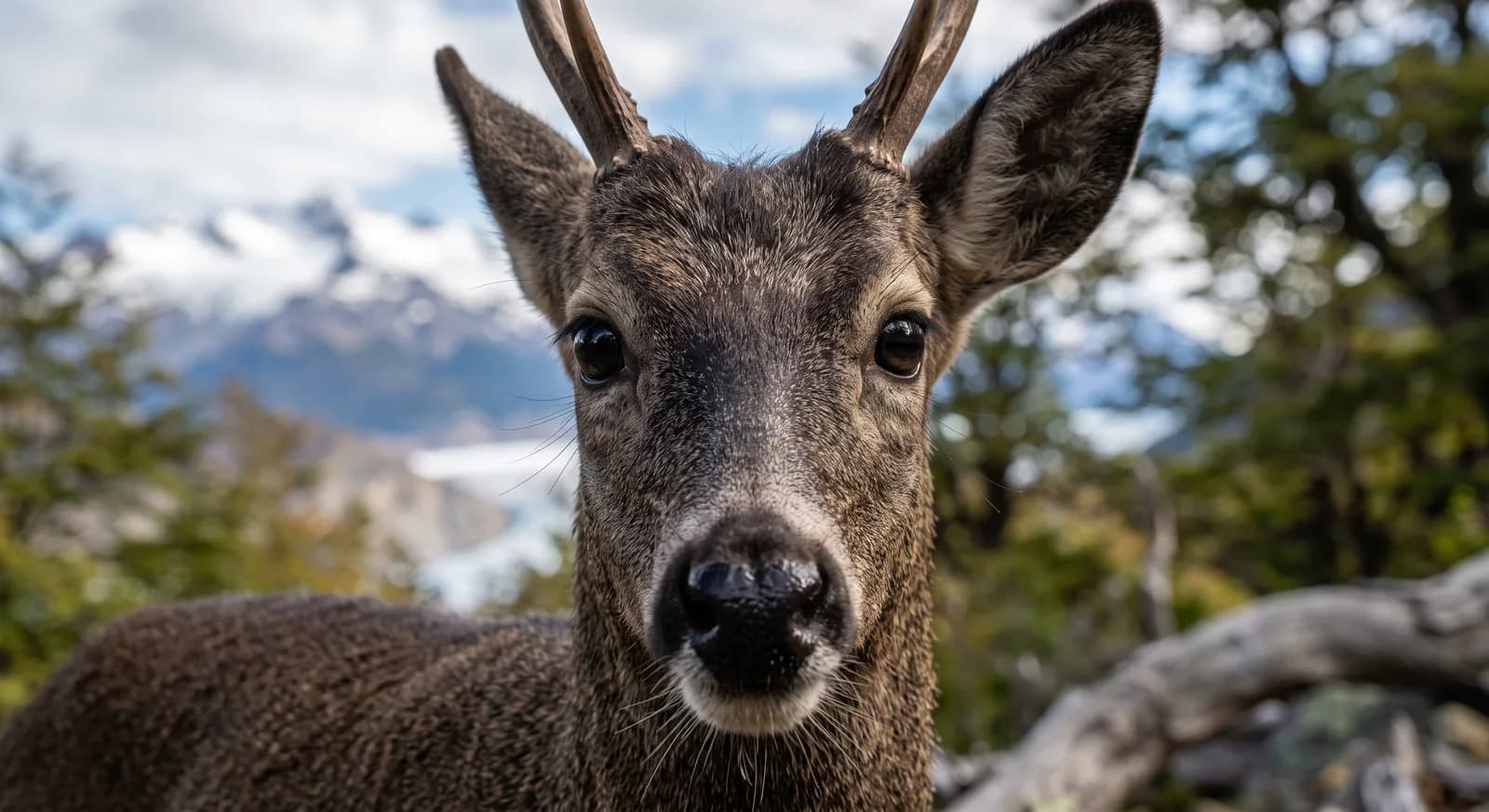
The pampas deer, once abundant across the whole pampa, survives in a few isolated populations on private land and in protected areas. The conversion of natural grassland to soya and forestry plantations is the country's main environmental transformation of recent decades.
The coast of Rocha and Maldonado between July and November for the southern right whale. Cabo Polonio year-round for sea lions. The Bañados del Este between October and March for migratory birds.
176 species found
Based on what we already know about Uruguay.