 Critically Endangered
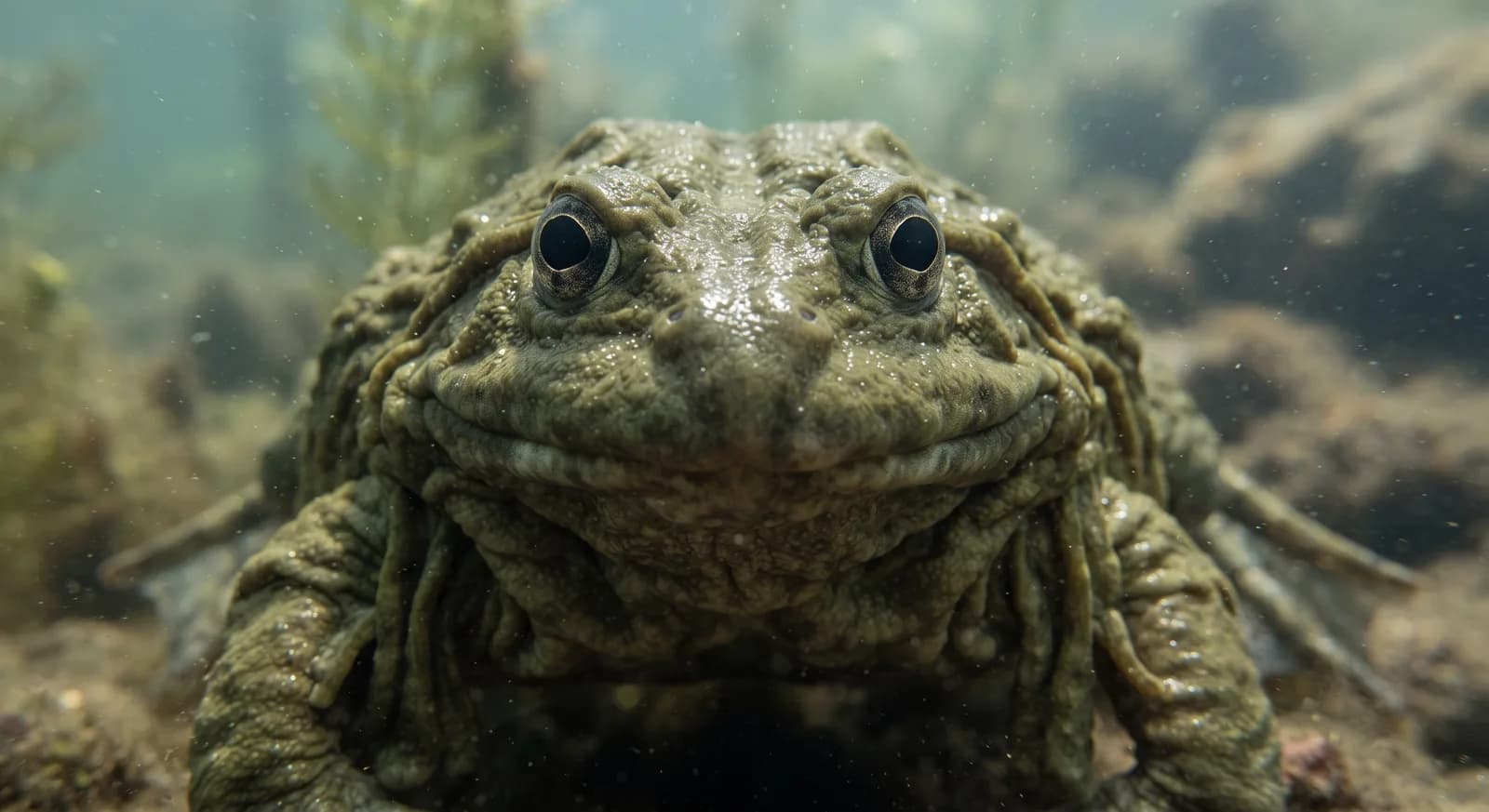
Titicaca Water Frog
Telmatobius culeus
South America
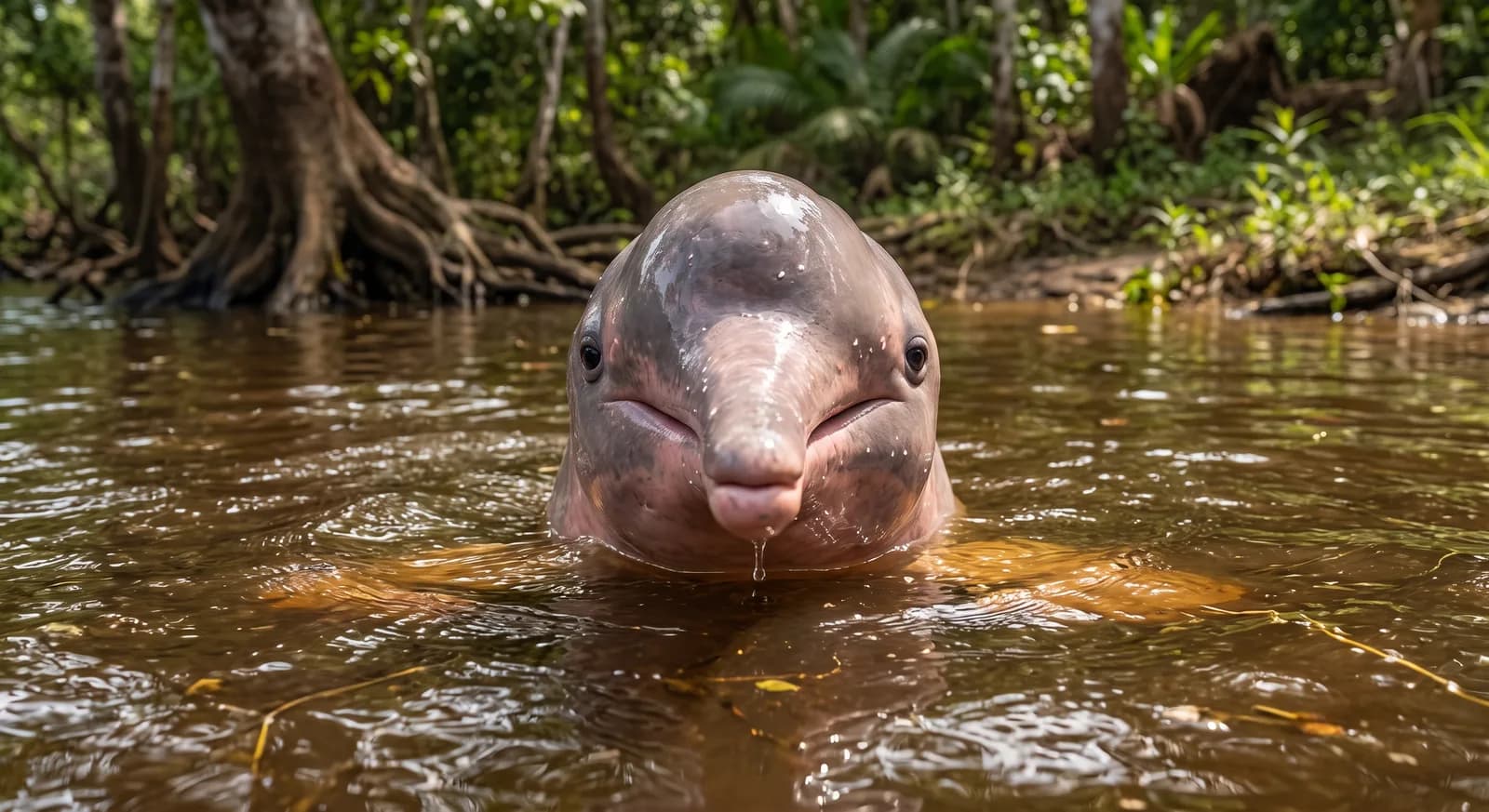
Bolivia runs from the Andean altiplano, at almost four thousand metres, to the Amazon lowlands of the north and the dry Chaco of the southeast, an altitudinal range that explains its enormous diversity. The Uyuni salt flat, the largest in the world, is the remnant of a prehistoric lake and turns into a perfect mirror when a thin film of water covers it after the rains. To the south lie high Andean lagoons, intensely coloured by minerals and algae, with flamingo colonies. The Yungas descend abruptly from the Andes to the Amazon in a gradient of cloud forests, and Madidi, which spans that entire descent, is regarded as one of the most biodiverse parks on the planet. The plains of the Beni combine seasonally flooded savannah, gallery forest and rivers with dolphins.
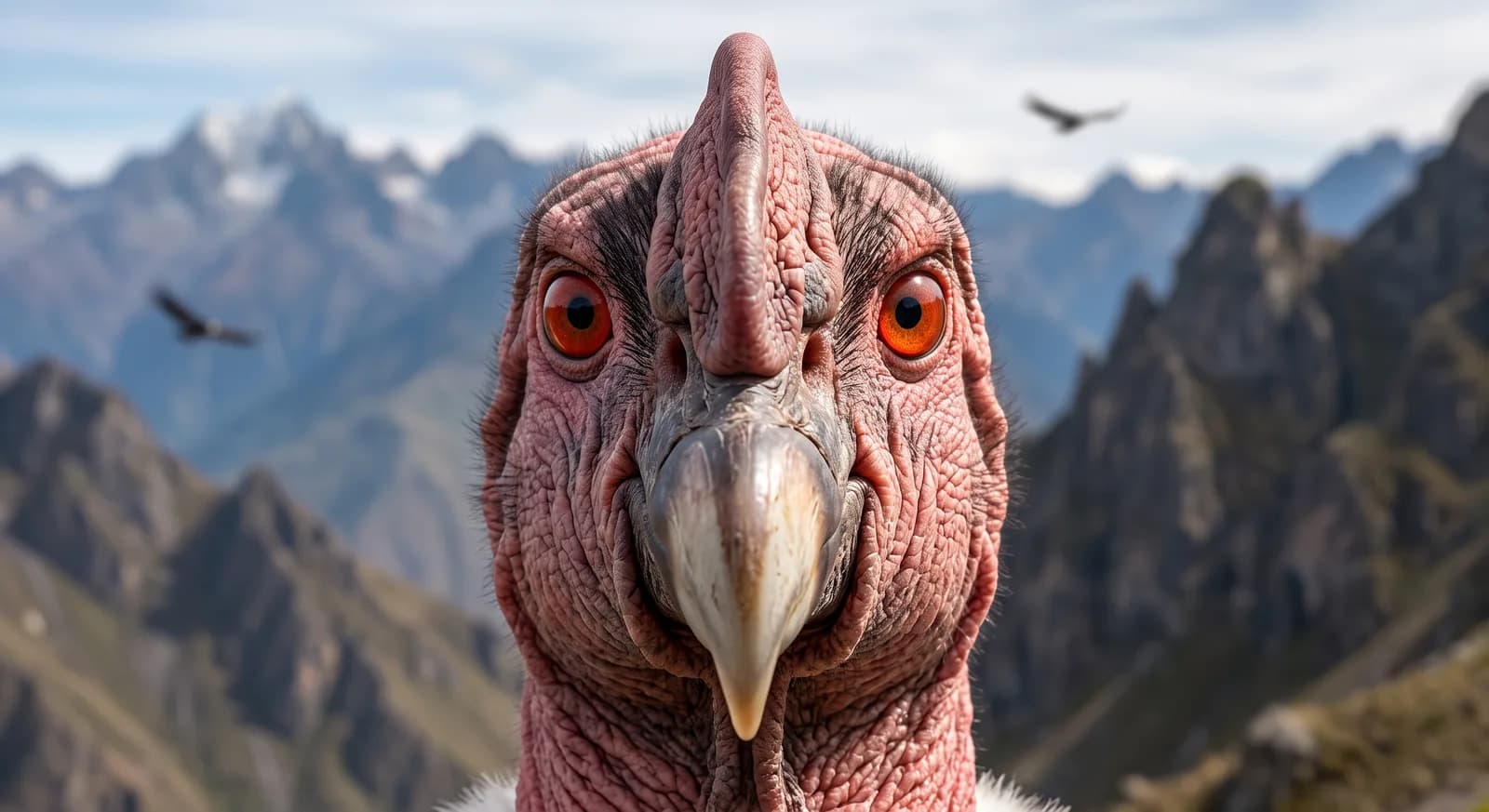
National animal: The llama is the national animal and the Andean condor the national bird
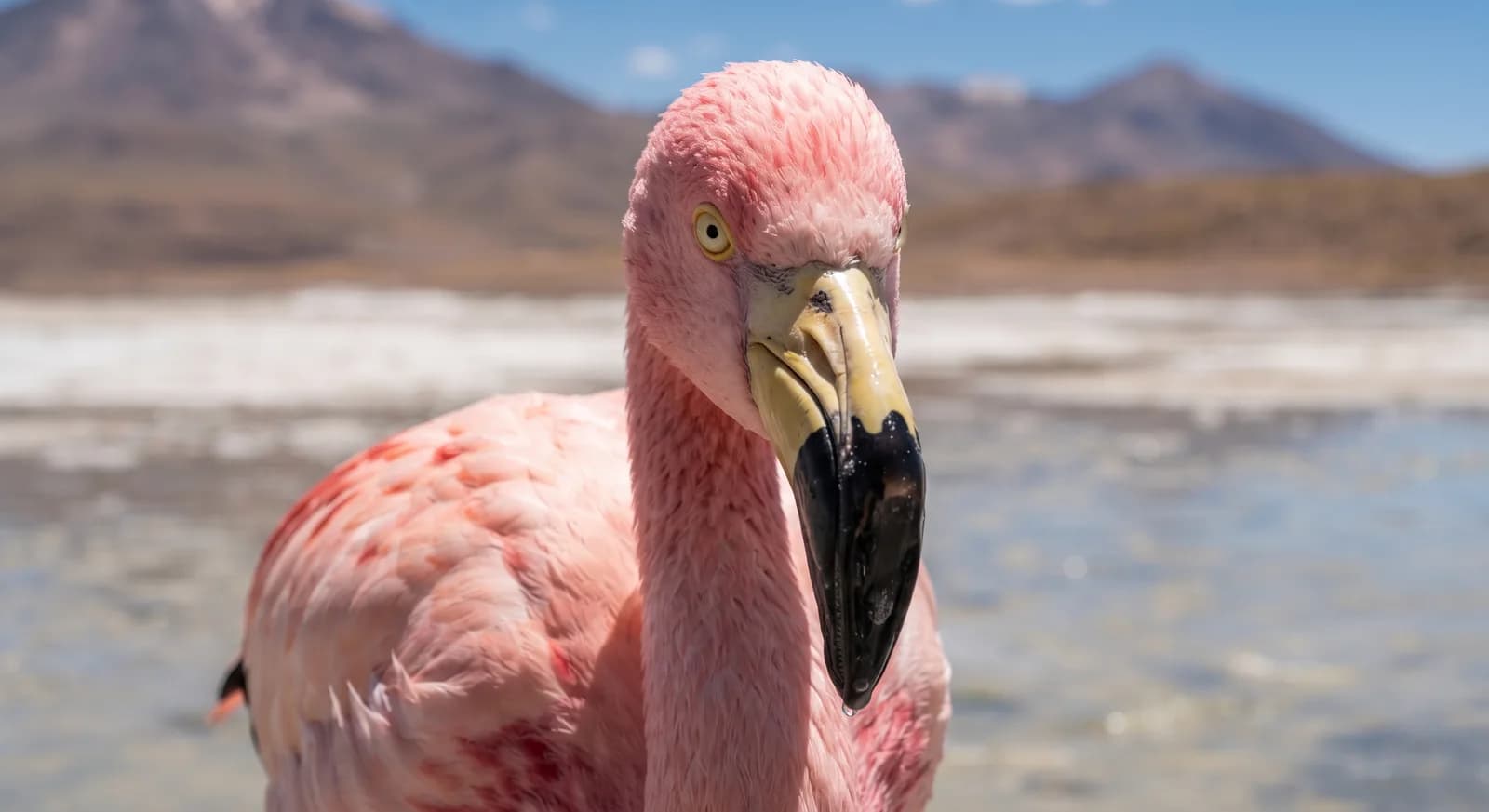
James's flamingo was believed extinct for decades, until in 1957 an expedition found it breeding on the salt lagoons of the altiplano, above four thousand metres, in a place so remote and so inhospitable that it had gone unnoticed. It filters microscopic diatoms with its bill from water that is near boiling in some spots and icy in others, and shares those lagoons with two other Andean flamingo species.
A systematic inventory carried out in Madidi between 2015 and 2018 identified more than a hundred species that are candidates to be new to science, reinforcing its standing as the most biodiverse protected area in the world. The blue-throated macaw, found only in the Beni, numbers a few hundred individuals and depends on the palms in which it nests.
The southwestern lagoons between December and April for flamingos. Madidi and Rurrenabaque in the dry season for Amazonian wildlife. The Beni year-round for river dolphins and savannah birds.
273 species found
Based on what we already know about Bolivia.