National Park
Kaa-Iya del Gran Chaco
Bolivia
 Bolivia
Chacoan Peccary · Jaguar
See parkThe "elbow of the Andes": the point where Amazonia, the Andes and the Chaco converge in a single park.
Area
4,425 km²
Designated in
1984
Region
Andes and the North
Three ecoregions converging at the elbow of the Andes
Amboró National Park was established in 1984 in the department of Santa Cruz, in central Bolivia, and protects some 4,425 km². Its territory had been protected as a reserve since 1973.
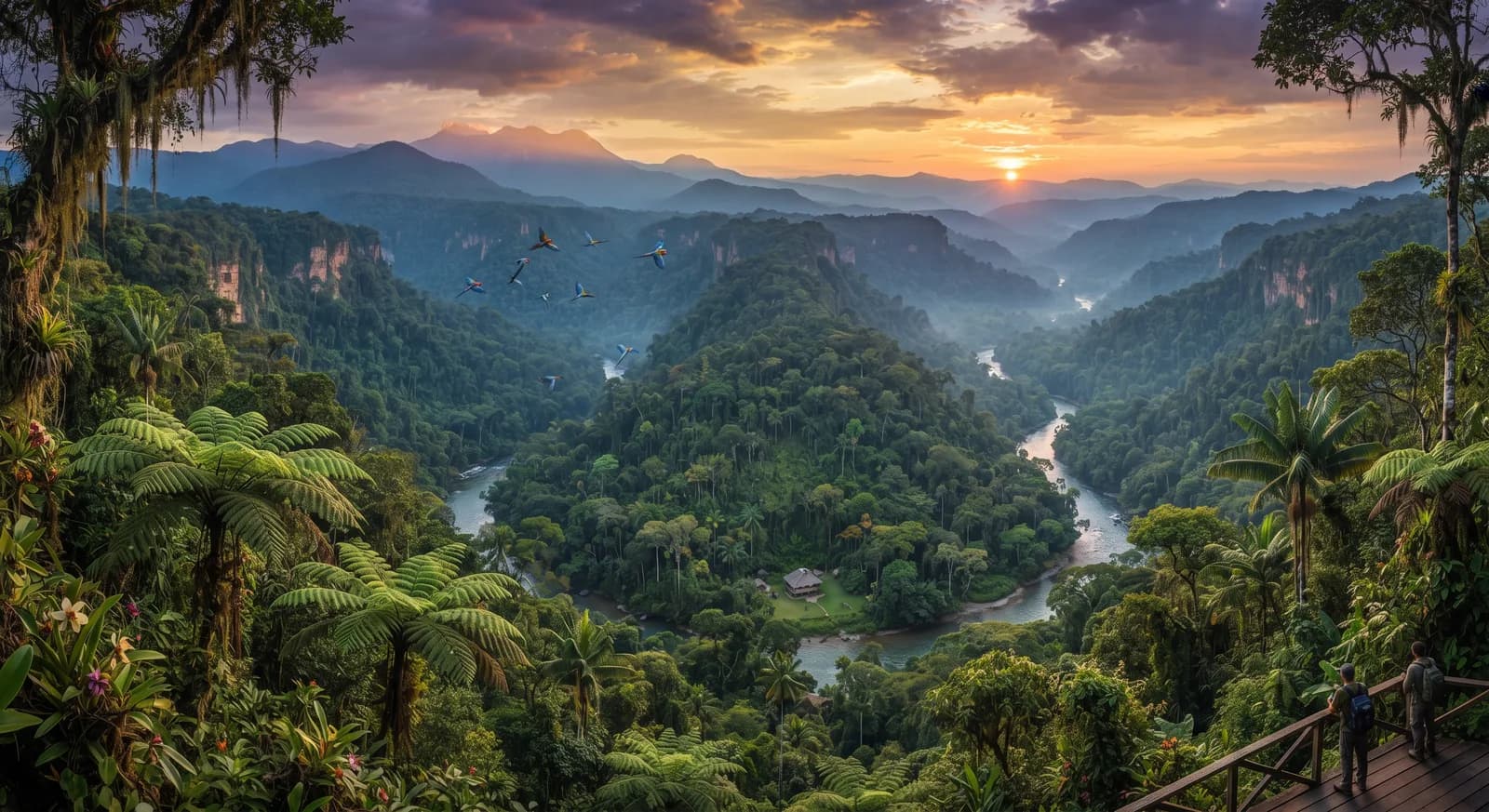
It lies at what is known as the elbow of the Andes, the point where the range changes direction abruptly, and that geographical position is the key to its value: three great biogeographical regions meet in the park, Amazonia to the north, the Andes to the west and the dry Chaco to the south, along with the ecoregion of the inter-Andean dry forests. The result is a superposition of faunas and floras that produces one of the highest diversities per unit of area recorded on the continent.
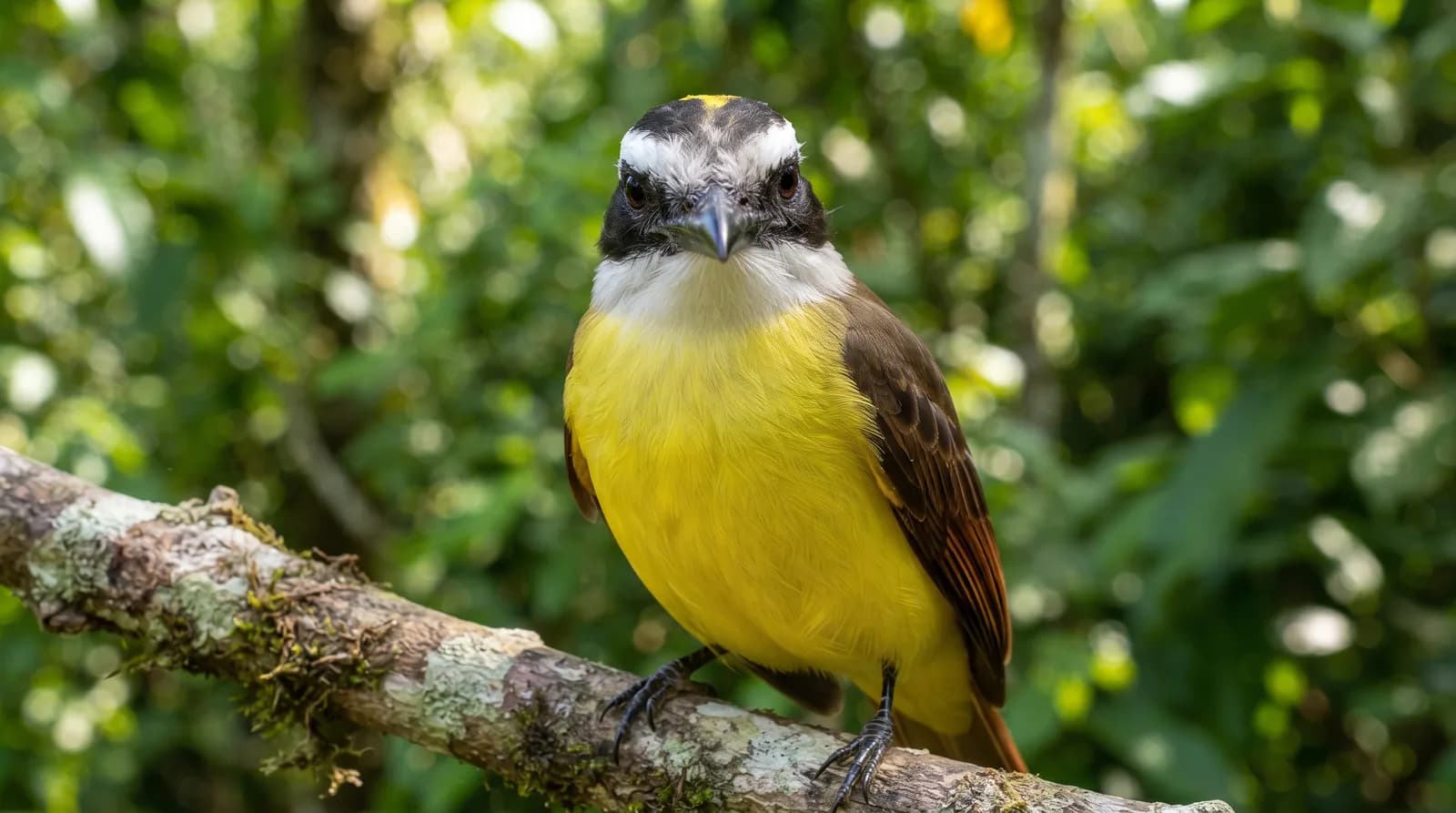
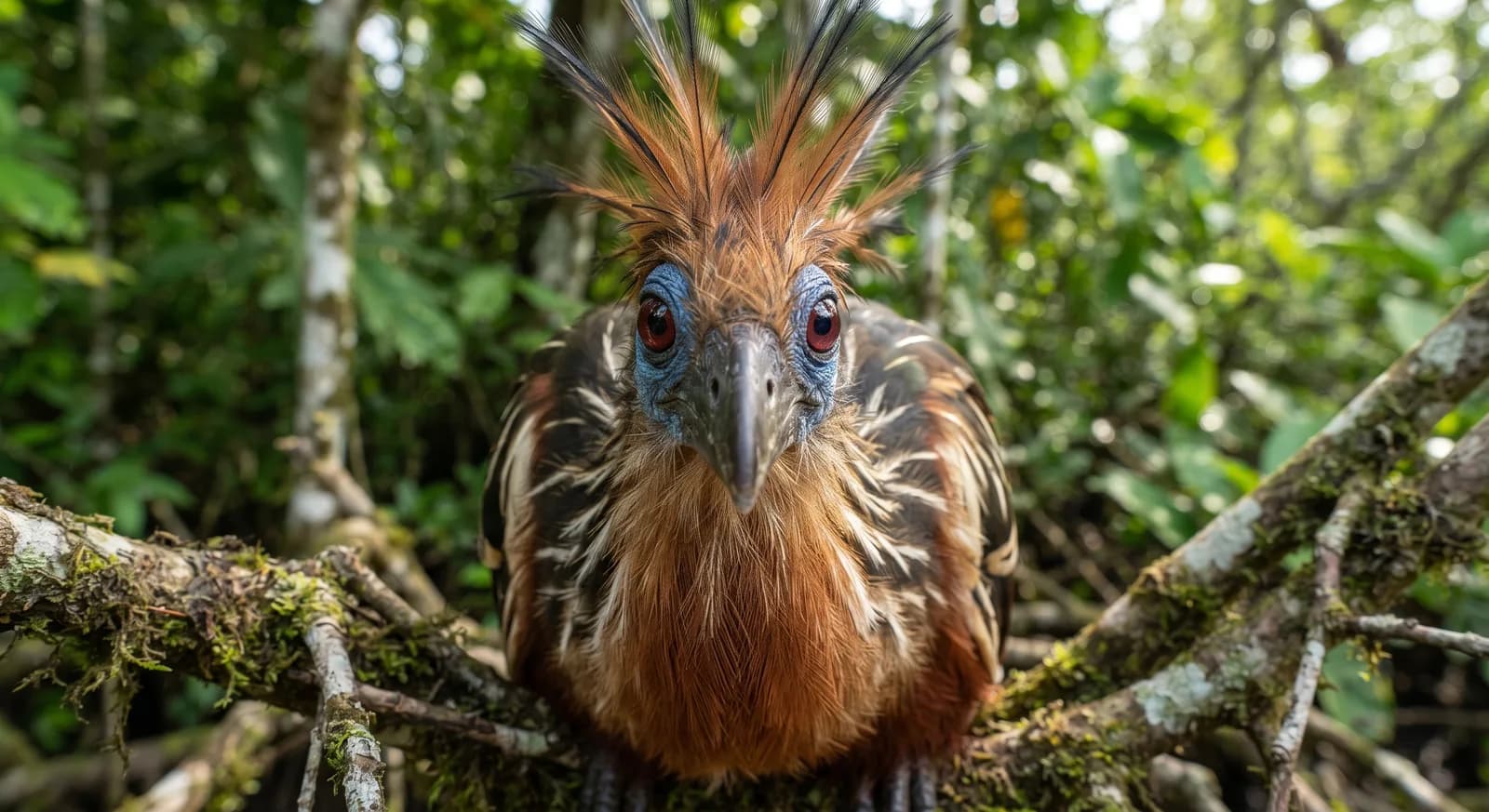
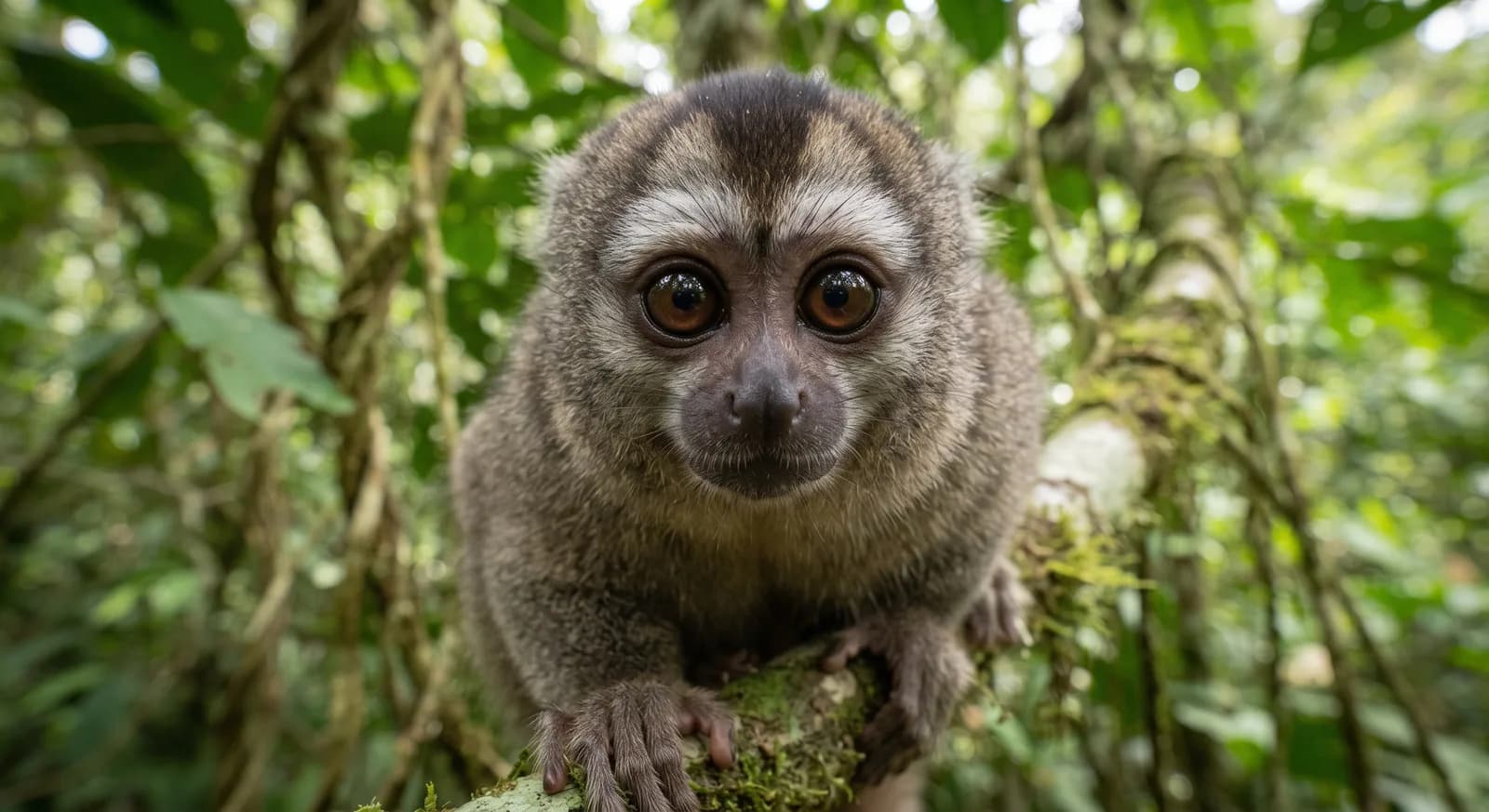
The altitudinal gradient, from 300 to 3,300 metres, adds a further variation: lowland rainforest, yungas forest, cloud forest and páramo. More than nine hundred bird species have been recorded, an extraordinary figure for a single protected area, along with spectacled bear, jaguar, tapir and a very rich amphibian community. The park also preserves giant tree ferns regarded as living relicts. Its main threat is agricultural colonisation along what is called the red line, the park boundary, where the pressure of settlement has gradually eaten into its effective area.
Ecosystems found in Bolivia, where Amboró lies.
Which other parks are like this one?
Same country: Bolivia
Same country: Bolivia
Same country: Bolivia
Same country: Bolivia
Based on what we already know about this park.
Share your experience visiting Amboró, or a tip for other travellers.
Be the first to comment.
Climate
Tropical, Polar / cold, Mountain
Threatened:,,,,,