Skip to content
WAnimals
  • Map
  • Species
  • Parks
  • Diving
Log inCreate account
WAnimals

The guide for travellers and animal lovers: discover, plan and share your wild adventures around the world.

Discover wildlife

  • Species
  • Ecosystems
  • Glossary
  • Tags

Explore places

  • Map
  • Countries
  • Parks
  • Diving

Plan experiences

  • Guides

Learn

  • Blog

Resources

  • Help centre
  • Contact
  • Install the app

Follow us

Account

  • Log in
  • Create account

© 2026 WAnimals. All rights reserved.

About usHow we build our profilesTerms of servicePrivacyLegal notice
MapSpeciesParksDiving
  1. Home
  2. Species
  3. Southern Tamandua

One of the 3 tamanduas on WAnimals

Southern Tamandua (Tamandua tetradactyla)

Mammals · Pilosa · Myrmecophagidae

Southern Tamandua

Tamandua tetradactyla

Least Concern

The species is abundant and widely distributed; it faces no significant short-term risk.

Spotted something wrong?

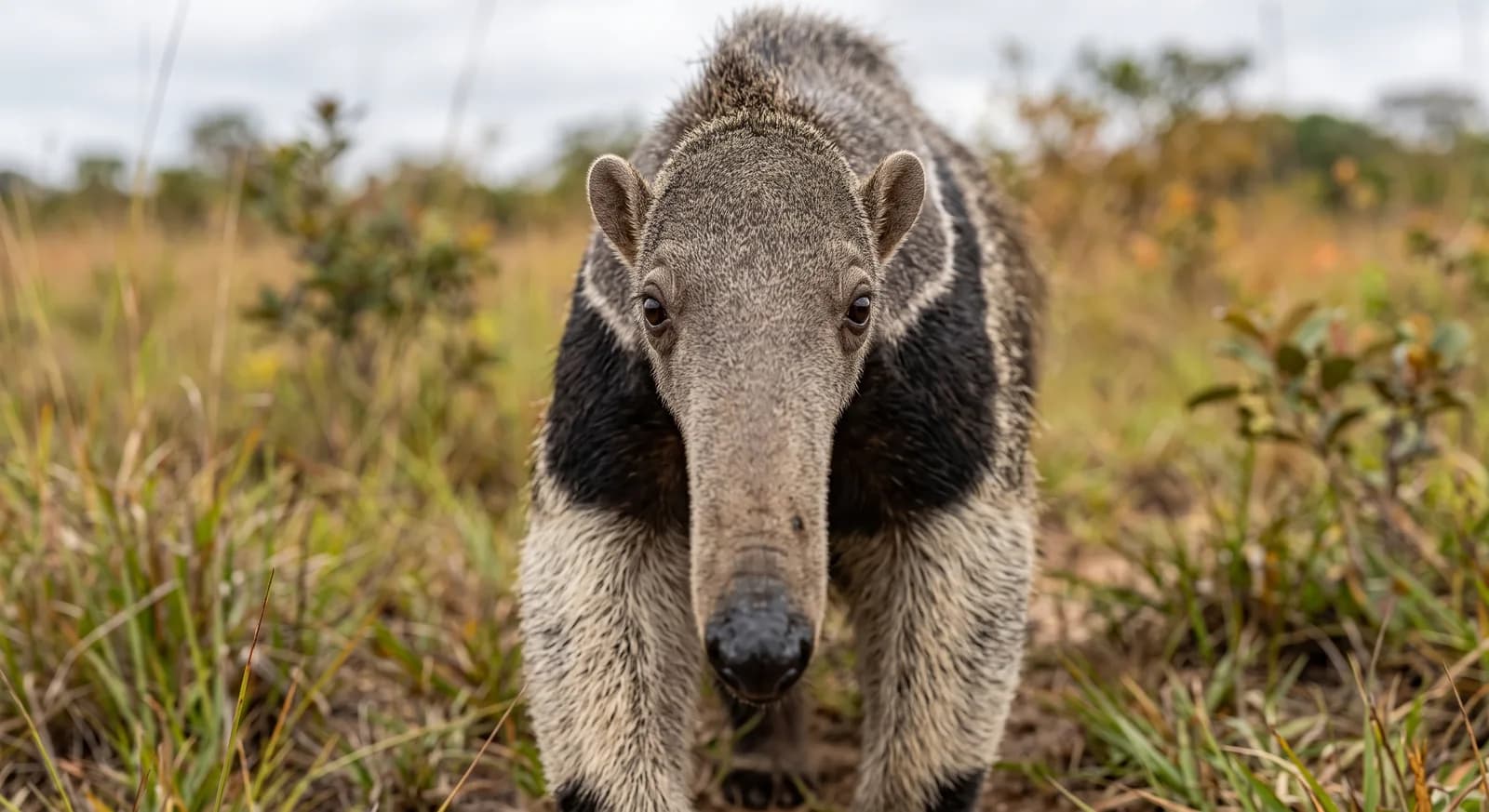
The southern tamandua is the medium-sized anteater of South America, with a prehensile tail bare along its final section and enormous front claws. It climbs with ease and looks for ant and termite nests both on the ground and in the trees. Its colour pattern varies greatly by region: in the south it usually carries a dark waistcoat-shaped marking on a pale ground, while in Amazonia there are entirely blond individuals. It is solitary and alternates between daytime and night-time activity.

Weight

3.5 kg – 8.4 kg

Size

53 cm – 88 cm

Life expectancy

9 years
Diet

Insectivore

Feeds mainly on insects and other invertebrates.

Activity

Nocturnal

Active mainly at night.

Social structure

Solitary

Lives and hunts alone, joining others only to breed.

Sighting difficulty

Easy

SavannaRainforestGrassland
12countries67parks2same family1featured routes

AI-generated images: illustrations, not photographs.

Fun facts

  • When it feels threatened it rears up on its hind legs and tail, spreads its arms and waits motionless with its claws ready, a very characteristic defensive posture.
  • It is selective about its prey: it deliberately avoids the most aggressive ants, such as army ants, and prefers species with a less painful bite.

Life cycle and biology

Skeleton type
Vertebrate - internal bony skeleton (mammal)
Habitat and environment
Rainforest, dry forest, cerrado and gallery forest of South America
Sexual maturity
12 months
Gestation / incubation
5.3 months
Litter / clutch size
1

Sources consulted: https://es.wikipedia.org/wiki/Tamandua_tetradactyla

Where to find it

Loading map…

The pins mark the parks where its presence is documented.

Where to see it

Parks and dive sites where this species has been documented — showing 10 of 67.

Related species

Other species in the catalogue with the most in common with Southern Tamandua — same habitat, park, country, tags or family.

Same taxonomic family
Shares a park
Shares a park
Shares a park
Shares a park

Keep exploring

Based on what we already know about southern tamandua.

Comments

Share an experience, a fun fact or a tip for seeing the southern tamandua.

Be the first to comment.

See full glossary
This page in other languages: Español · Deutsch · Français · Português · Italiano
See its range on the interactive map→
TalampayaArgentina
Ischigualasto (Valley of the Moon)Argentina
IberáArgentina
El PalmarArgentina
Pantanal MatogrossenseBrazil
Chapada DiamantinaBrazil
Lencois MaranhensesBrazil
ManuPeru
TambopataPeru
Cordillera AzulPeru
See all 67 parks
Least Concern

Northern Tamandua

Tamandua mexicana

Giant AnteaterVulnerable

Giant Anteater

Myrmecophaga tridactyla

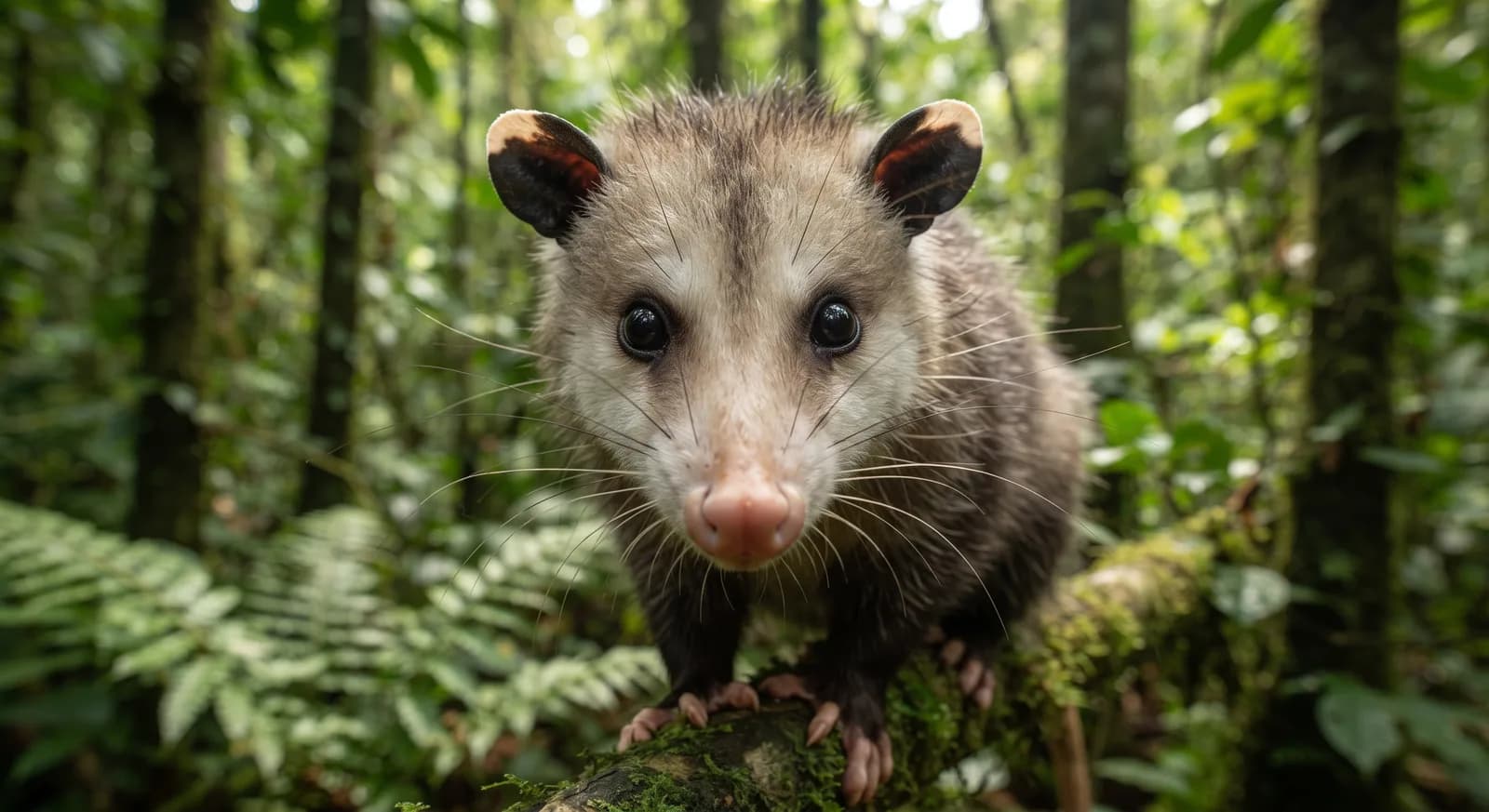
Common OpossumLeast Concern

Common Opossum

Didelphis marsupialis

Least Concern

Water Opossum

Chironectes minimus

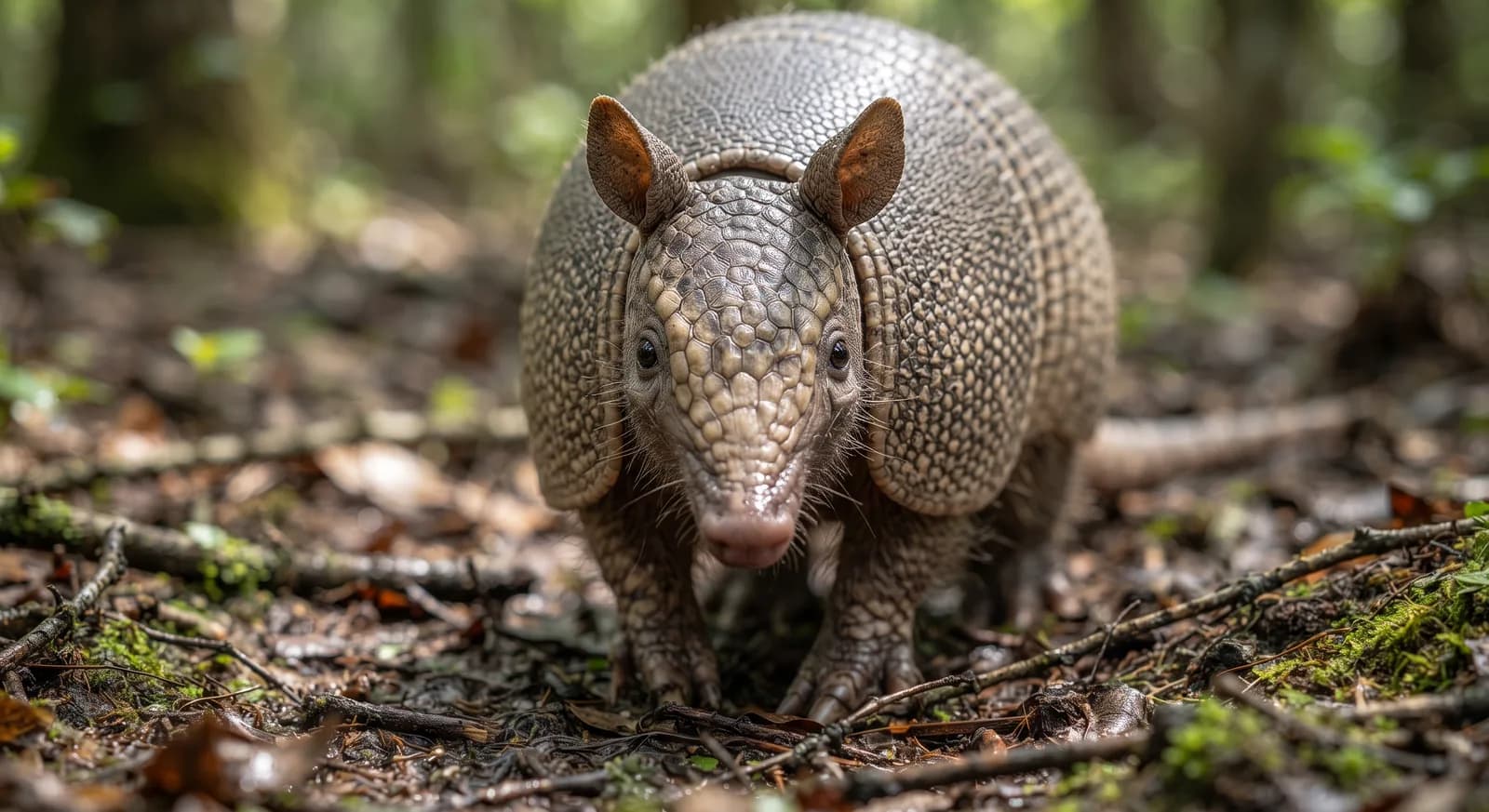
Nine-banded ArmadilloLeast Concern

Nine-banded Armadillo

Dasypus novemcinctus

Least Concern

Large Hairy Armadillo

Chaetophractus villosus

CountriesBrazil
ParksTalampayaArgentina
TagsInsectivore
Insectivore
Nocturnal
Variable activity
Solitary
Savanna
Rainforest
Grassland
Mammal

South America11

North America1

Brazil
Argentina
Peru
Colombia
Bolivia
Suriname
Argentina
Bolivia
Brazil
Colombia
Ecuador
Guyana
Paraguay
Peru
Suriname
Uruguay
Venezuela
Trinidad and Tobago