 Critically Endangered
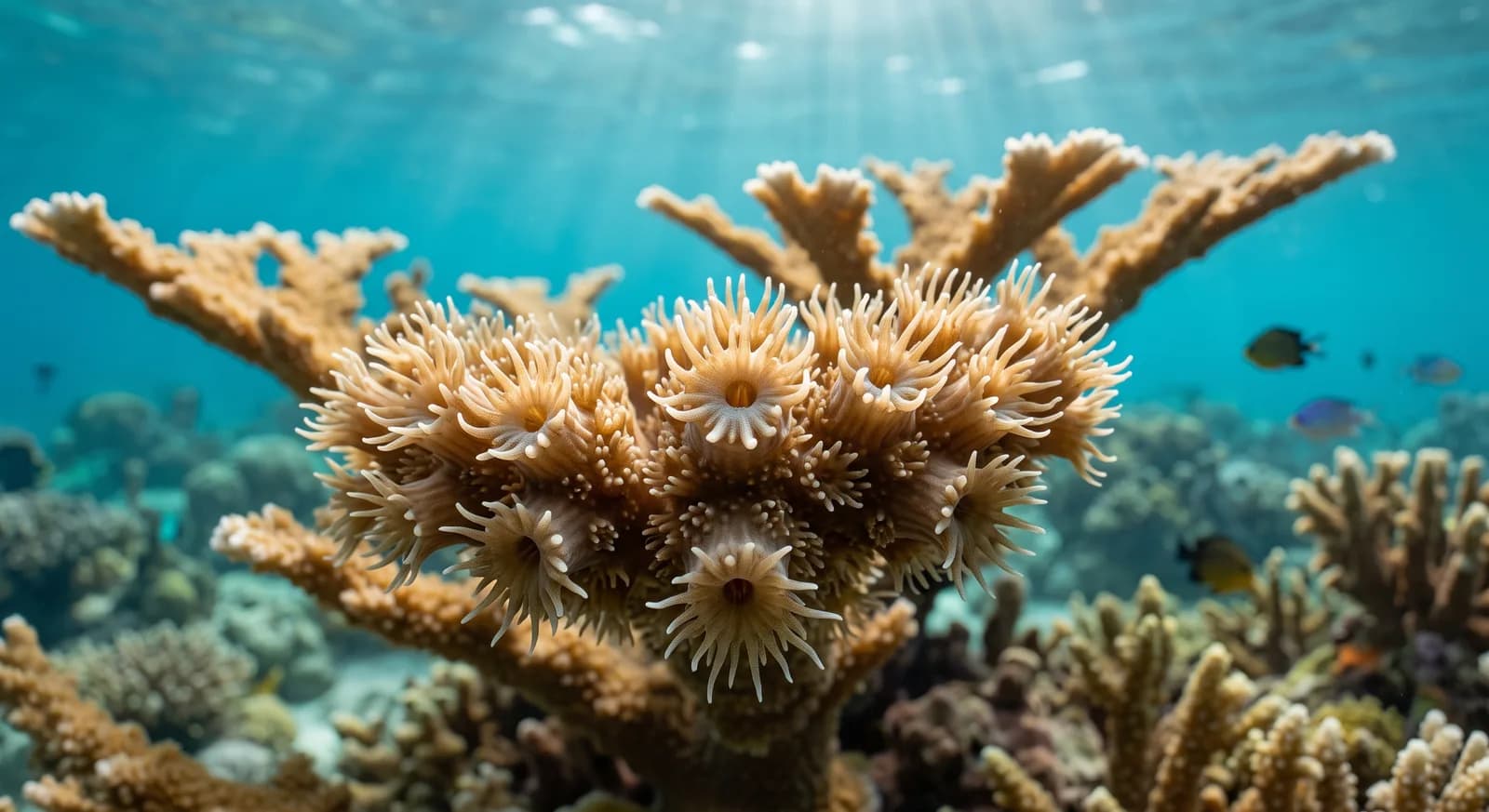
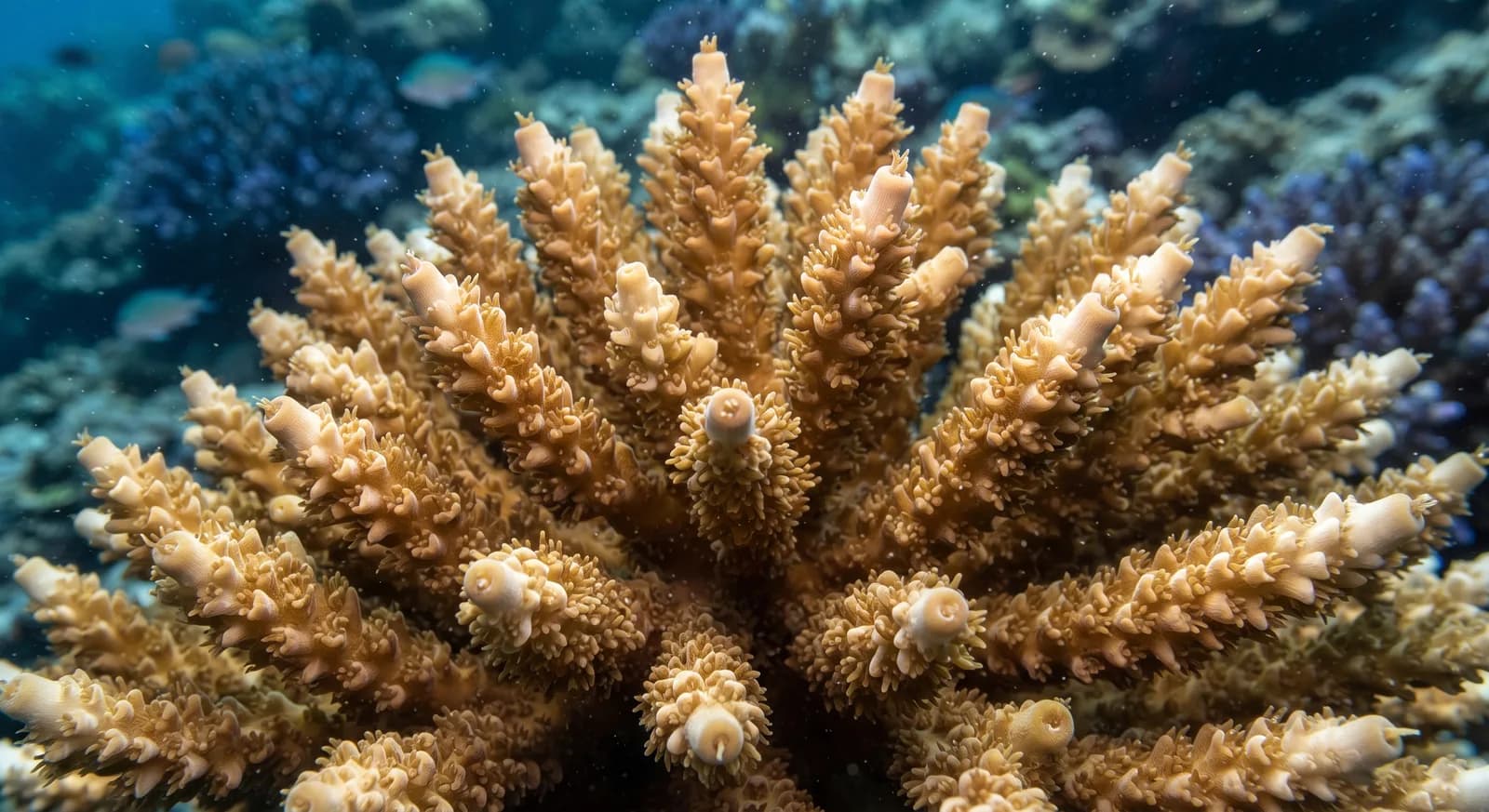
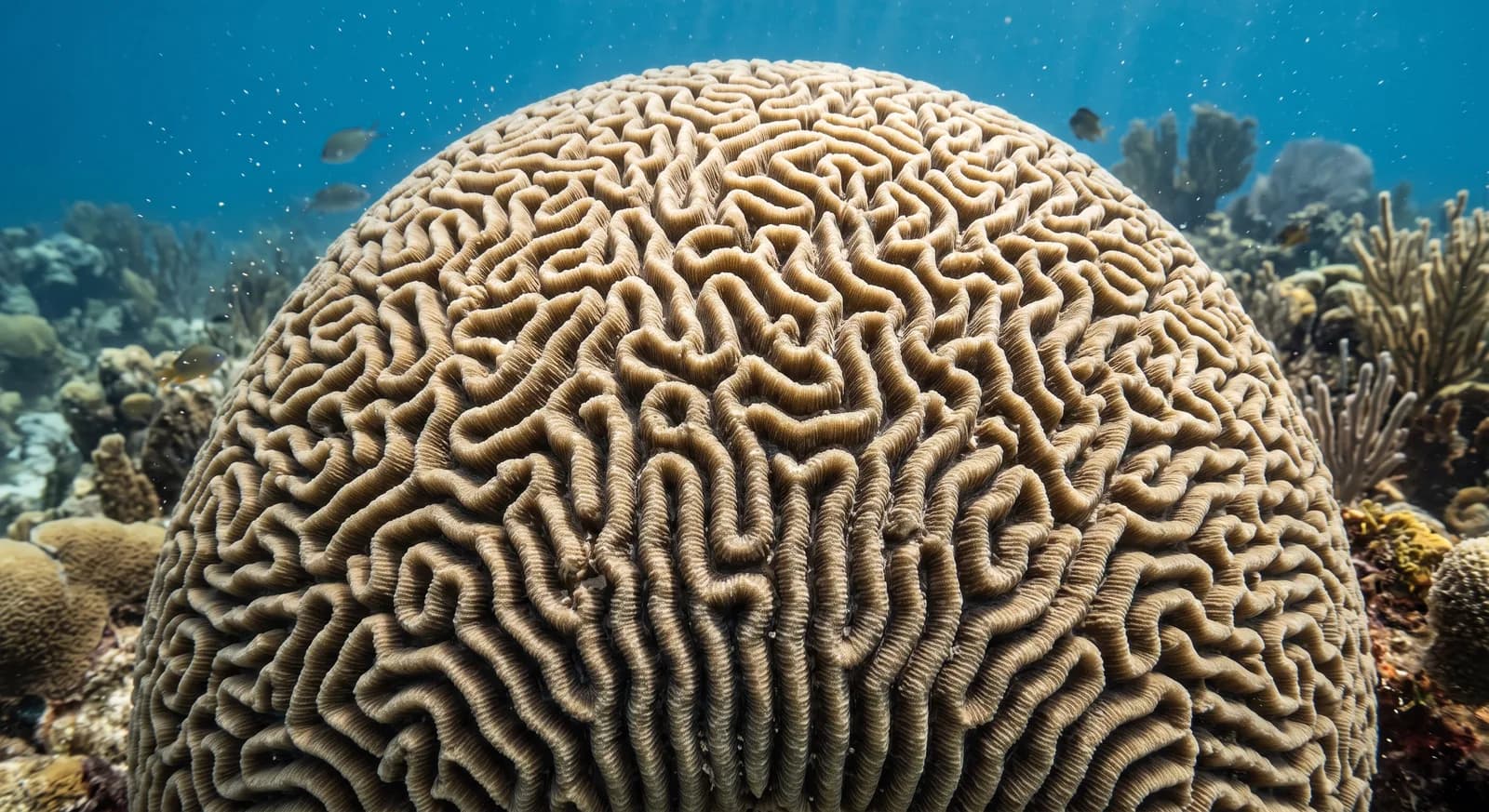
Grooved Brain Coral
Diploria labyrinthiformis
North America
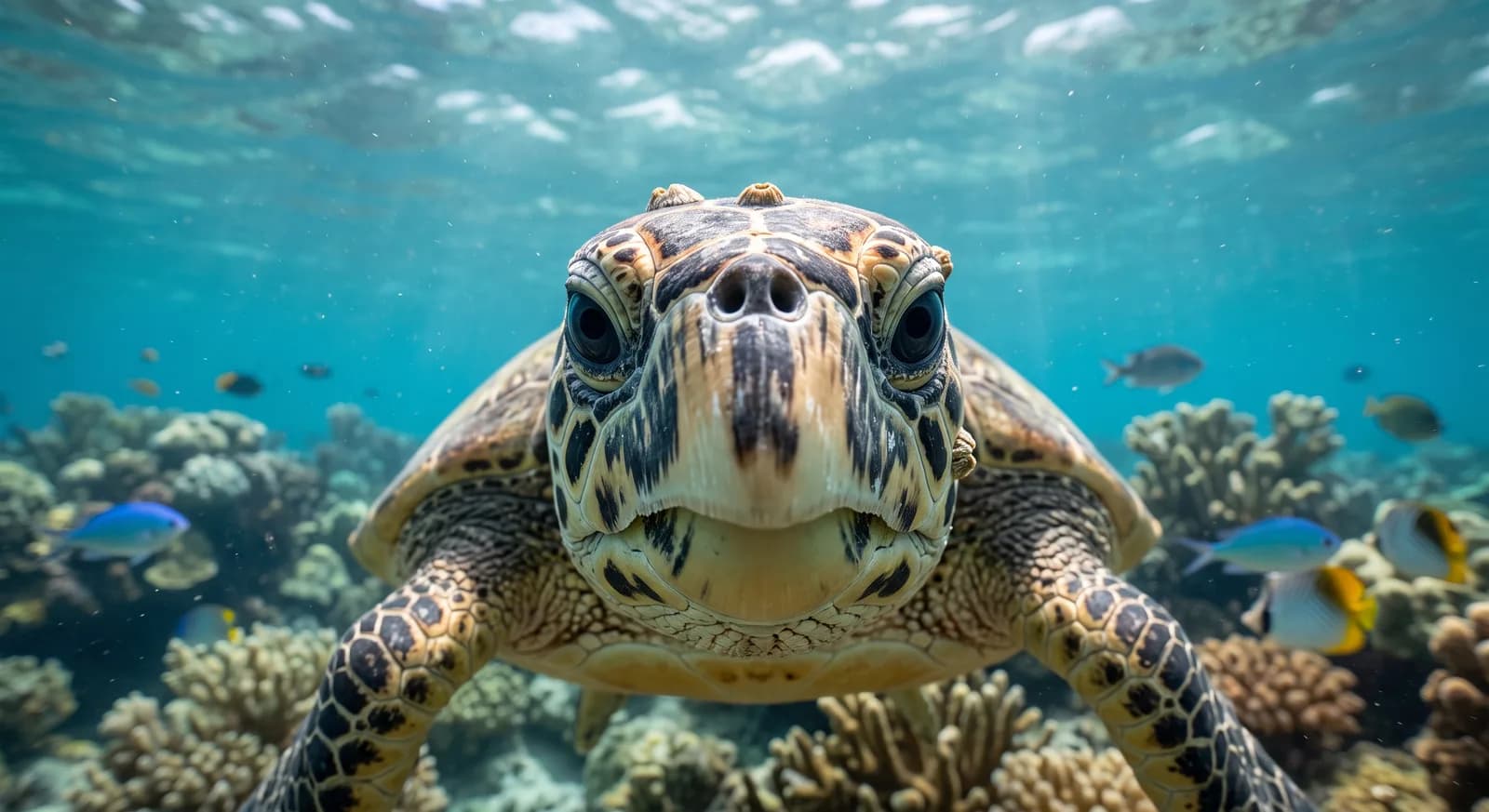
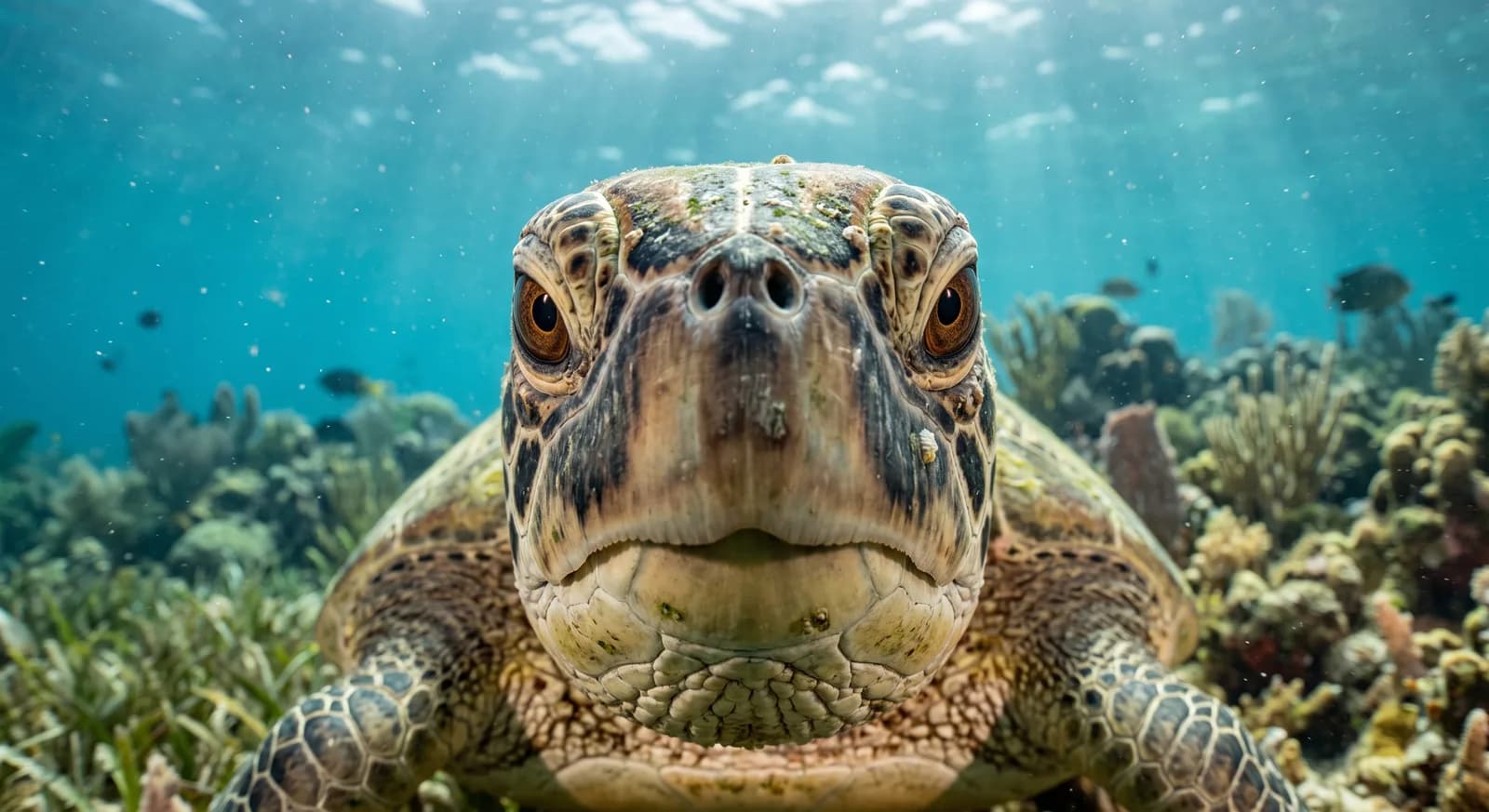
Trinidad and Tobago are continental islands: they were joined to South America until very recently in geological terms, and for that reason their fauna is not the typical Caribbean island fauna but a reduced version of the mainland's, with almost a hundred mammal species and more than four hundred and eighty birds in a very small territory. The Northern Range of Trinidad keeps rainforest and cloud forest, and the Caroni swamp, a maze of mangroves beside Port of Spain, serves as a roost for the scarlet ibis. Tobago, smaller and of different origin, holds the oldest protected forest reserve in the western hemisphere, created in 1776, and well-preserved coral reefs. Grande Riviere beach is one of the densest leatherback turtle nesting sites in the world.
National animal: The scarlet ibis and the cocrico are the two national birds, both represented on the country's coat of arms
In Dunston cave, in the Arima valley, lives a colony of oilbirds, nocturnal fruit-eating birds that nest in caverns and find their way in total darkness by echolocation, emitting clicks audible to the human ear. They are the only birds in the world that combine a fruit diet, nocturnal habits and echolocation, a rarity that makes them a permanent case study.
The Tobago forest reserve, declared in 1776 to protect the island's rainfall, is regarded as the first protected area in the western hemisphere created on explicitly ecological grounds. Grande Riviere concentrates hundreds of leatherback turtles a night on a few hundred metres of beach at the peak of the season.
Caroni at dusk for the scarlet ibis coming in to roost. Grande Riviere between March and August for leatherback turtles. Asa Wright year-round for hummingbirds and oilbirds.
222 species found
Based on what we already know about Trinidad and Tobago.