 Critically Endangered
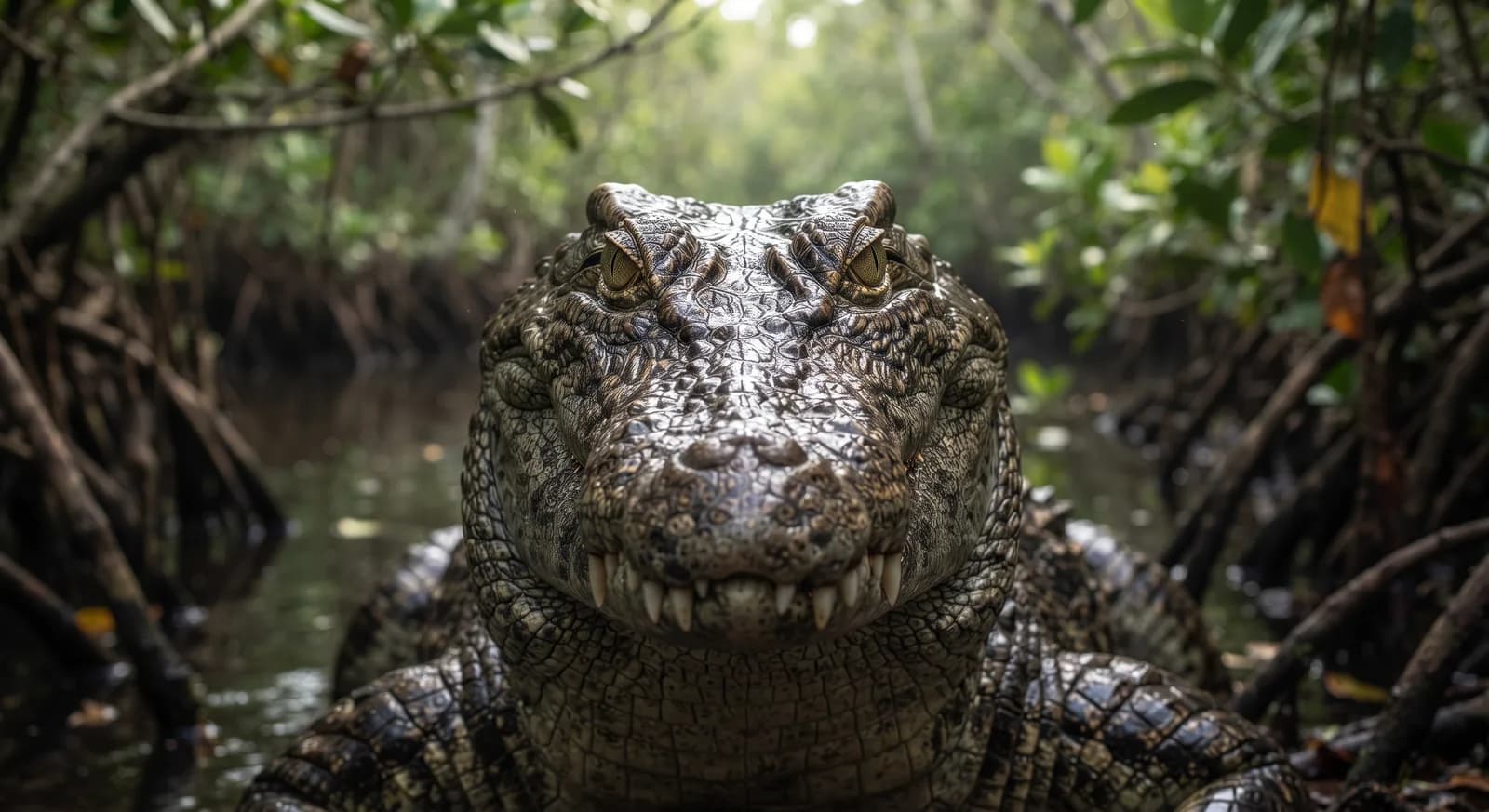
Cuban Crocodile
Crocodylus rhombifer
North America
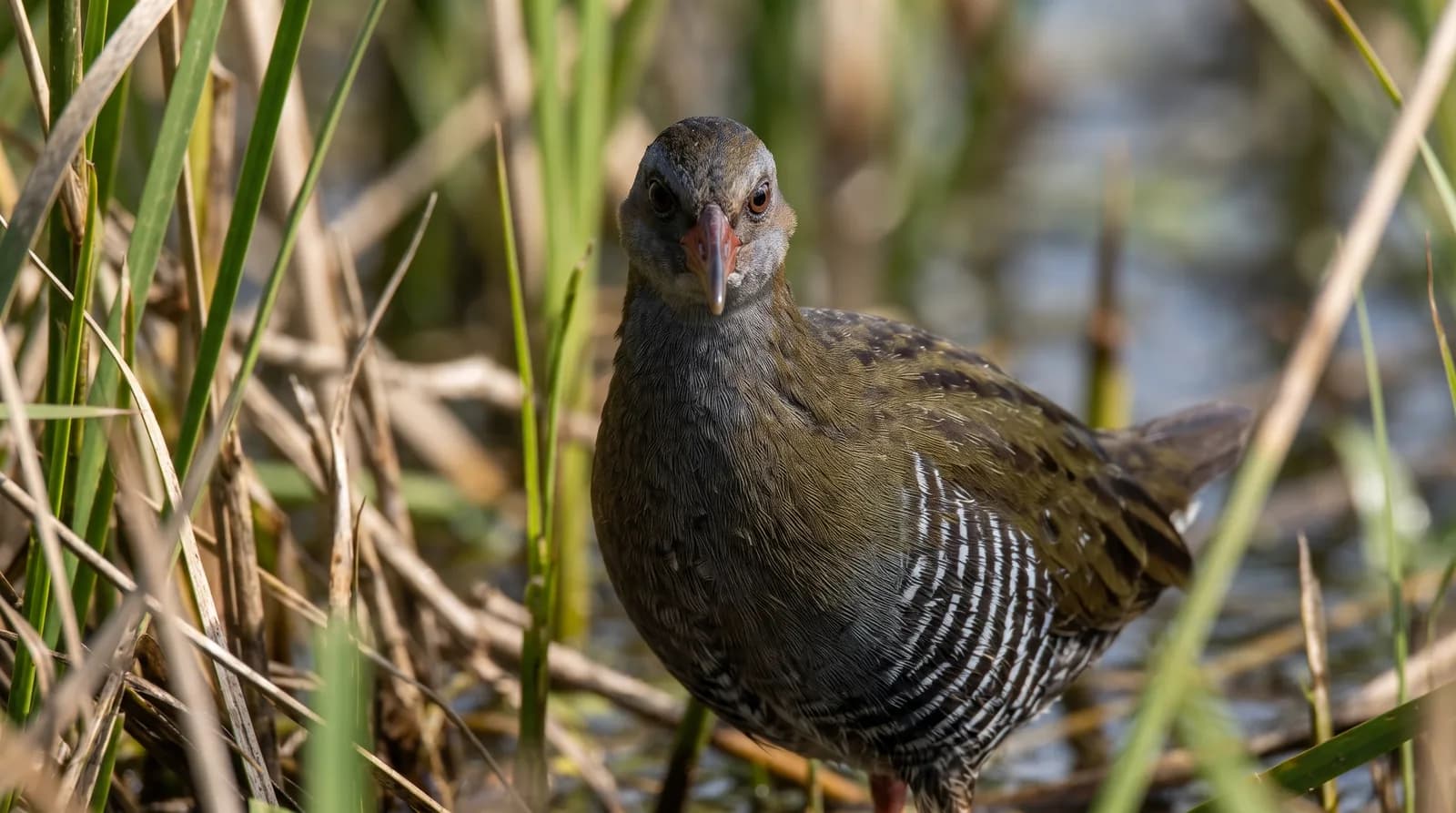
Cuba is the largest island in the Caribbean and the one that keeps the greatest area of natural habitat in the Antillean archipelago, with very high endemism in plants as well as in amphibians, reptiles and molluscs. The mountainous east, with the Sierra Maestra and above all the Nipe-Sagua-Baracoa massif, holds serpentine soils that have produced an endemic flora and rainforests that make up the most biodiverse point in all the Antilles. In the southwest, the Zapata swamp is the largest wetland in the insular Caribbean, with mangroves, reedbeds and flooded forest that hold birds found nowhere else and the Cuban crocodile, the crocodile with the smallest natural range in the world.
National animal: The Cuban trogon, the national bird, whose plumage reproduces the colours of the Cuban flag
The bee hummingbird is the smallest bird on the planet: it measures about six centimetres including bill and tail and weighs less than two grams, less than a small coin. It beats its wings around eighty times a second, its nest is the size of a thimble and its eggs are like coffee beans. It exists only in Cuba, and its heart can beat more than a thousand times a minute in flight.
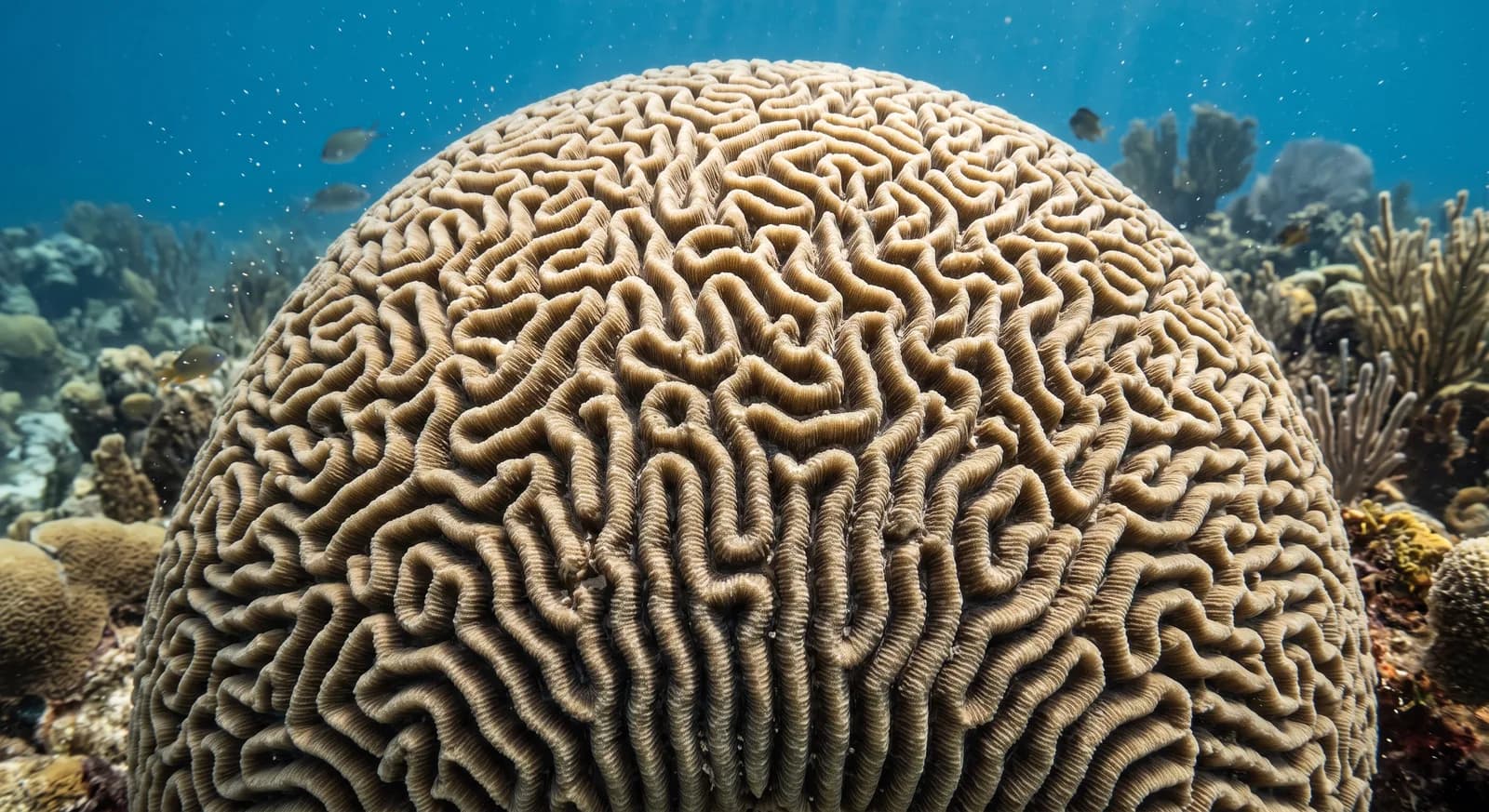
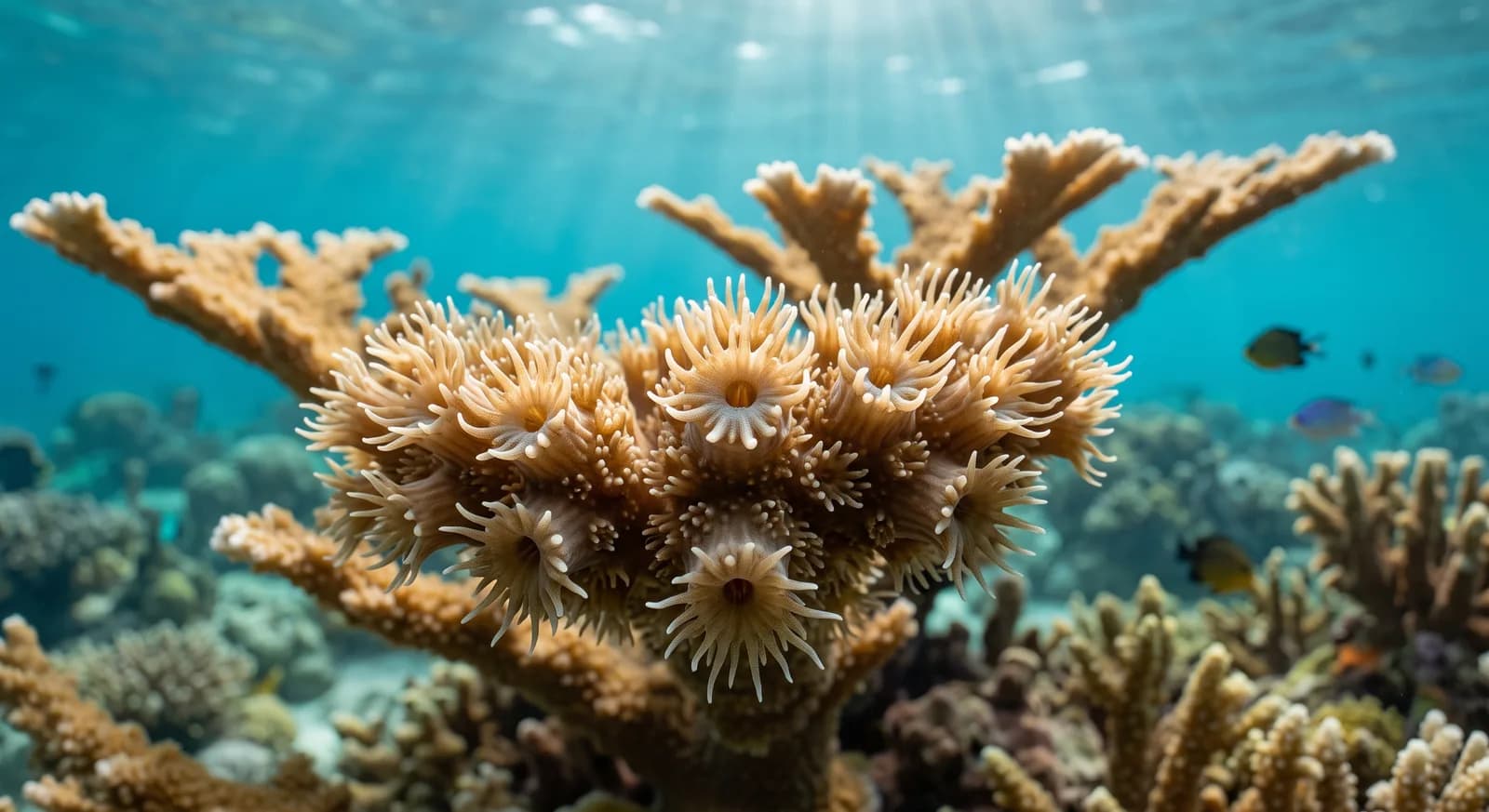
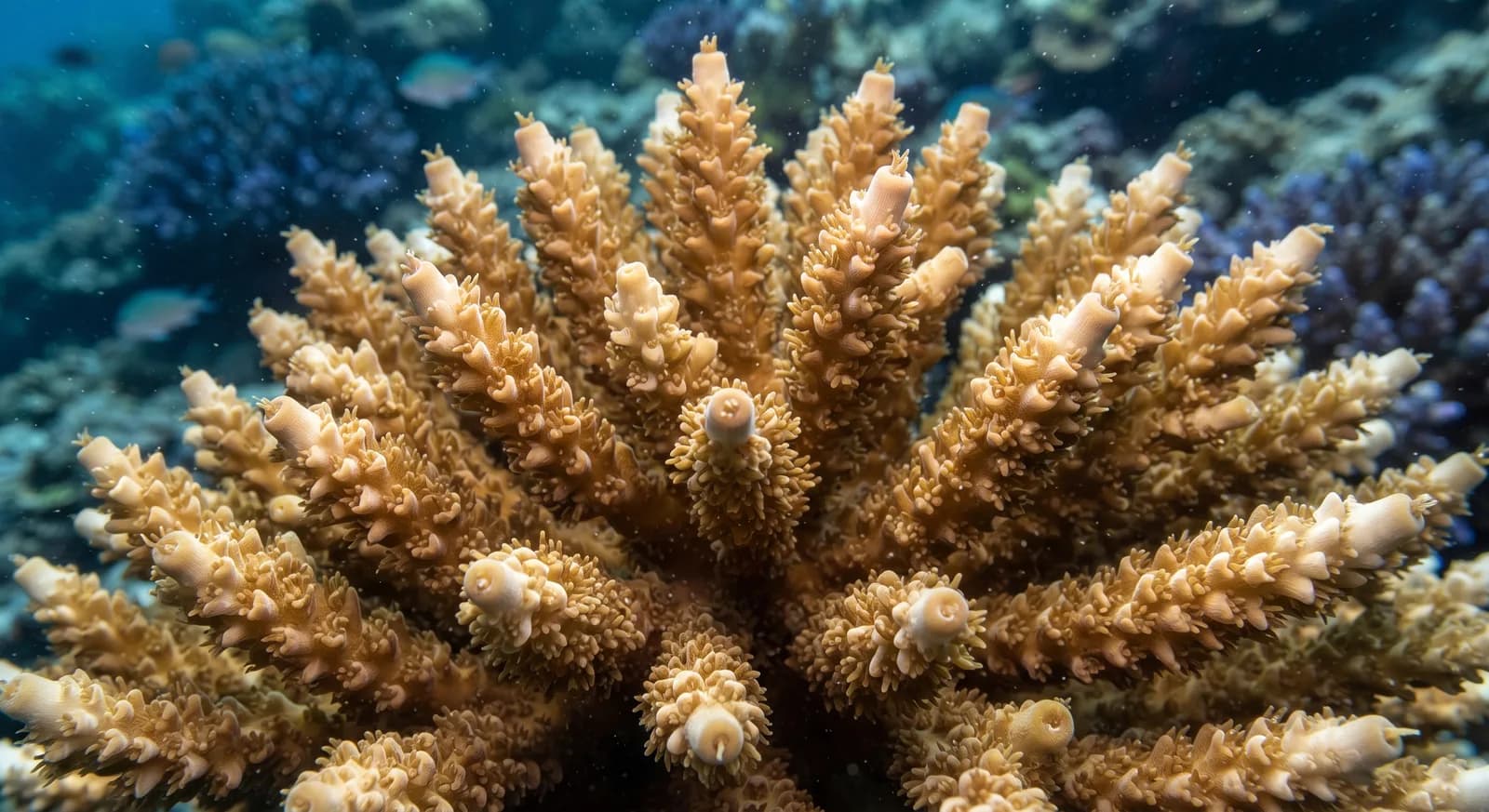
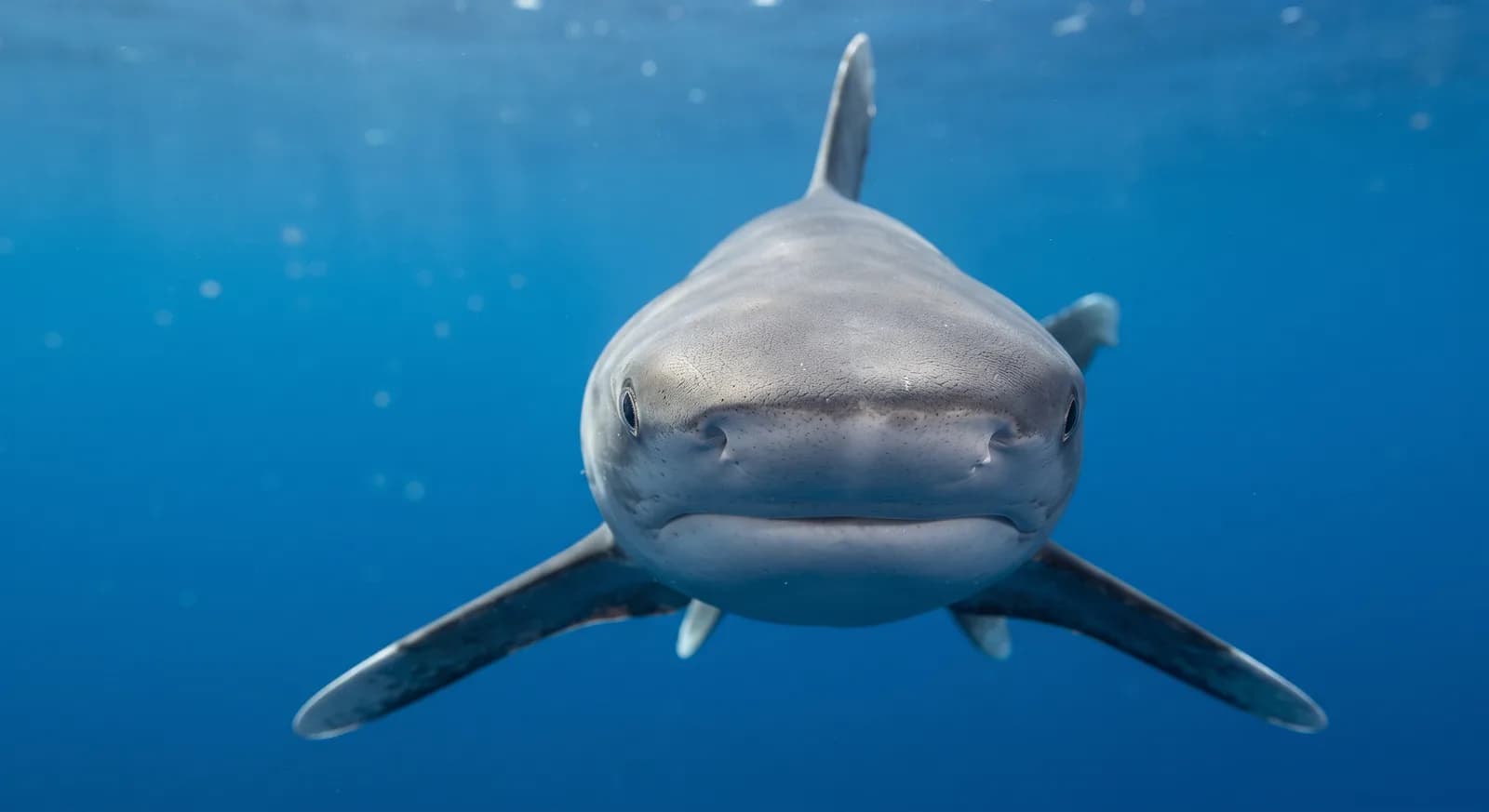
The Jardines de la Reina, an archipelago protected since 1996 with heavily restricted fishing, keep one of the densest shark and grouper populations in the Caribbean and serve as a reference for what these seas were like before overfishing. The Cuban gar is a fish considered a living fossil, the survivor of a lineage more than a hundred million years old.
Zapata between November and April for endemic and migratory birds. Jardines de la Reina year-round for sharks and groupers. Viñales at dawn for Cuban trogons and mogote birds.
Where else might I want to travel?
Same region: Central America and the Caribbean
Same region: Central America and the Caribbean
Same region: Central America and the Caribbean
Same region: Central America and the Caribbean
217 species found
Based on what we already know about Cuba.